
The Banana melon is a popular variety among both novice and experienced gardeners. It has an interesting shape and excellent flavor. It is prized for its varietal characteristics and ease of cultivation. With proper care, it produces good yields and large fruits with a distinct aroma.
History of the Banana Melon
It was included in virtually every seed catalog published before 1900, attesting to its long history. The variety gained popularity in 1885 and generated considerable interest at the Essex Agricultural Society in the autumn of 1883.
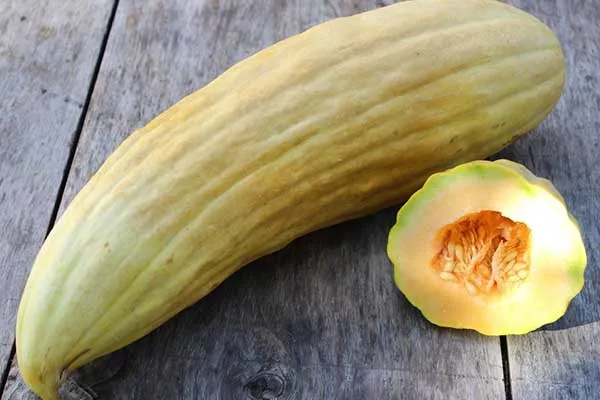
Banana melon and Banana melon are two different varieties with some differences:
- Shape and size. The banana melon typically has a long, narrow shape, reminiscent of a banana, hence its name. The banana melon can be elongated, but its shape is more rounded, and the fruit's size can vary.
- Color and taste. Both varieties have yellow skin, but the flavor and texture are slightly different. Banana melon has a spicy and sweet flavor, somewhat reminiscent of banana. Banana melon has similar characteristics, but the flavor and texture vary depending on growing conditions.
- Productivity and stability. They have different yields and degrees of resistance to diseases and pests.
Both melons have unique characteristics, and the choice between them may depend on taste preferences and desired agronomic characteristics.
Description of the plant and fruits
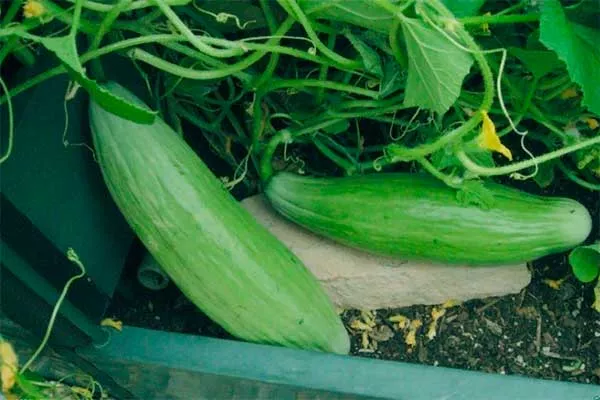
A plant with long, creeping stems bearing tendrils. The shoots are covered with large green leaves consisting of five lobes. The flowers are light yellow. The fruits are not very large, weighing 2-3 kg. A single plant produces 2-8 oblong fruits with smooth yellow skin.
Taste and purpose
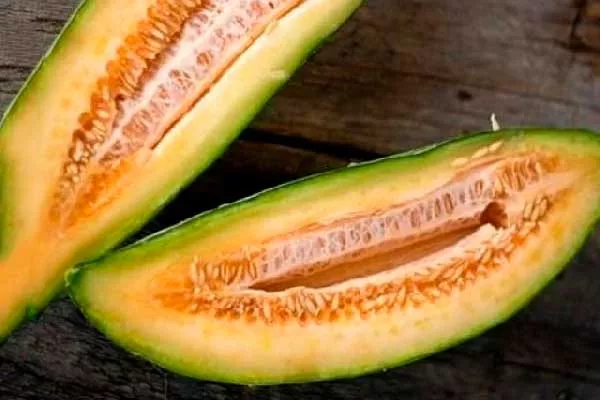
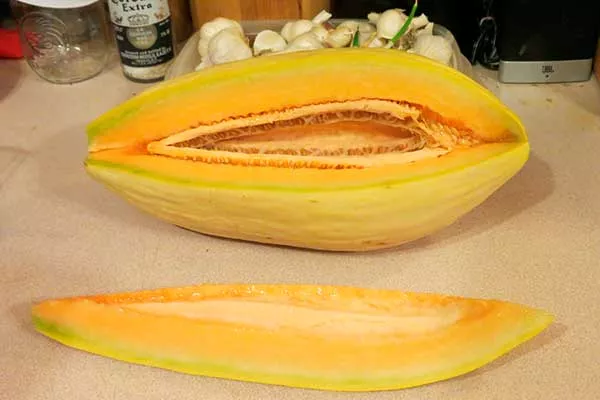
The main advantage is its taste. The flesh is orange-yellow and has a pleasant banana aroma. The flavor is very sweet and rich.
Melon pulp is often used in cooking and preparing various dishes:
- Slice and eat fresh as a refreshing snack or dessert.
- Add to fruit salad.
- It is used to prepare juices, smoothies and cocktails, desserts: ice cream, puddings, creams and pies.
The pulp is used to make jams, preserves, and compotes. Banana melon can be used to make sauces and dips that pair perfectly with meat, fish, or vegetables.
Ripening and yield
Bananas are mid-season varieties. Harvesting begins as early as 90 days after the first shoots emerge. With proper care, yields can reach 5 to 40 kg per plant.
Resistance to diseases and pests
If care is not followed, the plant may be susceptible to various diseases, such as powdery mildew, downy mildew, anthracnose, and root rot. To combat this problem, treat the plantings with fungicides.
If seeds, soil, or tools are contaminated, the crop can become infected with cucumber mosaic virus and watermelon mosaic virus. Remove and destroy infected plants, and treat the growing area with potassium permanganate.
Pests that can harm plants include cutworms, wireworms, and melon aphids. To control them, use insecticides such as Actellic and Karbofos.
Is it possible to grow in Russia?
Banana melons can be grown in Russia in greenhouses or open-air beds in warmer regions. This variety requires a longer, warmer season for successful ripening. In colder regions of the country, where climate conditions are less favorable, greenhouse cultivation or special shelters are recommended to create a warmer and more protected environment.
Subtleties of agricultural technology
There are two ways to grow Banana melon: using seedlings and without them. The second option is used primarily in southern regions and is rare. In this case, the seeds are sown in late May.
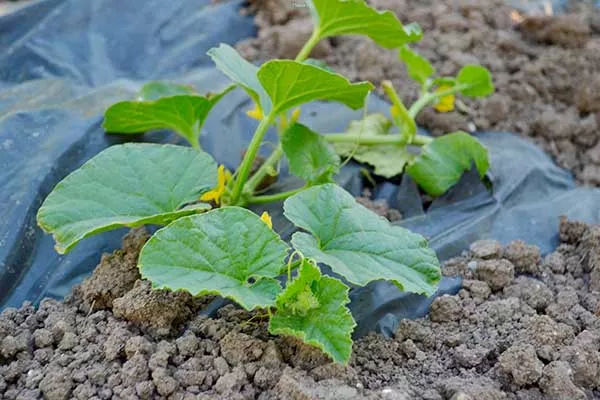
When growing melon, consider the following aspects:
- Choose a sunny planting site with well-drained soil. Plant seeds or seedlings after the risk of frost has passed. Space plants approximately 1.5-2 meters apart.
- Before planting, improve soil fertility by adding compost or humus. Make sure the soil is well warmed to about 18-20°C.
- Water the plants regularly, especially during the ripening period. Remove weeds and provide the plants with enough space to spread.
- Use support structures or nets to prevent bending and damage to the fruit.
- Apply fertilizers rich in potassium and phosphorus to support healthy plant growth and development.
- Two weeks after planting, apply a complex fertilizer with a high phosphorus content.
- During the flowering period, add potassium fertilizers to improve fruit set.
- During fruit ripening, repeat the application of potassium fertilizer to increase sweetness.
When the melons reach the size of a tennis ball, tie them to a trellis or place boards underneath them.
Where can I buy a rare variety?
Rare melon varieties, including the Banana variety, can be purchased from seed or plant suppliers. There are numerous online stores specializing in rare and exotic varieties.
You can contact local agricultural stores, nurseries, or farmers' markets, where rare melon varieties or seedlings may be available. Gardening communities on social media or forums, where people often share supplier contacts, are effective.
Reviews
The Banana melon is a popular variety grown by both novice and experienced gardeners in our country. It is characterized by disease resistance and is rarely attacked by pests. This crop requires timely care, as it promotes strong immunity and increases yields.