
The Pineapple melon, often mistakenly confused with the Ananas variety, is adapted to all Russian climates and can be grown in open beds, greenhouses, or under plastic covers. Its main distinguishing feature from other melon varieties is its consistent, unique aroma and flavor, which harmoniously combines melon and exotic pineapple.
How was the hybrid bred?
It was developed in the Netherlands in the 1990s. The Ananas variety is often confused with the Ananas cultivar, but in fact, they are two slightly different varieties (they share one similarity: the pineapple flavor).
During the breeding process, the creators sought to develop a plant resistant to a variety of climatic zones, which resulted in a variety capable of adapting to both warm and cold regions.
Comparison of Pineapple Melon and Pineapple Melon
| Name | Ripening period (days) | Disease resistance | Adaptation to climate |
|---|---|---|---|
| Pineapple Melon | 62-70 | High | High |
| Melon Pineapple | 95-105 | Average | Average |
The mid-season Ananas melon variety is distinguished by its excellent transportability and ability to be stored for up to a month after harvest. According to gardeners, a single plant can yield up to five fruits.
Analyzing reviews of the Ananasnaya and Ananasnaya melon varieties, we can come to the following conclusions regarding the Ananasnaya melon variety:
- has smaller fruits;
- ripens much earlier;
- better preserved;
- less demanding in terms of care conditions.
Botanically, the Pineapple melon belongs to the species Cucumis melo, part of the Reticulatus group. The exact historical origins of this variety are unknown. It is believed that it was introduced from Africa.
According to historical records, this melon variety arrived in France in 1777, where it was named Ananas d'Amérique à Chair Verte (Green-fleshed American Pineapple). This variety became available to consumers in the United States in 1824. Thomas Jefferson grew it at his Monticello estate from 1874 onward.
Characteristic features of the pineapple variety
The Ananasnaya melon variety is notable for its modest appearance, but boasts an exotic flavor reminiscent of the tropical fruit of the same name. Cultivation of this variety is relatively simple, requiring only adherence to certain agricultural practices.
Description of external characteristics of the plant and fruits:
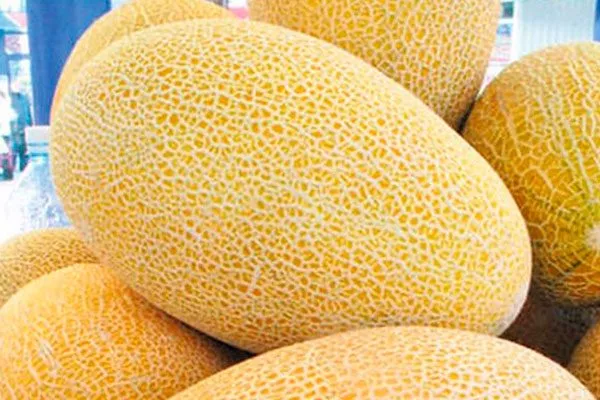
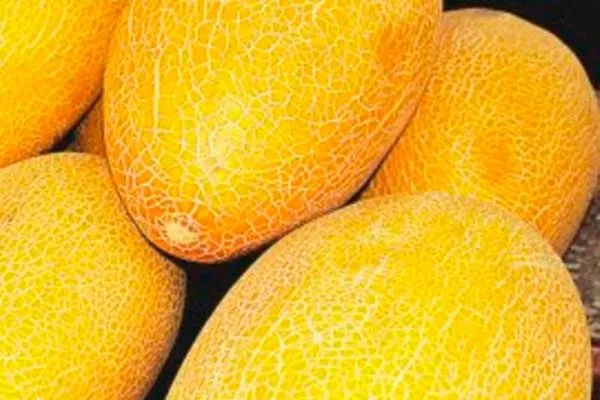
- The fruit is oval in shape, medium to large in size, with each fruit weighing on average 1.5-2 kg (the Pineapple variety weighs 3 kg).
- The melon is a rich golden-orange colour with a characteristic mesh-like rind structure.
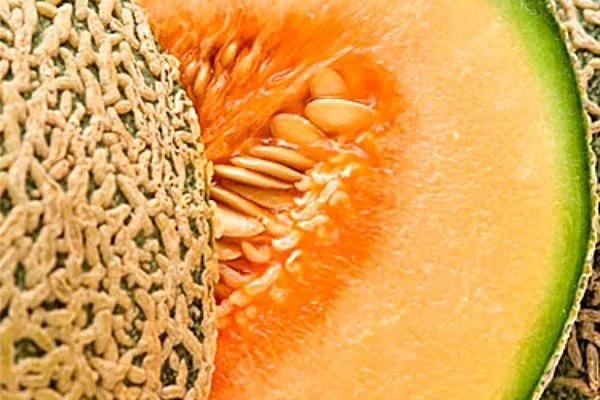
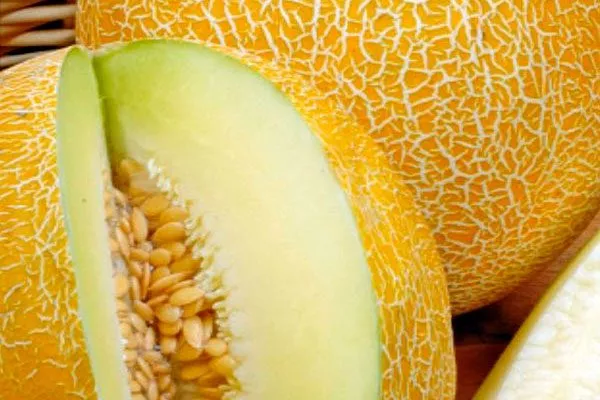
- The flesh is white with a pink tint, the texture is soft and slightly oily, attracting attention with its bright pineapple aroma.
- The fruit's taste is sweet, characteristically pineapple-like, making it suitable not only for fresh consumption, but also for processing: making jam, preserves, as well as candied and used as an ingredient in baked goods and frozen desserts.
Characteristics of the Pineapple Melon variety:
- Ripening periods. Melon pleases with its early ripening period – from germination to harvest it takes only about 62-70 days.
- Yield level. With proper care and adherence to agricultural requirements, this variety's yield is impressive: up to 5, and sometimes even 6, fruits can be harvested from a single plant. The total yield per bush can reach 13-17 kg.
- Chemical constituents of fruits. This variety is a source of vitamin PP, ascorbic acid, beta-carotene, riboflavin, thiamine, vitamin B5, and folate. It also contains minerals such as iron, fluorine, and potassium, as well as a diverse amino acid profile and fiber. These characteristics make melon a popular dietary product.
- Caloric content. Melon has significant energy value: 100 g of pulp contains 38 kcal.
- Benefits for the body. It is used to treat or prevent anemia, tuberculosis, gout, rheumatism, and also helps with diseases of the respiratory system, digestive tract and heart.
Consumers and melon growers highlight the following advantages of the variety:
- unique tropical taste and pleasant aroma;
- resistance to major fungal diseases;
- rapid ripening;
- ease of care;
- good long-distance transportability;
- long-term freshness preservation (up to 1.5-2 months);
- It adapts to various weather conditions, although it prefers a warm habitat and is able to withstand short-term temperature drops.
Features of agricultural technology
Cultivation methods for the Ananasnaya melon variety are almost identical to those used for other melon varieties. This variety prefers well-lit areas and is sensitive to temperature and soil composition.
- ✓ Soil temperature for sowing should be at least 14-16°C at night.
- ✓ Avoid areas where melons have been grown in the last 2 years to prevent diseases.
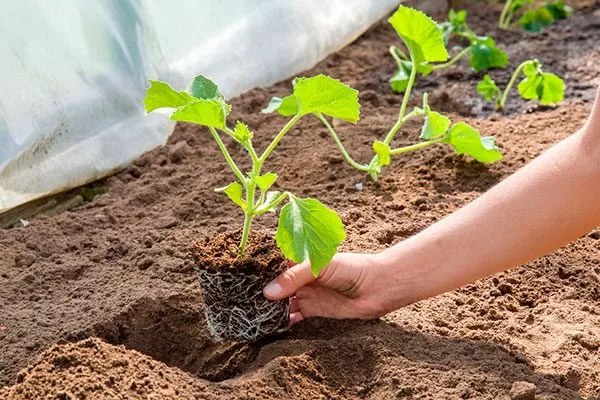
In warm climates, both direct seeding and seedling propagation are possible. However, in the more moderate climates of central regions, seedling propagation is recommended.
Important points:
- The best time to prepare seedlings is mid-spring. Sowing can begin only when nighttime temperatures remain around 14-16 degrees Celsius.
- This melon does not tolerate picking well, so this step should be excluded.
- The ideal soil for this variety is light and nutritious soil.
- When choosing a planting site, you should make sure that it is well lit and that melons have not been grown there in the last two years.
- The recommended sowing depth is 13-16 cm, and the optimal plant placement scheme is 65-75×145-155 cm.
- To achieve high yields, this variety requires careful care, including an appropriate watering schedule. At the beginning of the growing season, water every other day, using 500-600 ml of water per plant.
As the plant grows, the amount of water increases to 3-4 liters per irrigation. Once the melon begins to bloom, watering is reduced to once a week, and then stopped completely 10-12 days before harvest. - The first feeding should be done a couple of weeks after planting the seedlings, using an ammonium nitrate solution (15-25 g per 10 liters of water). The second feeding is recommended when buds appear, using mullein diluted in water at a ratio of 1:10.
After 20 days, the plants should be fed with superphosphates and potassium salt, at a rate of about 1 liter of the prepared solution per plant.
Cleaning and storage
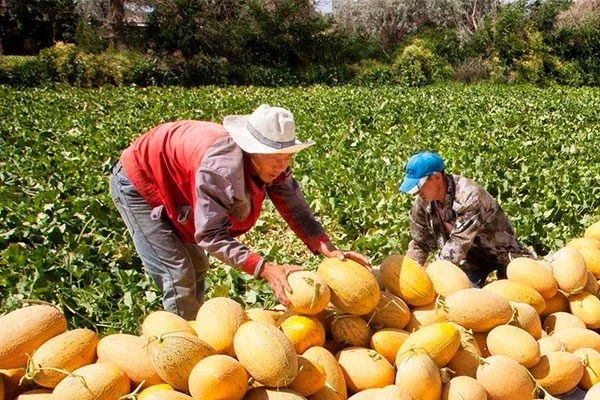
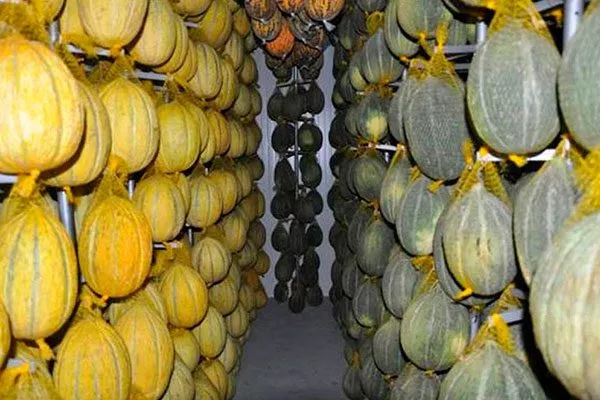
These melons can be stored for a maximum of 1.5-2 months. They are harvested during cool times of the day, either in the morning before the sun sets or in the evening. It's best to leave the harvested fruits on the ground for a few days, turning them every 5-7 hours, then store them in a cool, dry place.
Cleaning period
It's recommended to begin harvesting after ensuring the melon is fully ripe. It's important to note the fruit's color and the presence of the characteristic "net" covering its surface. Ripe fruits separate easily from the vine and have a distinct, evenly distributed net across the skin.
Storage rules
To ensure preservation, select melons that are undamaged and show no signs of decay. To prevent fruit from spoiling, store them in a manner that avoids direct contact, such as by placing sawdust between them or placing them at a distance from each other.
Diseases and pests - how to control them
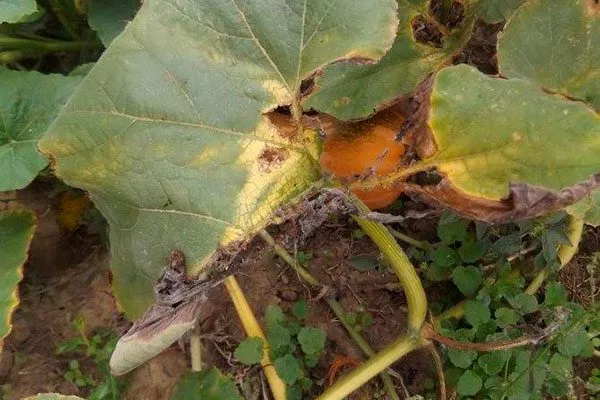
The variety is characterized by resistance to negative factors, but in case of unfavorable current weather or violation of agricultural practices, it may exhibit the following:
- powdery mildew with a characteristic whitish coating on the leaves;
- downy mildew with a yellowish coating;
- fusarium, affecting stems and leaves, especially dangerous for young shoots;
- copperhead, which is distinguished by the red spots on the leaves;
- melon aphid, which feeds on plant sap, usually on the underside of leaves.
| Method | Efficiency | Period of application |
|---|---|---|
| Spraying with a decoction of onion peels | High against aphids | At the first sign of pests |
| Soap solution | Average against powdery mildew | Preventatively and at the first signs |
To combat the aforementioned diseases and pests, both specialized products and folk remedies are used. One popular method is spraying with decoctions of onion peels or garlic, as well as soap solutions.
Reviews
The Pineapple melon is the epitome of an exotic yet expensive fruit. It's easy to care for and plant, boasts excellent characteristics, and produces high yields. It can be grown anywhere in the country.