
The Pineapple melon is a favorite among many growers, both novice and experienced. It's a low-maintenance, low-maintenance crop, and easy to care for. It boasts numerous advantages and high yields, easily achieved with simple farming practices.
Description of pineapple melon
It tolerates transportation well, even over long distances, and can be stored for long periods without chemical treatment. It can be stored for 1.5-2 months. The variety is adapted to various weather conditions and can withstand temporary temperature drops.
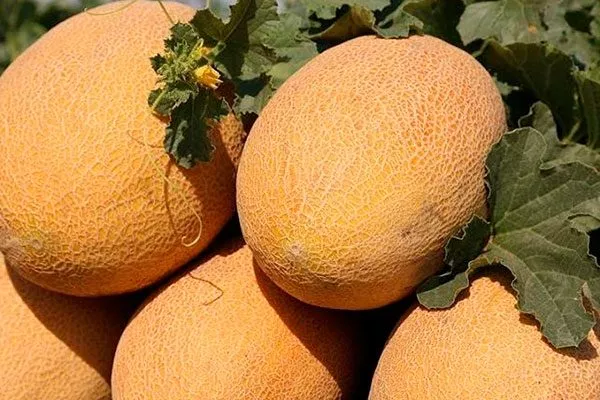
Main characteristics:
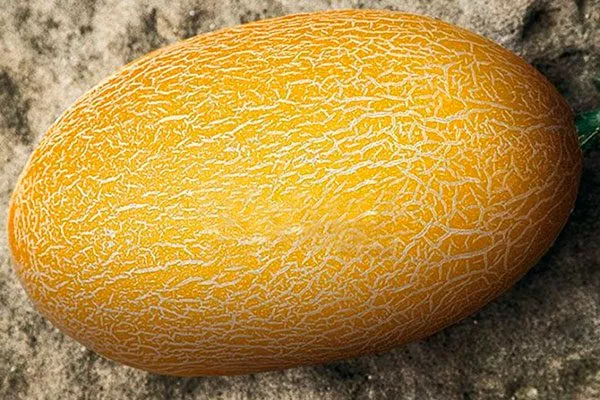
- Fruit painted in yellow-golden color.
- Peel dense but not thick, with a slight mesh pattern.
- Pulp tender, juicy, with a slight oily tint, light cream color.
- Form round, slightly elongated.
- Weight varies from 1 to 3 kg.
Varieties of pineapple melon
This variety served as the basis for the development of several hybrids that retain the characteristic pineapple-like flavor and aroma. Each has unique characteristics, including varying ripening times, sizes, shapes, and skin and flesh colors.
| Name | Ripening period | Fruit weight | Pulp color |
|---|---|---|---|
| Melon pineapple F1 | 90-100 days | 1.3-2.3 kg | creamy white |
| Melon Pineapple Americano | very early | 400 g | white |
| American Pineapple Melon | mid-season | 2.5 kg | cream |
| Pineapple melon Gold | mid-season | not specified | from bright yellow to orange |
Melon pineapple F1
This is a mid-season hybrid with a growing season of 90-100 days. Distinguishing features:
- Characterized by a simultaneous and abundant harvest, stable and long-lasting fruiting.
- It has a very sweet taste and aroma.
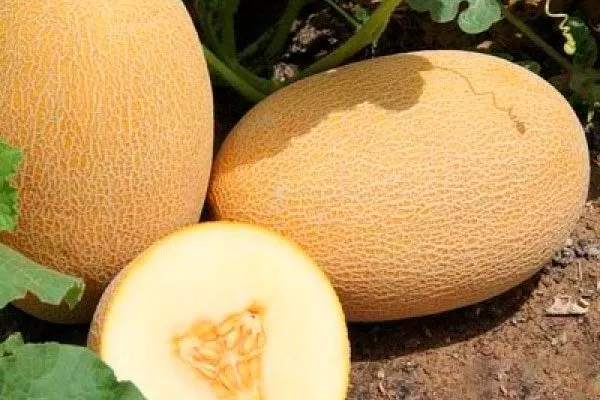
- It has a round-oval configuration and an average weight of 1.3 to 2.3 kg.
- The flesh is creamy white in color.
Melon Pineapple Americano
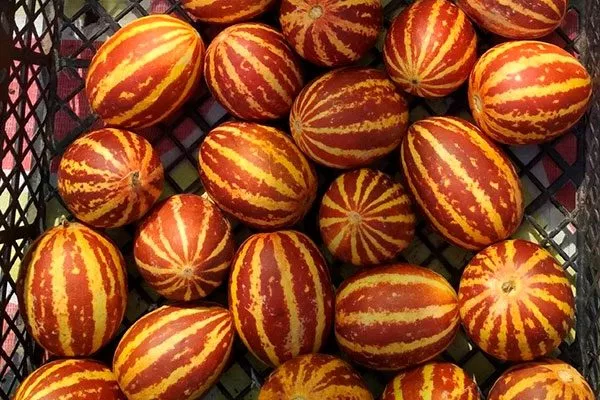
This ultra-early hybrid stands out among other varieties for its miniature size and unique coloring. The average weight is 400 g. It has an excellent flavor with notes of juicy pineapple. The light orange skin with dark brown stripes looks very unusual and decorative. The flesh is white, firm, yet very juicy.
American Pineapple Melon
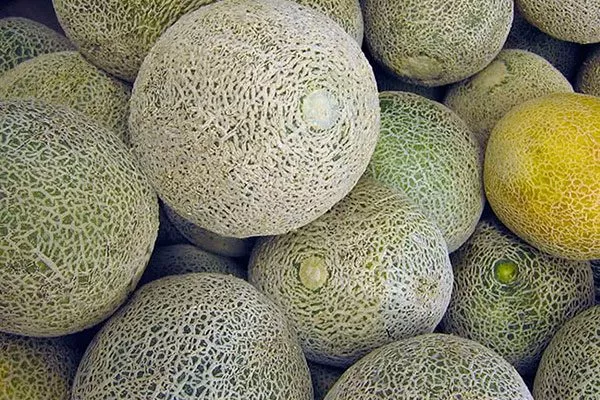
A mid-season hybrid that thrives in open ground. It is characterized by high yields and the ability to withstand late spring frosts. It has a round shape and weighs about 2.5 kg. The skin can be light green or beige. The flesh is creamy, juicy, and sweet.
Pineapple melon Gold
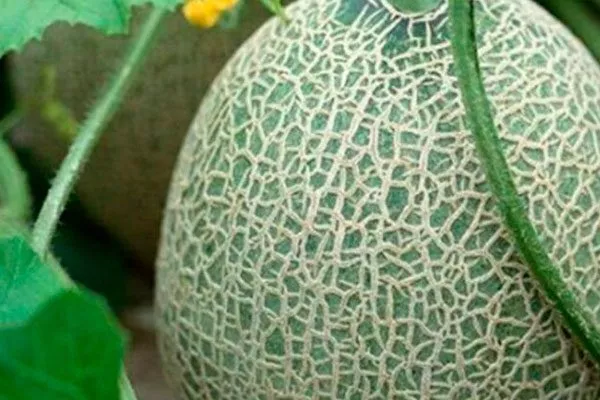
This mid-season hybrid is easily recognizable by its greenish skin, which has a slightly rough surface. The flesh ranges from bright yellow to orange, sometimes even reddish, with a distinctive green border at the base of the skin. It's very sweet, sometimes too sweet.
Chemical composition
Pineapple melon contains many beneficial substances, including vitamins A, B, and C, and minerals (iron, zinc, fluorine, sodium, potassium, calcium, chlorine, magnesium, phosphorus, iodine, and copper). It also contains amino acids and fiber.
Its low calorie content makes it an excellent choice for a diet. 100 g of the product contains only 39 kcal. The same amount of pulp contains 7.4 g of carbohydrates, 0.6 g of protein, and 0.3 g of fat.
Beneficial properties for the body and possible harm
Pineapple melon strengthens the nervous system and has a number of beneficial properties:
- Activates the immune system.
- Helps to fall asleep if you have insomnia.
- Improves the condition of nails, hair and skin.
- Increases hemoglobin levels and stimulates hematopoiesis.
- Promotes weight loss.
- Cleanses the body of waste, toxins and harmful cholesterol.
- It has a diuretic effect.
- Restores intestinal microflora.
Contraindications include:
- Stomach and intestinal ulcers.
- Diabetes mellitus.
- Breastfeeding period.
- Gastritis.
- Infectious processes in the gastrointestinal tract.
Ripening and yield
This mid-season, high-yielding variety requires ample light. It takes 80 to 100 days from germination to full maturity. It is a high-yielding variety. Under optimal growing conditions, 3 to 5 fruits can be harvested from a single bush.
Features of cultivation
For southern regions, direct seeding is recommended. In cooler climates, seedlings are preferred.
- ✓ Soil pH should be between 6.0-6.8 for optimal nutrient absorption.
- ✓ The soil must be well-drained to avoid waterlogging and root rot.
Select the appropriate method:
- Sowing for seedlings. Select large, mature seeds. Prepare light, fertile soil. Sow the seeds in pots or containers at a depth of 1-2 cm. Maintain a temperature of around 22-25°C and provide constant moisture until germination.
After two true leaves have formed, transplant the seedlings into open ground. - Direct sowing into the ground. Choose a sunny, wind-protected location for planting. Prepare the soil by enriching it with compost or humus. Sow the seeds into the soil at a depth of about 2-3 cm, spacing the plants 1-1.5 m apart.
Keep the soil moist until the seedlings emerge. Once the seedlings emerge, water and care for them regularly, monitor for weeds, and loosen the soil.
To ensure a rich harvest and protect plants, proper care is necessary, which includes the following measures:
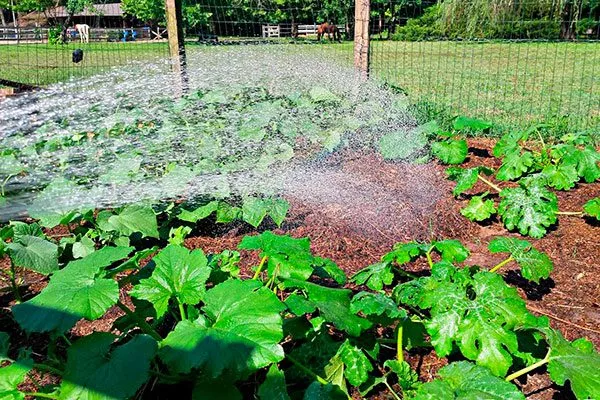
- Watering. Provide regular watering, initially applying 500 ml of water per bush. Gradually increase this amount to 3 liters. Reduce the amount of watering during flowering and fruit ripening. Stop watering a week before harvest.
- Top dressing. Feed the plant with organic or mineral fertilizers, especially at the beginning of the growing season and during fruit formation. This will help ensure good growth and development.
- Formation. Pinching the shoots is an important cultivation technique for this variety, as it affects yield. Fruits form on the third-order shoots. After the first 4-5 true leaves appear on a shoot, pinch the tip above the third leaf. Secondary stems will begin to emerge from the axils.
When the second-order shoots have 4-5 leaves, remove the lower shoot and pinch the tops of the two upper shoots. These will produce third-order shoots, which will produce flower stalks and then fruit.
Remove weak branches when the fruit buds reach 4-5 cm. Leave 5-6 shoots with no more than one fruit bud per shoot. This promotes a large and juicy harvest.
Harvesting
Signs of ripeness include a netted pattern on the rind, easy separation from the vine, yellowing leaves, and a distinct aroma. Harvest the melons with the stems attached. Harvest in the morning or at sunset. After harvesting, leave the melons in the garden for 3 days, turning them every 5 hours.
- ✓ Easy separation of the stalk from the fruit with slight pressure.
- ✓ The appearance of a characteristic aroma, which intensifies at the base of the fruit.
Diseases and pests
It is resistant to powdery mildew, late blight, and other fungal diseases. However, it can sometimes be susceptible to diseases common to other plants in the melon family.
Below are the main diseases and pests that can affect the crop, and their symptoms:
- Melon aphid. It sucks the juice from the plant, located on the back of the leaves.
- Wireworm. Drills holes and lays eggs inside.
- Copperhead. Causes the appearance of pink spots on the surface of leaves.
- Spider mite. Forms a thin web on the underside of the leaves, spreading it throughout the bush.
- Scoop. It feeds on fruits, leaving deep holes on their surface.
- Melon fly. Lays eggs inside, causing rapid rot.
- Fusarium. Affects young shoots, leaves and stems, making them lifeless.
- Powdery mildew. Covers leaves and stems with a white coating.
- Downy mildew. Infects all parts of the plant with a yellow coating.
As a preventative measure, add onion peels or eggshells to each hole when planting. Spray periodically with a solution of laundry soap or ash, whey, or onion and garlic infusions. Plant strongly fragrant plants, such as marigolds, around the area.
Advantages and disadvantages
The Pineapple melon, like any other plant, has both positive and negative qualities. Advantages of the variety:
Among the disadvantages, gardeners note intolerance to cold, demanding soil fertility, and susceptibility to pest attacks.
Pineapple Melon Reviews
The Pineapple melon is a high-yielding variety with excellent flavor and good varietal characteristics. Growing the crop doesn't require much time or effort, but proper care is essential, as it affects yield and immunity.
I planted the Pineapple melon two years in a row, but the fruits were too small. Thanks for the information on planting and care. Now I understand where I went wrong. First, the distance between the plants was 50 cm too small, and second, I didn't realize the stems needed to be trained. This year I'll follow the instructions strictly.