
The Amal melon is an early-ripening hybrid created by breeders for cultivation throughout the CIS. This variety requires careful care, but produces a large yield and can be easily transported over long distances.
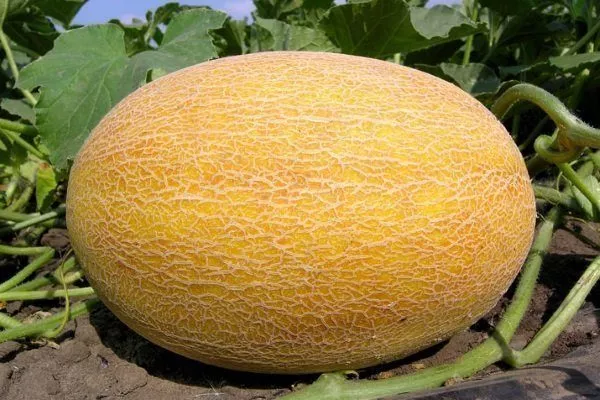
melon variety "Amal"
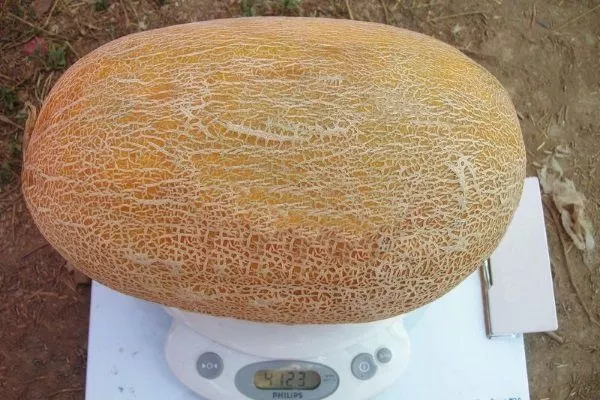
The average weight is about 3 kg, but fruits often reach a weight of more than 4 kg.
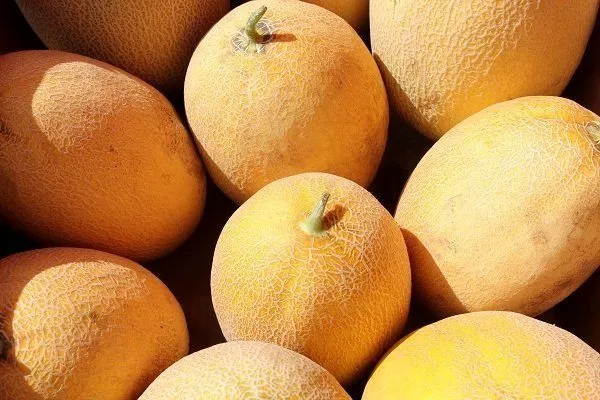
The Amal variety pleases gardeners with a good harvest and large fruit sizes
Description and characteristics of the Amal melon
The main advantage of this variety is that the hybrid has strong immunity to three major diseases: dry rot, downy mildew, and fusarium. Consequently, the crop will not be damaged by fungal diseases.
But the crop is valued not only for its strong immunity; its large, juicy fruits are especially important, with a single fruit weighing up to 3 kg. With proper cultivation practices, this can increase to 4 kg.
The Amal melon's fruits are long, with a creamy-yellow skin, smooth to the touch, and a thin mesh. The flesh is darker than the skin, creamy in color, with a rich flavor and aroma. The seed chamber is small. 100 grams of Amal melon flesh contains approximately 8% sugar. The plant boasts strong roots that extend along the soil.
By planting 7 thousand plants, you can get about 55 tons of harvest per 1 hectare.
The Amal variety ripens almost simultaneously. The thick skin prevents damage to the fruit, making it easy to transport. The plant is very demanding of its growing conditions. No excessive wind or drafts, regular watering, and pinching are essential.
Benefits and calorie content of melon
The delicious pulp of the Amala is rich in vitamins and microelements. The fruit is eaten to treat weakness, anemia, and low blood count. The melon has a soothing effect. 100 grams of pulp contains approximately 35 kcal, so it won't harm your figure.
However, there's another important factor: the speed of absorption. In this regard, Amal is inferior to other crops. The sugar contained in the fruit is absorbed very quickly, resulting in increased glucose levels. Therefore, diabetics should exercise extreme caution when consuming this product. The glycemic index is high, at 65 units.
Advantages and disadvantages
Benefits of Amal Melon:
- early ripening period;
- strong immunity;
- high yield;
- large fruits;
- excellent transportability;
- average drought resistance.
Disadvantages of Amal melon:
- low resistance to winds and drafts;
- poor growth at low temperatures.
An overview of the Amal melon is presented in the video below:
Features of cultivation
Realize planting melons in open soil This can only be done when the soil temperature reaches 16 degrees Celsius. The distance between seedlings is particularly important – about 0.6 m, and between rows – 1.5 m.
Place humus mixed with soil at the bottom of the hole, and place two or three seeds on top. This way, the gardener increases the likelihood that at least one sprout will emerge from the hole.
The seeds are planted 50 mm deep and watered. The stems should be above the watering hole. Avoid touching the seedlings while watering. After the first sprouts appear, remove the weak ones and leave the strong ones.
Preparing soil and seeds
Preparing the soil for planting includes three main stages:
- Plowing. If the soil is acidic, add lime or dolomite flour. Determining the acidity yourself is easy; just pour vinegar over the soil. If foam appears, the soil is alkaline; if it doesn't, it's acidic.
- Application of fertilizers. As a fertilizer, use humus and peat in equal parts.
- Disinfection. Process the seeds and prepare them for planting. Processing: soak the seeds in a potassium permanganate solution for about half an hour. Then place the seeds in warm water for 24 hours. They will "wake up" within 24 hours. Then place them on a damp cloth and keep them in a warm place. Discard any seeds that haven't sprouted.
Planting methods
The method for planting Amal melon should be chosen based on your region. If you live in a warm climate, you should sow the seeds directly into the soil; you won't need to grow seedlings. If warm weather arrives late in your area and the summer season is short, you'll need to start seedlings.
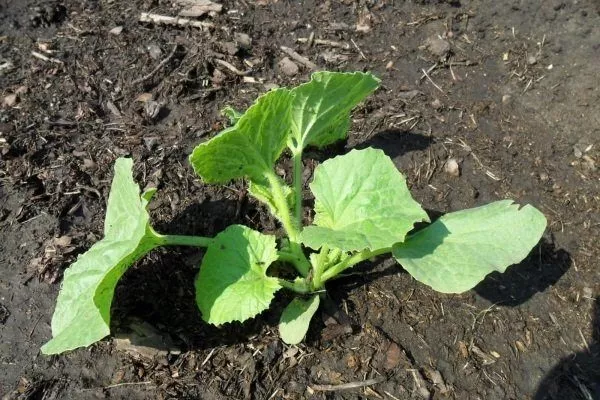
In the northern regions, the Amal melon is grown only in greenhouses; it will not bear fruit outdoors.
Seedling method
To ensure that seedlings take root quickly and germinate well, you should select the best seeds, without any damage, and with a thick “belly.”
The seeds are treated with a potassium permanganate solution to prevent the sprouts from picking up various diseases from the soil. They are placed in a damp cloth, covered with another layer, and left in a warm place. The seeds that have swollen are ready for sowing.
Sowing dates
The best time to plant seedlings in the ground is the first half of May. By this time, the soil has warmed up sufficiently and there will be no more frosts.
Care instructions
After planting the seedlings, water the holes thoroughly. Avoid getting moisture on the leaves and stems. Water the roots with warm water. This procedure is often performed at dawn, but as hot sunny days approach, it's postponed until late evening.
- ✓ Watering should be done exclusively at the roots, avoiding water getting on the leaves and stems to prevent fungal diseases.
- ✓ The water temperature for irrigation should not be lower than +20°C, so as not to cause stress to the plants.
From time to time, seedlings are watered with a solution of potassium permanganate, thus treating the soil for the presence of harmful microorganisms.
If necessary, loosen the soil, but do so very carefully to avoid damaging the roots. Loosening helps air reach the roots more quickly. Grass and other organic matter should not be stored near the plants; everything should be burned. Weeds grow for the first month, after which the melon prevents grass from growing.
A crucial part of Amal melon care is pinching out the side shoots. Only one fruit is left on the plant, the rest are removed, and pinched out after four leaves. The harvest should be done when the fruits have reached plum shape. One fruit—the strongest one—should be left on the plant.
When the first leaves appear, the plants are fed with minerals. Dissolve 2 g of superphosphate, 1.5 g of potassium chloride, and 1 g of ammonium nitrate in 2 liters of water. Repeat the same feeding 14 days later. If the soil is poor, add more potassium, and omit the nitrogen.
| Type of feeding | Compound | Periodicity |
|---|---|---|
| Mineral | 2 g superphosphate, 1.5 g potassium chloride, 1 g ammonium nitrate per 2 liters of water | 14 days after the first feeding |
| Organic | Humus and peat in equal parts | When preparing the soil |
If the fruit is left on the ground, its side can begin to rot, which is unavoidable. Place plywood or wood under the melons. Watering should be stopped 20 days before full ripening, giving them a chance to accumulate a lot of sugar; otherwise, the pulp will become watery.
Harvesting
The first harvest can be obtained in late summer. It's easy to tell when the fruit is ripe—the skin becomes darker. The fruit also separates quickly from the stem. After harvesting, the melons are spread out on the ground to dry slightly, turning them daily for five days.
If you want to transport the harvest, you need to pick it before it is fully ripe, so it will last longer.
Possible diseases and pests
Amal melon is resistant to many diseases and pests, but preventative measures are still necessary.
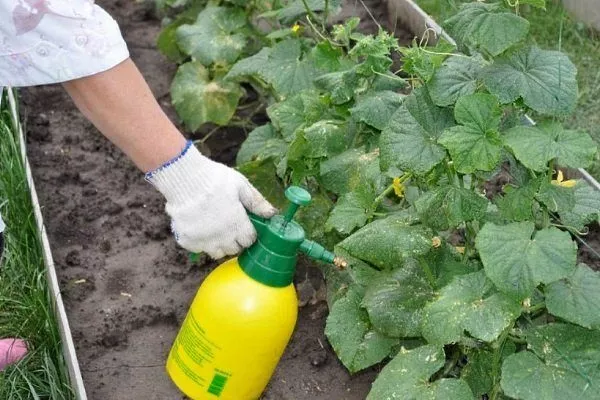
The main dangers of the variety and their treatment:
- Powdery mildew. Plants are treated with colloidal sulfur (80 g per 10 l of water).
- Peronosporosis. The disease is also called "downy mildew." A solution of potassium permanganate (1 g per 1 liter of water) is used for treatment.
- Fusarium wilt. It occurs on young shoots; the problem can be eliminated using a solution of potassium chloride.
- Copperhead. Bordeaux mixture (1%) saves fruits.
- Root rot. Formaldehyde solution (40%) is used.
- Melon aphid. Use Karbofos (60 g per 8 l of water) or laundry soap (100 g per 10 l of water).
- Spider mite. It is almost impossible to fight it with folk remedies, so the choice should be made on chemical preparations containing phosphorus or sulfur.
- Wireworm. Crushed eggshells (1 tablespoon per plant) repel insects.
Pests and diseases do not damage the Amal melon if the gardener follows all agricultural practices.
Helpful tips for growing
Experienced gardeners have compiled a short list of helpful tips for the Amal melon variety. To ensure a bountiful harvest, simply follow these tips:
- Melon can be crossed with more than just pumpkin. There are also crosses with pineapple. The hybrid tastes similar to melon, though not everyone likes it, but its appearance is quite different. The color is bright brown.
- Always treat the seeds in a solution of potassium permanganate before planting; this will prevent the plant from getting sick.
- Picking is carried out after 2 leaves appear.
- Seedlings are transplanted only when the saplings are strong enough, otherwise they will quickly die.
The Amal melon is an excellent commercial variety. With proper care, gardeners can harvest large quantities of delicious fruit.
Gardeners' reviews of the Amal melon
The Amal melon is an early-ripening variety. It requires careful care, but produces tasty and juicy fruits. It can thrive in southern and temperate climates, but is extremely difficult to grow in Siberia or the Yamal Peninsula.