
The Altai melon is a high-yielding, early-ripening variety. Originally developed specifically for cultivation in Siberia, its unique properties have since spread throughout Russia.
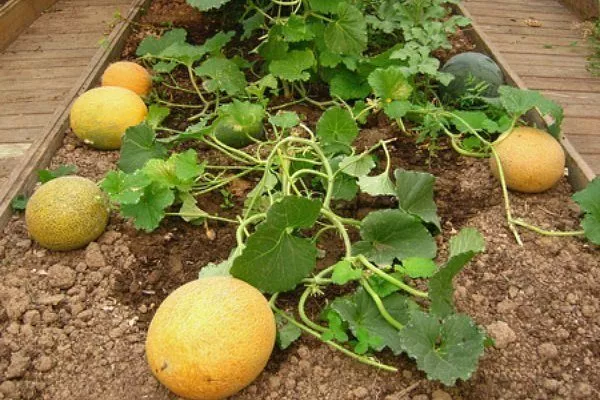
melon variety "Altai"
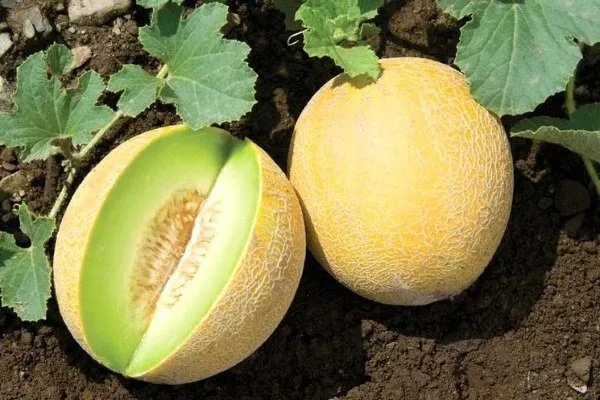
Among the variety of varieties, the Altai melon occupies a leading position
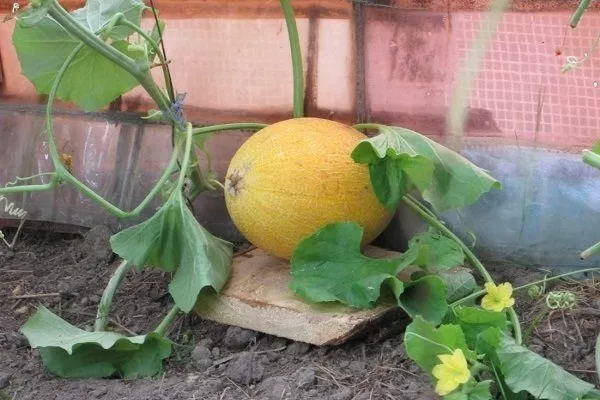
The main advantage of the Altai variety is that it can grow in regions with a cool climate
Characteristic features of the Altai melon
The variety produces its first fruits just 70 days after germination. It grows low, with a central stem reaching 2 meters in length. The leaves are large and green, and the flowers are large. The yield is excellent—approximately 25 tons of fruit can be obtained from 1 hectare.
The melons are oval, weighing approximately 1-2 kg each. The rind is thin, with a white mesh pattern. The flesh is firm and white. The melon has a sweet flavor with a strong aroma. The fruit is versatile: it can be dried, used in compotes, jams, and other preserves. Thanks to its thick skin, the Altai melon transports well. The harvest can be stored for a long time.
If the melon is slightly spoiled, its shelf life is reduced by 2-3 times.
Advantages and disadvantages
Advantages of the Altai melon variety:
- grows in cold regions (Siberia, Altai);
- excellent transportation;
- tasty and juicy fruits;
- high yield;
- early ripening of fruits.
Useful properties and calorie content
Melons have a positive effect on the human body, and their harm is minimal. Melon contains a large amount of vitamins, including A, B, C, and E. It improves energy and helps with anemia. Melon is beneficial for those with a deficiency of many elements in the blood, has a soothing effect, strengthens the cardiovascular system, increases energy, and raises hemoglobin levels.
The fruit is safe for dieters. 100 grams of melon contains approximately 35 kcal.
The intricacies of planting melons in open ground
This wonderful crop can be grown in open ground in your garden. Prepare the area in advance for planting.
- ✓ Optimum soil temperature for planting: not lower than +15°C.
- ✓ Required soil acidity: pH 6.0-6.5.
Scheme for planting melon in open ground:
- Dig up and loosen the soil, spread hay in several layers.
- Plant the sprouts, be sure to cover them with film.
- After June 20, remove the covering material and water the seedlings well.
- Fertilizer application is only permitted after the film has been removed. Simple ash has proven to be excellent for this purpose.
- Cover the beds with film at night.
- At the end of summer you can harvest the crop grown in open ground.
- Remember that this melon variety grows well in warm soil; protect the area from winds. If the soil is clayey, amend it with river sand. Use 0.5 buckets per square meter.
More information about growing melons in open ground can be found here. here.
Growing melons in a greenhouse
Based on the lunar calendar, it's safe to move the seedlings to the greenhouse at the end of May. Gardeners recommend planting the seedlings in soil 14 days later. The seedlings are planted 4-5 cm deep. Leave at least 1 meter between plants.
Altai melon is a climbing plant; to prevent the shoots from becoming ill from cold and wind, the seedlings are covered with film until they are fully rooted.
If the leaves have begun to wilt, it means the melon isn't getting enough water. Keep in mind that the Altayskaya variety doesn't like moisture on the root system. Fertilize once every 10 days during growth and when the fruit ripens. The greenhouse needs to be ventilated on warm days.
Features of cultivation and care
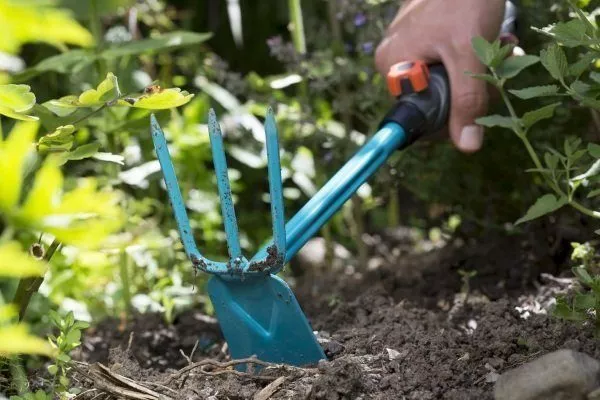
Caring for melons is very similar to caring for cucumbers. The main task is to provide regular and thorough care for the sprouts, fertilize them occasionally, loosen the soil, and ensure air access to the root system.
Seedling method
Before planting, soak the melon seeds for a couple of minutes in a 2% saline solution. Fill the pots with a special substrate made from equal parts of turf and peat. After planting, cover the containers with plastic wrap or special transparent glass.
Place the seedling pots in a warm room, with temperatures no higher than 18 degrees Celsius. The room should be well-lit; an east-facing windowsill is a good option. Water regularly with lukewarm water using a spray bottle.
Sprouts will begin to appear on the fifth day after planting. After a couple more days, all the melon seeds will have sprouted. Sprouts don't tolerate transplanting, so plant 1-2 seeds per small container.
If the seedlings appear weak and lifeless, they should be fed with nitrogen-containing fertilizer. Once the third leaf has formed, the seedlings can be transplanted.
Seedless method
Melon seeds can be planted directly in open soil, but only if you live in a temperate climate. Sowing occurs as soon as the threat of spring frost has passed, which is usually in May. The seeds are also treated with a saline solution. The seed spacing is 0.5 x 0.7 m. Avoid overcrowding, as this will negatively impact the sprouts.
The seedlings should be covered with any material, preferably plastic film. Remove it only when sprouts begin to emerge. The plant should be pinched above the fourth leaf.
The seedlings require care, they need to be watered, the soil loosened and weeds removed.
Soil preparation
Melons don't thrive in shade, so choose a sunny, draft-free spot for planting. In the fall, the soil is tilled and organic and mineral fertilizers are added. A certain amount of fertilizer should be applied before planting. Manure should be applied at a rate of 4 kg per square meter.
The Altai variety produces a rich harvest in loose soil, so river sand should be added to heavy soil. 0.5 buckets per square meter is sufficient.
Landing
Even an inexperienced gardener can plant Altai melon, but it is still necessary to follow certain rules.
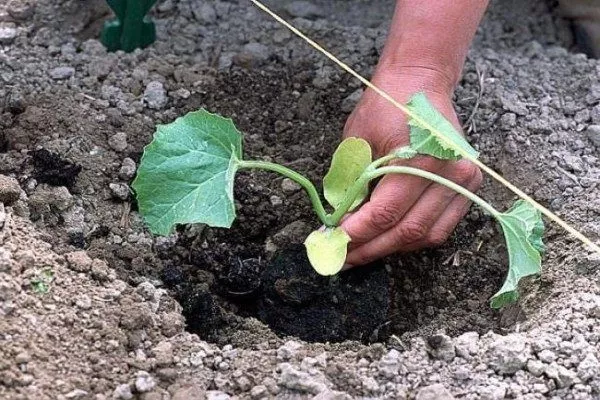
Basic rules for planting melons:
- The planting pattern in a greenhouse is 0.6-0.7 m, in a garden bed 1-1.4 m. Furrow depth is 50 mm. Before planting, add water to the hole and add a handful of compost to the areas where the seed or seedling will be placed.
- Carefully remove the sprout from the container and place it in the furrow so that the soil ball in which the seedling grew is slightly above the surface of the soil.
- After planting, water the seedling and protect it from the sun with a sunscreen. If you're growing the plant in regions with extreme temperature fluctuations, cover the plantings with plastic film at night.
The Altayskaya variety requires pollination, so a hive or fan is brought into the greenhouse before planting. If there aren't enough plants, pollination is done artificially using a cotton swab or brush.
Caring for seedlings
Temperature is key: seedlings should grow at 22 degrees Celsius, and should not be allowed to fall below 15 degrees Celsius. The plant thrives in warmth, but don't overdo it, remembering that this variety was developed specifically for the Siberian region.
Humidity should be around 60%. Anything higher will cause the plant's stem to rot, while anything lower will prevent the melon from developing properly.
It's important to monitor watering; young plants are very sensitive to soil moisture levels and will begin to rot and become diseased if the soil is not moist. Water only when the soil is truly dry to a depth of 50 mm. The water should be filtered or settled.
A direct stream of water should not be used; a spray bottle should be used; this gardening tool will help distribute moisture evenly over the soil surface.
Daylight hours should be approximately 14 hours. Place the seedling containers on a south-facing surface, turning on the light for a couple of hours in the morning and evening. Proper care will help gardeners achieve not only a tasty but also a bountiful harvest in a short period of time.
Harvesting and storage
The fruits can be harvested 70 days after planting the seedlings in open soil. Ripeness is determined by the yellowing of the skin.
- ✓ The stalk begins to dry out and easily separates from the fruit.
- ✓ The appearance of a characteristic melon aroma.
The size of the melon does not matter – even the largest fruit may still be unripe.
For early-ripening melons, the fruit diameter should be at least 0.1 m. The fruit is harvested with the stalk attached, preferably early in the morning before the heat sets in, or in the evening.
The picked melons are placed in single layers on the beds and sun-dried for about two weeks. Every five days, the melons are turned over to ensure better preservation. The harvest is then placed in boxes or lined with straw and stacked in a single layer.
A review of the ripe Altai melon variety is presented in the video below:
Diseases and pests
The Altai melon is susceptible to diseases, its main enemies being powdery mildew, copperhead, and fusarium wilt. These diseases can be identified by the appearance of spots of varying shades on the leaves, and the plant begins to dry out and wilt.
To prevent Altai melons from dying from pest attacks, gardeners use a method of alternate planting of crops and also try to prevent the occurrence of diseases through preventative measures.
The most important preventative measure is pre-sowing seed soaking in a salt or potassium permanganate solution. As for insects, beware of spider mites, aphids, and tobacco thrips. Modern pesticides such as Maxi, Fitovera, and Kemofox are used to control them.
Gardeners' reviews of the Altai melon
Altai melon seeds can be purchased at any gardening store or market. This crop is characterized by its early ripening period and low maintenance, making it easy for any gardener, even a beginner, to grow in their own garden.