
Top Hut Blueberry is a stunning plant that looks attractive in any season. Most importantly, this hybrid variety produces very large and delicious berries, harmoniously combining the best qualities of blueberries and bilberries.
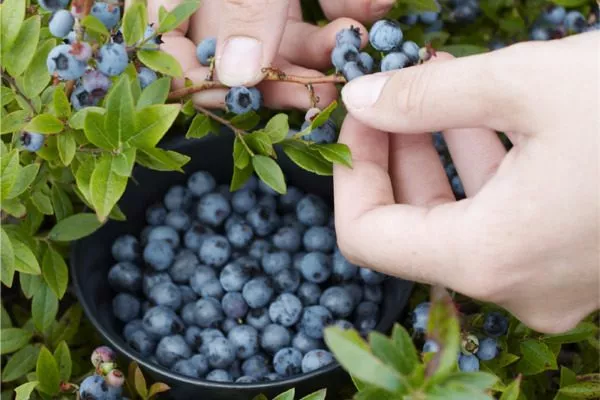
Who and when developed the Top Hat variety?
The Top Hat blueberry, according to some sources, originated in North America. It was created by crossing lowbush blueberries and bush blueberries.
Description of Top Hut blueberries
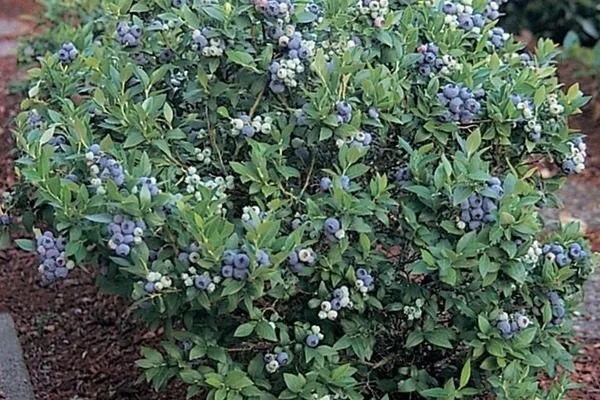
The Top Hut blueberry is a bushy plant that looks truly decorative. It becomes especially beautiful when the berries are ripe.
Bushes
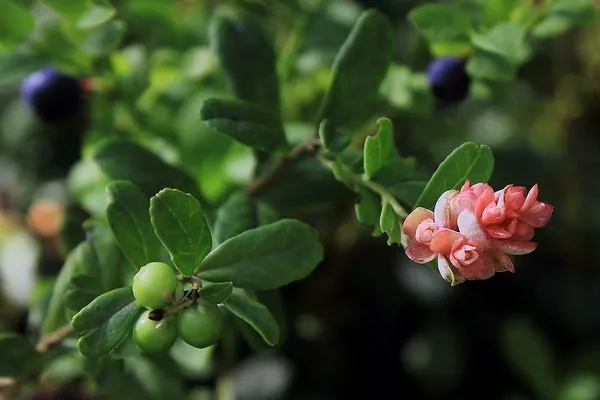
Top Hut blueberry bushes are low-growing and lush. Their crown is spherical and spreads vigorously. The bushes reach 30-50 cm in height. The leaves are green, glossy, and medium-sized. The flowers are large, creamy white.
Fruit
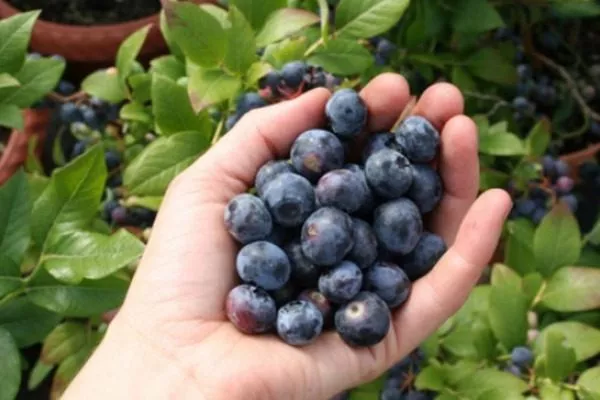
Top Hut blueberries are quite large. Their seeds are small, almost invisible.
Brief description of berries:
- The color of the berries is bluish-black.
- The shape is round.
- Weight: from 2 to 5 g.
Characteristics
Top Hut blueberry has excellent agronomic characteristics, allowing it to be successfully grown in a wide variety of conditions.
Ripening time
Top Hut blueberry is an early-ripening variety. Flowering begins in May-June. Ripening occurs in July-August.
Pollination
The Top Hut blueberry variety is completely self-pollinating and therefore does not require additional pollination.
Frost resistance
The variety tolerates cold well; it is frost-hardy and can withstand temperatures down to –35°C. Thanks to its increased frost resistance, this berry can be grown in regions with harsh winters.
Productivity
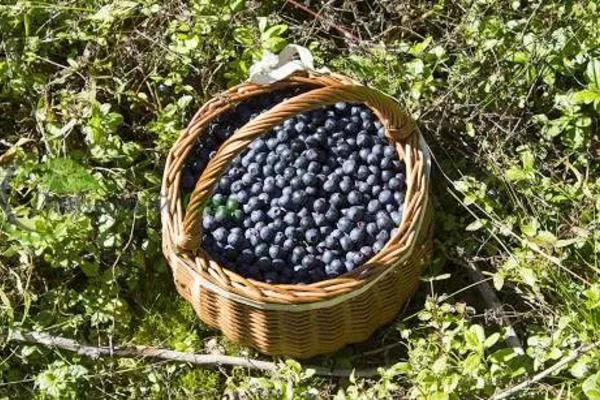
Top Hat blueberries are highly productive. Gardeners harvest 1.5 to 2.5 kg of berries or even more from each bush. The yield depends largely on growing conditions and care.
Regionalism
Top Hat blueberries are grown in almost all regions of the country, including the polar Urals, the Far East, throughout central Russia, and the Leningrad Region.
Taste, benefits and purpose
Top Hut blueberries are sweet, slightly tart, high in vitamin C, and have a stunning aroma. Due to their decorative qualities, they are popular in landscape design. The berries are eaten fresh, frozen, used to make jams, preserves, marmalades, liqueurs, and liqueurs, and used as a filling for baked goods.

Pros and cons of growing the variety
Top Hut blueberries have many advantages that berry lovers can't ignore. But before planting this variety in your garden, you should familiarize yourself with all its advantages and disadvantages.
Pros:
Cons:
Growing options
Top Hut blueberries can be grown in a variety of ways. Each method has its own cultivation and care requirements.
Top Hat blueberries are grown:
- In open ground. This option is suitable for growing seasonal berries in most regions of the country.
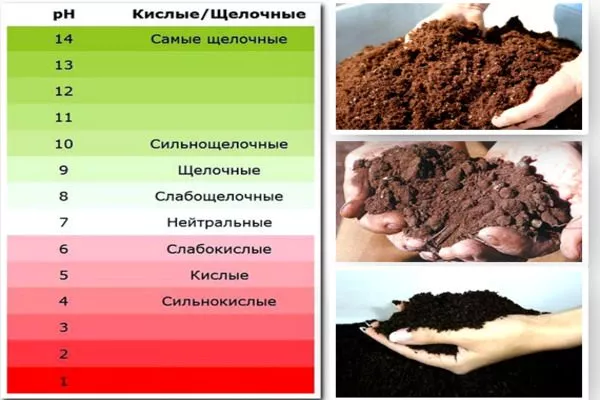
- In pots. Blueberries should be planted in containers at least half a meter in diameter. The pots are filled with compost or a special substrate with a pH of 4.5-5.5. When growing blueberries, it's important to provide them with at least six hours of light per day.
- Indoors. Under film and in heated greenhouses, berries are grown mainly in the off-season.
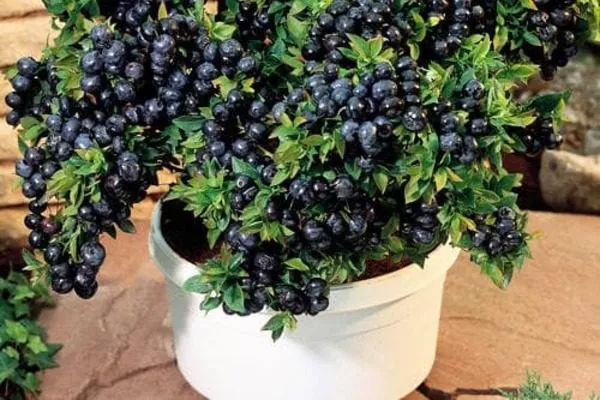
Top Hut blueberries, grown in containers and pots, can be placed both in the garden and on verandas, terraces, and balconies.
Landing
To get a good harvest of berries, it's important to plant blueberries correctly. They can be grown from seeds or from seedlings—the latter option is preferable, as it allows for quicker results.
Planting dates
Top Hut blueberries are planted in the ground from April to June or from August to October. Gardeners generally prefer fall planting, as the plants, having gained strength, enter the growing season stronger than their spring-planted counterparts.
Selecting a site
To ensure Top Hut blueberries grow and thrive, the bushes are healthy and beautiful, and the berries are large and tasty, it's important to choose the right planting location.
Features of choosing a site for Top Hut blueberries:
- Sunny and semi-shaded areas are suitable. If planted in the shade, blueberries will become too acidic. Trees don't interfere with the plants' growth; in fact, they will protect them from direct sunlight while still providing adequate diffused light.
- The optimal soil for growing blueberries is acidic and well-drained. Blueberries prefer moist soils and high humidity. A nearby body of water is a good option; blueberries can be planted on its banks.
- The area where blueberries grow should be protected from cold, draughty winds—a hedge, a solid fence, a building, etc.
Site preparation
Prepare the planting site in advance. Dig the soil to the depth of a spade. Add high-moor peat, rotted pine needles, and leaf compost. If the soil isn't acidic enough for blueberries, add 200 grams of sulfur per square meter. You can also acidify the soil by adding citric or oxalic acid.
Growing seedlings
Top Hut blueberry seeds are readily available from reputable agricultural companies. You can also harvest your own blueberries by crushing ripe berries to gently extract the seeds. Be sure to dry them thoroughly before sowing.
Features of growing blueberries from seeds:
- Seedling containers are filled with a nutrient-rich substrate. Ready-made, highly acidic soil mixes for rhododendrons, heather, or blueberries are suitable.
- You can prepare the soil mixture yourself, for example, by mixing high-moor acidic peat, sand and pine litter (or bark).
- Place drainage material at the bottom of the planting pots, and top with soil. The soil is leveled and moistened, after which the seeds are sown and moistened with warm, settled water from a spray bottle.
- Cover the seed containers with plastic wrap and place them near a window. The optimal temperature is +5…+10°C. Seedlings will appear in 2-4 weeks; once this occurs, remove the cover immediately.
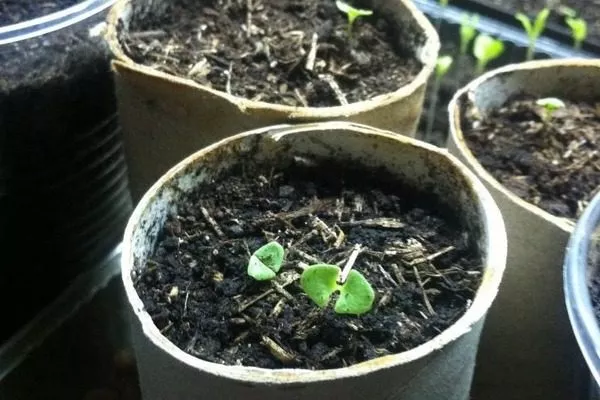
- Seedlings require careful care, regular watering, and feeding. In winter, water only once a week. Any water that drains into the tray should be discarded immediately to prevent overwatering, which can cause root rot.
- Fertilizing seedlings isn't necessary, but if you decide to fertilize them, use a complex mineral fertilizer containing nitrogen. A mixture of peat, leaf mold, and sawdust is also suitable.
- In the spring, blueberry seedlings are transplanted into individual pots. The seedlings are watered and fertilized regularly.
Seedlings can be transplanted to a permanent location only two years after sowing. Fruiting begins at three years of age.
Transplanting
Ready-made seedlings are planted in spring or fall, preferably in cloudy, windless weather. Prepare for planting in advance by digging planting holes and filling them with a nutritious soil mixture.
Features of planting Top Hut blueberry seedlings in a permanent location:
- A month before planting, dig a hole for the planting. The diameter should be about 1.5 m and the depth should be 0.6 m. If you're planting several plants, dig furrows, not holes, measuring 1.5 x 0.6 m.
- The soil removed when digging the hole is mixed with leaf soil and peat chips in a ratio of 1:2.
- Planting of seedlings begins 3-4 weeks after preparing the planting hole. Before planting, the holes are watered.
- Bare-root seedlings are prepared for planting in advance by immersing the roots in water for several hours.
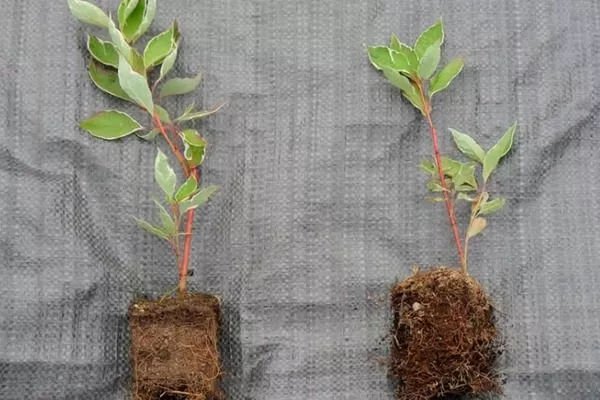
- Seedlings with closed roots are transplanted into planting holes using the transshipment method, along with the root ball, which is carefully loosened. The empty space is filled with soil and then carefully compacted.
- Planted blueberries are watered with warm, settled water, and when it is absorbed, the root zone is mulched with peat, sawdust, freshly cut grass, etc.
Care
Top Hut blueberries require specific care, with maintaining adequate soil moisture being paramount. Blueberry beds also need to be loosened, weeded, and mulched.
Watering
Top Hut blueberries thrive in moist soil, so they need regular watering, preventing them from drying out. In summer, blueberries should be watered at least twice a week, doubling the frequency during hot weather. Use settled, filtered, or rainwater.
To determine if it's time to water your blueberries, check the soil moisture at a depth of 15-20 cm. The soil should be moist, but not soggy. If the soil is dry, water the blueberries as soon as possible. It's recommended to periodically water the beds with a citric acid solution and mulch with pine sawdust to maintain optimal soil pH.

Top dressing
Top Hat blueberries require virtually no fertilizing. The key to a good harvest is optimal growing conditions (partial shade, midday shade, moist soil, and proper acidity).
Loosening
The soil in the beds is loosened periodically to ensure air reaches the roots. Loosening is done very carefully to avoid damaging the root system.
After watering and loosening, the soil is mulched with peat, sawdust, or another suitable mulch—a 4-5 cm layer. Mulching helps retain moisture and prevents weed growth.
Pest and disease control
Top Hat blueberries have good resistance to diseases and pests, but under unfavorable growing conditions, care errors, and other negative factors, the risk of damage increases.
Blueberry Top Hut most often suffers from the following diseases:
- Gray rot. This fungal disease is accompanied by the appearance of a gray, fluffy coating. If left untreated, plants can rot completely. It usually occurs in cool weather combined with high humidity. Treatment is with Fitosporin-M or its equivalent.

- Rust. This fungal disease is accompanied by the appearance of orange spots and usually occurs during rainy periods. To combat the infection, use products such as Fitosporin, Topaz, and others.
- Cancer stem. It causes sunburn-like spots to appear on stems. These spots eventually spread, and if left untreated, the plant dies fairly quickly. Recommended treatments include Topsin or Fundazol.
The biggest threats to Top Hut blueberries are scale insects and aphids, which suck the sap from the plants, causing them to turn yellow, wither, and die. Blueberries can also be attacked by thrips, blueberry weevils, and flea beetles, oriental beetles, and Japanese beetles.
Harvesting and storage
The berries are harvested in July and August; they ripen gradually, with the harvest lasting for a month and a half. The berries are picked when they are fully ripe—they easily fall off the branches. This makes it easy to determine the ripeness of the berries.
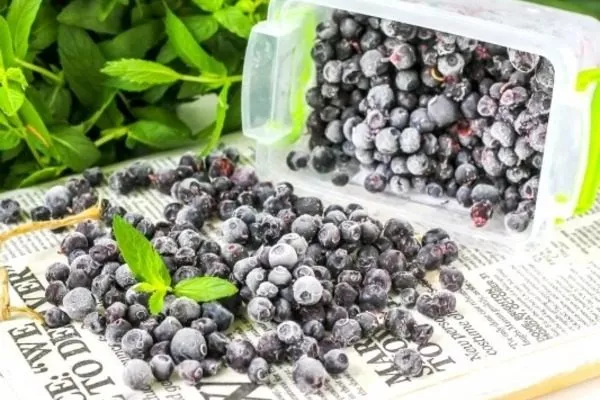
Blueberries can be stored in a variety of ways, including drying, freezing, and canning. Fresh berries can be stored at room temperature for up to three days, and in the refrigerator for up to a week. During this time, blueberries retain their appearance and flavor. Frozen berries can be stored for about a year.
Reviews
Top Hut Blueberry will delight both berry lovers and ornamental plant enthusiasts. This variety offers a rare combination of flavor and visual appeal. Growing this plant requires time and care, but the results are well worth it.