
Japanese blueberry is a unique plant with high ornamental value and healthy berries. It thrives in acidic soils and is resilient to adverse conditions. Its low maintenance and ability to produce juicy, aromatic fruits make it an increasingly popular choice for both novice and experienced gardeners.
Botanical description and characteristics
Japanese blueberry, or Vaccinium japonicum (Hugeria japonica) is a deciduous shrub growing from 40 to 200 cm in height.
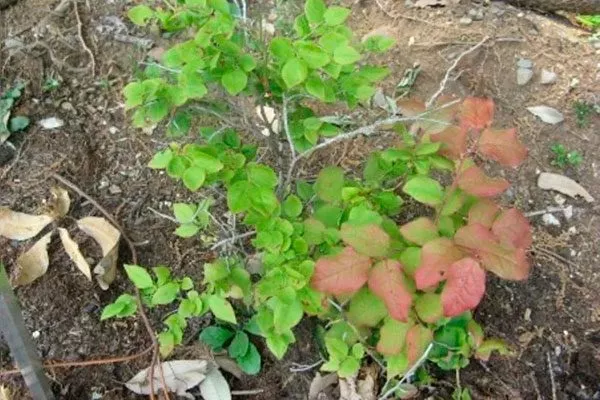
Key Features:
- Escapes – naked, angular, slightly flattened.
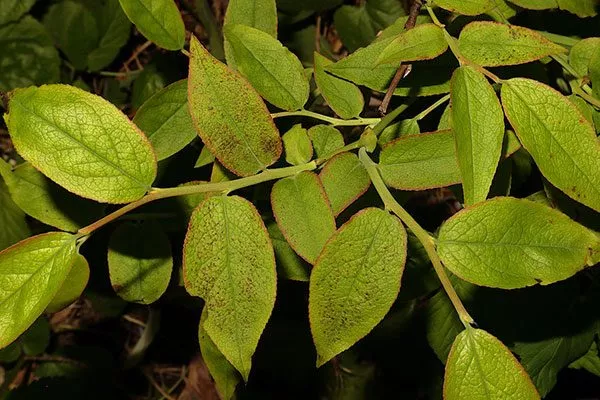
- Leaves - The leaves are sparsely arranged, on short (1-2 mm) petioles, and can be smooth or slightly pubescent beneath. Young foliage is often tinged with red. The leaf shape varies from ovate to ovate-lanceolate, ranging from 2 to 6 cm in length and 0.7 to 2 cm in width. The underside is nearly smooth or slightly pubescent at the base.

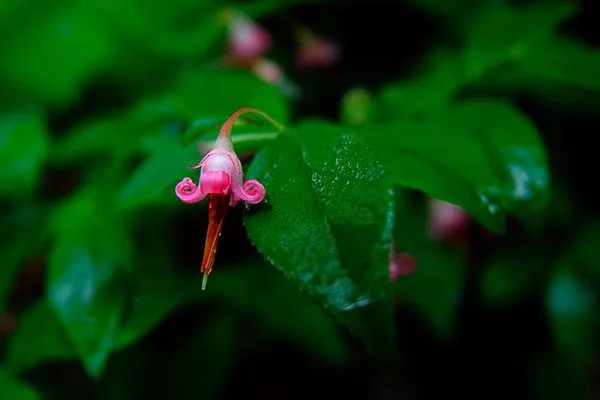
- Flowering – Observed in June-July. The flowers are white or pinkish, medium-sized, four-membered, and borne singly in the leaf axils on drooping peduncles at the base of young shoots. The blooms are lush, decorative, and conspicuous.
Fruit characteristics
Japanese blueberries ripen late, from August to October. Their distinctive characteristics include:
- form - round, about 0.5 cm in diameter;
- skin – painted bright red;
- taste - pleasant, making the fruits suitable for culinary use.
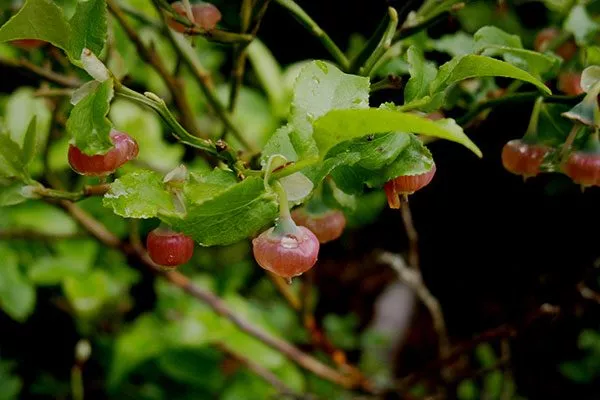
Blueberries are eaten fresh or used to make compotes, jams, and desserts. Besides their flavor, they are prized for their rich nutritional value—they contain numerous vitamins and nutrients.
Growing conditions and care
When cultivating this crop, it's important to adhere to certain agricultural requirements, as the plant is sensitive to environmental conditions. Only with proper care will the bush thrive and bear fruit abundantly.
Sunlight requirements
Vaccinium japonicum prefers well-lit areas. Insufficient sunlight affects flowering and reduces yield.
Ideal temperature
Vaccinium japonicum includes many varieties adapted to different climates. However, to fully bloom, the plant requires a dormant period with cooler temperatures – below 7°C.
Dwarf and northern highbush blueberry varieties typically require at least 800-1,000 chilling hours, while southern varieties, such as 'Rabbiteye,' require 350-700 chilling hours. When choosing a variety, consider its cold tolerance and chilling requirements.
The plant's root system is superficial and fibrous, making it sensitive to drought and overwatering. The roots form a symbiotic relationship with mycorrhizal fungi, ensuring efficient absorption of moisture and nutrients. Therefore, it is important to regularly monitor soil moisture and avoid sudden fluctuations.
What is the best soil for Vaccinium japonicum?
Japanese blueberries are native to forest edges and thrive in acidic, humus-rich soils formed by fallen leaves and branches.
Basic requirements:
- Loose, permeable soils with a pH of 3.8 to 5.5 are considered most suitable, with an acidity of around 4.5 considered optimal. Sandy and sandy loam soils are ideal.
- If the soil's pH exceeds 5.5, it can be adjusted. To do this, add 10-15 cm of peat moss to the topsoil (0-15 cm) and mix thoroughly. Peat not only acidifies the soil but also enriches it with organic matter.
- If the pH is above 7, it is recommended to create raised beds 20-30 cm above ground level and fill them with a suitable acidic substrate. It is important that the root system is completely covered with soil of the desired acidity.
How to plant?
When growing Japanese blueberries, it's important to follow a number of guidelines to ensure good survival and healthy growth. Follow these recommendations:
- Choose two- or three-year-old seedlings grown in cassettes with a base trunk diameter of at least 5 mm.
- Store bare-root plants: these specimens can be kept temporarily in a damp, dark place. Keep the humidity moderate enough to prevent the roots from drying out, but avoid standing water.
- Before planting, soak the plant with an open root system in water for 3-4 hours.
- The best time for planting is late winter or early spring, before new buds begin to grow.
- Planting two or more varieties with the same flowering period together increases the fruit set and weight.
- Maintain distance between bushes: for larger plants, increase the planting interval to ensure full development.
- When planting a seedling growing in a container, first keep the pot in a shady, well-ventilated place for about a week to allow it to adapt.
- Avoid areas where cold air accumulates, especially on slopes - this will help protect flowers from frost.
- Provide adequate watering immediately after planting.
- Maintain a 5-10 cm layer of organic mulch (chopped wood chips, peat, pine needles, leaves) throughout the first year after planting.
- Mulch helps maintain the correct pH level, but since organic matter decomposes annually, check the pH regularly. If the pH rises above 5.5, the roots lose their ability to absorb iron. This can result in reddening of the leaves at the edges, stunted growth, and even death of the plant.
- Use acidic peat moss for a slower effect or spray the plant with chelated iron when deficiency symptoms appear. Powdered sulfur can be added to quickly lower the pH.
How to water?
For full growth, Vaccinium japonicum requires regular watering, especially in summer. Since the plant prefers sandy and sandy loam soils with low water retention capacity, adjust your watering according to weather conditions:
- when it is hot, water every 2-3 days;
- deep watering is recommended at least once a week;
- From the moment of planting until leaf fall, the bush needs an amount of water equivalent to 25 mm of precipitation per week, and during the fruiting period this rate increases to 40 mm;
- In autumn, gradually reduce the amount of watering to stimulate the plant to enter a dormant period.
Maintaining a stable water regime is especially important in sandy soils to avoid drying out and stress, which affects yield and plant health.
How to fertilize Vaccinium japonicum?
The crop doesn't require much fertilizer, but if shoot growth is slow or leaves are losing their green color despite proper soil acidity, it's worth adding nitrogen. Ammoniacal nitrogen is the most suitable form.
Fertilizer recommendations:
- young plants – Feed twice: at the beginning and at the end of spring;
- adult bushes – Apply nutrition in the fall or winter, after flowering has finished.
How to trim?
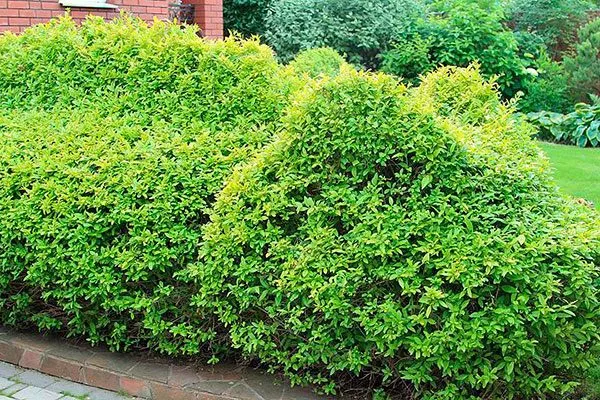
Vaccinium japonicum is prized for its decorative foliage and vibrant berries. Regular pruning is essential to maintain its attractiveness. This should be done in early spring, before active growth begins.
Key recommendations:
- remove dead, damaged and weakened branches;
- Thin out dense areas to improve air circulation and light access inside the bush.
Pruning stimulates vigorous growth and abundant flowering. It helps maintain a neat shape and healthy structure throughout the growing season.
How to propagate?
You can increase the number of seedlings in your garden yourself. There are two optimal methods:
- Cuttings. For tall varieties, it's recommended to use woody branches, while for Rabbiteye blueberries, use soft, tender shoots. For dwarf varieties, both options are suitable. Take cuttings from strong, healthy plants free of disease and pests, preferably in late spring or early summer.
Select one-year-old vegetative branches approximately 20 cm long. Cuttings from the lower part of the bush (basal) have a higher rooting capacity than those from the upper part.
The top cut should be straight and the bottom cut at an angle. Leave only one top bud on the cuttings. Place the cuttings in moist soil, ensuring contact with the soil for better rooting. - Dividing the bush. Carefully dig up the plant and wash the roots. Using clean, sharp scissors, divide the underground stem into several sections—independent plants. Fill the planting hole with a mixture of peat and sand with an optimal pH.
Spread the roots of each divided plant in the planting hole, then carefully cover them with soil, compacting it.
How to assemble?
Fruiting lasts for several weeks, and the berries ripen to a bluish-black color. Due to uneven ripening, harvest the berries in batches:
- during the period of full ripening – every 2-3 days;
- at the initial and final stages of fruiting – every 3-4 days.
Complete the harvest before the first frost. Wear gloves when picking berries to avoid damaging them. Gently hold ripe fruits and rotate them clockwise to preserve the integrity of the skin and prolong shelf life.
Common pests and diseases
If not properly cared for and grown in suitable conditions, Japanese blueberries can be susceptible to a number of problems that reduce their yield and overall health.
The most common ones are:
- Brown spot. It manifests itself as the appearance of brown spots with clear boundaries on the leaves, which over time can merge and lead to premature leaf fall.
To combat the disease, remove and destroy affected leaves, treat with fungicides and ensure good air circulation around the bushes. - Lack of nutrients. This is accompanied by yellowing or pale leaves, stunted growth, and poor fruiting. In such cases, adjust your fertilizers by adding nitrogen, phosphorus, and potassium fertilizers, and also monitor the soil's acidity.
- Caterpillars. They feed on leaves and young shoots, causing damage and deformation. Collect the insects by hand and, if necessary, apply biological or chemical insecticides.
- Leaf weevils. Small beetles that damage leaves by puncturing them and causing characteristic holes. Control involves mechanical removal of the pests, the use of insecticides, and maintaining healthy plants to enhance their resilience.
Questions about Vaccinium japonicum
Gardeners often encounter difficulties growing Japanese blueberries due to the specific care requirements and plant requirements. Below are answers to frequently asked questions that will help you overcome the main challenges and maximize your success in growing this crop.
Why is my vaccinium japonicum bearing less fruit or not at all?
Vaccinium japonicum grows primarily vegetatively during the first 2-3 years. A bountiful harvest takes more than 5 years, and the shrub reaches full growth after 8-10 years.
Why are my vaccinium japonicum fruits turning black and falling off before harvest?
This can be caused by insufficient watering in the summer or, conversely, by overwatering after the fruit begins to grow. Large farms typically use commercial irrigation systems, leading to the perception that the plant requires a lot of water.
However, the plant actually prefers to grow in soil without stagnant moisture. During the growing season, it's important to provide the soil with alternating dry and wet phases.
Reviews
Japanese blueberries combine aesthetic appeal with a wealth of nutritional properties. With proper care, they offer a stable harvest and a long fruiting period. Given their characteristics, they make an excellent addition to the garden for those who value taste and health, and who want to grow a rare and beautiful crop.