
Red blueberry is a low-growing shrub that attracts attention not only for its decorative qualities but also for its nutritious berries. The fruits have a sweet and sour taste and are a rich source of vitamins and microelements. The plant is ideal for growing in home gardens, and the fruits are used in cooking and folk medicine.
What is the name of red blueberry?
The krasnika is a shrub or subshrub plant belonging to the genus Vaccinium in the Ericaceae family. It is also known as bugleweed, bugleweed, or vaccinium superb. In the wild, it is found in Kamchatka, Sakhalin, the Kuril Islands, and the Japanese islands of Hokkaido and Honshu.
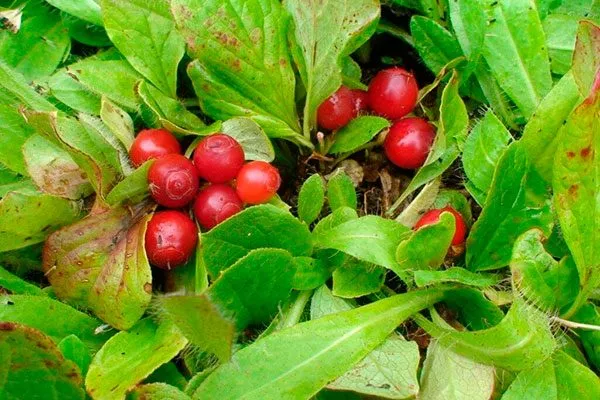
It prefers mossy bogs, spruce-fir and deciduous forests, and moss-covered slopes. This plant is valued for its nutritional, medicinal, and ornamental properties.
Description of krasnik
The plant grows primarily in the wild, but can easily be grown in a garden plot—it's easy to maintain and thrives. Besides its vibrant flavor and attractive appearance, krasnika is prized for its rich medicinal properties, which are widely used in folk medicine.
Bushes
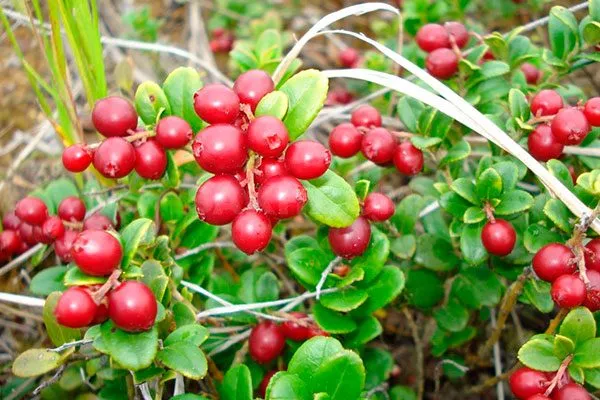
This is a low-growing plant belonging to the species Blueberry. Distinguishing characteristics:
- the height of the semi-shrub is only 10-12 cm;
- shoots spread almost horizontally along the ground;
- the leaves are round or obovate, tapering towards the base and turning into a short petiole;
- the length of the leaves varies from 2 to 6 cm, and the width from 2.5 to 3.5 cm;
- The leaf blades are thin, but noticeably tough, with finely serrated edges that can be either sharp or dull.
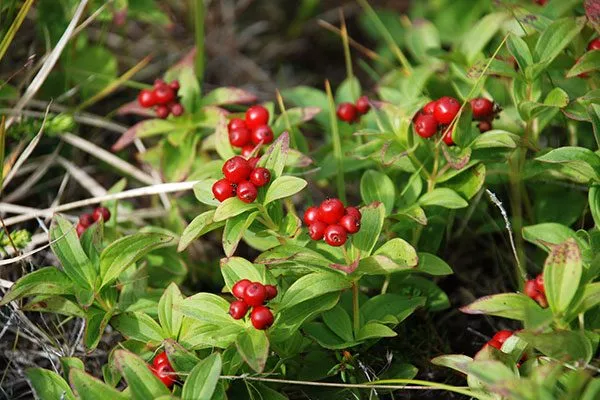
Fruit
Red blueberries ripen late, from August to September. Key fruit qualities:
- form - rounded;
- size - medium, 0.8-1 cm in diameter;
- weight - about 2 g;
- color - deep red;
- taste - unusual: at first you feel sweetness, then sourness, and at the end – a slight bitterness with a salty tint.
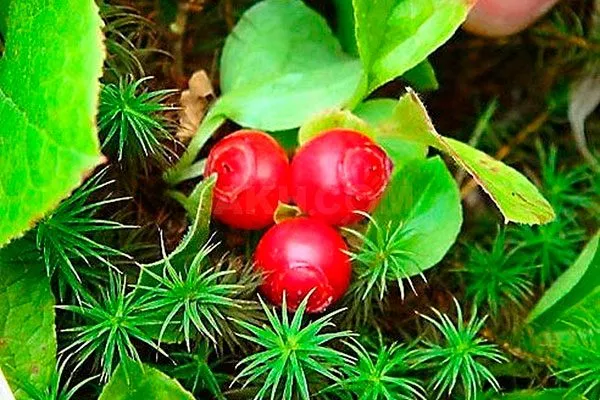
The berries are rich in flavonoids, P-active compounds, ascorbic (up to 100 mg%) and benzoic acids, tannins, and trace elements. But the plant's distinctive, pungent odor explains its common common name, "bedbug."
Main characteristics
Red blueberries bloom from May to June, delighting with abundant, medium-sized pink flowers clustered in groups of 2-5 at the base of the leaves. This vibrant bloom makes the plant especially attractive in spring.
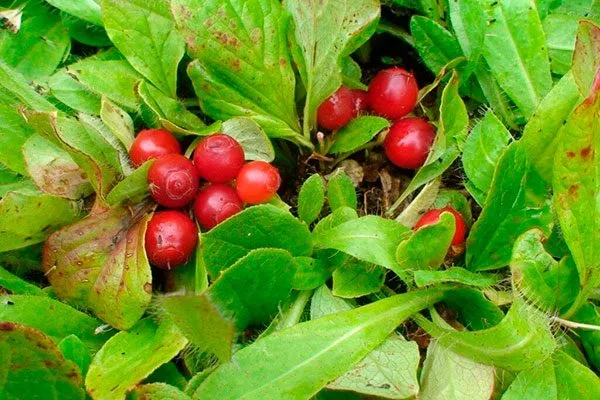
The krasnika is highly frost-resistant, withstanding temperatures from -4 to -29°C, and tolerates winter conditions well. Its low maintenance makes it suitable even for novice gardeners. Furthermore, this plant is a valuable honey and pollen producer: 10 to 20 kg of honey can be harvested from one hectare.
Distribution and ecology
The plant prefers to grow in mossy bogs, in coniferous-deciduous forests with dense moss cover, and also on slopes. Its natural range includes the mountain taiga zones of Primorye and the northern regions of Khabarovsk Krai (including the sea coast and the Amur estuary).
The krasnika is found in Kamchatka, Sakhalin, and the Kuril Islands (Shikotan, Kunashir, Iturup, Urup, Simushir, and Ketoi). It is also widespread on the Japanese islands of Hokkaido and Honshu.
Meaning and Application
Fresh blueberries are rarely eaten. Most often, red blueberries are processed into preserves, jams, syrups, compotes, and baked goods.
Composition and caloric content of krasniki
About 80% of all the vitamins in red blueberries are ascorbic acid, a vital substance for the proper functioning of the immune system. Vitamin C deficiency:
- weakens the body's defenses;
- increases the risk of anemia due to impaired iron absorption;
- negatively affects the nervous system, causing apathy and increased susceptibility to stress.
The caloric content of krasnika is only 28 kcal per 100 g. It contains:
- proteins – 0.5 g;
- fats – 0.2 g;
- carbohydrates – 3.7 g.
Berries contain flavonoids (tannins), which have a pronounced antioxidant effect: they protect cells from free radicals, toxins and heavy metals, slow down aging and improve the overall health of the body.
Beneficial properties
Cranesbill juice is especially beneficial in winter, when the risk of colds increases. It has anti-inflammatory, diaphoretic, and antipyretic properties, and is a tonic. The pulp and peel have a beneficial effect on the cardiovascular system.
Medicinal properties of bedbug:
- Improves digestion. Reduces the risk of gastritis and colitis, promotes complete absorption of nutrients.
- Reduces blood pressure. Strengthens blood vessels, improves the ratio of “good” and “bad” cholesterol, and is useful for stage 1-2 hypertension.
- Normalizes metabolism. Prevents weight gain and helps the digestive system function smoothly.
- Reduces appetite. It quickly saturates the body without overloading it with calories and promotes weight loss.
- Improves mood. Ascorbic acid helps cope with stress and improves emotional state.
- Normalizes sleep. Affects melatonin levels, relieving insomnia and morning headaches.
- Cleanses the body. Removes toxins, improves overall well-being, gastrointestinal function and reduces the risk of cancer.
- Improves skin condition. Helps with dermatitis, eczema, burns, promotes healing of injuries.
- Strengthens the immune system. Thanks to its high vitamin C content, it helps fight ENT diseases and infections.
Contraindications and harm of bed bugs
Like any berry, especially red ones, blueberries should not be given to young children, pregnant women, or people over 70-75 years of age due to the risk of allergies. Skin reactions are possible when consumed:
- rash;
- itching;
- burning;
- increase in body temperature.
Despite its beneficial composition and low calorie content, bedbug can be difficult on the stomach, especially when eaten raw. Consuming it on an empty stomach or in large quantities can cause diarrhea, abdominal pain, nausea, and colic.
The main contraindication is an individual intolerance to the berry, which is quite common. The berry is not suitable for people with gastrointestinal diseases, especially during acute stages of gastritis, colitis, or stomach and intestinal ulcers.
How do you eat krasnika?
Fresh fruits should be consumed with caution due to the high risk of allergic reactions, but they are the healthiest. To make them safer, they can be ground with sugar and used in baking, compotes, or spread on bread.
Red blueberries freeze well, so they're perfect for storing for the winter. To do this, wash the berries thoroughly, dry them, place them in plastic containers, cover with plastic wrap, and freeze them. Store them for up to a year, as their flavor and nutritional value deteriorate over time.
Raw krasnik is used to prepare:
- syrups;
- compotes;
- jam;
- jams.
It is used both with sugar and in combination with other fruits and berries, for example, with apples, oranges, gooseberries, pears, peaches and raspberries.
Recipes with krasnika
Bedbug berries are perfect for mouth-watering desserts. They're added to yogurts, kefir, cottage cheese, cheesecakes, puddings, and casseroles, giving them a unique flavor. Use them raw, mashed with sugar, or made into jam. They make an excellent filling for pies.
Here are some recipes with krasnika:
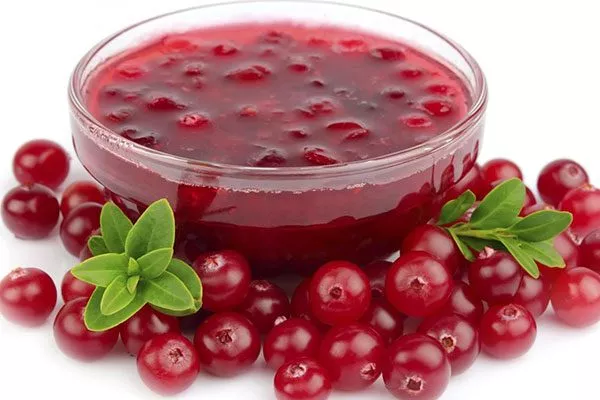
- Syrup. Place 1 kg of washed berries in a 3-liter saucepan, add 2 kg of sugar, stir, and cover. Leave in a cool place for 5 days, shaking the mixture every evening. Then mash, strain, and consume 2-3 tablespoons daily or add to dishes.
- Jam. Pour boiling water over 1 kg of berries, add 1.5 kg of sugar, and let sit for 2 hours. Simmer over low heat for 1.5 hours, stirring occasionally. Place in sterilized jars, seal, and store in a cool place.
- Jam with apples. Grind 1.5 kg of bedbug with 2 kg of sugar. Chop 500 g of peeled apples, combine with the berries, and let sit for 2 hours. Simmer for 1.5 hours, stirring occasionally.
- Berry and fruit puree. Peel 2 apples, 1 banana, and 1 pear, chop and puree. Add the raw fruit, sprinkle with nuts and cookies, and top with yogurt.
Growing conditions and care
To successfully grow red blueberries, several important factors must be considered. The plant prefers sunny locations, but also grows well in light shade. The bushes thrive on the banks of bodies of water, where the soil is highly moist.
You can plant in spring or fall, maintaining a distance of 100-150 cm between plants to ensure better air circulation and light access. The soil should contain at least 4% organic matter (humus) and have a pH of 3.5 to 5.
Watering plays a key role in care: the soil beneath the bush should be moist, but not overly waterlogged. Fertilize the plant with mineral fertilizers in early spring or late fall to maintain plant health.
Reproduction
There are several ways to increase the number of seedlings in your garden. Choose the option that best suits you:
- By dividing the rhizome. Dig up the bush, divide it into several pieces, and immediately replant them into the prepared holes. Compact the soil around the divisions, moisten it well, and sprinkle with peat.
- Seeds. This method is effective, but more labor-intensive. Sow the seeds in the fall to allow them to undergo natural stratification, or store them in snow for three months to increase germination to 70%.
Step-by-step instructions:
- Prepare the area for the red berry in advance: dig up the soil, remove rhizome weeds and apply fertilizer – double superphosphate (40 g) and potassium sulfate (20 g).
- Form a trench 50-80 cm wide and lay linoleum, plastic or polyethylene around it to prevent weeds from appearing.
- Add peat and sand to the trenches, then plant the bushes.
Interesting facts about Vaccinium superb
Berry bushes are characterized by their compact size—their height rarely exceeds 1.5 m. However, their root system is powerful and extensive, capable of occupying an area of more than 1 square meter. Because of this, not everyone decides to plant such plants in their garden: if the need arises to remove the bush, it will be difficult.
Other unusual data:
- The fruits form on the bushes in the form of small clusters, reminiscent of grapes, but usually each of them contains only 3-5 berries.
- Not only the fruits, but also the leaves of this plant are edible. They become especially delicious in May – juicy, with a pleasantly tart flavor reminiscent of sorrel, they literally melt in your mouth.
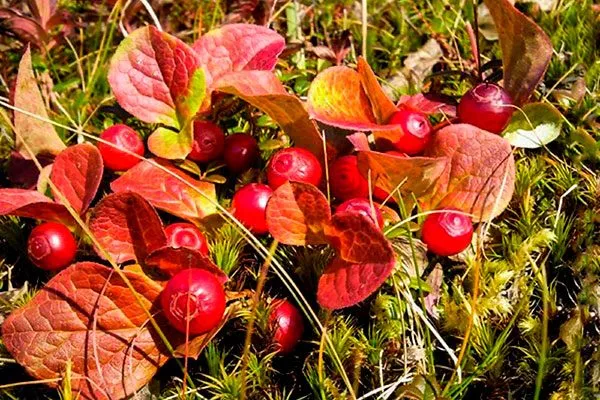
- For the winter, the bushes are covered with a double layer of film or spunbond, and the cover is removed only in May. This "hibernation" benefits the plants: after winter, their leaves acquire a decorative crimson hue along the edges.
- The leaves contain more vitamin C than the berries themselves.
- The Korsakov brewery and beverage company "Northern Star" produces a sweet soda called "Klopovka," which contains this very berry.
- The widespread use of cultivated red sage only occurred in the late 1990s, although the first successful experiments in its cultivation had been carried out seven years earlier by specialists from the Russian Academy of Agricultural Sciences.
- The renowned Russian breeder E. I. Kolbasina, author of the book "Actinidia, Schisandra," called the berry crop of the 21st century.
Collection and storage
Pick red blueberries in dry weather, being careful not to damage the berries. Pick the fruits by hand or with a comb, collecting them in small containers to avoid squeezing them.
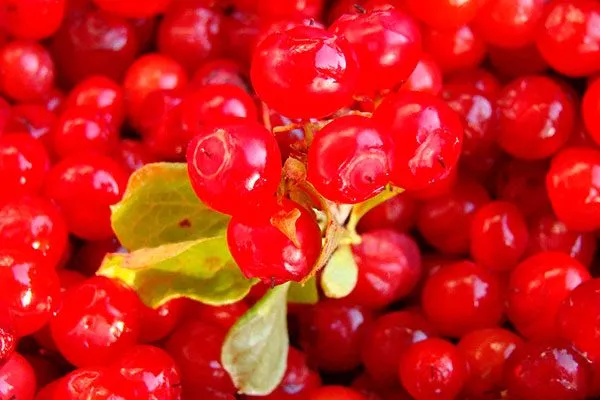
For storage, you can freeze blueberries: rinse, dry, and place them in containers, then place them in the freezer. Store the harvest in a cool, dark place in glass jars with airtight lids or in the refrigerator for several weeks.
Reviews
Red blueberries are a versatile berry with beneficial properties. They are attractive, easy to grow, and the fruits are a great base for a variety of dishes and medicinal infusions. Proper care is essential to ensure a bountiful harvest and maximum benefit from this crop.