
The Caucasian blueberry is a frost-hardy and productive variety. It is ideal for growing in cold climates. It produces large berries with a rich flavor, combining sweetness with a hint of tartness. It adapts well to a variety of conditions, providing a stable and abundant harvest for several years.
Botanical description of Caucasian blueberry
Caucasian blueberry is a cultivated form of a wild berry. Distinguishing characteristics of the crop:
- This is an upright deciduous shrub, reaching a height of 2 to 3-3.5 m. The plant is characterized by rounded, well-branched shoots.
- Young specimens form as single-stemmed trees, but with age they acquire a multi-stemmed configuration, which gives the bush decorative expressiveness and makes it popular for landscaping.
- Leaves up to 1.5 cm long enhance the decorative effect of the plant.
- The fruits are large, weighing 1.5-2 g, and individual specimens can reach up to 4 g.
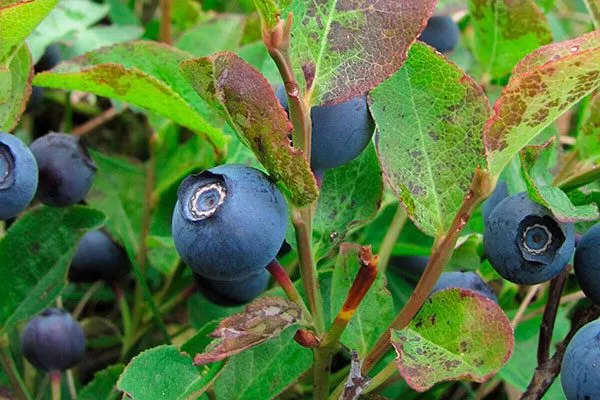
- The berries are round or oval, shiny, dark blue or almost black, without a characteristic bluish bloom. They are gathered in small clusters of 2–6 and held tightly to the branches.
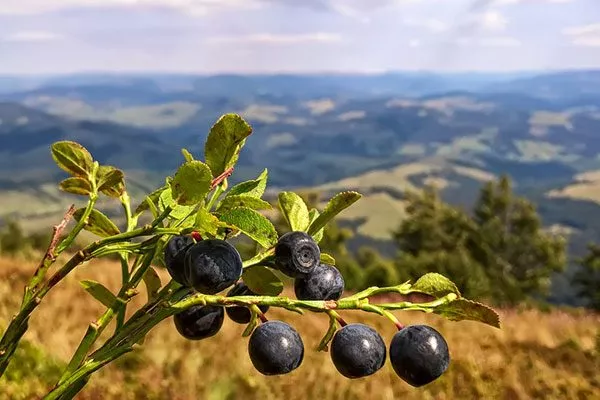
Characteristics
Its natural habitat includes the northern Caucasus, Asia Minor, and Iran. Blueberries are highly winter-hardy, withstanding temperatures down to -30°C (hardiness zone 5), making them suitable for moderately cold climates.
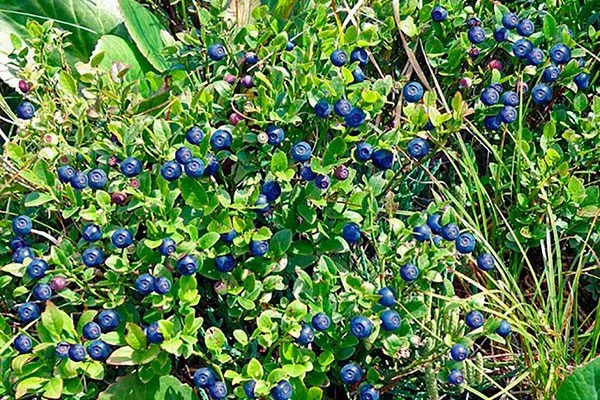
The plant is characterized by high and consistent yields. A single bush can yield up to 6-9 kg of berries between August and September. Fruiting continues for several weeks, with the fruits holding tightly to the branches without falling off.You can find other varieties of blueberries here)
Application and benefits
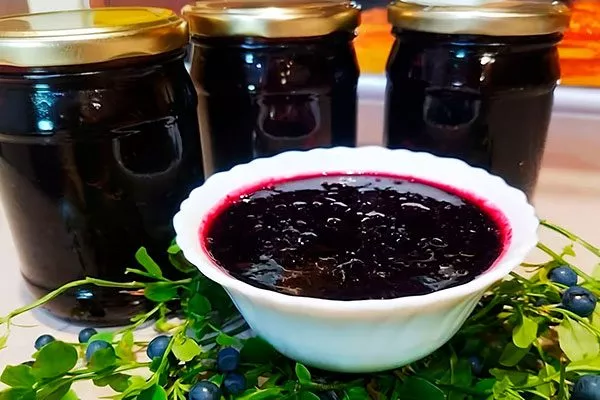
The berries are juicy and aromatic, making them perfect for both fresh consumption and processing They can be dried, made into jam, or used in baking. The flavor is sweet, with a slight tartness and barely noticeable astringency, and the aroma is rich.
Compound
Blueberries have a rich biochemical composition, making them not only delicious but also healthy. They contain:
- anthocyanins – natural pigments with powerful antioxidant properties that strengthen blood vessels and improve vision;
- vitamin C - strengthens the immune system and promotes iron absorption.
- B vitamins (B1, B2, B6) - support the nervous system, metabolism and skin health;
- Vitamin A – important for vision, skin and mucous membranes;
- pectins – promote the elimination of toxins and normalize bowel function;
- tannins - have an astringent and anti-inflammatory effect;
- organic acids (malic, citric, etc.) - participate in metabolism and give berries their characteristic taste;
- sugars (glucose and fructose) - provide natural sweetness;
- fiber – improves digestion and promotes gentle cleansing of the body;
- minerals – including potassium, calcium, magnesium, phosphorus and iron, which support water-salt balance, bone health and hematopoiesis.
Medicinal properties
The berries are used in folk and traditional medicine for the prevention and support of a number of ailments. Their main healing properties include:
- improved vision;
- antioxidant protection;
- anti-inflammatory action;
- normalization of digestion;
- lowering blood sugar levels;
- strengthening the cardiovascular system.
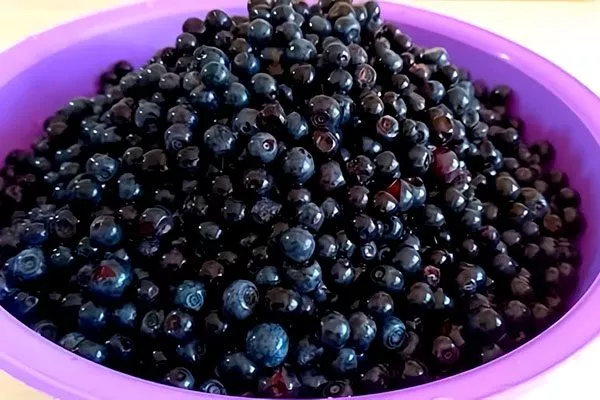
Vitamins B and C increase energy levels, improve the functioning of the nervous system and promote recovery after stress or illness.
Contraindications
Despite its high nutritional and medicinal value, Caucasian blueberries have a number of warnings, which require that their consumption be limited or completely eliminated:
- Allergy. Some people may experience individual intolerance, manifested by skin rash, itching, swelling or digestive problems.
- Increased acidity of the stomach. A large amount of organic acids in berries can aggravate gastritis or peptic ulcers in the acute stage.
- Gallstone disease. Blueberries have a choleretic effect, which can provoke the movement of stones and cause pain.
- Tendency to constipation. Excessive consumption of tannins, especially in dried form, may increase the tendency to constipation.
- Blood clotting disorders. The high content of vitamin K in the leaves (if used in the form of decoctions) can affect blood clotting, which is undesirable in cases of thrombosis or taking anticoagulants.
Berries are contraindicated for children under 1 year of age. At an early age, they can cause adverse gastrointestinal reactions, so they should be introduced with caution and only after consultation with a pediatrician.
Growing
Caucasian blueberry is an easy-to-grow, frost-hardy shrub that, when properly planted and cared for, produces a bountiful harvest of aromatic and nutritious berries. For successful cultivation, it's important to consider a few requirements.
What type of soil is best?
The plant prefers acidic soil, with a pH of 3.5 to 5.5. Alkaline and neutral soils are unsuitable, as under such conditions the plant absorbs nutrients poorly and may die.
The best plot
Choose a sunny, wind-protected location. Ideally, it will receive at least 6-8 hours of sun per day—this will ensure abundant flowering and full ripening of the berries.
Blueberries grow best in raised beds or mounds with good drainage. Groundwater levels should be no higher than 60 cm (24 in). Avoid planting in low-lying areas where cold air and moisture accumulate.
The landing process
It's best to plant Caucasian blueberries in the spring (April-May), when the soil has warmed up, or in the fall (September), no later than 3-4 weeks before frost. Before planting:
- Prepare a planting hole 50-60 cm deep and wide.
- Fill the hole with an acidic soil mixture: high-moor peat, pine needles, sand, and a little garden soil (in a ratio of approximately 2:1:1:1). If necessary, add sulfur (20-40 g).
- Place the seedling in the center of the hole, straighten the roots and deepen the root collar no more than 2-3 cm.
- Fill the hole with the prepared mixture, compact the soil and water well (10-12 liters of water per bush).
- Mulch the soil around the plant with pine chips, bark, sawdust or peat in a layer of 5-10 cm - this will retain moisture and maintain acidity.
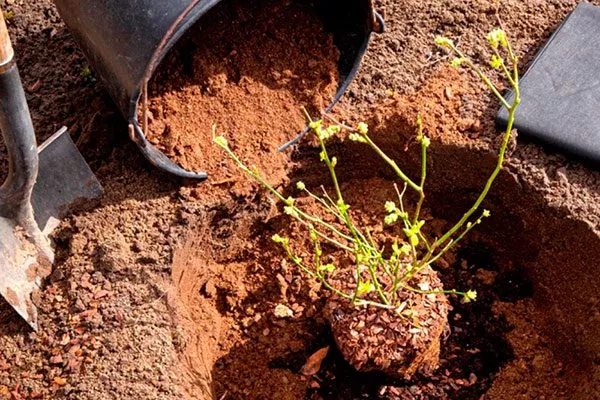
In the first weeks after planting, blueberries require regular watering (but not overwatering), especially in dry weather. With proper care, the bush will begin to grow vigorously and produce a stable harvest within 2-3 years.
Care instructions
To ensure a stable and abundant harvest, it's important to properly care for blueberries: regularly acidify the soil, maintain adequate moisture, mulch the area around the tree trunk, and remove weak shoots. Without proper care, the plant will slow down and may stop producing fruit.
How to fertilize?
Fertilizers play an important role in the development of the Kavkazskaya blueberry variety and promote active fruiting. The main rule is to use fertilizers free of chlorine and lime, and to choose acid-reactive compounds.
Feed the crop several times per season:
- early spring, before the buds open – add ammonium nitrate (20-30 g per bush) or ammonium sulfate to stimulate the growth of shoots and leaves;
- during the period budding and flowering - use complex mineral fertilizers, for example, mixtures with potassium sulfate and superphosphate;
- in the fall, after the harvest – It is useful to feed the plant with potassium sulfate (30-40 g per bush) and superphosphate to strengthen the roots and prepare the plant for winter;
Add organic matter every 2-3 years, but only well-rotted compost, pine humus or acidified peat - fresh manure is not suitable for blueberries.
How to trim?
Carry out this procedure in the 3rd or 4th year after planting. Do this in the spring. Train the bush so that it has 7-9 strong, developed shoots. Shorten those that are 4 years old to 20 cm.
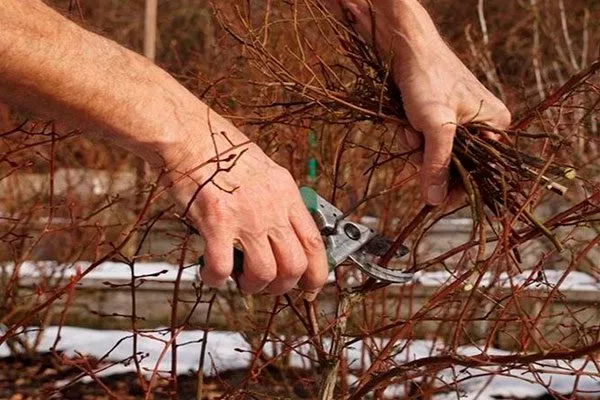
At the same time, remove weak lateral shoots, as they produce virtually no fruit. Once every 15 years, perform rejuvenation pruning, cutting all branches back to a height of about 20 cm.
How to water?
Under normal weather conditions, water the shrubs every two weeks. However, during drought, increase watering based on soil dries. Drip irrigation is the best option.

How to collect?
Carry out this process in dry weather, preferably in the morning or evening when there is no dew. Pick the berries by hand, being careful not to crush or damage the skin. Ripe berries are a rich dark blue or black color and separate easily from the stems.
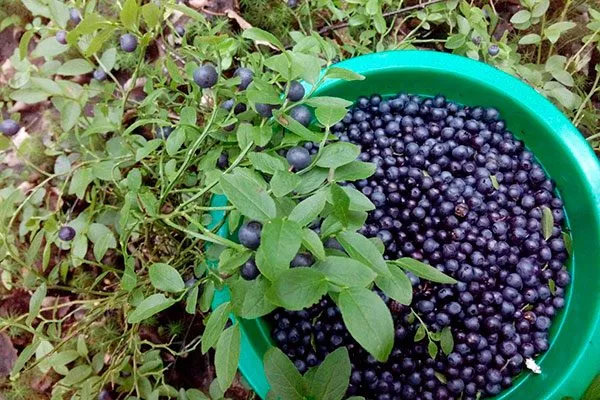
Place the berries in shallow containers to avoid crushing them. Overripe berries don't keep for long, so use them immediately. Pick the blueberries carefully to avoid damaging the bush and the future berries. There are also special devices for collection..
Common pests and diseases
Under unfavorable growing conditions, the crop may suffer from rust and gray mold. To combat these diseases, begin treatment early: remove affected areas of the plant and treat with fungicides such as Topsin-M, Fundazol, or Topaz.
Blueberry bushes can be attacked by aphids and scale insects. To control them, use insecticides such as Aktara, Karbofos, or Inta-Vir. In the fall, collect fallen leaves and debris, and in early spring, treat the plants with Karate—it will provide additional protection against insects and boost the bushes' immunity.
Reproduction
There are several ways to increase the number of seedlings in your garden. Choose the most suitable option:
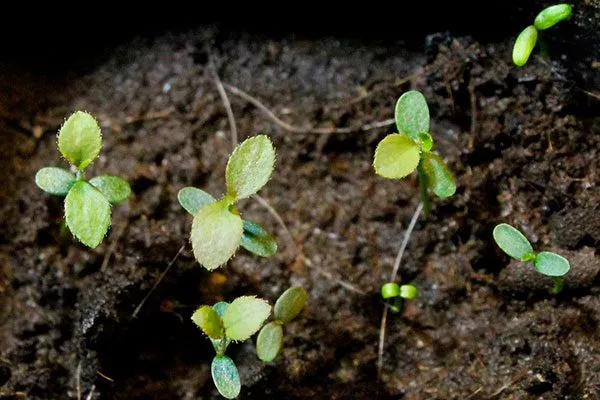
- Seeds. Pick ripe berries, wash them, and mash them into a pulp. Pour room-temperature water over the resulting mixture. The debris, pulp, and hollow seeds will float to the surface, while the good seeds will sink to the bottom.
Rinse the seeds thoroughly several times and dry them. Mix peat and sand, fill individual containers with this mixture, and sow the seeds. Perform the first transplant in April-May. The following spring, plant the plants outdoors.

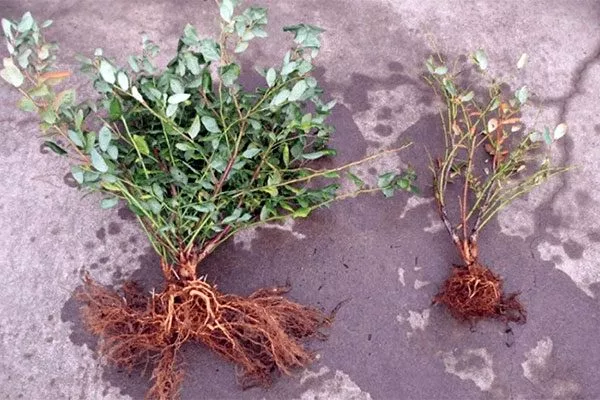
- By dividing the bush. Plan this event for the first or second month of autumn. Dig up the mature plant and divide it into sections, ensuring each section has at least five renewal buds. Plant them immediately in the ground.
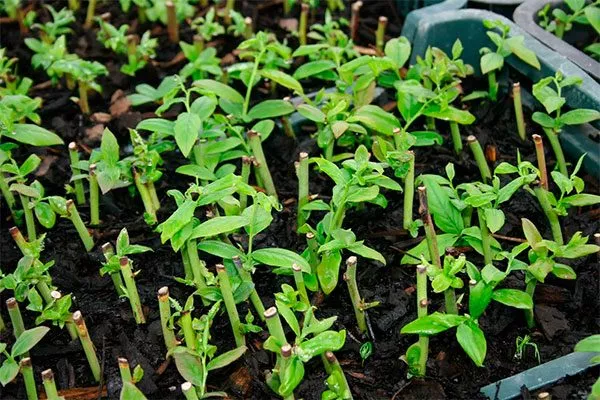
- By cuttings. In August, select strong, well-branched bushes, cut a few branches, dip the cuttings in a growth stimulator, and plant them in nutrient-rich soil. Cover with plastic bottles to create a greenhouse effect. Transplant the plants to their permanent location in October.
Reviews
Kavkazskaya is a popular blueberry variety with many positive qualities. Its frost resistance, good productivity, and excellent taste make it a popular choice not only for experienced gardeners but also for beginners. The key is timely and proper cultivation techniques.