
Lingonberry is a sweet and sour berry, closely related to cranberries and blueberries. This wild plant grows primarily in cold climates and is highly prized for its flavor and medicinal properties. Today, this berry can be grown in natural conditions, using varieties developed by domestic and international breeders.
Description of lingonberry
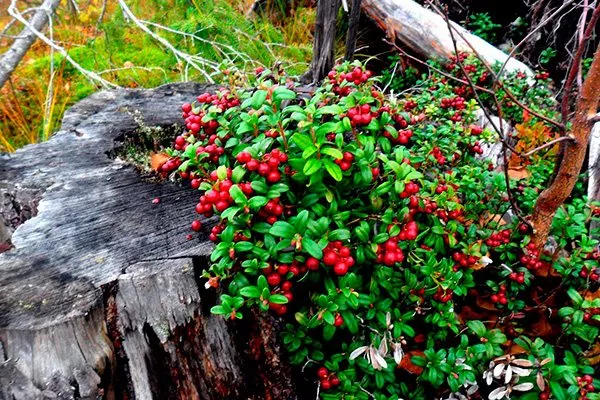
Cowberry — an evergreen shrub of small stature with sweet-and-sour berries. A distinction is made between wild and cultivated lingonberries, the latter being much shorter—15 cm versus 35-45 cm.
- ✓ The soil should be acidic, with a pH of 3.5-5.5, for optimal growth and fruiting.
- ✓ Drainage is essential, as lingonberries do not tolerate stagnant water.
Brief description of lingonberry:
- bush - low-growing, creeping or upright;
- shoots - branched, 15-20 cm long;
- leaves are shiny, dense, leathery, up to 3 cm long, tightly seated on the branches,
- flowers are white or pink, similar to bells;
- The fruits are spherical, multi-seeded berries of red color, reaching 8 mm in diameter.
Lingonberries taste sweeter than cranberries. They are used in cooking all kinds of blanks and medicinal products - infusions, decoctions.
The berry blooms for about two weeks—in late May or early June. Lingonberries are self-pollinating, but cross-pollination results in larger, earlier-ripening berries. Garden varieties bear fruit 3-5 years after planting.
At the instigation of Finnish and Swedish gardeners, wild lingonberries were used for cultivation. They began to be planted in gardens and large pots as ornamentals. Later, breeders developed cultivars of garden lingonberries that are planted not only for their ornamental value but also for harvesting.
Chemical composition and benefits
Lingonberries are prized for their unique composition, which provides them with powerful healing benefits. Their berries are rich in vitamin C, trace elements, and beneficial acids. The fruits have antioxidant properties, while the leaves have antiseptic, anti-inflammatory, and rejuvenating properties.
Lingonberries are recommended for many ailments; they are equally beneficial to eat fresh, preserved, or infused in various decoctions and infusions. Lingonberries are low in calories, containing only 53 kcal per 100 g.
Lingonberry varieties and hybrids
Large-fruited everbearing varieties are especially prized by lingonberry growers. They produce good yields and bear fruit for a long time. Currently, there are about two dozen lingonberry varieties worthy of gardeners' attention. They differ from one another in bush height, decorative qualities, berry size, and yield.
| Name | Bush height (cm) | Berry diameter (mm) | Yield (g per bush) | Frost resistance (°C) |
|---|---|---|---|---|
| Ruby | 25 | 8 | 220-300 | -30 |
| Coral | 30 | 8-9 | 400 | -30 |
| Red Pearl | 25-30 | 12 | 400 | -46 |
| Mazovia | 30 | 8 | 40 | -30 |
| Kostroma pink | 15 | 8 | 200 | -33 |
| Belyavskoe Fleece | 35 | 10 | 400 | -15 |
| Sanna | 30 | 8 | 300-400 | -15 |
| Miss Cherry | 35 | 8 | 400 | -46 |
| Kostroma woman | 20 | 8 | 200 | -15 |
| Ammerland | 30 | 11 | 300 | -30 |
| Linnaeus | 25 | 8 | 150 | -15 |
| Erntzegen | 40 | 10-15 | 200 | -30 |
| Erntekrone | 25 | 8 | 200 | -30 |
| Susie | 15 | 8 | 300-400 | -30 |
| Ida | 20 | 10 | 150 | -30 |
| Scarlett | 20-25 | 8 | 400-500 | -30 |
| Krasnaya Polyana | 30 | 8 | 500-600 | -30 |
Ruby
A high-yielding variety with large berries. The bush reaches 25 cm in height. It blooms in May or early June with white and pink bell-shaped flowers. It has typical lingonberry leaves—leathery, dark green. The average fruit weight is 0.22-0.3 g.
- ✓ Requires cross-pollination to increase berry size.
- ✓ Resistant to recurrent spring frosts down to -3°C.
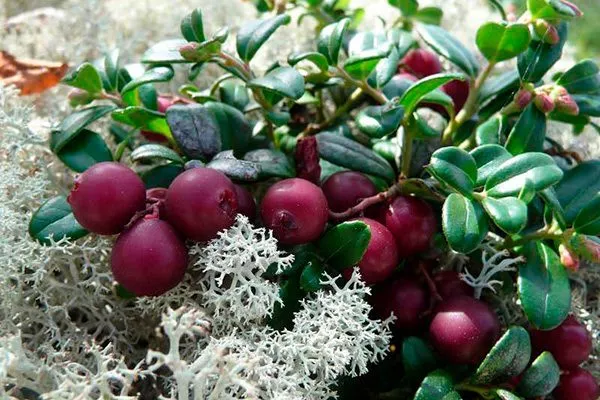
This late-ripening variety ripens in late August. Cross-pollination is required. It tolerates temperatures down to -30°C and recurrent spring frosts down to -3°C. The first berry harvest occurs four years after planting. Rubin is delicious fresh, suitable for canning and preserving, and is resistant to diseases and pests.
Coral
This Dutch variety is considered the first in horticultural cultivation. It was bred in 1969, but remains popular among gardeners for its high yield and decorative appeal. It produces small, sweet-tart, and juicy berries—up to 8-9 mm in diameter. The bush grows up to 30 cm tall, with annual growth of 2 cm.
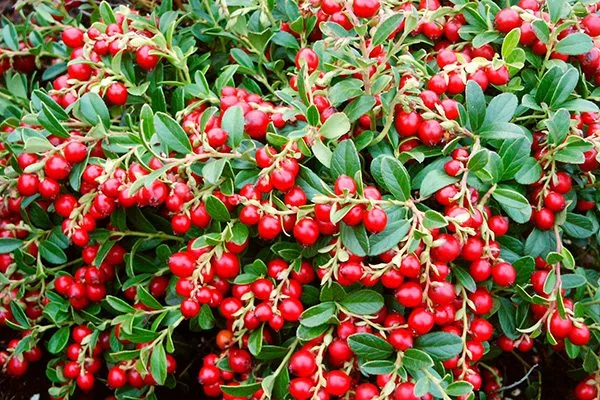
This variety is remontant, bearing fruit twice a year. It prefers sunny sites and loose, acidic soils. The first harvest occurs in early August, producing a modest number of berries. The second harvest occurs in late September, producing a significantly larger amount. One bush can yield over 400 grams of berries or more. It begins bearing fruit in the second year after planting.
Coral is frost-hardy, but requires regular sanitary and rejuvenating pruning. Furthermore, this old Dutch variety is susceptible to fungal infections.
Red Pearl
A Dutch variety with small, glossy leaves that don't fall off in winter. The shrubs reach 25-30 cm in height and are very decorative, looking beautiful both in the garden and in pots. They bear fruit repeatedly. The fruits are round, dark red, with firm flesh, up to 12 mm in diameter. The flavor is sweet and sour.
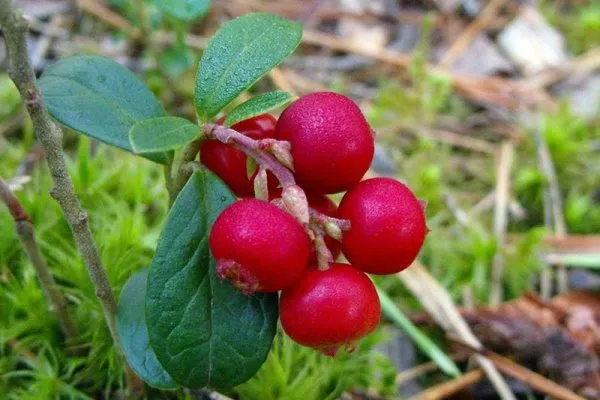
Red Pearl grows best in poor and acidic soils with a pH of 3.5-5.5. It is an early variety, self-pollinating, and bisexual. The berries are noted for their good shelf life and high immunity. It requires regular moisture and tolerates harsh winters well. It was bred in 1981.
Mazovia
A Polish variety bred from wild lingonberries. Widely used in landscape design due to its decorative qualities. It is an evergreen variety. The fruits are eaten fresh, preserved, and canned.
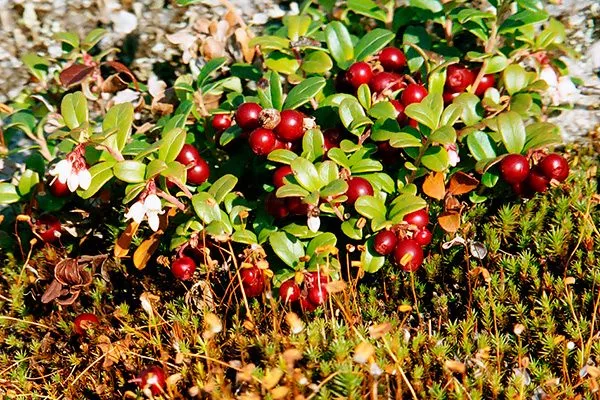
The bushes grow up to 30 cm tall. The berries are small, weighing about 0.25 g. A bush yields 40 g of fruit, which is significantly less than other lingonberry varieties. The berries are burgundy in color. The taste is sweet and sour, extremely pleasant. They require little care.
Kostroma pink
A Russian-bred variety created from wild-grown material. The bushes are medium-sized, with berries borne in clusters of 4-5. The fruits are round, bright pink, and ripen in August. The average berry weight is 0.4-0.5 g. The flavor is sweet and sour. The bush height is 15 cm.
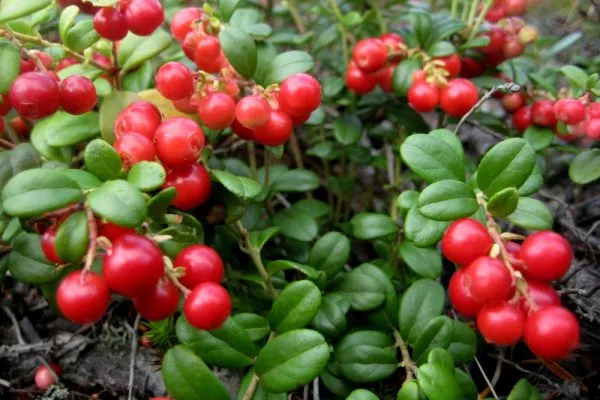
This variety tolerates frost well. It can withstand temperatures down to -33°C, and without snow, down to -15°C.
Belyavskoe Fleece
A beautiful, large-fruited variety from Polish breeders. Berry weight is 3-3.5 g. Yield is up to 400 g per plant. Bush height is 35 cm. The berries are dark red, juicy, and sweet and sour. This variety requires shelter when grown in regions with little snow in winter. It thrives in acidic and moist soils and requires watering during dry seasons.
Sanna
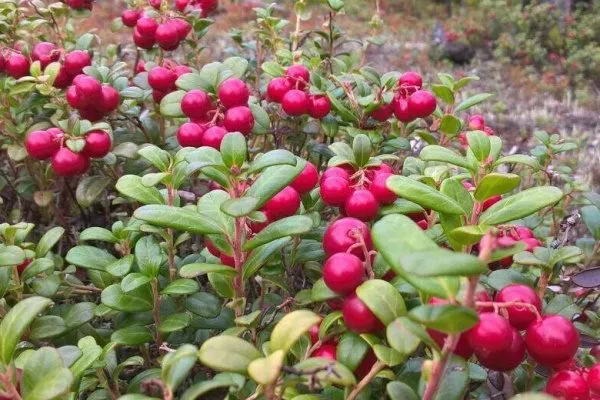
A Swedish lingonberry variety distinguished by vigorous rosette formation on its rhizomes. Bred in 1988, the bushes grow vertically, reaching a height of 30 cm. Yields 300-400 g per plant. The first harvest appears in the fourth year after planting. It blooms in June, and the berries ripen by the end of August. Propagated by cuttings.
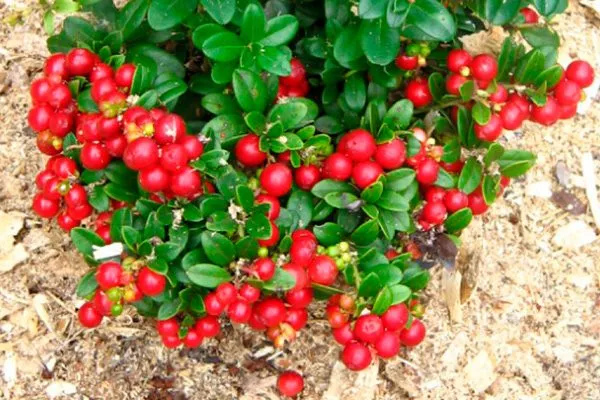
The fruits are bright red, sweet and sour, with a distinct aroma. They weigh 0.4 g. Ripening is uniform, and they are highly disease-resistant. This variety requires regular watering and, in regions with little snow, shelter. It does not tolerate fertile soils; the ideal pH is 3.7-5.2. The Sanna variety is planted both for its berries and for ornamental purposes.
Miss Cherry
A single Miss Cherry bush can yield up to 400 grams of berries. This self-pollinating, bisexual, mid-season variety was bred in 2002. The bushes are compact, slow-growing, and low-growing—up to 35 cm in height. They prefer sunny and semi-shaded areas.
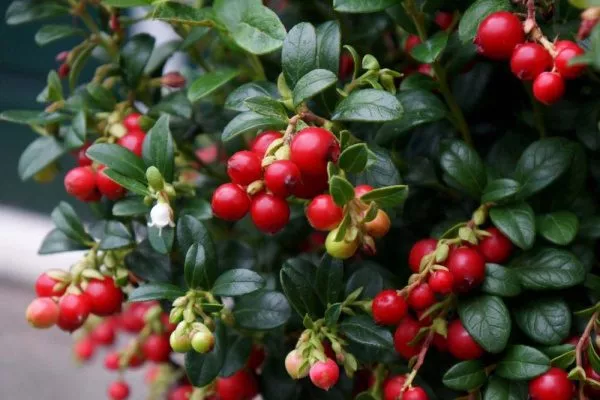
Blooms from May to July. The flowers are faintly scented. The berries are bright red, reminiscent of cranberries. The flavor is tart, sweet and sour. They are delicious fresh and preserved. This variety is suitable for harsh climates, withstanding temperatures down to -46°C. It looks beautiful in patios and gardens with low borders.
Kostroma woman
A domestic variety with low-growing bushes, no more than 20 cm tall. They bloom in April-May, and the fruits ripen by mid-August. The average berry weight is 0.3 g. They are dark red, sweet and sour, and odorless. The yield is 200 g per bush. They have a high immunity and are not susceptible to pests.
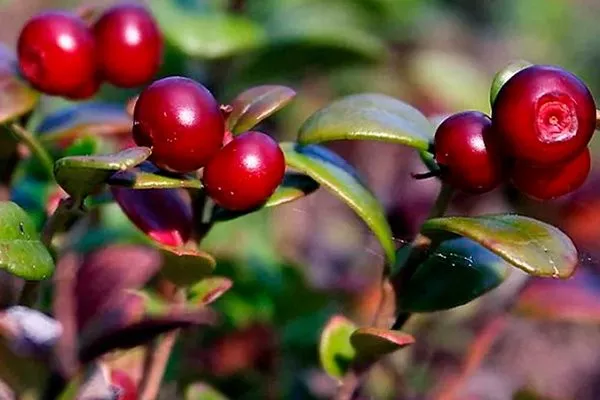
This variety thrives on light but can also grow in partial shade. It is cold-hardy, surviving temperatures down to -15°C in winters with little snow.
The Kostromichka's drawback is its single-fruiting nature. This variety produces berries only once per season—in August.
Ammerland
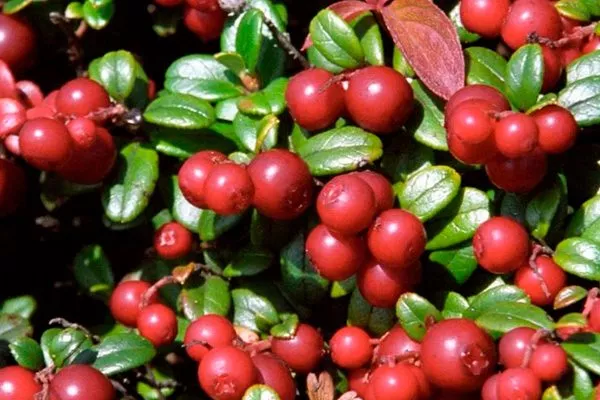
A large-fruited variety from German breeders with a dense crown and a bush height of up to 30 cm. The leaves are green with a yellowish tint. Yields 300 g per bush. The fruits are sweet and sour, red, large, up to 1.1 cm in diameter. Fruiting occurs twice per season.
Linnaeus
An early-ripening Swedish lingonberry named after a renowned scientist. The bush grows up to 25 cm tall, bearing large leaves and red berries with a distinctive bitterness. The bushes bloom early, in May-June. The berries are harvested in July-August. Fruit weight is 0.4-0.45 g.
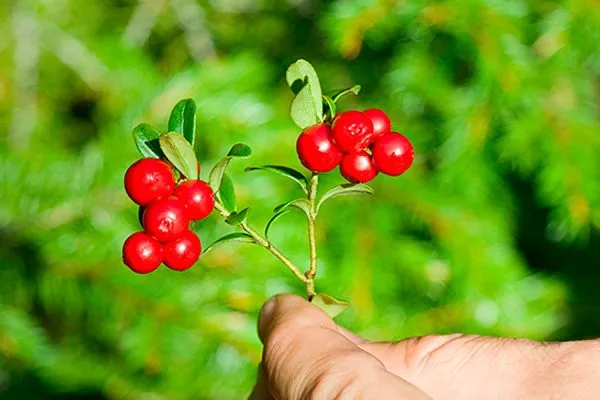
In the third year after planting, the bush produces approximately 150 g of berries per season. Frost resistance is average; without shelter, the plant can withstand temperatures down to -15°C. It is recommended to plant the crop in sunny areas, in peaty soils with good moisture and drainage.
Erntzegen
A large-fruited lingonberry with berries reaching 1-1.5 cm in diameter. The bushes grow up to 40 cm tall. They have long stems and large leaves. Ripening time is mid-season. The berries are bright red and have a pleasant flavor. They are quite sweet due to their high sugar content. Recommended for desserts and pies.
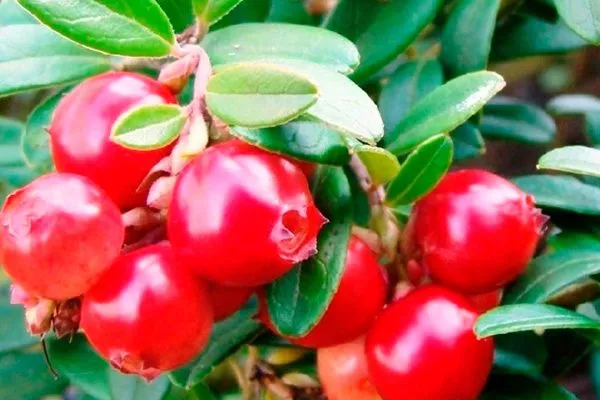
This variety is highly decorative. It's suitable for decorating gardens and patios. It's also highly sought after in landscape design. It also produces a good yield—approximately 200 grams per bush.
Erntekrone
A frost-hardy variety bred in Germany. The bushes are medium-sized, growing up to 25 cm in height. Fruiting is repeated, with two harvests possible per season. Requires proper care. The fruits are dark red, with a pleasant sweet-and-sour flavor, with a subtle bitterness.
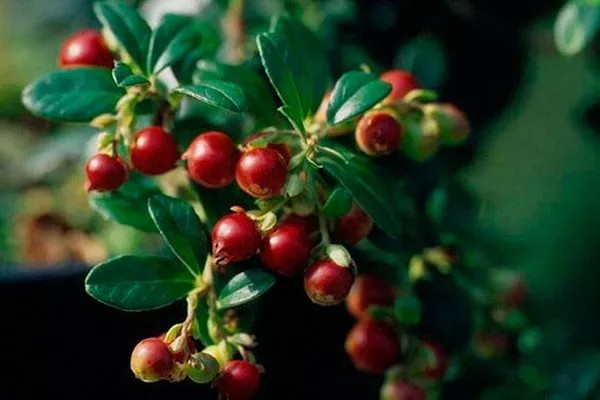
The berries are large, weighing 0.4-0.5 g each. The variety is distinguished by its increased resistance to diseases and pests.
Susie
This variety has very small, upright bushes, no more than 15 cm tall. However, Susie produces a high yield: with proper care, a single plant can yield 300-400 g of berries. The variety begins bearing fruit in the second half of August.
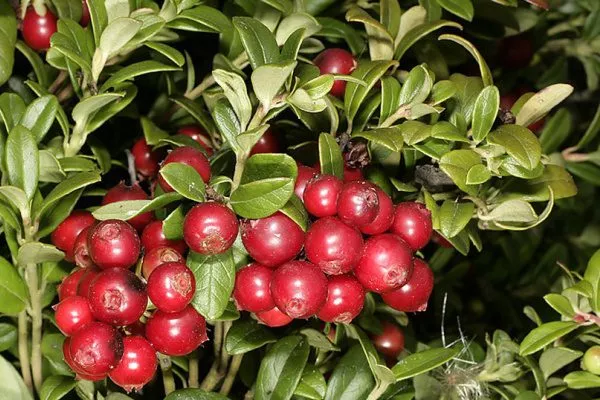
The berries are bright red, medium-sized, weighing up to 0.5 g. They are juicy and very tasty. The variety is resistant to diseases and pests.
Ida
This variety was developed by Swedish breeders in 1997. It is characterized by extremely rapid growth. The bushes are distinguished by their compact, dense crown. The plants resemble monolithic spheres, so densely are their branches covered with glossy, leathery leaves. The maximum height of the bushes is 20 cm.
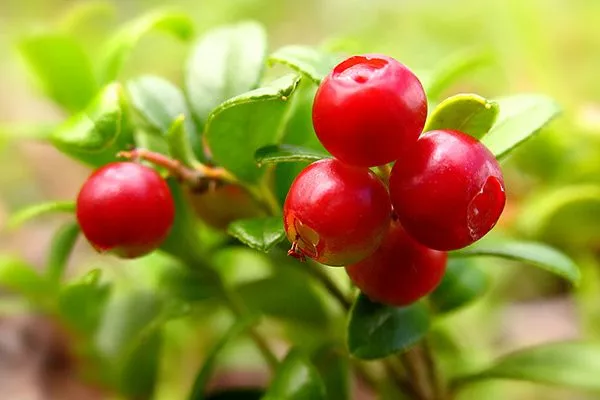
Fruiting begins in late August. The berries are quite large, about 1 cm in diameter. The average weight is 0.8 g. The fruit is bright red. The flavor is sweet and sour. Sometimes, by mid-autumn, the bushes bloom again and produce a second harvest. The yield is low—about 150 g of berries per bush.
The variety is highly prized not only for the flavor of its berries but also for its decorative qualities. Ida lingonberries are often planted in gardens, patios, and park lawns.
Scarlett
The bushes of this variety grow to 20-25 cm in height. They have a beautiful, highly decorative shape. The leaves densely cling to the branches, and the crown is dense and evergreen—the plant does not shed its leaves in winter. This variety is highly winter-hardy; under snow, Scarlett lingonberry can withstand temperatures down to -30°C.
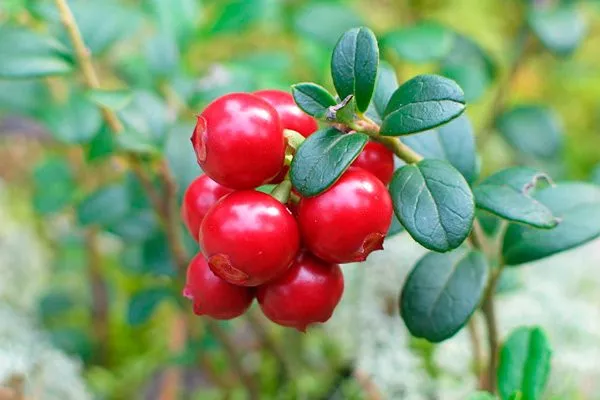
This variety is highly resistant to pests and pests. Each berry weighs 0.3-0.5 g. The fruit is bright red with a glossy skin. The yield is 400-500 g per plant. The berries have a sweet-tart, piquant flavor with a light berry aroma. They are delicious fresh and suitable for preserves.
Krasnaya Polyana
This evergreen variety is a creeping subshrub growing up to 30 cm tall. It has beautiful leathery leaves and pale pink flowers. The fruits are spherical and light red. The average weight is 0.5 g.
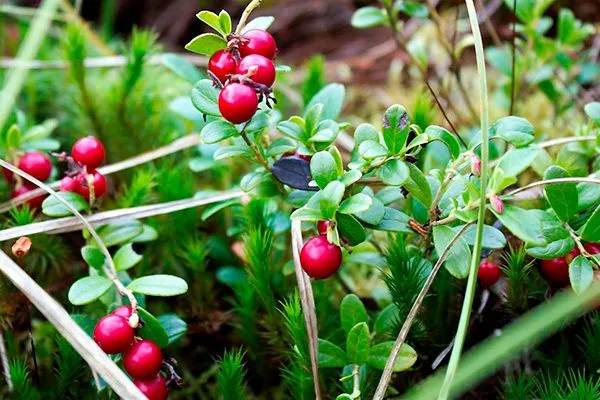
The berries are sweet and sour, with a refreshing taste. The yield is 500-600 g per plant, which is very high for lingonberries. This versatile variety is recommended for fresh consumption and for preserves. It prefers acidic soils (pH 3.5-4.5).
White lingonberry
You can find photos of white lingonberries online. Gardeners are curious about this new variety—whether it can be grown and what kind it is. In fact, it's simply an albino lingonberry. The albinism gene is very weak, so propagating albino lingonberries and capturing this interesting trait is extremely difficult.
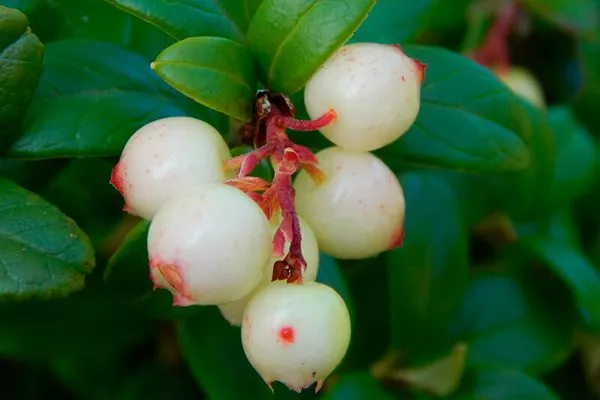
White lingonberries are extremely rare, so those who happen upon a lingonberry bush bearing white berries try to capture it and then post it online. Similar photos have been taken by berry lovers in various places, including Yakutia, the Leningrad Region, and other regions.
Is there a black lingonberry?
Berry lovers often use the term "black lingonberry." In fact, it doesn't exist. The berries they mistake for black lingonberries are actually crowberries, a completely different plant. This plant is native to Europe, Siberia, Asia, and North America. Like lingonberries, it can be found in swamps.
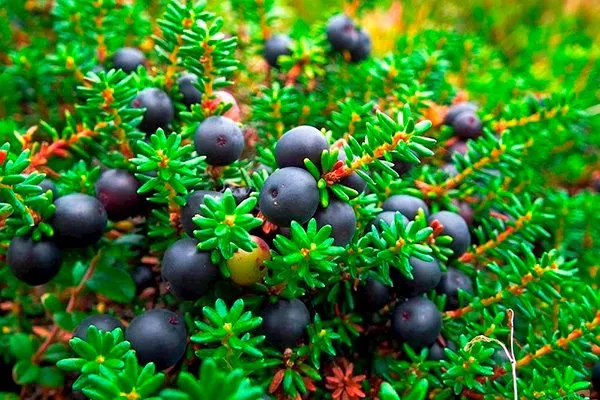
Crowberries are also found in the tundra, rocky landscapes, light coniferous forests, and dunes. This evergreen plant, like lingonberries, has thick, leathery leaves and rounded drupes. It is this similarity that leads to confusion—crowberries, a little-known plant, are often mistaken for "black lingonberries."
Lingonberry varieties for different regions
Specific lingonberry varieties are recommended for each region. When selecting them, experts primarily considered climate conditions—winter and summer temperatures, rainfall, and other weather patterns.
The best varieties of lingonberries:
- For central Russia and the Moscow region. Low-growing varieties are preferred. Under favorable conditions, plants grow quickly and produce two harvests per season. Recommended varieties:
- Coral;
- Erntekrone;
- Sana;
- Mazovia;
- Linnaea;
- Ammerland;
- For the Urals and Siberia. Here, varieties that are best adapted to harsh winters must be grown.
- Kostroma pink;
- Kostroma woman;
- Red Pearl;
- Miss Cherry;
- Ruby.
Lingonberries are a versatile plant that will enhance any garden, windowsill, balcony, or patio. They can be grown for their fruits, medicinal purposes, or simply for their beauty—either way, this wonderful berry will bring you nothing but benefit and satisfaction, both in terms of taste and aesthetics.