
The Top Gun watermelon is a promising and delicious hybrid that can be successfully grown both outdoors and in greenhouses. Its advantages include high yields and resistance to fungal diseases. Another important aspect is the variety's undemanding nature.
Who developed the variety and when?
Top Gun is the result of breeding work by Dutch specialists. The variety was first introduced in 2007. This watermelon is suitable for growing in a variety of conditions, including open ground, greenhouses, and plastic shelters.
Description of watermelon variety
The Top Gun watermelon variety has gained popularity among gardeners thanks to its outstanding characteristics and unique features. This hybrid produces magnificent fruits and also possesses a number of qualities that make it a preferred choice for cultivation.
Distinctive features
The plants are characterized by a branched and spreading habit. The leaves are medium-sized and dark green. The bushes are resistant to the main diseases of this cultivated plant, such as fusarium wilt and tobacco mosaic. Caring for them does not require any special knowledge or skills.
Composition, properties, benefits, caloric content
Watermelon is not only delicious but also a healthy fruit, rich in a unique composition that can benefit human health. The fresh and juicy berry consists primarily of water, making it an excellent way to maintain hydration.
Watermelon contains important nutrients:
- VitaminsWatermelon is rich in vitamin C, which is a powerful antioxidant, and also contains vitamins A and K.
- MineralsThe berry provides the body with potassium, magnesium, and zinc, which are important for maintaining heart health and normal muscle function.
- FacesWatermelon contains lycopin, which gives the flesh its red color. It is a powerful antioxidant and has been linked to a reduced risk of various diseases, including some types of cancer.
- CitrullineWatermelon is an excellent source of citrulline, which can help regulate blood pressure and improve circulation.
- Dietary fiberThe fruit contains dietary fiber, which supports the normal functioning of the digestive system and promotes satiety.
Fruit characteristics and yield
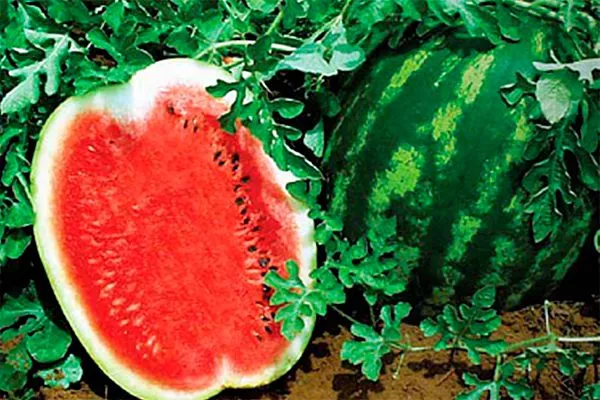
Top Gun fruits are oval-shaped and have a smooth, glossy surface. The rind is striped and green, and the watermelon weighs between 7 and 12 kg.
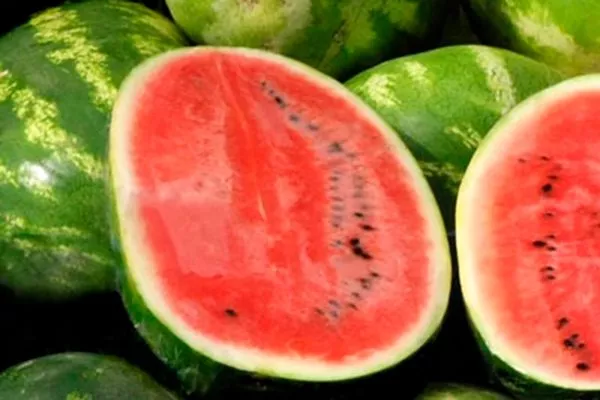
The flesh is a rich red, juicy, and sweet. Each bush produces 2 to 5 large, beautiful fruits.
Watermelon seeds
Top Gun seeds are small, and as a hybrid variety, they are not suitable for subsequent planting. The seeds are dark brown in color, with small spots. The fruits contain a small number of seeds, which are not intended for consumption.
In what regions does it grow?
The Top Gun variety thrives in garden beds and vegetable plots in the southern regions of Russia, where the seeds are sown directly into the soil. In the central part of the country, the method of growing seedlings in greenhouses or under plastic film is successfully used.
Even in more northern regions, such as the Moscow region and the Southern Urals, with proper care, you can enjoy your own home-grown watermelons.
Watermelon growing technology
The Top Gun watermelon is a relatively easy-to-grow variety. For successful growth and harvest, it requires sunlight, moderate humidity, and protection from strong winds.
In the greenhouse
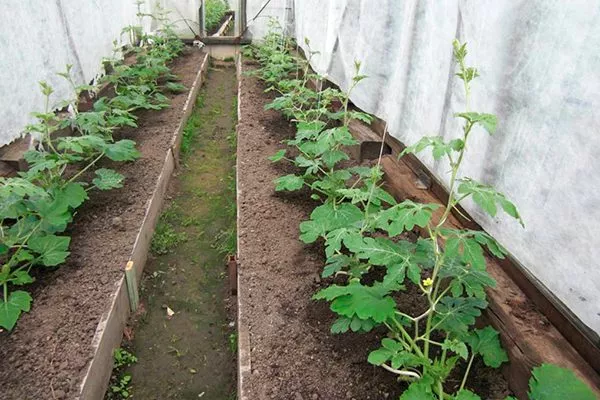
To successfully grow watermelons, ensure sufficient space and a greenhouse height of at least 2 m. Follow these recommendations:
- Plant seedlings at a distance of at least 70-80 cm from each other, with a similar width between rows.
- Place two sprouts in each hole and then carefully distribute the shoots.
- To optimize space and ensure uniform light distribution, install a trellis and tie the plants to it as they grow. You can use netting to support ripening fruit attached to the trellis.
- Make sure the greenhouse is regularly ventilated.
- Hand pollination of greenhouse plants is essential. Keep ripening striped berries above the soil surface by placing the lower tier watermelons on a support, such as a small block or board, and turning them periodically.
In open ground
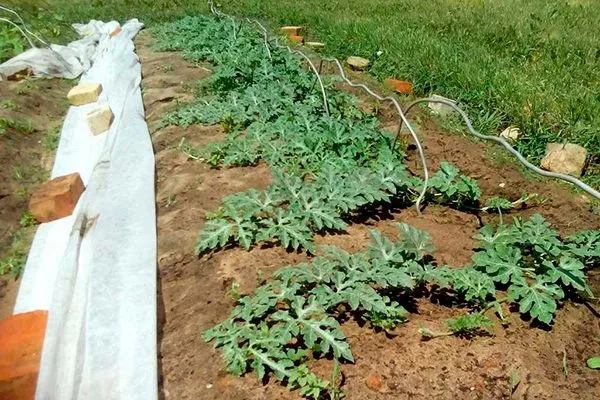
When growing watermelons in a garden bed, ensure a more spacious distribution by spacing the holes one meter apart and rows 110-120 cm apart. Helpful tips:
- Plants are sensitive to weeds, so weed them regularly.
- Loosen the soil and protect against pests and diseases using folk remedies such as potassium permanganate, laundry or tar soap, and onion peel infusions. Use commercial products.
- Once intensive growth begins, stop watering and loosening to avoid damaging the fruit with garden tools.
- If necessary, cover the plants with plastic film to protect them from rain and temperature fluctuations. Avoid leaving the film on for long periods of time to prevent condensation, which could damage the plants.
Watermelons bloom well after peas and tomatoes, and it is not advisable to plant them next to plants that prefer high humidity, such as cucumbers, zucchini, and bell peppers.
Secrets of agricultural technology for a good harvest
Knowing the proper planting and care techniques allows you to fully enjoy the fruits of your labor. This not only promotes successful plant growth and development but also ensures abundant and healthy harvests.
Seed quality
Since the Top Gun variety is a hybrid, collecting seeds from it is pointless, as second-generation plants grown from such material vary significantly in characteristics. For sowing watermelons, purchase seeds.
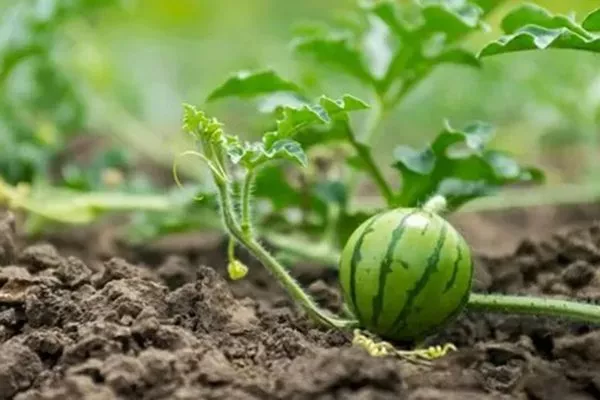
If the manufacturer's packaging recommends not treating the seeds before planting, follow the instructions. If no such instructions are available, soak the seeds for an hour in water at 50-55°C.
- Warm the seeds in water at a temperature of +50-55°C for 1 hour.
- Treat the seeds with a pink solution of potassium permanganate for 30 minutes.
- Rinse the seeds and treat them with a growth stimulant before planting.
Place the warmed seeds in a pink solution of potassium permanganate for half an hour, and after rinsing, treat them with a growth stimulant. Before planting, steam the soil first.
The best place
When planning to grow outdoors, choose a well-lit area. It should be protected from northerly winds. Prolonged shade can reduce the fruit's sugar content and delay ripening.
Soil composition and structure
Like most watermelons, the Top Gun variety prefers soil with a neutral or slightly alkaline pH. A soil mixture containing sand, turf, and humus is considered optimal. This mixture ensures good air permeability and does not retain excess moisture.
- ✓ The soil pH level should be strictly within 6.0-7.5 for optimal nutrient absorption.
- ✓ The soil should have high air permeability, avoid clayey areas.
In the fall, enrich the area with manure and thoroughly till the soil. After harvesting, plant green manure (peas, winter wheat, lupine). After the green manure sprouts, dig the bed over, which not only enriches the soil with nutrients but also improves its structure.
Temperature and light conditions
Plant seeds or seedlings in soil warmed to 10°C (50°F), provided the air temperature is above 14°C (57°F). When choosing a site for the bed, choose a sunny, well-drained location.
If the seedlings are being grown in a greenhouse, lighting can be increased using additional light sources. When planting watermelon seedlings outdoors, cover them with plastic film to protect them from potential temperature fluctuations.
Timely watering and fertilization
Watermelons react negatively to excess moisture, so water the melon patch after the top layer of soil has dried out. During flowering and fruit set, provide slightly more intensive watering, but avoid watering during the period of active fruit growth.
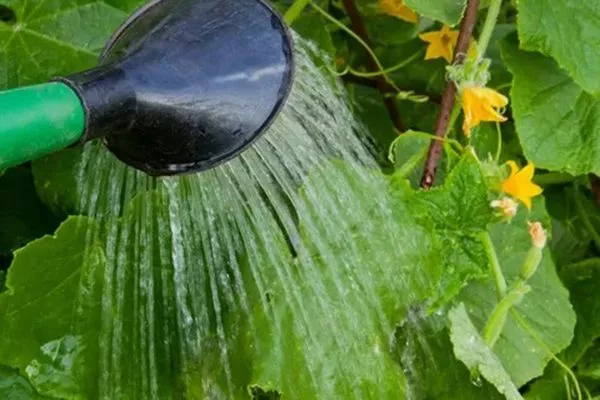
In case of rainy weather, cover the plants with plastic to prevent overwatering. Once the seedlings have successfully adapted to their permanent location in the open ground or greenhouse, approximately two weeks after transplanting, fertilize the bed with a mullein solution or a complex mineral fertilizer.
Features of cultivation and possible difficulties
When growing the Top Gun hybrid, pay special attention to the fertilizing regimen. Ensure a balanced diet, using both organic and mineral fertilizers.
Helpful tips:
- Use foliar methods such as spraying and dusting. For foliar treatments, use solutions of potassium permanganate, iodine, and even nettle or burdock infusions. These measures not only improve the plants' nutritional status but also protect them from disease by boosting their immunity.
- If the fruits become too large and heavy, place wooden planks underneath them. This prevents contact with the soil, reducing the risk of disease.
- Pay attention to weeding your garden beds, keeping them clean and tidy. Regularly removing debris and weeds helps maintain optimal growing conditions for plants.
- Before watering, loosen the soil, which helps saturate the roots with oxygen.
- Effective weeding serves as protection against pests.
All these measures contribute to the successful cultivation of Top Gun watermelons and ensure a caring approach to their health and yield.
Diseases and pests typical for the hybrid
Plant diseases are caused by various factors, such as rain, high humidity, heat, and fog. They can also be the result of improper plant care:
- Fusarium. It often appears in both greenhouses and open garden beds. Plants become covered in a coating, and the fruit becomes wilted and watery. To treat fusarium wilt, use Bordeaux mixture or colloidal sulfur.
- Powdery mildew. Occurs due to excess moisture. The leaves become covered with a white coating, which can be effectively removed by spraying with whey.
- Bacteriosis. This is a consequence of contaminated soil, which can lead to wilting and deformed fruits. To prevent this, use HOM or a copper sulfate solution, and remove and destroy infected bushes.
Harvesting and use of the crop
A ripe watermelon develops a glossy surface and stops growing. When tapped, a ringing sound can be heard. One side of the fruit takes on a yellowish tint, and the stem dries out.
Harvest the hybrid in mid-August. After harvesting, wipe the fruits with a dry cloth and store them in a dark place, such as a cellar or basement.
Watermelon can be used to make jellies, jams, sherbets, and juices. The fruit is used in fruit baskets, salads, and appetizers. Watermelon pairs beautifully with melon, banana, raspberry, and other fruits and berries.
Advantages and disadvantages of a hybrid
Before planting Top Gun watermelon in your garden, familiarize yourself with its pros and cons.
Reviews
There are many varieties of watermelon, but one of the true leaders among them is the amazing hybrid Top Gun. This variety, with its impressively large and delicious fruits, has gained popularity among gardeners due to its ease of cultivation and excellent taste.