
The Russian Birch watermelon is a popular variety that will surprise even the most seasoned gardeners. Its versatility and excellent taste have made it popular in many regions of Russia. It's important to learn the specifics of its cultivation to strengthen its immune system and achieve bountiful harvests.
Watermelon Russian Birch: Features
One of the key factors that makes the Russian Birch watermelon unique is its tolerance to low temperatures. Even in unfavorable weather conditions, this variety continues to grow and develop without sacrificing productivity.
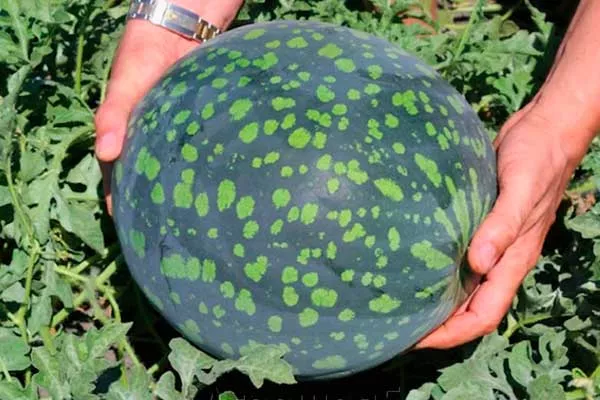
Bred by two Russian breeders – Sokolov S. D. and Sokolov A. S. The variety was obtained in 2015.
Productivity and ripening time
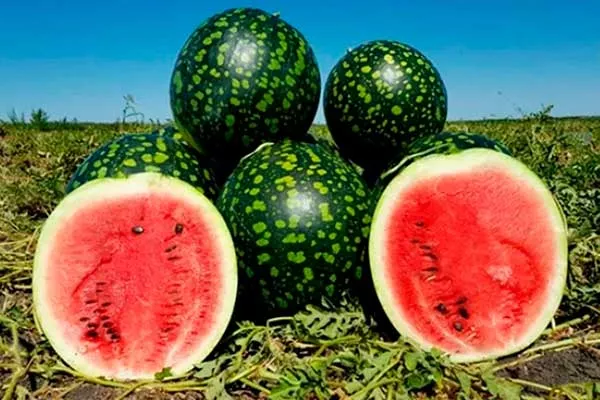
This mid-season variety has a growing season of 83 to 87 days. The time it takes for the fruit to fully ripen depends not only on climate but also on soil quality, so the timing may vary slightly. With proper care, it yields 5.6 to 6.4 kg per square meter, highlighting its high yield.
Soil and climate requirements
This crop is suitable for growing in both small and large-scale plots. Its excellent characteristics make it an attractive choice for gardeners of all experience levels.
Optimal soil type
Prefers light, loose, and fertile soils with a neutral or slightly acidic reaction. Ideally, it should be grown in sandy-clay soils with good air permeability. Avoid heavy clay soils, highly acidic soils, and soils with high salt content.
To improve the structure, prepare the beds in advance and add organic fertilizers, such as humus or compost, which will increase fertility and improve water retention. Soil quality significantly affects the yield and flavor of this variety's berries.
Climate conditions
This variety is well adapted to central Russia and is resistant to adverse weather conditions. It tolerates cool, wet springs and autumns, as well as summer droughts.
For successful cultivation, please observe the following conditions:
- Temperature: Optimal daytime temperatures are +25-30°C, nighttime temperatures are +17-20°C.
- Lighting: Bright sunlight is required, so choose open, sunny areas.
- Humidity: The soil should be moderately moist, without stagnant water, regular, but not excessive watering.
The Russian Birch is suitable for most regions due to its tolerance of low temperatures and atmospheric changes. With proper cultivation practices, this variety will reward you with a bountiful harvest of sweet and juicy watermelons.
Description of the Russian Birch plant
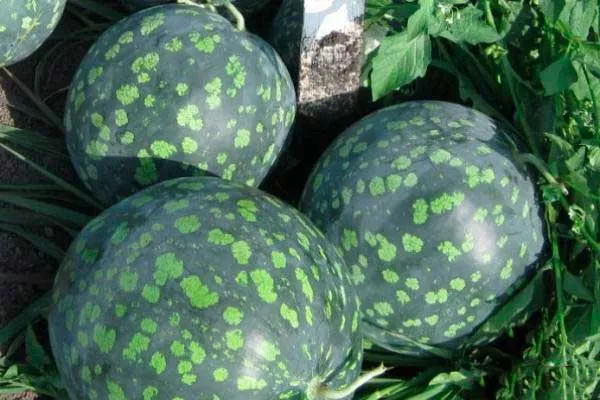
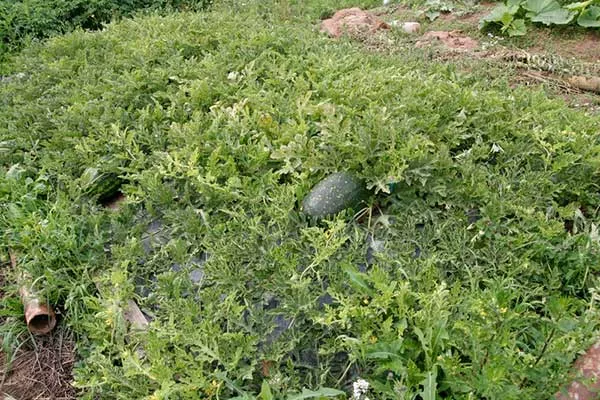
Belongs to the long-vine variety. The leaves are small, moderately dissected, and noticeably wrinkled. The leaf blades are gray-green in color.
Size and shape of fruits
The berries are large, weighing between 7 and 12 kg. They have a broadly elliptical shape. Other distinctive features:
- The bark is of medium thickness with an interesting coloring: on a light green background there are wide black-green stripes, which, when connected, create a light green mosaic pattern.
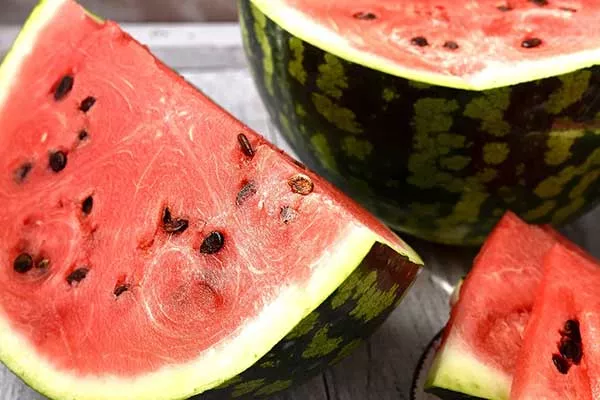
- The pulp is dense and pink in color.
- The seeds are medium-sized, brown, with a white pattern of dots and spots.
Taste qualities of the Russian Birch variety
The flavor is sweet, with a wonderful, balanced balance. The sugar content is within standard limits. Watermelons are most often eaten fresh, but they are also used to make mousses, cocktails, and ice cream.
Landing features
For successful cultivation, consider a number of factors. Follow certain agricultural recommendations:
- Choose flat or gently sloping areas that are well lit by the sun.
- The soil should be fertile, well-drained, and have a pH of around 6-6.5. Till the soil thoroughly before planting and add organic fertilizer.
- Before sowing, germinate the planting material.
- Grow seedlings in a greenhouse or under plastic at a temperature of 20-25°C. Water moderately to prevent berry rot.
- Plant after transplanting the seedlings or sow directly into the ground.
- ✓ The soil temperature during planting should not be below +15°C for optimal seed germination.
- ✓ The distance between plants should be at least 1 meter to ensure sufficient space for root growth.
Agricultural technology
Caring for the crop involves several important steps that will help ensure optimal conditions for plant growth and fruiting. Follow these agronomic practices:
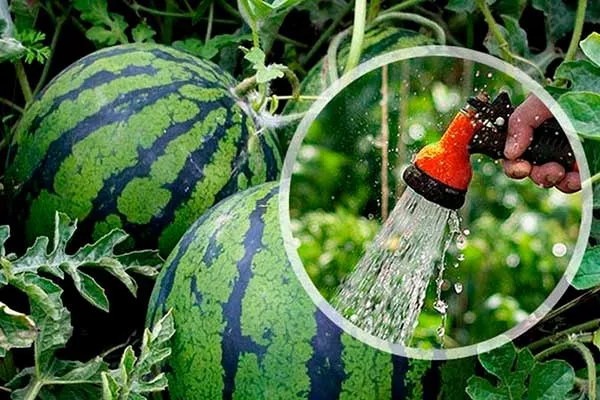
- Watering. Water the plants regularly, especially in hot weather. At the beginning of the growing season, water more frequently, but reduce the amount as the fruit develops.

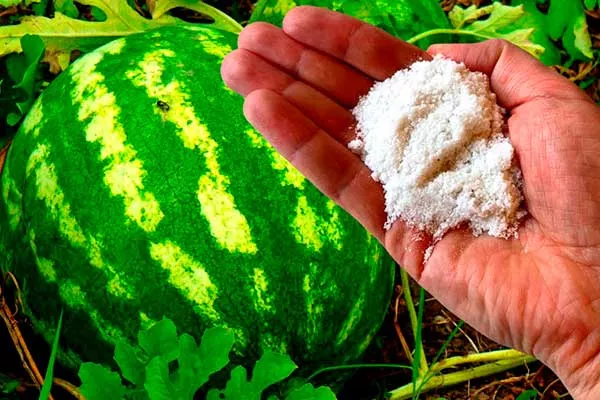
Use drip irrigation or apply water at the roots to avoid drips on the foliage, which can lead to diseases. - Top dressing. Add compost or humus before planting. During the growing season, fertilize the plants every 2-3 weeks with organic compounds, such as herbal infusion or chicken manure.
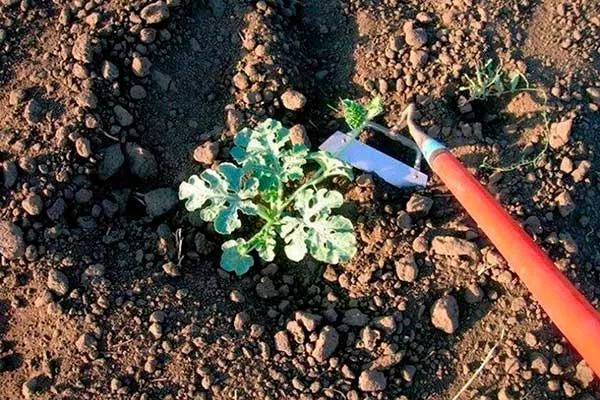
To increase yield, use complex mineral fertilizers. Apply the first fertilizer 2-3 weeks after transplanting, and then apply it during the period of active berry growth. - Weeding. Check the area regularly for weeds. Remove them to avoid competition for nutrients and moisture. Mulch the soil with straw or other material to prevent weed growth and conserve moisture.
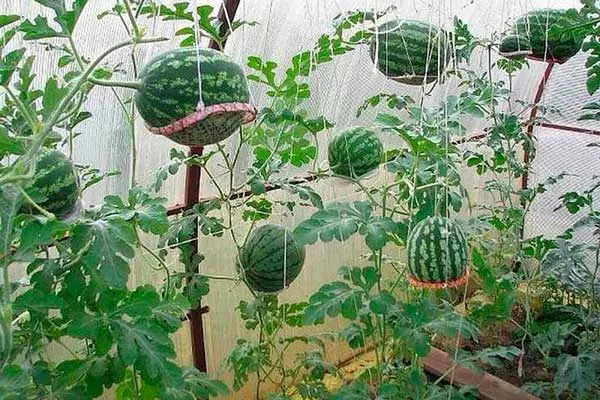
- Tying up. Secure the stems to supports, especially at the beginning of fruiting. This will help prevent damage to the watermelons and improve their light exposure.
The culture has a strong immune system, but if not properly cared for, it can be exposed to various problems:
| Disease/Pest | Symptoms/Signs | Methods of control |
| Powdery mildew | White coating, slow plant growth, fruit deformation. | Treatment with fungicides (Topaz, Fundazol), removal of affected parts, proper watering. |
| Anthracnose | The appearance of brown spots on green mass and berries, which darken and increase in size over time. | Use of Bordeaux mixture or copper-containing preparations, removal of diseased specimens. |
| Fusarium wilt | Withering of leaves, yellowing, dying of shoots. | Spraying the soil with fungicides (Previkur), crop rotation, removing infected areas. |
| White rot | The appearance of white plaque on the stems, root rot, wilting. | Burning diseased plants, using Hom and Fitosporin preparations, improving ventilation and drainage |
| Aphid | The presence of small insects on the leaves, curling and yellowing. | Use of soap solution or insecticides (Aktara, Fitoverm), destruction of anthills. |
| Spider mite | Thin webbing on all parts of plants, yellowing and drying of leaves, small spots. | Acaricides (Actellic, Fitoverm) are effective. Increasing air humidity and eliminating weeds are also helpful. |
| Thrips | Silvery specks, curvature of shoots and deformation of fruits. | Insecticide treatment (Confidor, Aktara), weed control, regular plant watering. |
| Disease | Variety resistance | Recommended preventive measures |
|---|---|---|
| Powdery mildew | High | Regular ventilation of plantings |
| Anthracnose | Average | Treatment with copper-containing preparations before flowering |
Positive and negative qualities
The Russian Birch watermelon is suitable for cultivation in various regions of the country. It thrives in both southern and northern regions, and is popular in the central part of the country.
Among the drawbacks, gardeners note only average transportability. The fruit may be damaged during long journeys or on uneven roads.
Reviews
The Russian Birch is a versatile watermelon variety that is resilient to adverse conditions. Its exceptional flavor and excellent characteristics make it an excellent choice for gardening. It's important to follow planting and care recommendations to maximize productivity and produce high-quality berries.