
The Kholodok watermelon variety is a true highlight of Russian gardening. It can be grown not only for homeowners but also for sale. Its popularity stems from its long shelf life and distinctive flavor.
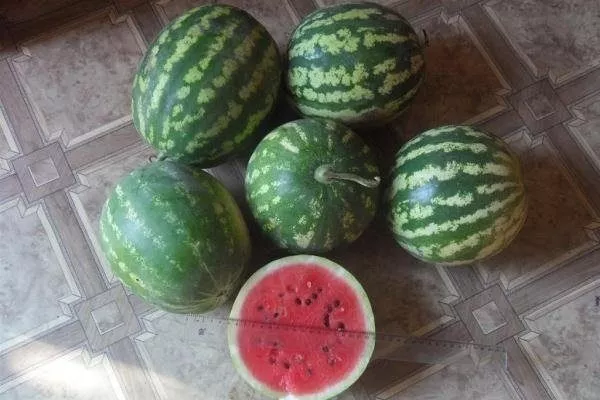
Watermelon variety "Kholodok"
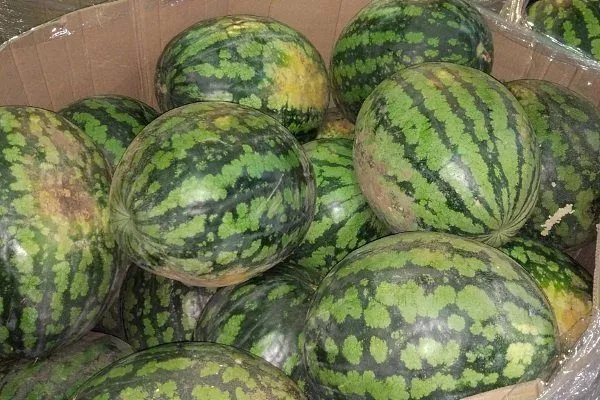
The "Kholodok" watermelon is an achievement of Russian selection.
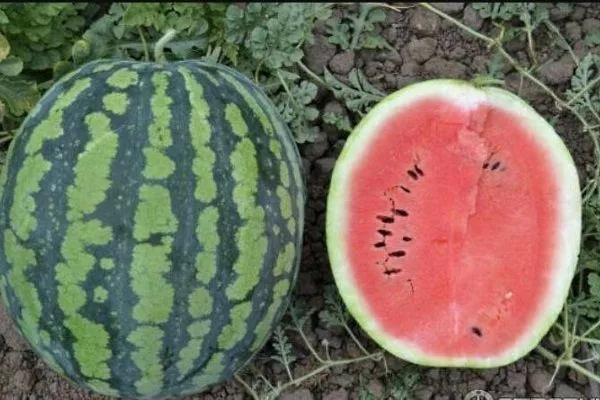
The "Kholodok" variety is very popular due to its delicate, juicy, sweet taste and long shelf life.
History of selection and growing region
The melon crop "Kholodok" first appeared in the African deserts. The Egyptians developed this variety many years ago. It arrived in Russia in the 8th century.
At first, the Kholodok was small and had a cloying, slightly bitter taste. However, it was domesticated (breeders crossed the original Kholodok with two other watermelon varieties), and the berry acquired a sweet flavor and grew significantly in size. The Volgograd region is considered the birthplace of this melon.
The Volga region, the Southern Urals, and Astrakhan produce good harvests. The entire region of the native land is ideal for growing the crop for commercial purposes. Astrakhan is considered the capital of the watermelon industry.
Description of the watermelon variety Kholodok
It's a mid-season crop. It takes about 90 days from planting to the first harvest. The yield is considerable: under favorable weather conditions, at least 35 tons of fruit can be harvested from 1 hectare of land. A gardener can harvest approximately 7 kg of fruit from 1 square meter.
Characteristics of the variety
It differs from other members of its species in its unique ease of care, long shelf life, and excellent taste. It can be grown indoors or outdoors. It is characterized by low calorie content and a high content of micronutrients. It should not be confined to a small area for cultivation, as it will begin to spread and branch out.
One shoot can reach 5 m in length.
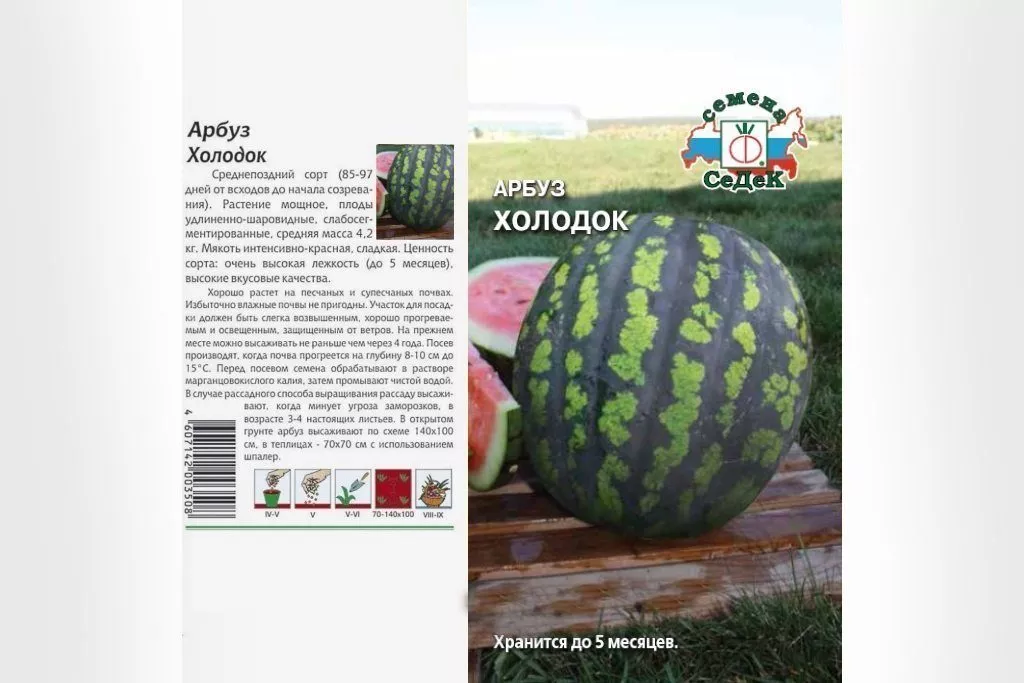
The plant's foliage is green, the berries are slightly elongated, and each fruit weighs approximately 4 kg. The skin is green and medium thick. When cut, the berries are red-grained, and the flesh is tasty and pinkish.
The berry tolerates low temperatures without problems, but it's best grown in warm climates with long summers. Harvesting begins in late summer. It keeps until the first frost.
Features and differences from other varieties
It tolerates transportation well, and the fruit can retain its marketable appearance for up to 5 months. A distinctive feature of this cultivar is its good resistance to a variety of diseases. Powdery mildew, anthracnose, and fusarium wilt are all tolerated.
Melon is considered one of the most popular varieties throughout the CIS. It is grown for fresh consumption and for canning.
Advantages and disadvantages of the variety
A huge list of advantages ensured the culture's widespread distribution throughout the post-Soviet space.
Advantages of the watermelon Kholodok:
- sweet fruits;
- impeccable commercial appearance;
- bears a large amount of fruit;
- long shelf life;
- excellent transportation;
- withstand different temperatures.
Disadvantages of watermelon:
- a huge area is required for its cultivation;
- additional shoots – shoots regularly form on the berries, which should be removed manually.
The video below provides an overview of the "Kholodok" watermelon variety:
Where, when and how is it best to grow the Kholodok watermelon?
Planting in open ground should not take place before the end of May, otherwise the plant will not take root. Choose a sunny, draft-free location. If the climate in your region is harsh, plant the seedlings in a greenhouse or hotbed.
Not every gardener can grow this crop. The plant requires constant care. If the conditions aren't right, the berries won't be as sweet as they should be.
Seed preparation
Today, watermelon seeds can be purchased at any garden market or specialty store. However, melon growers must be sure that the seeds they purchase are truly high-quality planting material.
A single Kholodok seed reaches 1.5 cm in length—considered significant for this crop. The seed is rough to the touch.
Seeds respond well to warming; this should be done within a week; simply expose the seeds to the sun. They can also be heated at home using special heaters. At home, dry the seeds for four hours a day for a week.
Before planting, seeds should be soaked in a solution of potassium permanganate and then rinsed under running water.
Sowing seeds
There are two ways to plant watermelon seeds: as seedlings or in soil. Let's look at each method:
- For seedlings. Watermelon seeds are sown in prepared pots filled with soil. The planting pattern is 70 x 150 cm. The best time to plant seeds for seedlings is April if transplanting to a greenhouse, and late May if transplanting to open ground. The seedlings are ready for transplanting after one month, when the plant has developed four full leaves.
- Into open ground. Some gardeners plant seeds directly in open ground. When the plants begin to emerge, they remove weak and diseased shoots, leaving only the strong ones. This method is not entirely convenient, as not every seed will thrive in open ground. The first option is better.
Caring for seedlings
The Kholodok watermelon seedlings will begin to grow and develop fully if three main conditions are met:
- constant watering;
- 12-hour lighting;
- application of fertilizers.
Seedlings should be watered with settled, non-cold water. Avoid getting moisture on the leaves. If natural light is insufficient, install special phytolamps.
After the third leaf appears, the plant is fed with slurry or a complex fertilizer. Before planting, the seedlings are hardened off outdoors. On the first day, they are taken outside for a couple of hours, then for three, four hours, and so on. This procedure helps the seedlings acclimate to the fresh air.
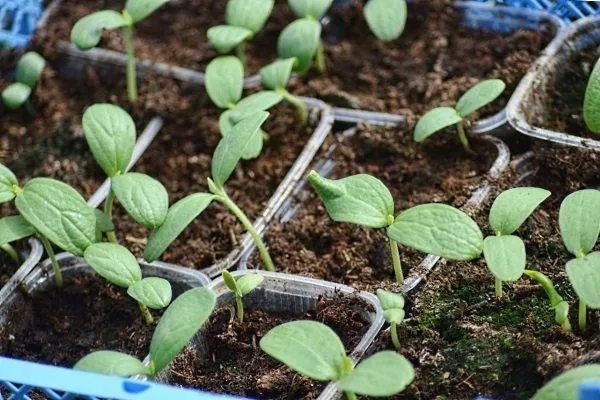
Thanks to hardening, Kholodok takes root faster in open ground.
Planting in the ground
The first step is to select suitable soil, as watermelons don't thrive in all types of soil. Light, well-drained soils are ideal. There are two planting options:
- Planting in a greenhouse. This method is suitable for central Russia. Plants are planted in rows, leaving approximately 80 cm between seedlings. The Kholodok watermelon occupies a large area and has a strong root system, so maintaining proper spacing is essential. The width between rows should be approximately 1.5 m. The vines are tied to trellises. On branches up to 1.5 m long, all side shoots are cut off. Pinching of shoots taller than 0.5 m is essential.
- Planting in open soil. This method is suitable for any southern region. The soil must be warm, and the plant is planted at a depth of 0.1 m. The chilling process is carried out "spreading out," using the standard method.
Care Features
A watermelon plant won't grow without care. It needs regular watering and feeding. Preventative treatments against pests and diseases are also important.
Removing excess shoots ensures a tasty and abundant harvest. Each bush produces no more than four berries.
In a greenhouse, watermelons need adequate air circulation. The variety dies in high humidity. In closed soil, watermelons are tied up, and the berries are placed in nets or on stands.
Watering
Watering should be done once every 10 days. Use about 3 buckets of settled, warm water per square meter. Increase the frequency of watering on sunny days and during flowering. In this case, water twice a week.
The soil is additionally moistened between plantings. After watering, the soil is cleared of grass and organic debris.
Loosening
Loosening is done on damp soil. Once the watermelons have grown, this procedure can be omitted, as gardening tools can damage the plants' root system and the berries themselves.
Top dressing
Watermelon Kholodok is fed twice per season:
- Two weeks after transplanting the plant outdoors, apply nitrogen-rich fertilizer. Simple natural solutions such as chicken manure or mullein can be used. The fertilizer to water ratio should be 1:12. Apply the fertilizer to the roots; do not pour it onto the leaves or shoots.
The second feeding option: use ammonium nitrate. Dissolve 20 g of this product in 5 liters of water. In the future, avoid using nitrogen, as it promotes the growth of green mass. - During bud formation, use complex fertilizers. Each plant requires 5 g of potassium salt and 5 g of superphosphate. Apply the fertilizers directly to the soil or dissolve them in water.
Trimming
Formative pruning helps remove excess shoots from the plant. This also includes pinching back the main shoot; the bush should retain three or four established fruits. Any more than this will result in small, unpalatable berries.
Garter
Once the seedlings have gained some strength, they should be tied up. This will significantly save time and effort for the owner of the Kholodok watermelons.
They are tied to a trellis at a height of 0.5 m from the ground. This is done to ensure that each plant receives sufficient light and warmth. Don't forget to trim off any side shoots from the tied fruits.
Seed collection
There's no need to buy Kholodok watermelon seeds if you can harvest them yourself. This variety is not a hybrid, so the seeds are ideal for next year's harvest.
To harvest watermelon seeds, leave a couple of fruits on the plant; don't remove them. The plants should be overripe. Then, cut the fruit open and select the dark-colored seeds.
- ✓ The seeds must be fully ripe, which is determined by their dark color.
- ✓ Fruits for seed collection should be left on the plant until overripe.
Natural selection is carried out: all the seeds are placed in water, and those that sink to the bottom are suitable for growing next year. They are dried on a cloth and left in the sun. They should dry for about a week.
Watermelon seeds should be stored in a simple cloth. Do not use any closed containers.
Diseases and pests
If the planting material is high-quality, the crop will be disease-free. Many reviews claim that Kholodok is moderately resistant to fusarium, anthracnose, and powdery mildew. With proper planting, the risk of these diseases is minimal.
Many diseases are caused by fungal spores. As the fungus spreads, it causes various spots on the foliage. Eventually, the berries lose flavor, rot, and change shape.
Diseases should be combated with special means, the best of which are Decis, Fundazol and Bordeaux mixture.
Greenhouse-grown watermelons can be susceptible to certain pests. The main enemies are spider mites and melon aphids. They suck the sap from the leaves, causing the green foliage to dry out. Folk remedies can be used to combat these insects. Infusions of potato tops, datura, and chamomile are popular.
To prevent aphids from attacking Kholodok watermelons, dust the plants with tobacco dust and wood ash. Chemical pesticides should only be used before flowering.
Gardeners' reviews
The Kholodok watermelon is a heat-loving melon that can be grown in any climate. In cold climates, seedlings are planted indoors. This variety is prized for its sweet flavor, excellent transportability, and long shelf life. Kholodok is easy to care for—regular watering and fertilization—and will reward you with a bountiful and delicious harvest.