
The Tamerlan watermelon has gained immense popularity due to its excellent productivity and exquisite flavor. It is distinguished by its adaptability to various climate conditions. It is important to devote some attention and care to the plants to ensure consistent harvests in the future.
Origin
Bred by Paul Degreef and approved for use in 2016, this high-yielding variety is suitable for both greenhouse and plastic shelter cultivation. It is successfully cultivated outdoors in southern regions.
Description of the plant and fruits
Tamerlane is a climbing shrub with a long main stem. The medium-sized leaves are dissected and slightly wrinkled, and are a classic green color.
Distinguishing characteristics:
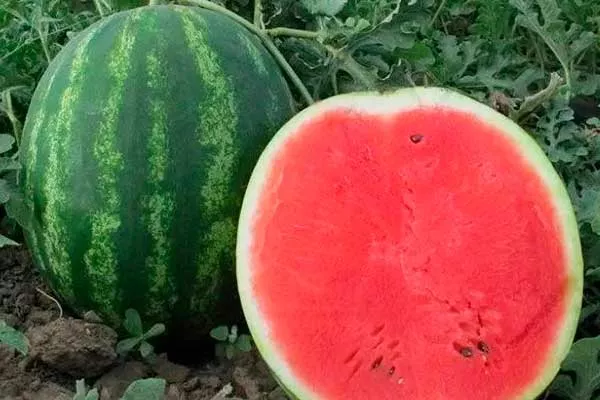
- Each plant can produce up to two elliptical fruits. They are not particularly large, weighing up to 4.3-5.6 kg.
- The thin rind of watermelons has a characteristic variegated color: on a green background there are spiny stripes of medium width.
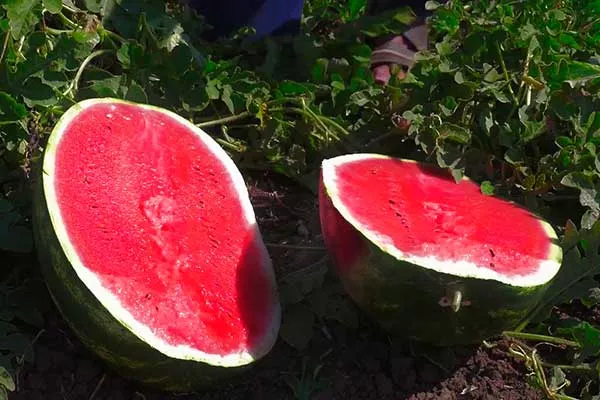
The pulp is medium-firm and red in color, with moderate juiciness. It contains small, dark-brown seeds with a pattern of small spots and dots.
Taste and purpose
The berries are ideal for fresh consumption. The pulp is often used in various dishes and desserts, for decoration, and in beverages. The variety's taste is rated excellent. The sugar content is high—from 5.0 to 6.3%.
Ripening and yield
This variety is considered a mid-early variety. The time from germination to harvest averages 67 to 82 days.
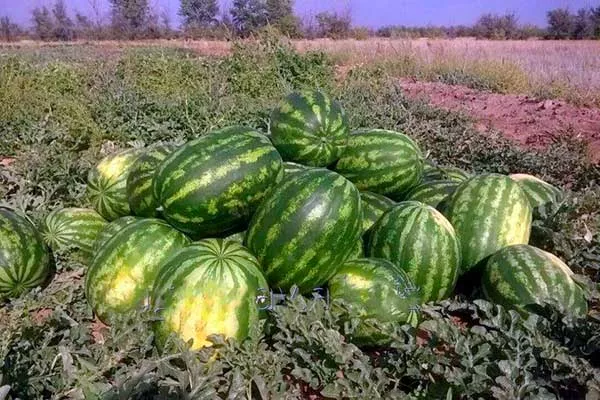
The crop is characterized by good productivity, but this depends on various factors, including agricultural practices and climatic conditions. Yield levels can vary significantly across different regions.
Growing regions
The preferred growing areas for the Tamerlan watermelon are the North Caucasus, Lower Volga, and Ural regions. However, this variety is also successfully cultivated in other regions, provided favorable conditions and proper care are provided.
Other characteristics of the variety
It has good resistance to common diseases, including powdery mildew and anthracnose. The berries have a thin but tough rind. This allows them to store well, provided they are stored under the right conditions. They remain fresh for a long time after picking.
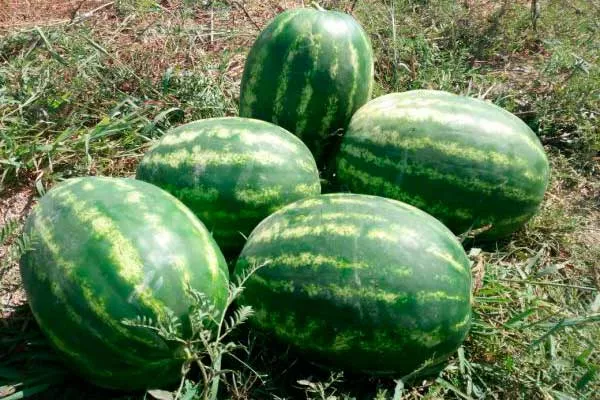
The plant is relatively easy to grow and adapts to a variety of soil types, although light, well-drained soils are preferred. You can determine the ripeness of the fruit by its size and the characteristic dull sound it produces when tapped.
Subtleties of planting
The plant prefers sunny sites with good wind protection. Ideally, it should be located on a south-facing surface and not shaded by trees or buildings.
Follow these recommendations:
- The soil should be light, well-drained, and rich in organic matter. First, dig deeply, add compost or humus, and add mineral fertilizer.
- Harden the seeds to better withstand temperature changes. To do this, first place them in hot water for 2-3 minutes, then in cold water.
- Plant seeds when the soil warms to 15°C and the danger of frost has passed. This usually occurs in late spring or early summer, depending on the region.
Further cultivation
Caring for Tamerlan watermelons involves several important aspects that will help ensure healthy growth and high yields. Follow standard agricultural practices:
- Watering. Provide the plant with regular watering, especially during flowering and fruit formation. Use warm, settled water. Pour water at the roots, avoiding drips on the leaves and fruit. Avoid overwatering, as this can lead to root rot.
- Fertilizers. Apply the first fertilizer 2-3 weeks after germination. Use organic fertilizers, such as mullein or chicken manure infusion. Then apply complex mineral fertilizers, such as superphosphate and potassium, during the growing and fruiting seasons.
- Mulching. This procedure helps conserve moisture, reduce weeds, and prevent roots from overheating. Add straw, grass, or compost to the tree's root zone.
- Pinching out stepsons. Removing excess shoots and side shoots helps focus the plant's energy on berry formation, improves ventilation, and reduces the risk of disease.
- Garter. Since Tamerlan is a climbing variety, tie the shoots to supports or trellises. This prevents the watermelons from touching the ground, reducing the risk of rot and improving light reception.
- Water plants in the morning to reduce evaporation and the risk of disease.
- Use drip irrigation to minimize water contact with leaves and fruits.
- Increase the frequency of watering during the flowering and fruit formation period to 2-3 times a week, depending on weather conditions.
Despite its strong immune system, this variety can be susceptible to various problems, most often caused by improper care. It's important to take timely measures:
| Disease/Pest | Signs | Treatment methods |
| Late blight | Brown spots on leaves, fruits become soft and may rot. | Treatment with Fitosporin or other fungicides, removal of affected specimens. |
| Powdery mildew | White powdery coating on leaves, then yellowing and drying out. | Use of antifungal drugs, compliance with agricultural practices. |
| Blossom end rot | Black spots on fruits, deterioration of taste. | Application of calcium nitrate, optimization of irrigation and fertilization. |
| Blackleg | Dark spots appear at the base of the stem. The plant wilts. | Prevention using potassium permanganate, avoiding over-watering of the soil. |
| Spider mite | Small yellow spots on the leaves, the appearance of cobwebs, drying out of shoots. | Use of acaricides, regular spraying with water to increase humidity. |
| Aphid | The leaves are curling and becoming dry. There are ants on the plant. | Insecticides or soap solution are effective in attracting beneficial insects. |
| Colorado beetle | Damage to foliage, appearance of characteristic holes, larvae on all parts. | Manual collection of beetles and larvae, use of chemical or biological preparations. |
Positive and negative qualities
Before planting a crop in your garden, carefully consider its advantages and disadvantages. The Tamerlan watermelon has many advantages:
Gardeners also note several negative qualities: dependence on agricultural conditions, the need for regular watering, sensitivity to overwatering, and the need for supports or trellises. The plants require careful care to prevent disease.
Reviews
Tamerlan is a popular watermelon variety that has received many positive reviews. In a short period of time, gardeners have come to love it for its high productivity, strong immunity, and ease of cultivation both outdoors and in greenhouses. By paying attention to the correct growing conditions and caring for the plants, you can reap bountiful harvests.