
The Siberian Lights variety is an excellent choice for gardeners who want to enjoy sweet and juicy watermelons. With proper care, you can easily grow this crop in your garden, without the physical effort or time-consuming tasks of basic gardening.
Who developed the variety and when?
Breeders led by V. G. Vysochin have created a popular watermelon variety that performs excellently when grown in regions with short summers. The plant thrives in the country's colder regions.
Description of the plant and fruits
The Siberian Lights watermelon impresses with its unique appearance. Ripe fruits of this variety stand out with their bright red flesh, creating a visual contrast with the dark green rind. This variety draws attention with its vibrant and rich color palette.
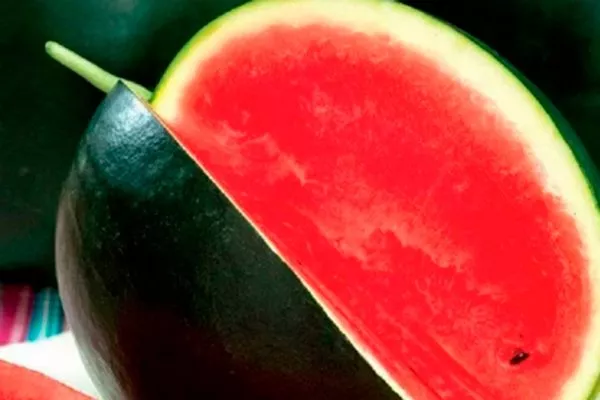
The flesh of ripe fruits has a texture reminiscent of a crunchy candy. It is rich in juice, creating a unique combination of freshness and sweetness.
The fruit shape remains classic, round or oval, but its weight ranges from 1-2.4 kg. Each bush of Sibirskie Ogni, when grown commercially, promises a bountiful harvest, reaching up to 370 centners per hectare.
Taste and purpose
The ripe fruit of Siberian Lights is characterized by rich red flesh, a crisp texture, and rich juice. The high sugar content of the flesh gives it a sweet taste and an intense watermelon aroma.
- ✓ Cold tolerance allows cultivation in regions with short summers.
- ✓ High sugar content (7.3%) provides the sweet taste of the fruit.
The fruit contains 7.3% sugar and is also rich in minerals and vitamins. Watermelons of this variety are often eaten fresh as a dessert due to their juiciness and sweetness. They are also used for pickling and preserving for the winter.
Ripening and yield
This variety is considered early maturing, with only 75-80 days between germination and harvest. Seedlings are grown indoors and can be transplanted outdoors in early summer. By late summer and early fall, the fruits reach commercial maturity.
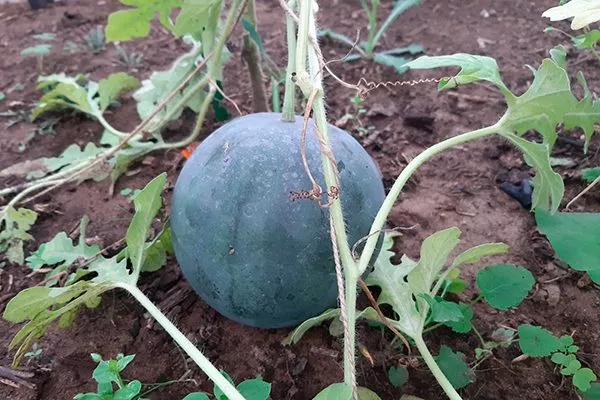
Each bush produces several fruits, weighing between 1 and 2.4 kg. When grown commercially, the yield is impressive, reaching up to 370 centners per hectare. These characteristics make the Sibirskie Ogni variety efficient and suitable for commercial use.
In what regions can it grow?
By studying the characteristics of heat-loving melons, breeders developed a cultivation method for areas with limited warmth. Early-ripening, cold-resistant, and short-growing varieties were created.
These varieties produce a harvest in the Moscow region, the Urals, and northern Russia. Sibirskie Ogni watermelons thrive and produce fruit even in the short Siberian summer.
Advantages and disadvantages of the variety
Before planting a new watermelon variety in your garden, familiarize yourself with its positive and negative qualities to avoid any unexpected issues.
Rules for planting and growing the variety
To ensure successful watermelon cultivation, it is recommended to use high-quality seeds. The ideal choice for this process are seeds available at specialized retailers.
Planting date
The best time to sow seeds outdoors is in the last days of spring, as germination typically takes about 7 days. During this period, temperatures in the region rise significantly.
Plant seedlings in a greenhouse or directly into open soil from June 10 to 15, and sow seeds for growing seedlings from April 23 to May 1.
Soil composition for planting
Creating ideal growing conditions requires a harmonious combination of fertile soil, good drainage, and adequate aeration, which is essential for a bountiful watermelon harvest. Given watermelons' preference for loose soil, loosen compacted soil by breaking up clods.
- ✓ The optimal depth of the fertile layer should be at least 40 cm to ensure normal development of the root system.
- ✓ Good drainage is critical for watermelons to prevent waterlogging and root rot.
Watermelon plants thrive in soil with a slightly acidic to neutral pH, typically between 6.0 and 7.0. To ensure optimal growth and nutrient absorption, properly test and adjust the soil pH if necessary. If the soil is too acidic, apply lime.
A balanced combination of essential elements (nitrogen, phosphorus, and potassium) promotes strong foliage, a robust root system, and abundant fruiting. Organic fertilizers (compost or manure) are essential for watermelons.
Size of the planting hole
Prepare watermelon planting beds in advance, starting in the fall. Watermelon roots penetrate to a depth of 40 cm, and if the loose, fertile soil layer isn't deep enough, the plants won't develop properly. In heavy clay soils, dig planting holes 45-50 cm deep.
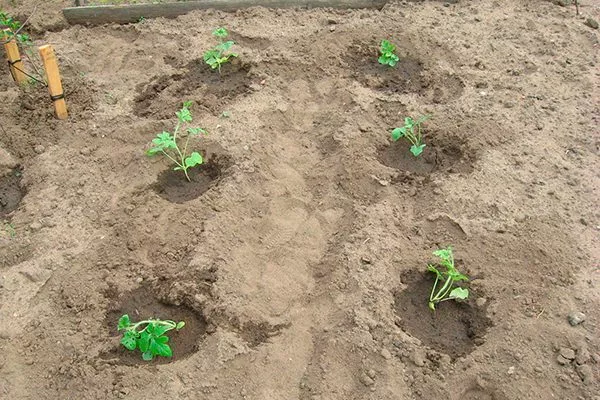
In cool climates, watermelons are grown in raised, warm beds. Organic material is placed in a narrow trench, and rows of holes are placed along both sides. The distance between rows is 80 cm, between plants within a row – 1 m, and between the edges of the beds – at least 3 m.
Landing site
Watermelons are sunlight-dependent plants, so when choosing a planting location, choose a spot that receives full sun, preferably at least 6-8 hours per day. This promotes vigorous growth and the formation of sweet, juicy watermelons.
Preparing and sowing seeds
Experienced gardeners know well that careful seed preparation plays a crucial role in ensuring strong and uniform germination. This crucial process involves several steps, each of which must be completed in a specific sequence.
In greenhouses
In Siberian regions, characterized by long, frosty winters and short, very hot summers, melons and gourds often face the challenges of variable climate conditions. Greenhouses are preferred for growing early-ripening watermelon varieties in such conditions.
Greenhouse areas are typically equipped with thick, transparent film, covered with two or three layers to enhance the greenhouse effect. More durable and reliable structures made of modern materials such as polycarbonate are no less popular.
Plant the seedlings in well-prepared soil that's thoroughly dug, loose, and enriched with mineral fertilizers and organic matter. Step-by-step instructions:
- Dig holes.
- Add 2 kg of humus to each hole and fill with water until a mushy mass is obtained.
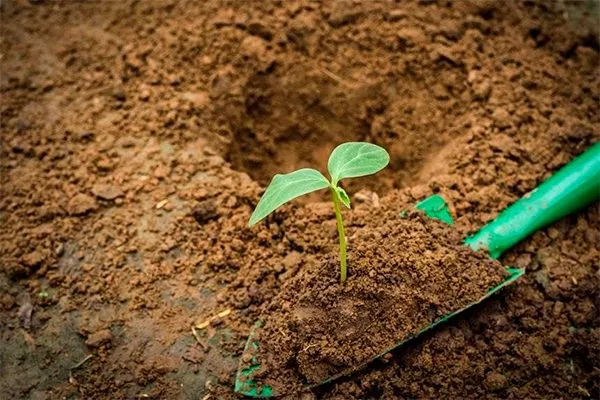
Place one seedling in each hole, along with a lump of soil or a peat pot. Fill with soil, leaving the root collar exposed, and compact it lightly.
In open ground
Selecting the right variety is key to successfully growing watermelons in Siberian conditions. Experienced agronomists agree that the Sibirskie Ogni variety is ideal. When deciding to grow watermelons in your garden, carefully follow proper agricultural practices and adhere to the basic requirements.
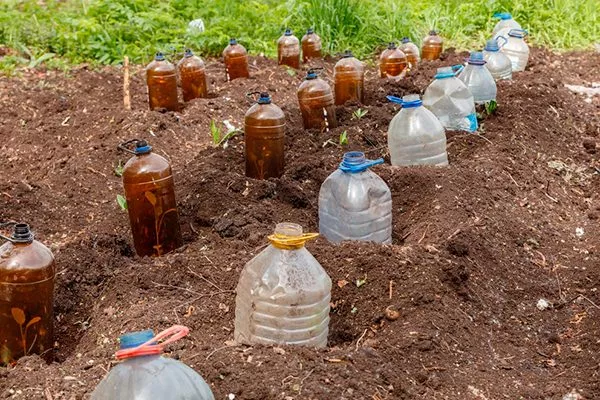
Steps to plant watermelons:
- Dig planting holes.
- Add a mixture of 1 part rotted manure to 2 parts soil to each hole. Then water with hot water and wait until the soil becomes slightly warm to the touch.
- Plant one seedling per hole, complete with a root ball. Fill with soil, compact lightly, and, if necessary, add a layer of sand around the roots.
To protect against sudden frosts, cover each plant with a homemade structure using half a plastic bottle.
Key points of growing watermelon
The Siberian Lights variety does not tolerate excessive soil moisture, so water sparingly. Stop watering completely about 1.5 months before the fruit ripens. During this period, it's a good idea to apply a potassium-phosphorus fertilizer.
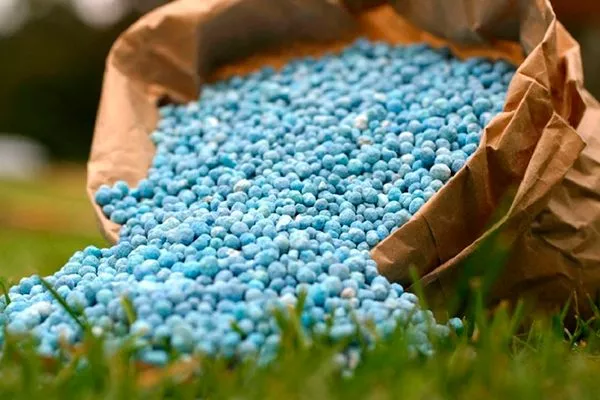
When fruit sets, train the bush, leaving only three shoots on each plant. This promotes uniform ripening of the large fruits. Fertilize the plants three times during the season: a few weeks after planting, during flowering, and when fruit sets.
Use herbal infusions, ash, mullein, bird droppings, and other natural ingredients as fertilizers. The first feeding should be done 14 days after planting:
- grass (nettle, burdock, chamomile, dandelion leaves) - 3.5 kg;
- water - 10 l.
Pour water over the herbs and leave in a warm place for 10 days. Dilute the resulting infusion with water in a ratio of 1 to 9 and use it to water each plant.
Second feeding, during the flowering period:
- Superphosphate - 6 g;
- potassium chloride - 4 g;
- ammonium nitrate - 4 g.
Apply these fertilizers after a good watering of each bush.
Third feeding – formation of ovaries:
- boric acid - 5 g;
- water - 5 l.
Use the solution to spray plants. Repeat the procedure after 2 weeks.
The Siberian Lights variety requires watering no more than once a week. Use approximately 7 liters of water per hole. Water in the morning or evening (after sunset). Stop watering one month before the fruit ripens.
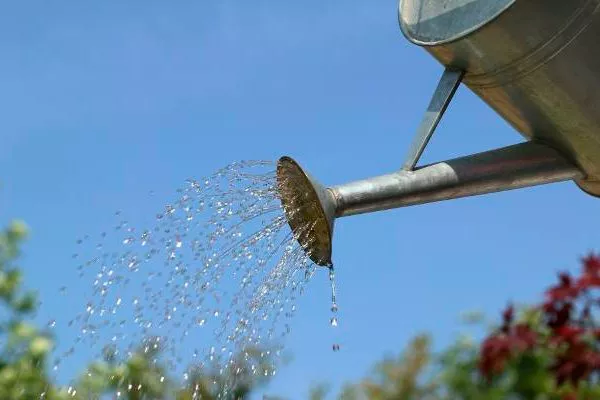
Applying an organic mulch layer around the base of plants helps retain moisture, regulate soil temperature, and suppress weed growth. Use straw, shredded leaves, or wood chips. This material protects the soil from excessive evaporation and temperature fluctuations.
Pests and diseases
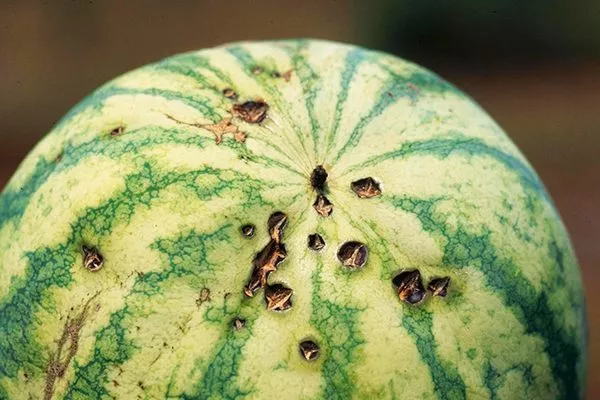
This variety has strong immunity to common diseases, but, like all melons, can be susceptible to insect attacks if not properly cared for. The table provides recommendations for disease and pest control:
| Pests | Signs | Treatment |
| Melon aphid | Colonies of insects live on the underside of leaves, wrapping themselves around the plant. Leaves curl, and inflorescences and other parts die. | Spraying with wormwood infusion, treatment with wood ash, soap and tobacco dust. |
| Click beetle larvae | Orange caterpillars with a hard body damage the roots, causing rotting and the gradual death of the bush. | Treatment with Tilt, Topaz, Stroby. |
| Spider mite | The tiny pest entangles leaves and shoots in a fine web, feeding on the sap. The leaves dry out. | Treatment with Fundazol and Agravertine. |
| Thrips | Small insects with thin, elongated bodies feed on the sap, leaving drying holes in the leaves. The bush dies completely. | Treatment with an infusion of onion peel and soap, use of chemicals Fitoverm, Commander. |
| Fly larvae | The adult insect lays eggs that attack the roots of young seedlings. The body and wings are gray-brown. | Treatment with Zenkor. Preventive seed treatment before sowing. |
Storage and transportation
Determining harvest time is simple: when the berries are fully ripe, the tendril and scapula of each one dry out. Other methods include tapping or squeezing the fruit: if you hear a dull sound or a cracking sound, this indicates full ripeness.
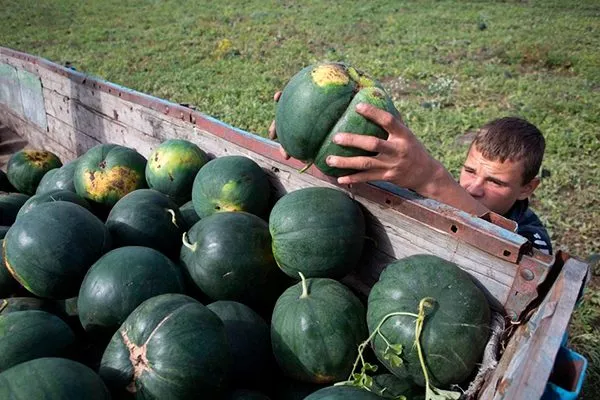
To transport the harvest, use crates or line the bottom of the trailer with straw and spread the fruit on it. For long-term storage, it's best to use a refrigerator, pantry, or cellar at a temperature of 1 to 5°C and 80% humidity.
Reviews of the Siberian Lights watermelon
Siberian Lights is considered one of the best watermelon varieties, specifically bred to thrive in harsh climates. This cold-hardy plant can successfully grow and produce fruit both outdoors and in greenhouses. Proper planting and timely care are essential.