
Today, there are many varieties of barley. They differ primarily in sowing time—they are classified as winter and spring varieties. Other differences include yields and resistance to climate conditions and diseases. You can learn more about the characteristics of barley varieties by reading this article.
Winter crops
Winter barley varieties have high cold resistance, so they are sown before winter.
This variety should be sown in September. This period is most favorable for seed germination. The soil should be rich in all the necessary nutrients to ensure the seeds are nourished throughout the winter.
The following varieties are considered the most popular for planting.
| Name | Yield (c/ha) | Ripening period (days) | Plant height (cm) |
|---|---|---|---|
| Ark | 64 | 275 | 100 |
| Selena Star | 78 | 285 | 100 |
| Borysthenes | 75 | 288 | 100 |
| Hard worker | 60 | 288 | 100 |
| Dobrynya 3 | 95 | 250 | 95 |
| Casket | 50 | 276 | 85 |
| Rostov 55 | 45 | 270 | 85 |
| Prikumsky 50 | 60 | 225 | 80 |
| Babylon | 90 | 250 | 95 |
| Skorokhod | 80 | 220 | 100 |
| Rosava | 65 | 250 | 95 |
| Atlas | 80 | 270 | 93 |
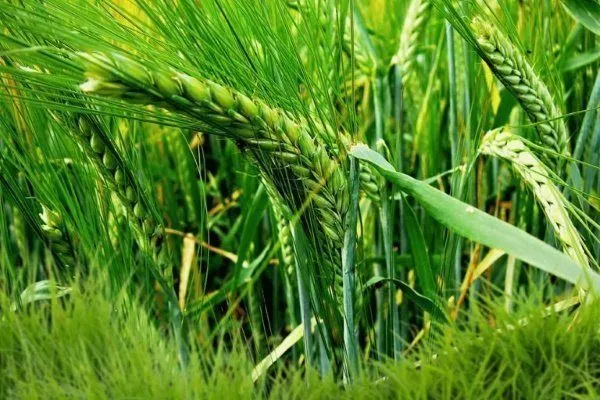
Ark
Plant parameters:
- the grains have slight pubescence;
- weight of 1000 grains – approximately 52 g;
- contain a large amount of protein;
- resistant to shedding.
It matures in 275 days. The yield is 64 c/ha.
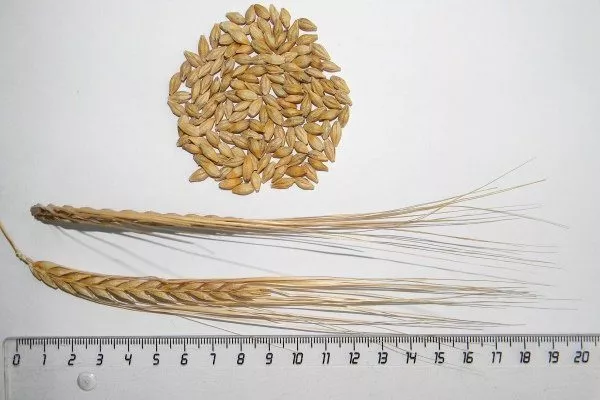
Selena Star
Traits characteristic of the variety:
- the plants reach 1 m in height;
- 1000 grains can weigh 47 g;
- does not shed;
- resistant to many diseases.
The ripening period is 285 days. The maximum recorded yield was 78 c/ha.
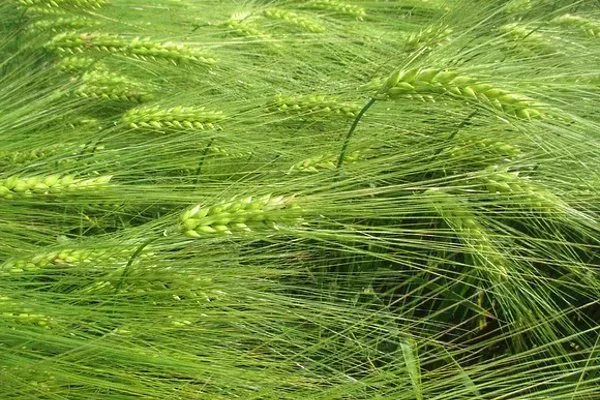
Borysthenes
Characteristic features:
- plant height – about 1 m;
- the weight of 1000 grains is 43 g;
- contains a large amount of protein;
- resistant to many diseases.
At least 288 days pass from seedling emergence to full maturity. The variety's yield averages 75 centners per hectare.
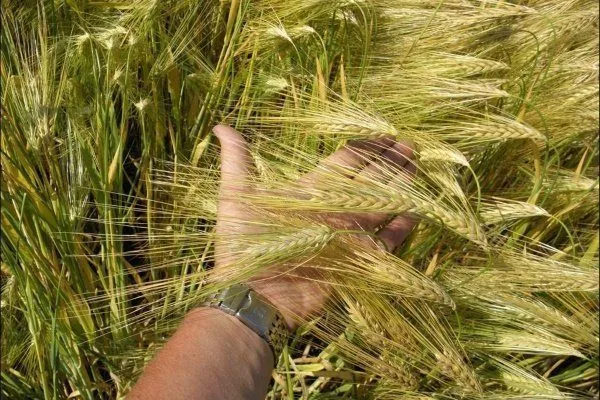
Hard worker
There are several signs:
- the plant can be up to 1 m in height;
- weight of 1000 grains – 44 g;
- has a high protein content;
- drought-resistant.
Full maturation occurs in 288 days. A yield of 60 centners per hectare can be obtained.
Dobrynya 3
Pay attention to:
- plant height reaching 95 cm;
- weight of grains, which is 42 g (1000 pcs.);
- susceptibility to powdery mildew;
- resistance to dwarf rust.
The variety matures in 250 days. Under favorable conditions, yields of up to 95 centners per hectare can be achieved.
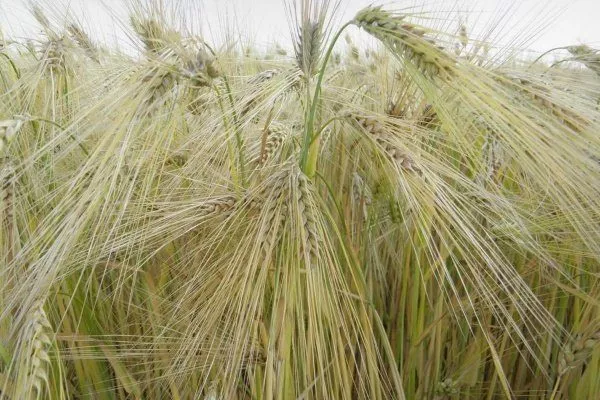
Yields decrease when planted in acidic soil.
Casket
Known characteristics:
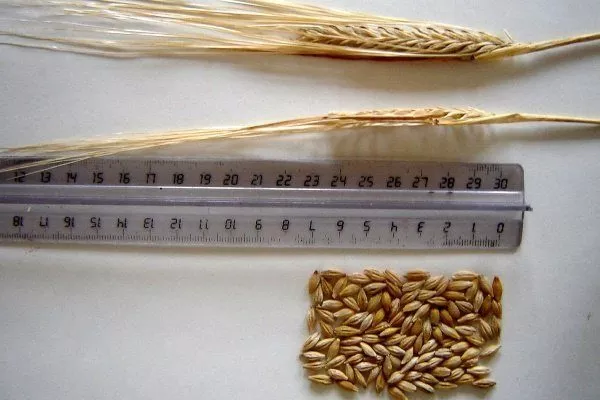
- ear length is about 6 cm;
- medium-sized grains, weight of 1000 pcs. – approximately 41 g;
- not susceptible to lodging;
- resistant to drought conditions.
Fruiting begins after 276 days. The yield is relatively small – 50 c/ha.
Rostov 55
Features of the described variety:
- the stem reaches a height of 85 cm;
- ear length – 5 cm;
- 1000 grains weigh only 38 g;
- resistant to many common diseases.
The harvest can be completed 270 days after emergence. It has a modest yield of 45 c/ha.
Prikumsky 50
The features are:
- plant height – not less than 80 cm;
- the length of the ear is 5 cm;
- the weight of 1000 grains reaches 42 g;
- has an average level of resistance to diseases.
The variety matures in an average of 225 days. Yield depends on the preceding crop, but the maximum is 60 centners per hectare.
Babylon
The variety is characterized by:
- the stem reaches a height of 95 cm;
- 1000 grains weigh up to 46 g;
- is distinguished by its high protein content;
- resistant to many common diseases.
It takes approximately 250 days to harvest. This variety has a potential yield of 90 centners per hectare.
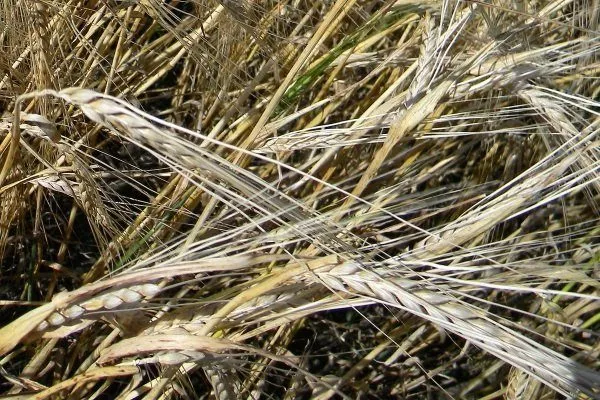
Skorokhod
What is distinctive about the variety:
- the height of plants does not exceed 1 m;
- weight of 1000 grains – no more than 40 g;
- the ear has a pleasant straw-yellow color;
- resistant to major foliar diseases.
Ripens in about 220 days. Potential yield: 80 c/ha.
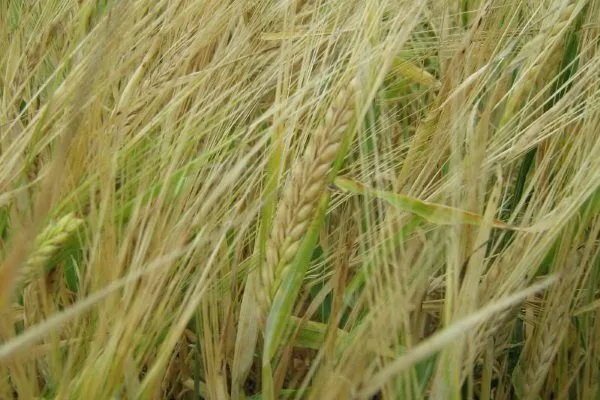
Rosava
Features include:
- for 1000 grains the weight is approximately 50 g;
- is distinguished by its high protein content;
- not susceptible to lodging;
- moderately resistant to diseases.
Ripening can occur 250 days after germination. Yield: 65 c/ha.
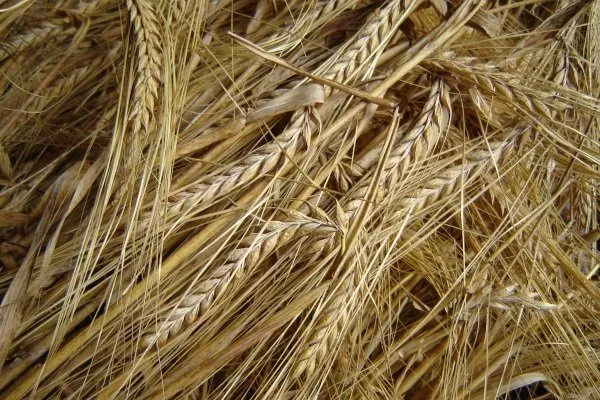
Atlas
Characteristics of plants of this variety:
- stem height – about 93 cm;
- 1000 grains can weigh up to 57 g;
- moderately frost resistant;
- not susceptible to many diseases.
The ripening period does not exceed 270 days. The yield is approximately 80 centners per hectare.
Spring crops
Spring barley is considered an important food crop. It is sown in the spring and harvested in the summer.
Valued for its shorter ripening period, it's best sown within the first week of fieldwork. It's less demanding regarding planting conditions and soil composition.
The following common varieties should be noted.
| Name | Yield (c/ha) | Ripening period (days) | Plant height (cm) |
|---|---|---|---|
| Viscount | 70 | 130 | 85 |
| Vakula | 70 | 100 | 90 |
| Priazovsky 9 | 60 | 80 | 85 |
| Gonar | 51 | 85 | 90 |
| Dina | 48 | 80 | 75 |
| Heather | 48 | 85 | 85 |
| Sonnet | 80 | 81 | 80 |
| Rubicon | 70 | 100 | 85 |
| Mameluke | 70 | 85 | 90 |
| Calcule | 33-74 | 65-84 | 85 |
| Prima of Belarus | 67 | 90 | 85 |
| Cascade | 70 | 85 | 80 |
| Warrior | 69 | 90 | 85 |
Viscount
What are the distinguishing features:
- the stem is smooth and hollow inside;
- weight of 1000 grains – 42 g;
- contains a lot of protein;
- Suitable for the production of feed used in livestock farming.
Fully matures in 130 days. Potential yield is 70 c/ha.
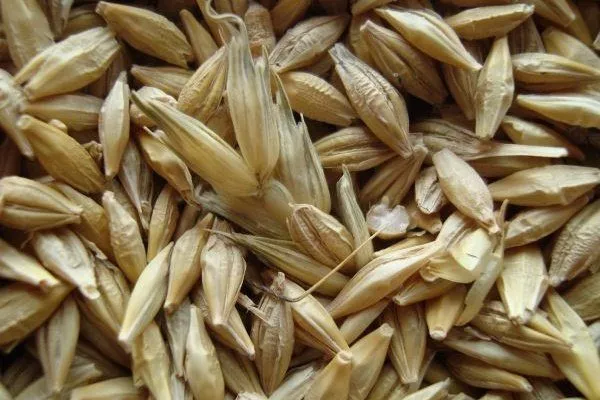
Vakula
Characteristics typical of the presented variety:
- the weight of 1000 grains can reach 60 g, provided frequent watering;
- is characterized by low filminess;
- resistant to climate change;
- Suitable for transportation.
The variety takes about 100 days to mature. The average yield is 70 centners per hectare.
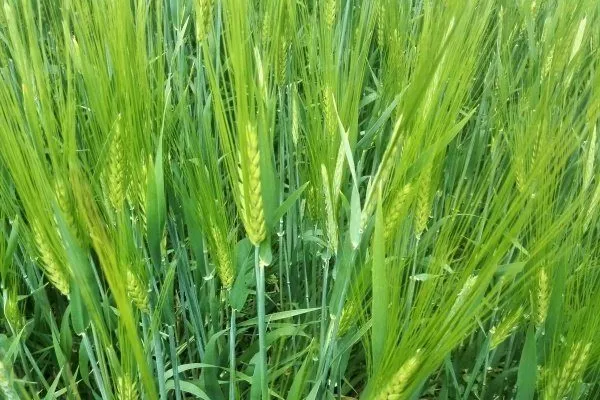
Priazovsky 9
It has the following characteristics:
- the plants have a dense and straight stem;
- weight of 1000 grains – 55 g;
- has high drought resistance;
- resistant to most common diseases.
The average ripening period is 80 days. The yield reaches 60 centners per hectare.
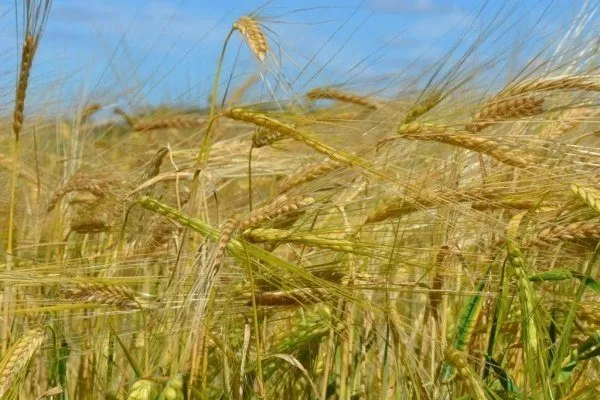
Gonar
What is remarkable about the variety:
- the height of plants reaches 90 cm;
- large, oval-shaped grains – 55 g;
- not susceptible to lodging;
- resistant to many diseases.
Full maturation takes up to 85 days. Up to 51 centners of grain per hectare can be harvested.
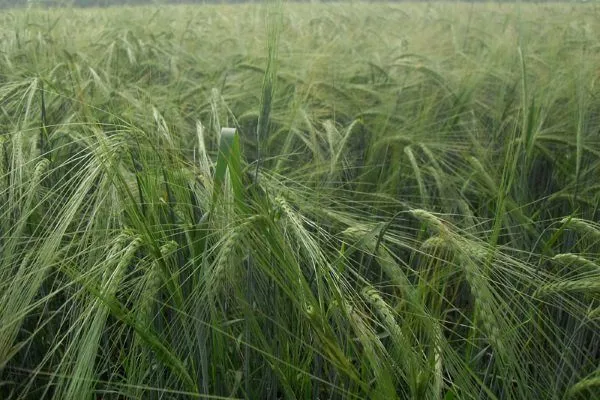
Dina
It has the following properties:
- the height of plants does not exceed 75 cm;
- 1000 grains can weigh about 51 g;
- is distinguished by its increased content of healthy protein;
- drought-resistant.
It ripens in 80 days. The variety's yield is low – up to 48 c/ha.
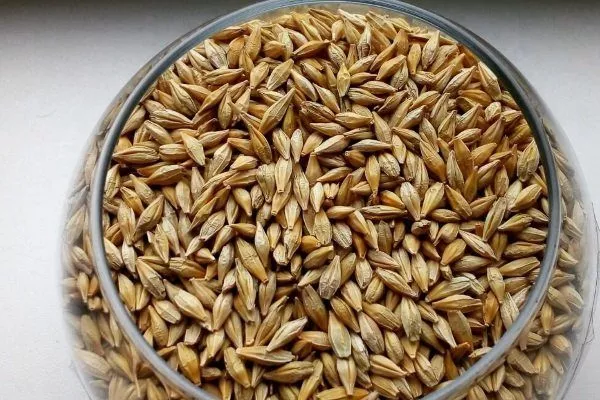
Heather
Pay attention to the parameters:
- plants reach a height of no more than 85 cm;
- the fruits are smooth and have an elongated shape;
- 1000 grains weigh about 46 g;
- susceptible to stem rust;
- highly resistant to drought.
It matures in about 85 days. The yield is 48 c/ha.
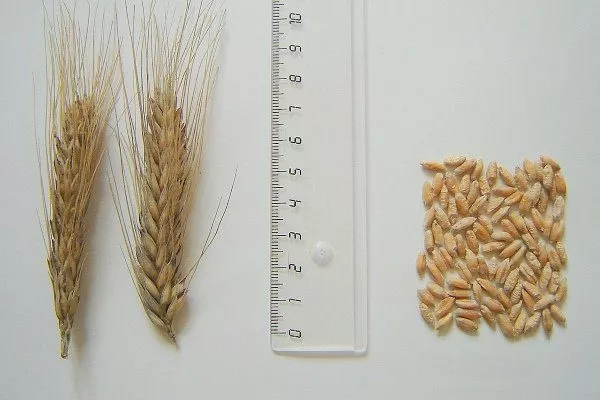
Sonnet
Features include:
- the height of plants does not exceed 80 cm;
- the grains are large and round in shape;
- 1000 fruits weigh up to 60 g;
- not susceptible to lodging;
- not drought-resistant.
The ripening period is up to 81 days. The yield can be approximately 80 centners per hectare.
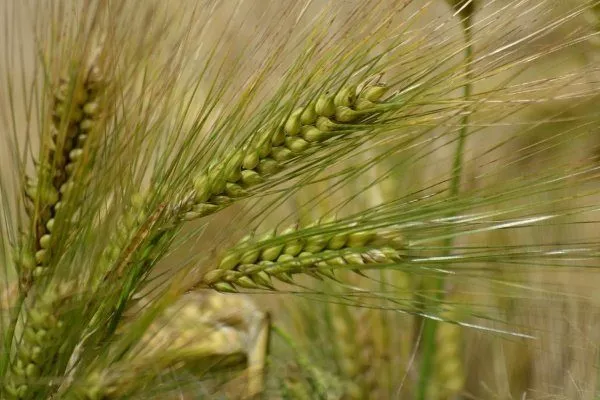
Rubicon
What characteristics are known:
- the grains are elongated and straw-yellow in color;
- the weight of 1000 pieces reaches 48 g;
- susceptible to powdery mildew;
- resistant to dwarf rust.
The ripening period does not exceed 100 days. The yield is 70 c/ha.
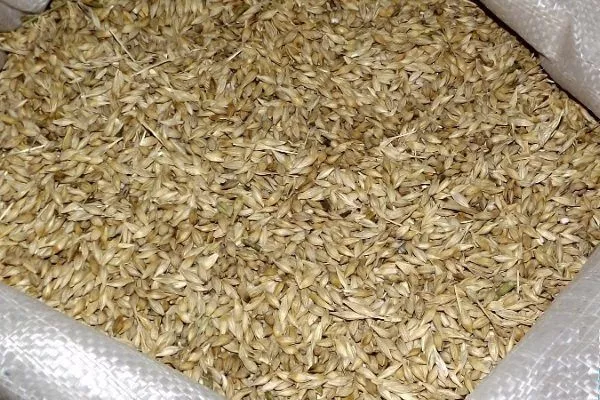
Mameluke
The features are:
- the grains are straw-yellow in color and large in size;
- weight of 1000 fruits – 50 g;
- not susceptible to lodging;
- moderately drought-resistant.
It takes 85 days from seedling emergence to harvest. The yield can reach up to 70 centners per hectare.
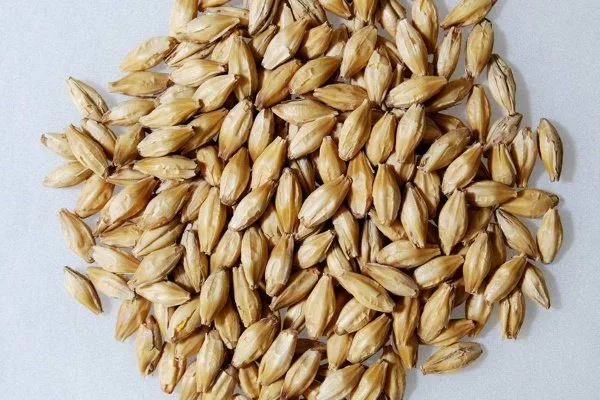
Calcule
The variety has the following characteristics:
- grain is large and very large;
- the weight of 1000 grains is about 51 g;
- has a high resistance to lodging;
- drought resistance does not exceed that of standard varieties.
Barley matures in 65-84 days. Yields vary by region and can range from 33-74 c/ha.
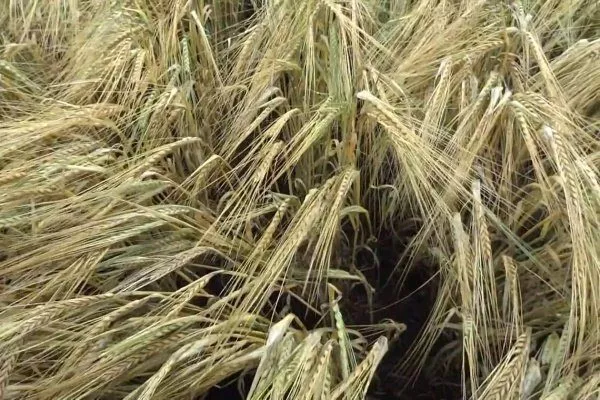
Prima of Belarus
Among the parameters of this variety:
- the grain is oval in shape and large;
- 1000 grains weigh 55 g;
- is distinguished by its high protein content;
- highly susceptible to disease.
Ripens in 90 days. Yield is 67 c/ha.
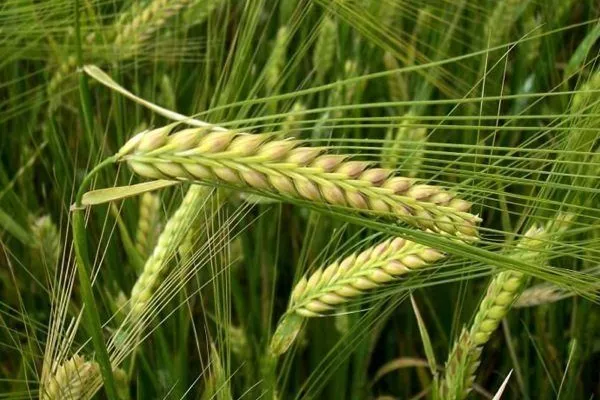
Cascade
What is noteworthy about plants:
- stem height – no more than 80 cm;
- weight of 1000 grains – 52 g;
- contains a lot of protein;
- highly resistant to lodging.
The ripening period is approximately 85 days. The yield of this variety is 70 c/ha.
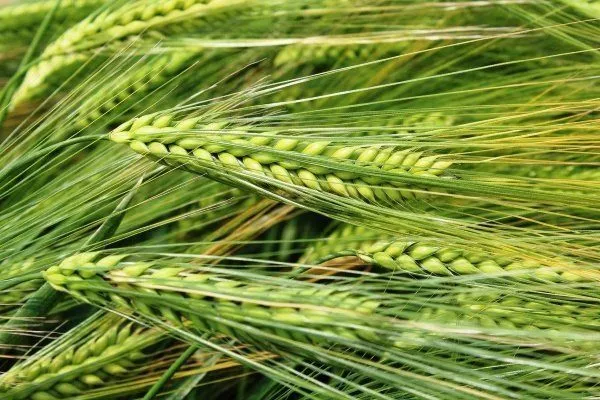
Warrior
Among the characteristics of the variety:
- grains are elongated, large;
- weight of 1000 fruits – 55 g;
- susceptible to brown rust and smut;
- drought-resistant.
Ripening occurs in 90 days. Maximum yield is 69 c/ha.
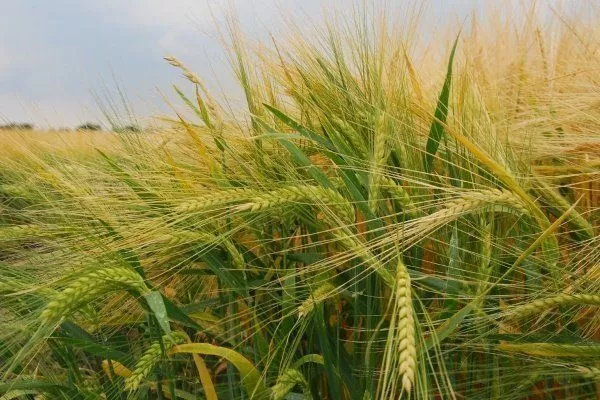
High-yielding
There are several varieties of different types (spring and winter), which are characterized by high yields.
| Name | Yield (c/ha) | Ripening period (days) | Plant height (cm) |
|---|---|---|---|
| Worthy | 100 | 270 | 100 |
| Helios | 89 | 95 | 80 |
| Mikhail | 95 | 250 | 100 |
| Elf | 90 | 95 | 85 |
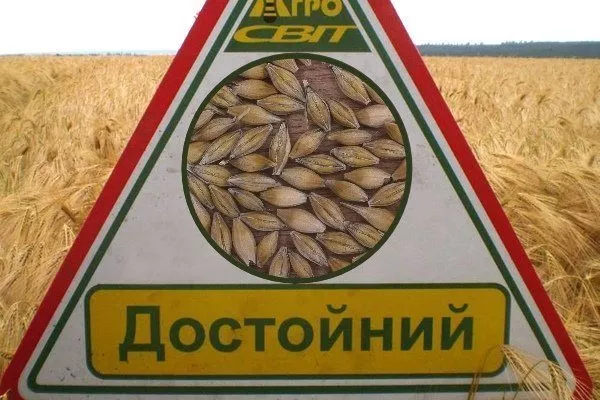
Worthy
It is necessary to pay attention to:
- plant height exceeding 1 m;
- grain of elongated shape, yellow in color;
- weight of 1000 fruits, which is 43 g;
- high frost resistance;
- resistance to many diseases.
Ripens in approximately 270 days. Yields exceed 100 c/ha.
Helios
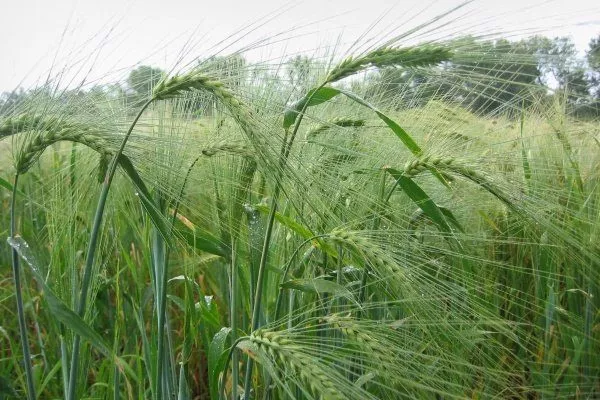
Parameters to pay attention to:
- the height of the stem reaches 80 cm;
- weight of 1000 grains – 50 g;
- not subject to lodging and shedding;
- resistant to most diseases.
Fruiting begins 95 days after emergence. Yield: 89 c/ha.
Mikhail
The following plant characteristics can be noted:
- the height exceeds 1 m;
- the grains are large, round in shape – approximately 50 g;
- can be grown in different climatic zones;
- resistant to most diseases.
Fruiting begins 250 days after emergence. Potential yield is 95 centners per hectare.
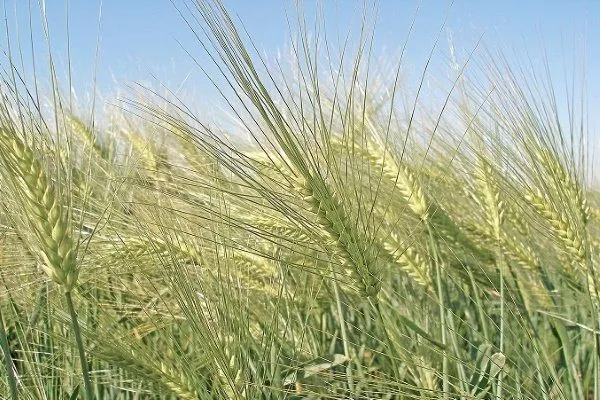
Elf
Characteristic features:
- weight of 1000 grains – up to 55 g;
- contains a lot of protein;
- not subject to lodging and shedding;
- moderately drought-resistant.
The plant ripens in up to 95 days. The yield can reach approximately 90 centners per hectare.
Breweries
There are certain varieties of barley that are used primarily for brewing. They are distinguished by the high quality of the grain they produce.
Among the most common ones, the following can be highlighted.
| Name | Yield (c/ha) | Ripening period (days) | Plant height (cm) |
|---|---|---|---|
| BIOS 1 | 49 | 100 | 80 |
| Traveler | 33 | 80 | 85 |
| Gin | 90 | 85 | 85 |
| Eiffel | 40 | 80 | 85 |
| Scarlett | 65 | 90 | 85 |
| Consita | 88 | 80 | 85 |
BIOS 1
What you should pay attention to:
- stem height reaching 80 cm;
- the mass of 1000 grains, which can be equal to 54 g;
- high protein content in fruits;
- resistance to most known diseases.
Ripening occurs within 100 days after sowing. Yields reach up to 49 centners per hectare.
Traveler
Main characteristics:
- grains are large, elongated;
- weight of 1000 fruits – no more than 52 g;
- not susceptible to lodging;
- resistant to many diseases.
The variety's ripening period is 80 days. On average, the yield can reach 33 centners per hectare.
Gin
The following features are distinguished:
- the stem is strong, reaching 85 cm in height;
- the length of the ear is 8 cm;
- 1000 grains weigh 49 g;
- resistant to climate change.
The harvest begins 85 days after the shoots emerge. The variety yields 90 centners per hectare.
Eiffel
What are the features:
- the ear has a cylindrical shape;
- the weight of 1000 grains does not exceed 55 g;
- not susceptible to lodging;
- highly resistant to diseases.
The ripening period does not exceed 80 days. The yield is 40 c/ha.
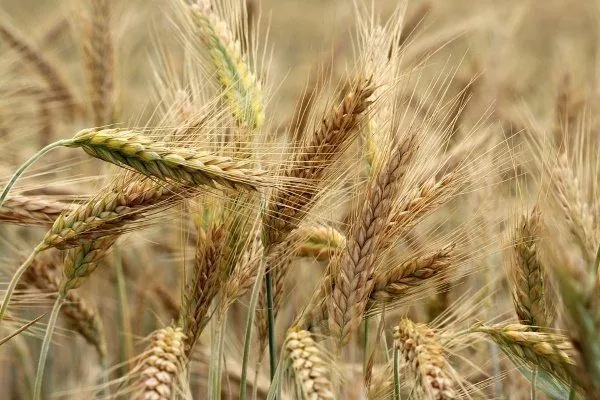
Scarlett
Plant parameters:
- the ear is loose and has a low density;
- 1000 grains weigh about 50 g;
- recommended for cultivation in black soil;
- moderately resistant to diseases.
Ripens within 90 days. Average yield is 65 c/ha.
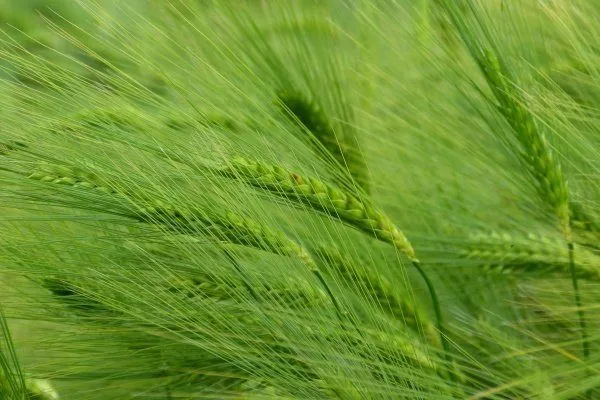
Consita
The following signs are known:
- the ear is covered with a thin layer of waxy coating;
- the weight of 1000 grains is 55 g;
- not susceptible to drought and lodging;
- susceptible to loose smut.
Fruiting begins 80 days after emergence. Maximum yield is 88 c/ha.
To select the right barley variety, you need to determine the purpose of cultivation. Spring barley is best suited for food production. There are also specific varieties for brewing. Additionally, consider the yield potential and its suitability for growing in different climates. Careful selection pays dividends.