
Malting barley is not a specific crop, but a method of cultivating barley that produces grain with specific characteristics. Let's learn how to sow and grow "malting" barley to obtain high-quality raw material for the brewing industry.
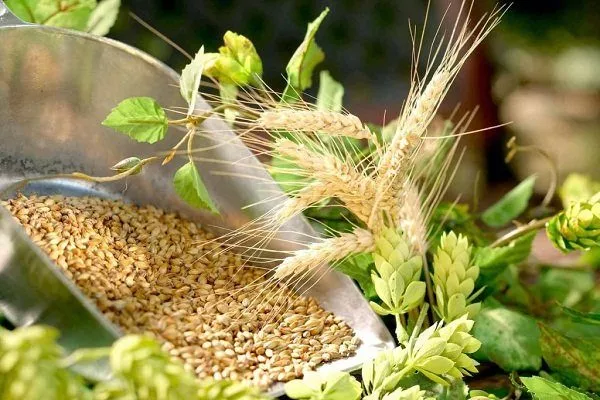
What is the difference between regular barley and brewer's barley?
The main difference between malting barley and regular barley is the grain's protein content. According to GOST standards, it should be no more than 12%. Malting barley grain is more expensive than feed barley.
Beer producers are very particular about the raw materials they purchase. Moreover, brewing and malting companies invest heavily in malting barley breeding, as they are interested in its quality characteristics.
Brewers often prefer to buy grain from familiar foreign varieties that meet European quality standards, and are often reluctant to use Russian varieties in production.
Economic importance
Malting barley is an important raw material for the malting and brewing industries. Malt extracts are produced from malting barley grains of various varieties, which are also used in the confectionery, pharmaceutical, textile, and paint industries.
Barley straw is used as feed and bedding for livestock. The straw is steamed before feeding to animals.
Classification of barley
Barley is widely represented by a variety of varieties, which are classified according to several characteristics.
Barley is classified by:
- Agrotechnical characteristics. Barley is:
- Winter crop. Sowing time: October-November, depending on the region and climate conditions.
- Spring. Sowing in March-April.
- By morphological characteristics. Barley differs in the type of ears, they are:
- Double-rowed. An ear with two rows produces an average of 25-30 grains.
- Six-row. This ear produces 30-60 grains. These varieties are best suited for brewing. Their grains are uniform in shape and size, and the resulting malt is of high quality.
Brewing varieties are represented mainly by spring two-row varieties.
Quality characteristics of brewing barley
Brewing barley has special malting properties – it is easily processed into malt and produces a large yield of high-quality beer from a unit of raw material.
The suitability of barley for brewing is determined by several criteria that allow one to assess its quality:
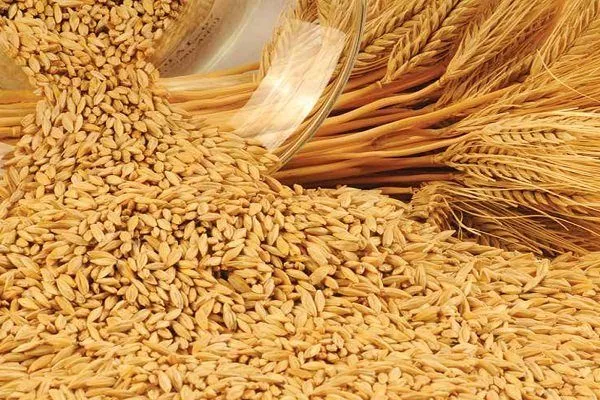
- Grain color. Light yellow or yellow. The color is uniform. If the husks are greenish, the barley is immature. If a batch contains grains with dark ends or spots, it was likely wet during harvesting or storage. Such grain may be unviable, infected with microorganisms, and will produce low-quality malt.
- Form. Almost all brewing varieties have elliptical or oval grains with rounded edges. If growing conditions are unfavorable, the grains grow elongated.
- Smell. Fresh, straw-like aroma. There should be no musty or moldy notes. The musty smell of vigorously vigorous barley can be removed by soaking it in a solution of potassium permanganate or bleach.
- Humidity. The optimal grain moisture level is between 10 and 15.5%. Grain that is wetter than this begins to heat up during storage, develop mold, and lose extractive substances.
- Purity. There should be no impurities - other cereals or weed seeds, as well as grains affected by weevils or mites.
- Extractivity. This is the amount of dry matter released into solution after the milled grain is treated with malt enzymes. For good grain, this figure is 78-82%. The difference in extractivity between the grain and the malt obtained from it should not exceed 1.5%.
- Germination energy. This indicates how suitable the grain is for malting. Grain with poor germination yields low malt extract. Such grain is susceptible to mold.
- Protein content. No more than 12%. Barley with a high protein content is not suitable for processing. Barley with less than 9% protein is also unsuitable; beer made from it foams poorly.
- Nature. Absolute weight of 1000 grains. This is an additional indicator that does not play a significant role in assessing the quality of brewing grain.
Place in crop rotation
To obtain high barley yields, it is necessary to select the right predecessor crops – this factor is especially important during the first stage of vegetation.
Barley sown for food and feed is recommended to be sown after legumes, which enrich the soil with nitrogen. However, for malting barley, the best predecessors are row crops.
Ideal predecessors:
- For winter barley - early potatoes, rapeseed, peas, leguminous crops sown for green mass.
- For spring barley, combine with corn, potatoes, and sugar beets. Malting barley grows particularly well in this environment, producing high-quality grain with high starch content and high yields.
Barley itself is a good precursor for most spring crops. In some regions, it is also sown before winter crops. Barley is harvested early, so it is often sown as a cover crop.
The best varieties
Breeders spend about 10 years developing one variety of brewing barley, which is 3-5 years longer than the time spent on creating regular varieties.
Today, there are hundreds of varieties of barley suitable for brewing, but they all grow only in certain areas. Let's find out which varieties of malting barley are grown in Russia.
| Name | Disease resistance | Soil requirements | Ripening period |
|---|---|---|---|
| Gladys | High | Loamy | 70-80 days |
| Scarlett | Average | Loamy | 70-90 days |
| Annabelle | High | Loamy | 90 days |
| Donetsk 8 | High | Loamy | 90 days |
| Zazersky 85 | Average | Loamy | 84-88 days |
| Consita | High | Loamy | 80-90 days |
| Gonar | High | Loamy | 75-85 days |
| Gastinets | High | Loamy | 80-85 days |
| Quench | High | Loamy | 70-98 days |
| Ataman | Average | Loamy | 80-85 days |
| Syabra | High | Loamy | 75-80 days |
| Staly | High | Loamy | 80-90 days |
| Inari | High | Loamy | 85-95 days |
Gladys
A relatively new spring barley variety, added to the State Register in 2010. Produced in France, this variety is considered one of the best for malt production. Its growing season is 70-80 days.
Advantages of the Gladys variety:
- lodging resistance;
- low stem fragility;
- high immunity, good resistance to powdery mildew.
Productivity: 98.7 centners per 1 hectare.
Scarlett
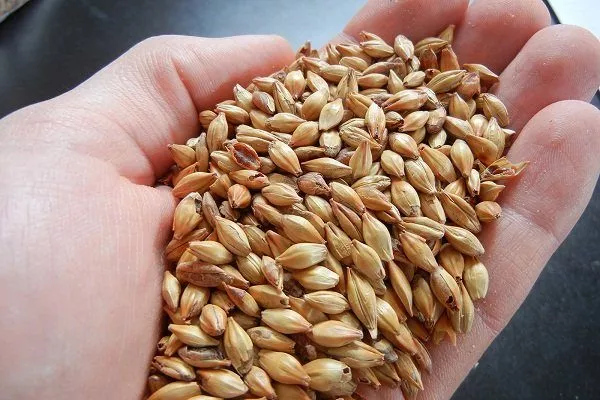
This variety is recommended for cultivation in the Central Black Earth Region and the central regions of the Russian Federation. Disease resistance is average. The growing season is 70-90 days. It is characterized by a loose, loose spike.
Productivity – up to 65 centners per 1 hectare.
Annabelle
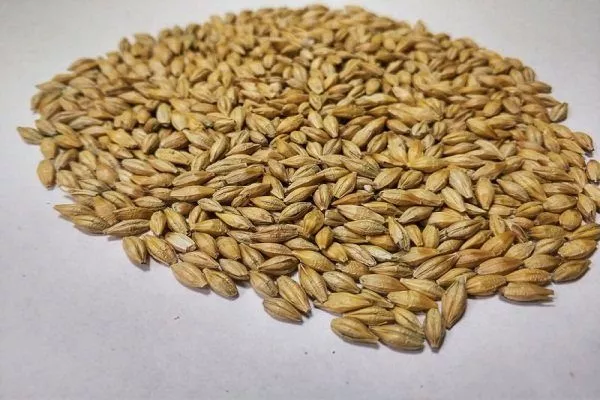
German spring barley with two-row spikes of medium density and length. The grain is large and yellow. The growing season is 90 days. It has a high immunity.
Productivity – up to 40-50 centners per 1 hectare.
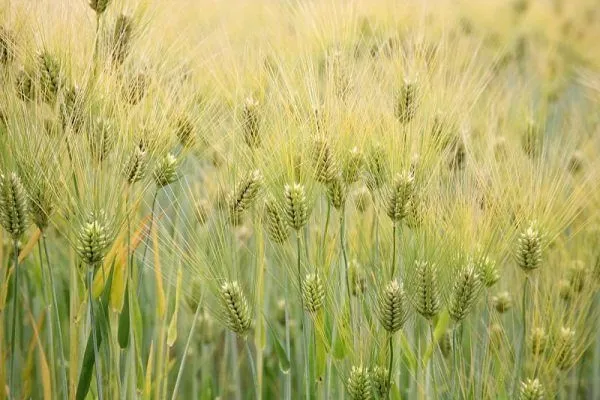
Donetsk 8
A spring barley of Ukrainian selection. It features loose, two-row, straw-yellow ears. The grains are large and yellow. It is resistant to lodging and holds weight well. The variety is drought-resistant. The growing season is 90 days.
Productivity – up to 45 centners per 1 hectare.
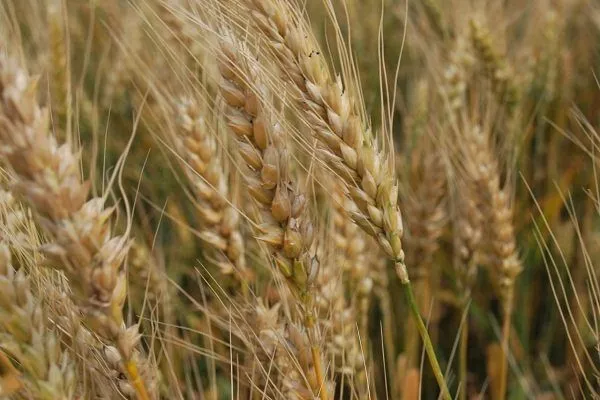
Zazersky 85
A Belarusian variety. The ears are cylindrical, yellow, and moderately dense. This variety is slightly drooping. The growing season is 84-88 days.
Productivity: 37-65 centners per 1 hectare.
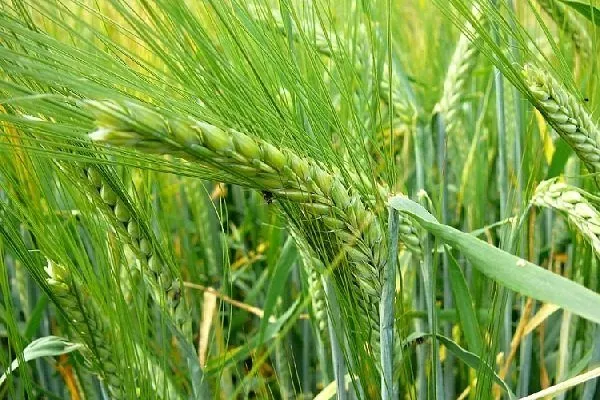
Consita
This variety is zoned for cultivation in the central part of the Russian Federation. The ears are cylindrical, medium-dense, and the awns are long. The grain is large. The growing season is 80-90 days. The variety is resistant to lodging and drought-resistant. It is not susceptible to root rot or loose smut.
Productivity is 40-88 centners per 1 hectare.
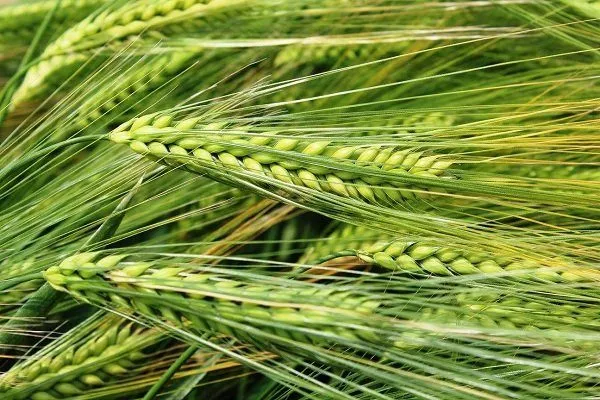
Gonar
Added to the State Register in 1994. Zoned for the Central, Volga-Vyatka, and Northwestern regions. The spike is cylindrical and somewhat loose. The grains are large, yellow, and round. The growing season is 75-85 days. The variety is not prone to lodging.
Productivity: 50-80 centners per 1 hectare.
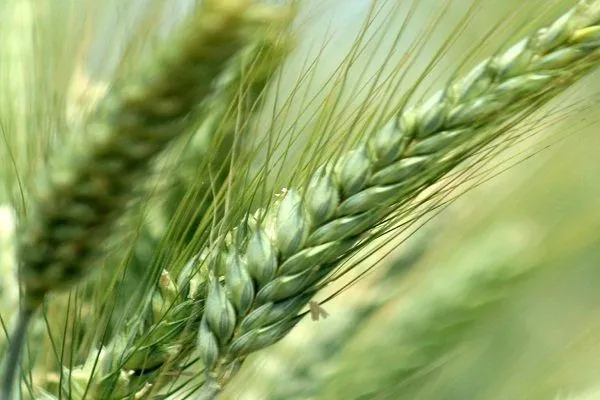
Gastinets
An early-ripening Belarusian variety with two-row spikes. It has excellent brewing qualities. It is resistant to lodging and foliar diseases. It grows best in loamy soils. The growing season is 80-85 days.
Productivity: 60-78 centners per 1 hectare.
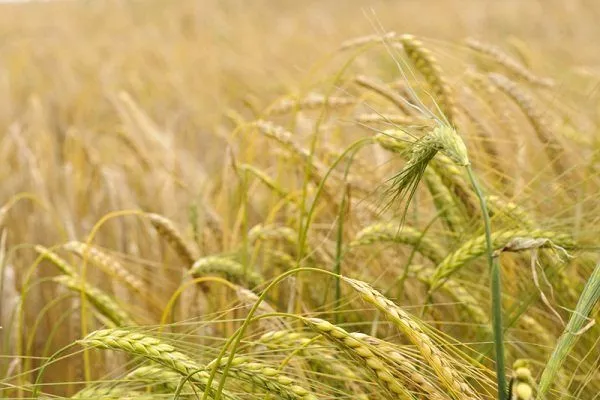
Quench
Spring barley of French selection. This is the most popular malting barley variety in Europe. It is characterized by high drought tolerance and low protein content. The growing season is 70-98 days.
Productivity: 30-70 centners per 1 hectare.
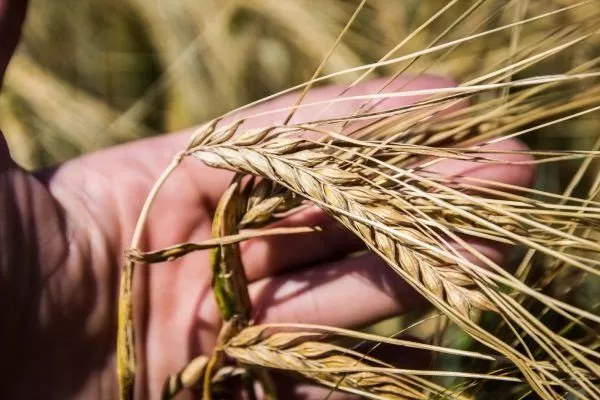
Ataman
Spring barley of Belarusian selection. The spike is two-rowed, medium-dense, cylindrical, with long awns. This brewing variety is characterized by moderate drought resistance. It is susceptible to loose smut. The growing season is 80-85 days.
Productivity: 30-75 centners per 1 hectare.
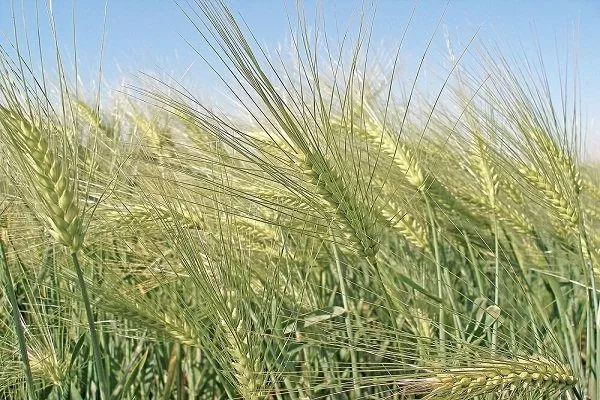
Syabra
A mid-late variety bred domestically. It is characterized by high productivity and lodging resistance. Protein content varies depending on growing conditions. The spike is two-rowed, moderately dense, and 7-8 cm long. It does not grow well in sandy or low-fertility soils. The growing season is 75-80 days.
Productivity: 60-80 centners per 1 hectare.
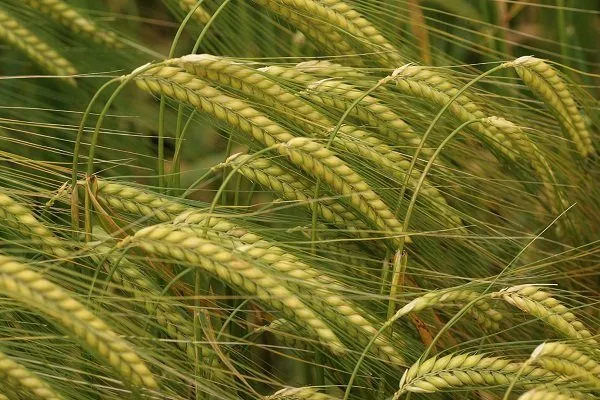
Staly
A Belarusian variety. The spike is two-row, cylindrical, yellow, and moderately dense. Resistant to lodging. Suitable for brewing and grain production. The growing season is 80-90 days.
Productivity: 60-87 centners per 1 hectare.
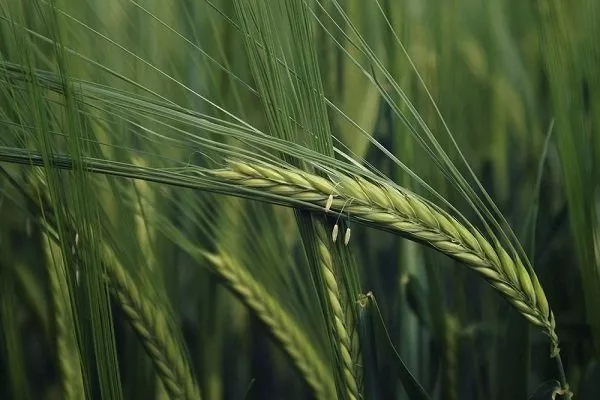
Inari
A mid-season spring barley. One of the best brewing varieties. Zoned for the Northwest region. Added to the State Register in 1996. Growing season: 85-95 days.
Productivity: 30-52 centners per 1 hectare.
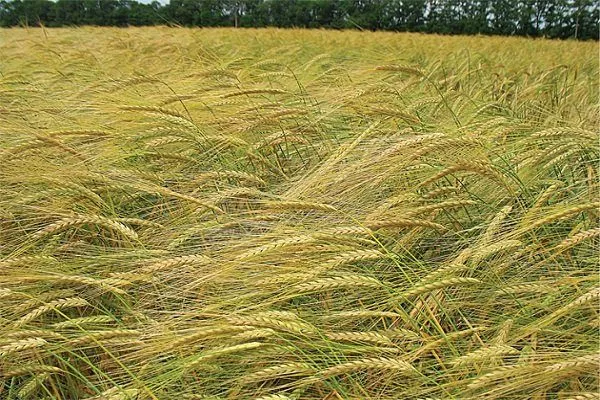
Growing
There are specific features in the agricultural technology of malting barley that determine the quality characteristics of the grain, and subsequently the quality of the malt produced.
Soil requirements and cultivation
When cultivating, preference is given to large fields with level terrain and uniform soil composition throughout the area. Barley for brewing is typically sown on areas of 100 hectares or more.
- ✓ Soil acidity level should be at least pH 5.6 for optimal growth.
- ✓ The humus content of the soil should exceed 1.8% to provide the necessary nutrients.
Malting barley grows best in soils:
- sod-carbonate;
- sod-podzolic loamy and sandy loam.
Contraindicated:
- light soils;
- swampy soils with high groundwater levels;
- drained peatlands with high nitrogen content.
Ideal agrochemical soil parameters for brewing barley varieties:
- acidity level pH – from 5.6;
- humus – from 1.8%;
- phosphorus and potassium – from 150 mg per 1 kg of soil.
Soil cultivation for malting barley is almost the same as for forage varieties. Cultivation depends on soil characteristics, weather conditions, weed abundance, previous crops, and other factors.
Features of soil preparation for malting barley:
- Stubble cultivation. Disc cultivators cultivate the soil to a depth of 6-8 cm. It is not recommended to leave the field uncultivated until October after a stubble crop.
- Deep autumn plowing. The depth can reach 30 cm. On sod-podzolic soils, it is recommended to deepen the arable layer by adding manure and mineral fertilizers under the plowing.
- Pre-sowing treatment. It includes the following works:
- Two snow retention events.
- Harrowing a field with heavy tooth harrows.
- Cultivation: First, mineral fertilizers are applied, then the soil is cultivated to the seeding depth. Cultivation creates loose soil, which allows for consistent seed placement and uniform germination.
Objectives of spring pre-sowing treatment:
- retaining moisture in the soil;
- clearing the field of weeds;
- improving aeration properties;
- leveling the surface and creating optimal conditions for planting seed material.
Spring plowing is a violation of barley cultivation technology. Soil cultivation in spring begins with moisture retention.
Seed preparation
Seeds for sowing must be large and uniform, meeting quality standards for germination, purity and moisture.
- Treat seeds 1-2 weeks before sowing to protect against diseases.
- Treat the seeds with a growth stimulant, such as sodium humate, to improve germination.
The most important step in preparing barley seeds for sowing is seed treatment. This protects the seeds and seedlings from many soil-borne pathogens, as well as fungi. Treatment is carried out 1-2 weeks before sowing.
The seed treatment is selected based on the seed condition and its spectrum of action. Recommended seed treatments:
- Vincit – 2 liters per 1 ton;
- Dividend – 2 l per 1 t;
- Baytan-universal – 2 kg per 1 t.
Seeds are treated using specialized machines (PSSh-5, UMS-5, etc.). The preparation should be evenly distributed over the surface of the seeds. The dosage is 80-120% of the manufacturer's recommendation. The seed moisture content after treatment should not exceed 15%.
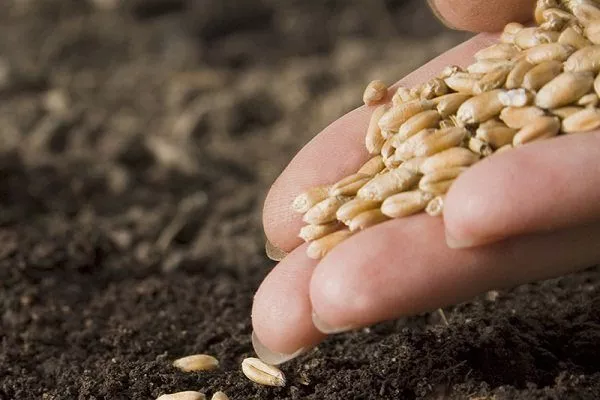
During pre-sowing treatment, seeds receive missing microelements – boron, copper, zinc, manganese.
It's also beneficial to treat barley seeds with a growth stimulant, such as sodium humate. The recommended application rate is 0.75 kg per 1 ton of grain.
Sowing calendar
Barley is a fast-growing crop with early sowing times. Malting barley is sown as early as possible; a week's delay reduces yield by 10-40%. Early sowing produces strong seedlings and large grains with minimal film.
Spring barley is typically sown at the same time as spring wheat, or immediately after. The exact sowing dates depend on the region and its climate. In Siberia, barley is sown no earlier than May 15th, while in Kuban and Crimea, sowing begins as early as February.
Method, rates and sowing depth
Only large, sorted, and treated grains are used for sowing. 1,000 grains should weigh 40 g or more.
Features of sowing malting barley:
- Sowing rate. The average seeding rate is 5-6 million seeds per hectare. For comparison, the seeding rate for feed barley is 4-5 million per hectare. The exact seeding rate is calculated individually, taking into account agricultural practices and the characteristics of the variety. Tillering and ear density must also be taken into account.
- Sowing depth. It depends on the soil. If the spring is dry and the soil is sandy, the seeds are planted 5-6 or even 8 cm deep. In clayey and moist soils, the planting depth is 3-4 cm.
- Method of sowing. Malting barley is sown:
- Narrow-row method. Row spacing is 7.5 cm. This option is chosen for high seeding rates – from 5.5 million seeds per hectare.
- In rows. Row spacing is 15 cm.
Nowadays, spring barley is almost never sown using the cross-cropping method, as it compacts the soil, delays sowing, and leads to unnecessary fuel consumption.
Caring for crops
Without proper care, malting barley yields will decline. Losses can be caused by weed infestation, lodging, and disease and pest infestations.
Basic care activities:
- Rolling. This is done immediately after or simultaneously with sowing. It improves seed-to-soil contact. This technique increases the uniformity and density of seedlings. Rolling is especially important during dry weather.
If the soil is over-moist, rolling can be harmful to seedlings, as it impairs aeration and causes crusting and cracking. Crops are rolled using special rollers (ZKKSh-6A). - Harrowing. Typically, after rolling, the crops must be harrowed before germination. This prevents crust formation and destroys thread-like weed seedlings. Harrow the field 3-5 days after sowing the seeds. To avoid damaging the seeds, harrow the field before the seedlings exceed their length. Loosen the soil to a depth shallower than the seeding depth.
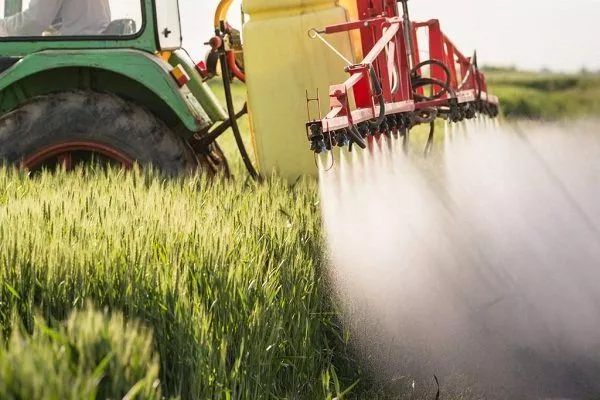
- Treatment with pesticides and herbicides. Pesticides are used to control weeds and pests. Crops are sprayed using sprayers such as the OPSh-15, OP-2000-2-01, POM-630, and others. Applications are made along tramlines.
Herbicides are used to control weeds. For example, Triallat is used against wild oats at a rate of 2-3 l/ha. The product is applied and immediately incorporated into the soil using harrows, stubble cultivators, or a wild oat weed control unit.
Fertilizers
Features of fertilization when cultivating malting barley:
- The main difference from growing regular barley is the reduced nitrogen requirement. Nitrogen fertilizer application rates of up to 60-70 kg per hectare are permitted. Higher rates may cause lodging, and the grains will contain more protein than is needed for brewing.
- Applying nitrogen fertilizers in increments is prohibited, as this approach can also lead to increased protein content in the grains. The best nitrogen fertilizer for barley is granulated urea. Nitrogen fertilizers are applied during pre-sowing cultivation.
- Phosphorus and potassium are recommended to be applied in the fall during primary tillage. The recommended phosphorus dosage is 60-90 kg/ha. When growing malting barley, a higher potassium dosage of 120-160 kg/ha is required.
The optimal N:K:P ratio for growing malting barley varieties is 1:2:1-1.5. Failure to apply fertilizer correctly results in grain size, extractability, and protein content variations.
Barley diseases and pests
Barley is a hardy crop with good immunity, but if agricultural practices are not followed and under unfavorable growing conditions, it can be affected by a number of pests and diseases.
Most diseases affect the stems, leaves, and roots of barley. If young shoots are damaged, crops become thinner, and the shoots rot and die. If mature plants are affected, ear formation slows, and grain ripening is delayed.
Diseases of barley:
- Dusty smut. It reduces yields and negatively impacts grain quality. Special fungicides are used for control. However, choosing varieties resistant to loose smut is much more effective.
- Stem rust. It is caused by a fungus. It attacks crops en masse and can deprive farmers of 50% of their harvest. High humidity triggers the disease. It is important to recognize the symptoms of stem rust early and apply an appropriate fungicide, such as Alcor Super or Altrum Super.
- Brown rust. It covers leaves with brown spots, which later transform into black dots. It does not cause significant damage to crops. The best way to prevent the disease is to maintain crop rotation and treat crops with fungicides.
- Powdery mildew. Most common in southern regions, it appears in warm and humid conditions. Leaves become covered with a coating containing fungal spores. Spreading through the air, the spores quickly infect the entire field. A massive infestation results in 20% crop loss.
When powdery mildew appears, fields are sprayed with fungicides. Seeds are treated as a preventative measure. Powdery mildew spores do not develop and die at temperatures above 30°C.
Barley pests:
- Granary weevil. This beetle is up to 4 mm long. It reproduces very quickly and rapidly destroys grain. If left unchecked, the beetle can destroy an entire batch of grain. To control the beetles, use:
- Gases that kill weevils and their larvae. These products completely evaporate after use.
- Insecticides. These are used during the growing season. They help rid crops of pests during barley tillering. Products such as Decis (0.2 kg per hectare), Karate (0.15 kg per hectare), and others are used against cereal flies, flea beetles, and tortoiseshell beetles.
- Red-breasted drunkard. The beetle chews through leaves and also damages young seedlings. To prevent leafhopper infestation, use barley varieties resistant to the pest. In case of infestation, insecticides are used.
- Cereal aphid. It attacks many grain crops. It settles inside the ears and feeds on their sap. Early sowing, crop rotation, and timely weed control help prevent damage.
Along with insects, rodents and birds also damage barley crops. To combat them, farmers install traps, mousetraps, and use various other tools.
Harvesting and storage of crops
Brewing barley is harvested using combines when it is fully ripe.
Guidelines for starting cleaning:
- The barley grain droops in the morning. This should affect more than 80% of the ears.
- The color of the straw and films turns yellow.
Cleaning features:
- Before the mass harvest begins, the field is mown around the perimeter. The mown strip is 2-3 meters wide. The threshed grain is used for forage.
- The areas where the barley has fallen are being harvested. The grain from these areas is also used for fodder.
- The threshing regime for brewing varieties is the same as for seed grain. It is important to preserve all the biological properties of the grains. Damage to the grains, which reduces their viability, is unacceptable.
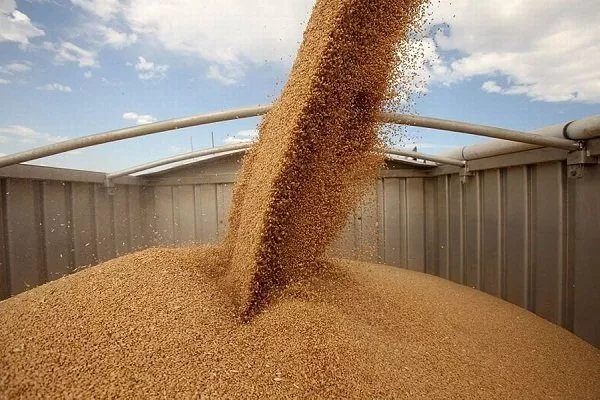
Harvested malting barley grain is cleaned and dried. The grain is dried in seed barley drying units. Optimal drying conditions are achieved in units with active ventilation, where the air is heated to 35-45°C. After drying, the grain is brought to the desired condition in sorting machines.
Storage features:
- Grain is stored clean and dried. Violating moisture standards can lead to mold growth.
- It's important to prevent the appearance of granary weevils. The pest appears at temperatures above 21°C. Maintaining temperatures below this level significantly reduces the risk of granary weevil infestation, and at 12°C, its occurrence is virtually eliminated.
- To prevent pest proliferation, special preparations are used in accordance with the recommended doses. Treatment should primarily target storage areas and, if necessary, the grain itself.
- Mixing barley of different varieties is prohibited. Also, mixing barley of the same variety, which differs in protein content, is prohibited.
High-quality malt is obtained only from a batch of barley of a single variety, which was grown under the same conditions and has the same protein content.
The intricacies of preparing barley for brewing
Grain prepared for brewing goes through several stages. First, brewers evaluate its quality characteristics, and only if they meet quality standards is it sent for processing.
Stages of preparing barley for brewing:
- Sort and sort. High-quality beer wort extract is obtained only from selected grains grown using a special technology for brewing barley.
- Soaking in water. Water temperature: from +13 to +17°C.
- Germination. Glucose and fructose are produced in grains.
- Drying. The color and taste of the malt depend on the temperature and duration of this process.
When growing barley for the brewing industry, it's important not only to select the right variety but also to adhere to specific agricultural practices. Malting barley is more difficult to grow than regular barley, but it's also more expensive. Farmers can earn a good profit by selling malting barley to brewers, as today, producers must purchase approximately 30% of their raw materials abroad.