
Barley is one of the grains used by gardeners as a green manure crop. It's easy to grow and has high nutritional value for the soil. The key is to sow the grain on time and mow the greens properly. We'll discuss how and when to use barley as a green manure crop in the article below.
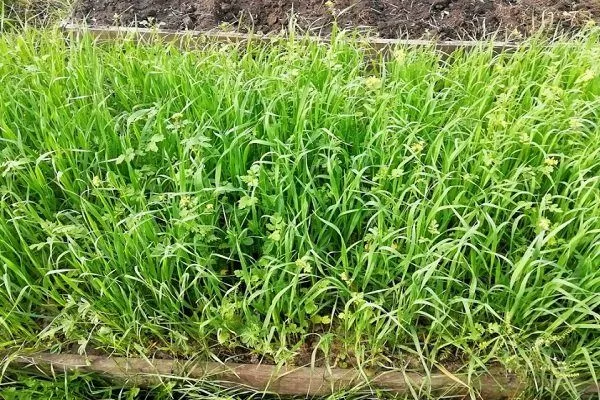
The value of barley
As a green manure, barley quickly gains green mass, suppresses most weeds, and improves soil quality. These characteristics and properties are subsequently used for growing other garden and vegetable crops.
Benefits of using barley as green manure:
- High drought tolerance.It is one of the few cereals that can grow in arid regions.
- Frost tolerance.A short-term temperature drop to minus 5°C is not harmful to barley. Therefore, it can be sown as green manure in early spring.
- Versatility for different soil types.Growing barley on light soils protects them from erosion and weathering. And in heavy soils, this green manure provides structure, facilitating and increasing aeration.
- Formation of vermicompost.During decomposition, the grain releases numerous substances and minerals into the soil, increasing its fertility. It promotes the development of beneficial microflora in the soil.
- Soil disinfection. Some viruses and pathogens are intolerant to barley root secretions. Therefore, they die before they can infect the area and harm the plants.
- Prevention of pest attacks. The attracted predatory insects feed on cicadas, aphids and other pests, significantly reducing their numbers or completely exterminating them.
- Suppression of weed growth.When planted densely, the fibrous root system crowds out weeds, preventing them from growing.
- Increasing crop yields.The conditions created by green manure are optimal for active growth and fruiting, so the quality and quantity of the harvest of the main crops after barley increases.
- Improving soil properties.The cereal reduces soil acidity, increases its moisture permeability and water capacity.
The positive changes in the soil obtained after sowing this cereal last for 3-4 years.
Sowing and growing barley for fertilizer
Sowing and cultivating barley for green manure has its own unique characteristics. Take these into account to maximize the grain's value.
- ✓ Make sure that the seeds are not treated with chemicals that can slow down the decomposition process of the green mass.
- ✓ Check seed germination to avoid empty spots in the field.
Optimal sowing times
Winter and spring barley have different sowing times and climate dependencies. For those living in cold regions with harsh winters, spring barley is a good choice for green manure. If you live in the central or southern climates, you can sow either variety.
Sow winter barley for green manure after harvesting garden crops. Sown in late August or early September, the grain has time to grow green mass and accumulate nutrients. Mow the barley when the plants reach a height of about 25 cm. Incorporate the green mass into the soil, where it will be digested by soil microorganisms before frost sets in.
If planted in late autumn, the aboveground mass will not have time to form before the cold weather sets in. This type of barley will quickly begin to grow once the spring warming begins.
Begin sowing spring barley as soon as the weather warms up in spring. Once the soil temperature reaches 5°C (41°F), you can begin sowing. This typically occurs in the third ten days of March to early April. Mow the green manure crop 4-6 weeks later.
Sowing pattern and seed consumption rates
When sowing barley, use a narrow-row method. This planting pattern requires the following parameters:
- row spacing – 6-8 cm;
- the distance between seeds in a row is 1.5-2 cm;
- sowing depth:
- light soils – about 6 cm;
- heavy soils – no more than 3 cm.
The average seed application rate is 15-20 g per square meter of plot or 1.5-2 kg per 100 square meters. To suppress weeds, increase the rate to 25 g per square meter.
When and how to dig up green manure?
Mow the green manure 10-14 days before planting the main crop. It's important not to be late, as barley's ear discards the green part of the plant and reduces its nutrient content. This green manure takes longer to decompose and is less beneficial.
There are two ways to dig a plot of green manure. The key is to leave the grass roots intact. They release nitrogen and other micronutrients from the deep soil layers, allowing oxygen to enter the soil. Vermicompost (vermicompost) forms from the remains of the root system.
First method:
- Mow the barley without touching the root system.
- Spread the shoots over the area. If you chop the stems beforehand, they will decompose and release nutrients more quickly.
- Plant subsequent crops by making holes or rows among the broadcast barley.
Spreading mown barley over the surface will act as mulch for the plot. Besides providing beneficial green manure, it will also provide natural shading and retain moisture in the surface layer for extended periods.
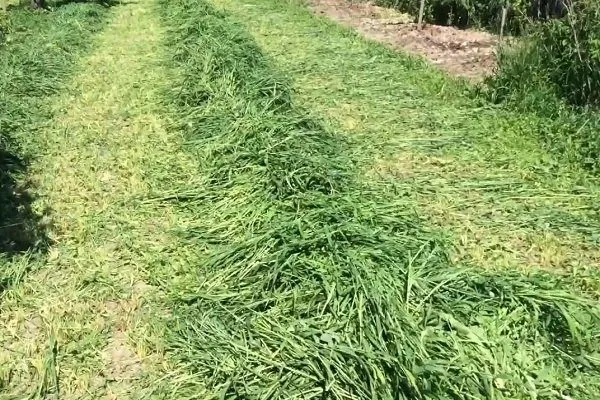
The second way.This method involves digging the green manure crop to a shallow depth. For this task, use a hoe or flat-blade hoe rather than a shovel to avoid damaging the crop's root system.
What can be planted after barley?
After barley it is recommended to plant:
- peas, beans, lentils and other legumes;
- cabbage, radish, turnip, horseradish and other plants of the cruciferous family.
Don't sow other grains after barley. They require the same nutrients, most of which were lost during the green manure's growth. This means the yield of rye, wheat, and oats will be small.
- ✓ Check the soil pH after the barley has decomposed to ensure it has returned to normal.
- ✓ Ensure the soil is sufficiently aerated before planting subsequent crops.
Avoid planting potatoes in areas where barley was used as green manure. Wireworms attracted by the crop will cause irreparable damage to the tubers.
Barley's ease of cultivation, resilience, and numerous beneficial properties make it suitable for soil enrichment and weed and pest control. Sowing this grain as a green manure will make gardeners' work easier, saving them time and money.