
Rye is a grassy cereal grain with over 40 varieties. Varieties differ in stem height, grain shape, climate tolerance, and growing season. The plant is used not only in agriculture and baking but also in medicine, as it contains numerous beneficial substances.
What is rye?
Rye is the second most popular grain after wheat. It is healthy, containing a large number of vitamins and nutrients. It is resistant to harsh climates.
The international internet project “The Plant List” divides rye into 8 types:
- forest (wild);
- African;
- Derzhavin;
- Anatolian;
- mountain;
- Babylonian;
- sowing;
- cultural.
In the wild, the plant is perennial; rye grown at home grows for 1 to 2 years.
The most valuable varieties
Rye varieties are distinguished by their exceptional tolerance to low temperatures and increased yield. The resulting baked goods are nutritious (rich in vitamins such as A, B1, B2, PP, etc.).
| Name | Stem height (cm) | Grain shape | Disease resistance |
|---|---|---|---|
| Alpha | 115-120 | Semicircular | Resistant to brown rust |
| Tatarstan Relay | 126 | Elongated | Resistant to powdery mildew |
| Tatarskaya 1 | 115 | Semicircular | Resistant to snow mold |
| Bezenchukskaya | 149 | Semicircular | Resistant to brown rust |
| Saratovskaya 7 | 130 | Rounded | Resistant to snow mold |
| Slavia | 157 | Medium size | Resistant to powdery mildew |
| Vyatka | 147 | Semicircular | Resistant to stem rust |
| Sunrise 2 | 152 | Oval-elongated | Resistant to brown rust |
| Chulpan | 95 | Elongated semi-open | Resistant to brown rust |
| Valdai | 132 | Semi-round | Resistant to brown rust |
| Crown | 157 | Rounded | Resistant to powdery mildew |
| Haze | 120 | Semi-open and semi-long | Resistant to snow mold |
| Blizzard | 149 | Semi-open and elongated | Resistant to snow mold |
| Talovskaya 29 | 176 | Semi-elongated, semi-open structure | Resistant to stem rust |
| Talovskaya 33 | 122 | Elongated | Resistant to snow mold |
| Volkhova | 143 | Oval | Resistant to brown rust |
| Severskaya | 135 | Rounded | Resistant to brown rust |
| Epic | 148 | Oval, semi-open | Resistant to snow mold |
| Tatiana | 142 | Small ones | Resistant to stem rust |
| Radon | 130 | Large size | Resistant to snow mold |
| Towel | 142 | Medium-large | Resistant to powdery mildew |
| Snezhana | 152 | Large elongated | Resistant to snow mold |
| Variety | Resistance to brown rust | Resistance to snow mold |
|---|---|---|
| Alpha | High | Average |
| Tatarstan Relay | Average | High |
| Tatarskaya 1 | Low | High |
Alpha
This plant species is considered the most valuable. It effectively destroys weeds and pathogens and is capable of displacing many pests (except wireworms).
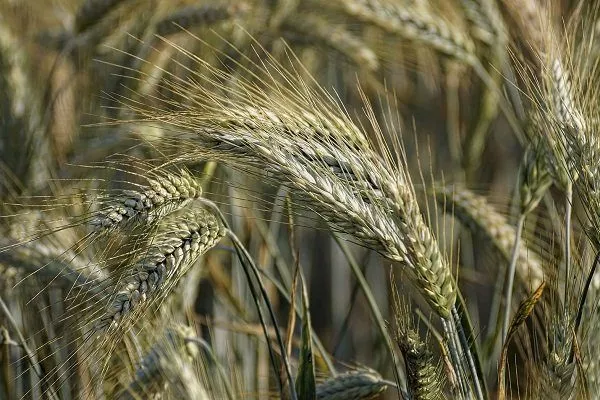
The external description and characteristics of rye are as follows:
- height of cereal from 115 to 120 cm;
- grain with a semi-circular shape;
- pubescent base;
- Alpha - frost-resistant;
- late-ripening – up to 350 days.
Other features:
- the root system of the cereal allows it to grow in the soil to a depth of 2 m;
- in loamy soil, rye has a loosening effect, making it permeable and light;
- has physiological activity, which allows for the rapid absorption of beneficial substances and poorly soluble compounds (phosphorus and potassium);
- It is better to sow the plant in early spring (beginning or middle of March);
- Rye is susceptible to brown and stem rust diseases.
Tatarstan Relay
The variety was artificially created through the selective selection of a complex hybrid gene, which allows for greater resistance to diseases such as powdery mildew and brown rust. A drawback is its intolerance to high temperatures.
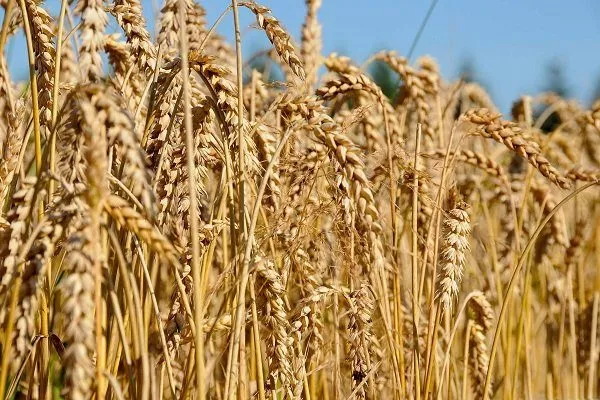
The main characteristics of the variety are the following:
- the height of the stem reaches up to 126 cm;
- the grain is elongated and large;
- mid-late ripening (up to 340 days);
- the plant is frost-resistant;
- cylindrical ear.
Main advantages of the variety:
- high yield – up to 63.2 c/ha;
- the grain has a high percentage of nutrients (lysine, amino acids and protein);
- Recommended for use in dietary and baby food.
Tatarskaya 1
This variety adapts to low-fertility soils but is not particularly valuable. It is planted as an insurance crop, as it tolerates high soil moisture (as in rainy summers). It is resistant to snow mold and root rot.
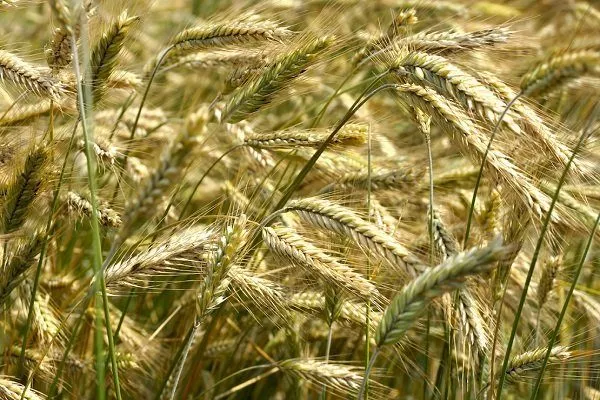
The characteristics of the grain are as follows:
- the length of the plant reaches 115 cm;
- semicircular grain shape;
- mid-season variety – up to 340 days;
- is distinguished by its frost resistance.
Rye doesn't require special care or modern technology. It's planted on land damaged by previous crops. It can be classified as second-grade.
Bezenchukskaya
This winter variety is distinguished by its non-sagging base during ripening, preventing the grains from falling in the wind. The root system reaches a depth of over 1.5 meters, allowing the rye to absorb the necessary amount of moisture.
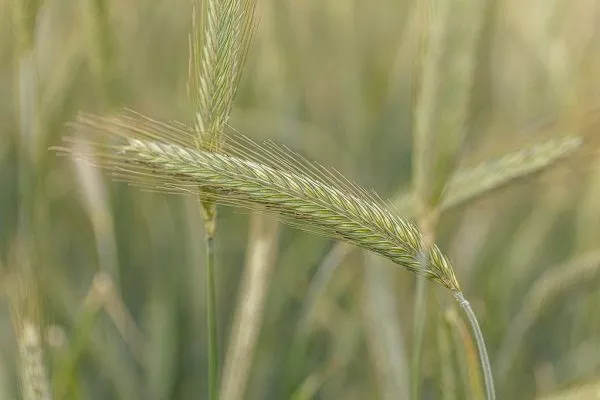
The main differences are the following indicators:
- the plant reaches 149 cm in height;
- grain shape – semicircular;
- mid-late ripening – up to 330 days;
- The variety is frost-resistant.
Saratovskaya 7
It grows under specific conditions and care. Its root system is weak, growing up to 1.2 m deep, so it requires plenty of moisture and mandatory soil fertilization at least twice a year.
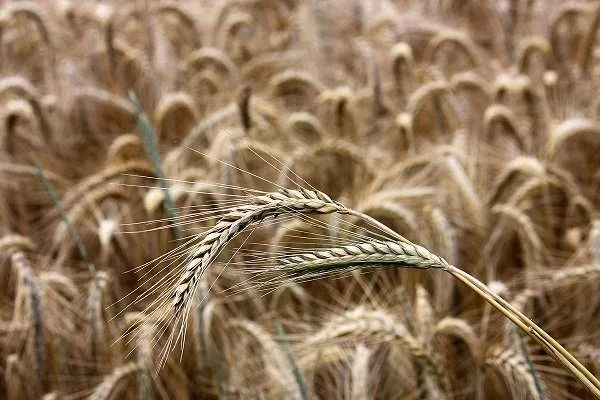
Brief description:
- the plant height reaches up to 130 cm;
- round grains;
- maturity – up to 330 days;
- frost-resistant rye.
The plant is rarely affected by diseases:
- brown rust;
- powdery mildew;
- snow mold.
Slavia
The species is resistant to drought and many diseases. It is sown in problematic soils due to its ability to restore soil after a failed or diseased harvest.
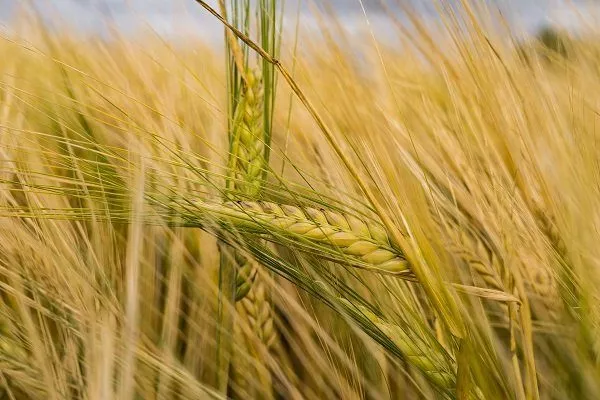
The main diseases to which rye is resistant are:
- powdery mildew;
- stem rust;
- brown rust.
Brief description:
- the plant height reaches 157 cm;
- medium-sized grains;
- ripening is medium-late – up to 369 days;
- The species is resistant to severe frosts.
Vyatka
This variety is grown for food production. It adapts to acidic soils containing high levels of aluminum. It can be planted in damaged soil where other crops cannot be grown.
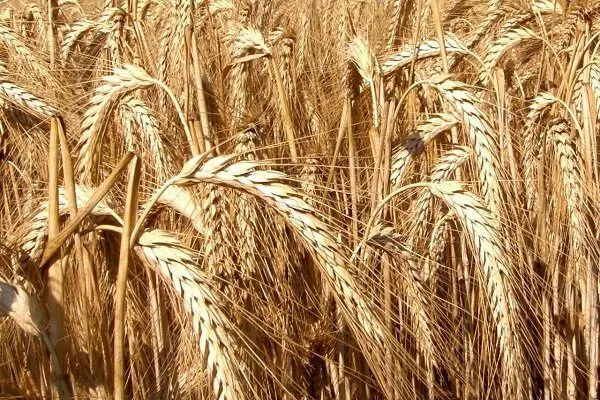
Main characteristics:
- plant length up to 147 cm;
- grains are semi-round;
- vegetation period – up to 330 days;
- frost resistance.
Sunrise 2
This variety is considered high-yielding. It was created by crossing a family selection of hybrid varieties. A combination of Hybrid 2 and Kharkovskaya 60 was used for selection.
Brief description of the variety:
- height reaches up to 152 cm;
- grains are oval-elongated;
- maturity – up to 335 days;
- The variety easily tolerates low temperatures.
Chulpan
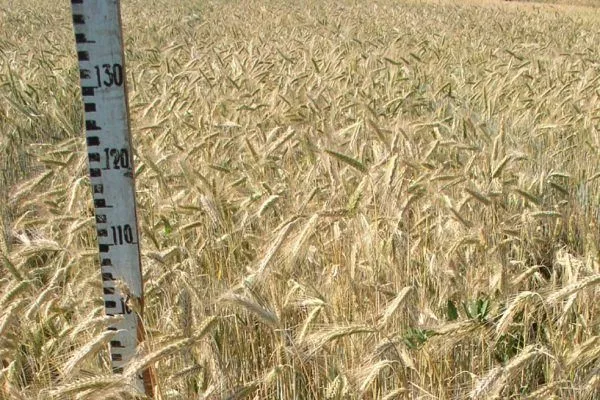
It is drought-resistant, as its root system allows it to absorb moisture at a great depth (3 m). It is not subject to base drooping after maturity, as the plant's stem is strong.
Description of the variety:
- the plant is low-growing – up to 95 cm;
- grain elongated semi-open;
- late ripening (up to 342 days);
- the cereal species is frost-resistant.
It is adapted to one disease: leaf rust. Other diseases affect it immediately, leading to crop loss. It requires special care using modern technology.
Other varieties popular in Russia
Rye is characterized by its low growth, as it has shortened stems, awns, leaves, and bases, and smaller grains. These varieties are less susceptible to diseases and require little maintenance.
Valdai
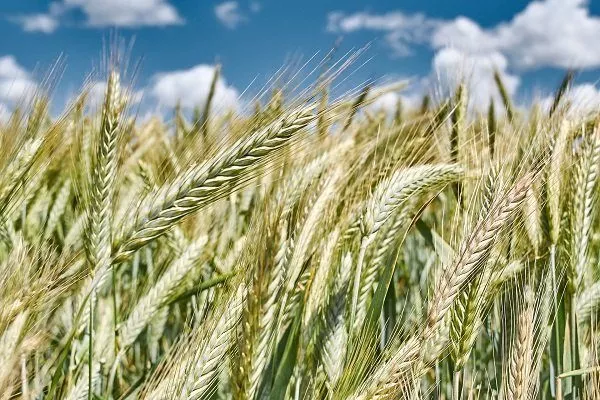
It has a high yield—up to 56.7 centners per hectare. Thanks to its strong stems and leaves, which strengthen the base, rye does not lodge in strong winds. The roots extend up to 1.5 meters into the soil, so the plant requires moisture.
Description of the plant:
- rye reaches a height of 132 cm;
- grains are semi-round;
- maturation time – 340 days;
- The variety is frost-resistant.
Resistant to brown and stem rust. Susceptible to snow mold and powdery mildew.
Crown
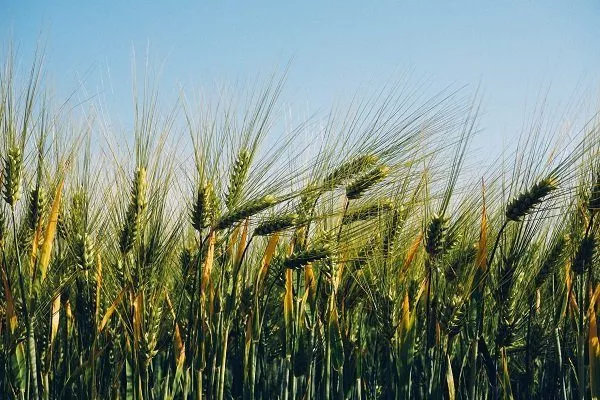
The plant is distinguished by its thick stem and leaves, which strengthen the base, resulting in minimal grain shedding and lodging resistance. It is drought-tolerant, thanks to its roots extending to a depth of 2 m.
Main characteristics:
- rye height 157 cm;
- the grains are round;
- vegetation period – up to 340 days;
- winter hardiness.
Rye is moderately resistant to powdery mildew. It is severely affected by stem and brown rust.
Haze
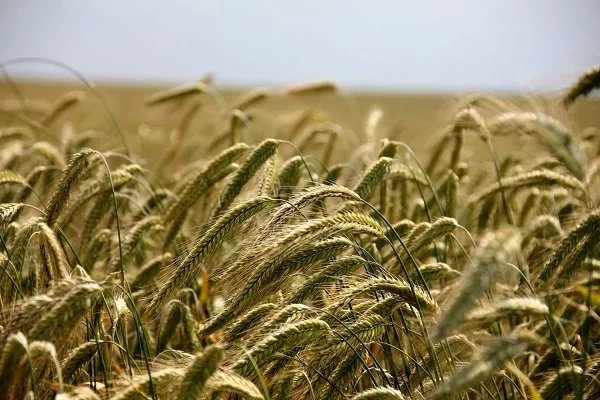
This variety is intended for agricultural production, primarily used for livestock feed. It is a second-grade variety, so it is rarely used in grain production. Rye does not tolerate drought well.
Plant characteristics:
- stem length 120 cm;
- grain shape – semi-open and semi-long;
- ripening is medium-late – up to 350 days;
- high winter hardiness.
Rye is susceptible to diseases:
- brown rust;
- root rot;
- fusarium wilt;
- powdery mildew.
Blizzard
This variety of rye is used to prepare a variety of dishes, which are indispensable for baby food and dietary needs. Its main drawback is its high moisture consumption. Severe droughts quickly kill the plant.
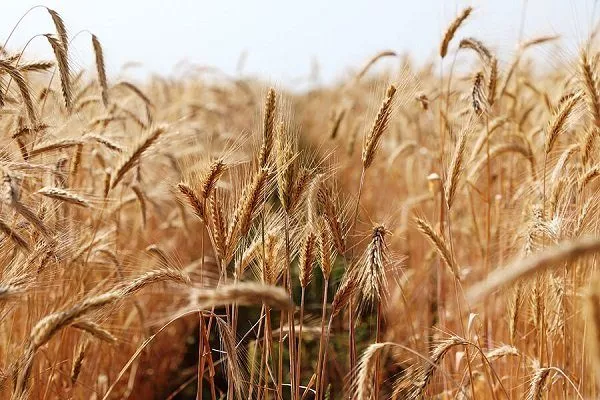
Brief description of the variety:
- plant height 149 cm;
- the grain is semi-open and elongated;
- maturation period – 338 days;
- The species is cold-resistant.
Rye is susceptible to diseases such as powdery mildew and snow mold. It is also highly susceptible to stem rust and brown rust.
Talovskaya 29 and 33
The plants are distinguished by their long stems, with leafy growths forming at the base, which contribute to their resistance to lodging. They require little care and tolerate drought well thanks to their deep root system (up to 2 m deep).
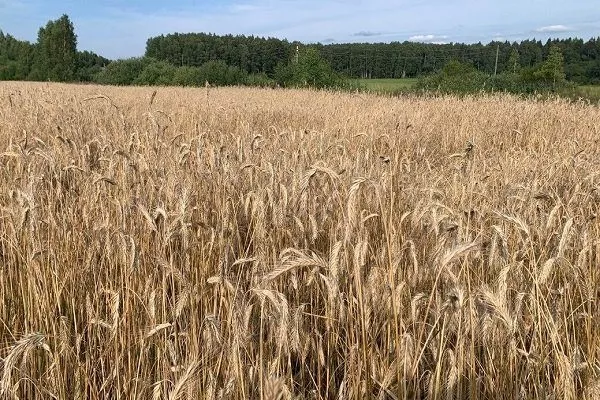
Characteristics of the Talovskaya 29 variety:
- the plant height reaches 176 cm;
- the grain shape is semi-elongated, the structure is semi-open;
- maturation – up to 331 days;
- does not take root in severe frosts.
Rarely affected by stem and brown rust. Susceptible to snow mold.
Brief description of Talovskaya 33:
- stem height 122 cm;
- grains are elongated;
- vegetation period – 335 days;
- characterized by frost resistance.
Moderately susceptible to diseases:
- stem and brown rust;
- snow mold;
- powdery mildew.
Volkhova
It tolerates drought because its root system extends 2-2.5 meters deep. High yields are achieved due to minimal grain loss, which is due to the leaves, which strengthen the stem and base.
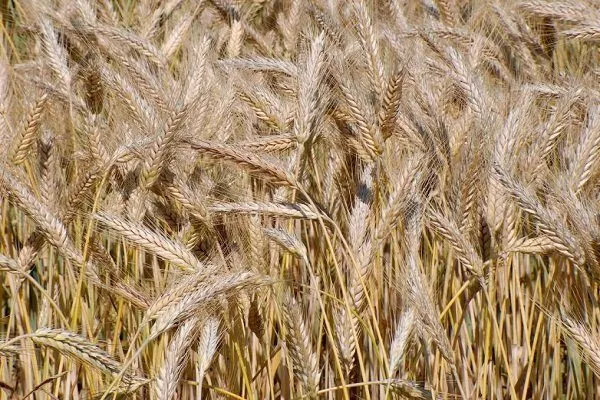
Description of the variety:
- stem height 143 cm;
- grains are oval;
- vegetation period – 360 days;
- poor frost resistance.
The variety is susceptible to brown and stem rust. It is occasionally affected by powdery mildew.
Severskaya
The seeds don't fall off for a long time because the base is extremely fluffy. Thanks to the roots, which reach 2 meters into the soil, the plant is not susceptible to drying out.
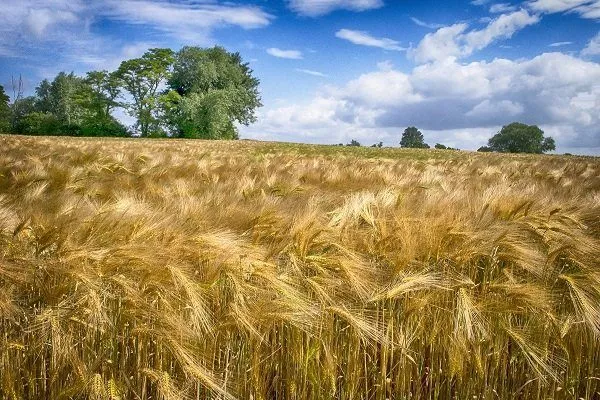
Brief description of the variety:
- the stem length reaches 135 cm;
- the grains are round;
- maturity - only 285 days;
- easily tolerates low temperatures.
Epic
Due to its weak stem and large base, the plant is prone to drooping, leading to grain loss. This significantly reduces yields—up to 35 centners per hectare. A plus for rye is its drought tolerance thanks to its root system (which can reach a depth of up to 2 meters).
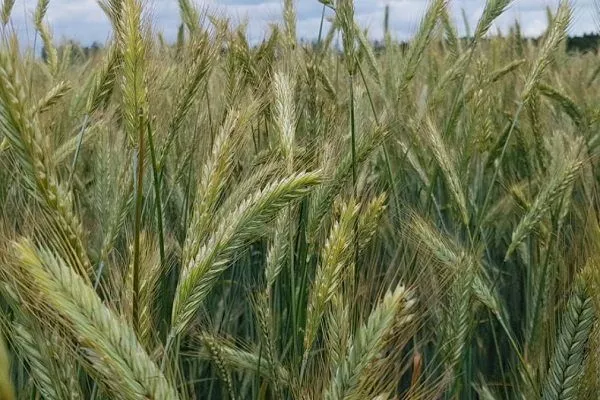
Characteristics of winter:
- the stem reaches a height of up to 148 cm;
- the grain shape is oval, semi-open;
- vegetation period – up to 334 days;
- frost resistance is noted.
Susceptible to diseases:
- stem and brown rust;
- snow mold;
- ergot;
- powdery mildew.
Tatiana
Rye doesn't thrive in dry and damaged soil, so planting requires a specific method. The soil must be moist and fertilized. Rye's stem and root system are weak, prone to base drooping and grain shedding.
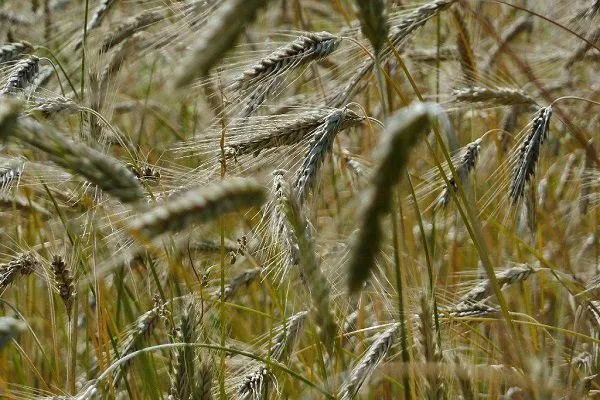
Main characteristics of the plant:
- stem length 142 cm;
- the grains are small;
- rye matures in 349 days;
- frost-resistant variety.
Rarely affected by stem rust and brown rust. Susceptible to ergot and powdery mildew.
Radon
Winter wheat is in high demand in industrial production. It is considered a first-grade wheat because it is used exclusively in grain production. The product is suitable for dietary and baby food.
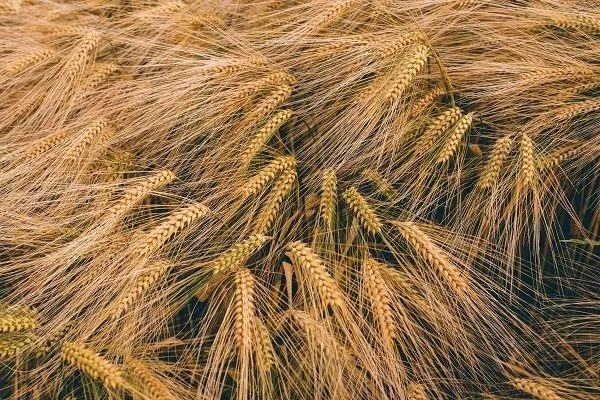
Plant characteristics:
- stem height 130 cm;
- large grain size;
- mid-late ripening – up to 335 days;
- The variety survives winter without any problems.
Rye is considered first grade, but is highly susceptible to the following diseases:
- ergot;
- root rot;
- snow mold;
- brown rust.
Towel
Rye does not thrive in dry and damaged soil, so it should be planted in as moist soil as possible. The plant has a strong stem and a hairy base, resulting in low grain loss. Winter rye recovers poorly from snow mold.
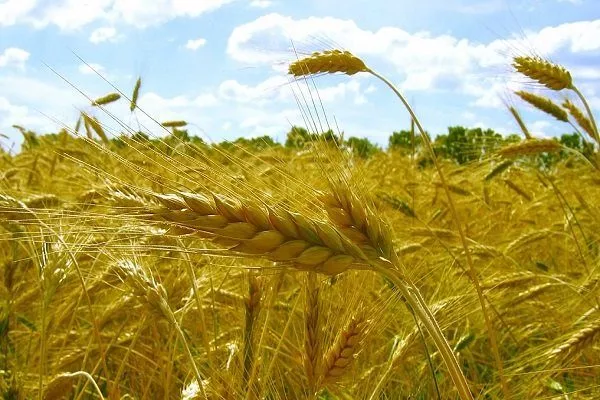
Main characteristics:
- the plant reaches 142 cm in length;
- medium-large grains;
- vegetation period – 349 days;
- attitude to frost is stable.
Snezhana
The plant thrives in acidic soils with high aluminum and phosphorus levels, allowing it to quickly recover from snow mold. A drawback of this variety is its tendency to collapse at the base due to its weak stem, leading to grain loss.
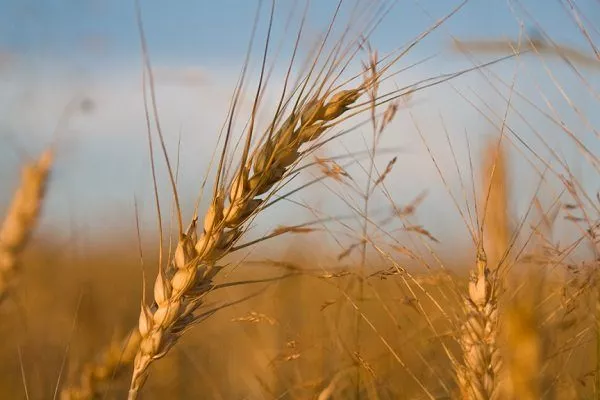
The characteristics of Snezhana rye are as follows:
- stem height 152 cm;
- grain is large and elongated;
- maturation period – 346 days;
- does not tolerate low temperatures well.
Common diseases of rye:
- brown and stem rust;
- root rot;
- septoria.
Varieties that have a recessive gene
Controlled by key genetic factors responsible for plant height, this is due to a lack of anthocyanin, which stunts stem and grain development. Rye matures quickly but has low grain formation, resulting in reduced yields.
These varieties are:
- Petkusser Kurstrog (FRG);
- Danae (GDR);
- Stalreg;
- Kungsreg II (Sweden);
- Dominant (Netherlands);
- Moscow low-growing.
Rules for choosing a variety
To ensure a good harvest, familiarize yourself with the characteristics of each variety, taking into account climate conditions and soil conditions. When choosing rye, pay attention to the grains and how they take root in the soil.
Key indicators:
- Root system. If the roots go deeper than 2 m, then the plant can be planted in dry soil.
- Frost resistance.Some varieties do not ripen in high or low temperatures.
- Infection. Rye is susceptible to various diseases, so if the previous harvest has died, the plant should not be planted.
Rye is a valuable food crop. Unlike other grains, it produces higher yields on contaminated soils. It is resistant to various climatic conditions. It is used as a green manure crop, increasing the yield of root crops and vegetables.