
Rye is a valuable plant that has been used by humans for centuries. To this day, it remains the most important grain in the production of industrial and feed products. Rye is a versatile product with a wide range of uses and is easy to grow.
What is rye grown for?
Due to its good frost resistance, rye seeds are typically grown in northern regions with cold climates. Although wheat is more popular than rye, it has not lost its importance and is used in a wide variety of applications.
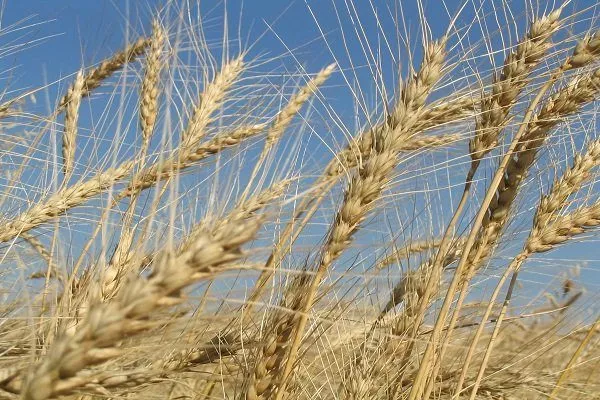
On a farm
Rye can be grown on a farm for a variety of purposes—as livestock feed, as a food crop, or as fertilizer. The latter two options are more popular with farmers because they offer the potential for greater profits by selling the rye to businesses and organizations.
Grown as a food crop, rye is used to make rye bread. It has more beneficial properties than wheat and is especially prized by those committed to a healthy lifestyle.
Rye is one of the best green manures used by farmers, as the plant produces a lot of green mass, which, after mowing and plowing, rots in the soil and becomes food for crops.
Advantages of rye as a green manure:
- improves the physical properties of the soil;
- eliminates weeds;
- enriches the soil with useful elements and makes it healthier.
In large-scale industry
Rye grains make it possible to produce a wide variety of products that are in demand by consumers. These include:
- Rye bread. One of the most popular products made from this grain, it's considered a dietary option. It's considered healthy because it contains more fiber, beneficial amino acids, and vitamins, yet fewer calories than wheat bread.
- Kvass with rye sourdough. It's made from rye malt, rye bread, and flour. In industrial settings, the starter is made from flour and sugar, then added to water and left to ferment for several days using vacuum equipment.
- Rye starch. It is considered healthier than corn or wheat flour and is an excellent alternative.
At home
Rye can be grown indoors for food, to control weeds, and to improve soil fertility in the garden. It can also be used as feed for cows, pigs, and other livestock.
For personal consumption, rye is preferred to be sprouted. Properly sprouted rye grains are considered an ideal product for those pursuing a healthy lifestyle. Sprouts contain vitamins B, PP, and E, as well as many amino acids, fiber, and minerals, making them a dietary food.
- ✓ Sprouts should be between 2 and 6 mm long for maximum nutritional value.
- ✓ Before sprouting, grains must be thoroughly washed to remove possible contaminants and pathogens.
Subtleties of cultivation, based on the purpose
The process of growing rye for feed, fertilizer, or other purposes is not particularly different on farms. Everything depends on the quality of the starting material.
To sprout rye at home for personal use, follow these instructions:
- Rinse the grain several times under running water.
- Spread it out in a thin layer.
- Fill with water so that the liquid covers the grain by no more than 2 mm.
- Cover the seed with a damp cotton cloth.
- Place the seeds in a shaded area at room temperature and rinse every 3-5 hours.
Before sowing, it's important to familiarize yourself with the general growing requirements for this grain crop. Yields depend on following these guidelines:
- for seed germination, soil moisture should be about 21.8%;
- Before sowing rye, use organic fertilizers (for example, manure or compost) – 1.5 kg/m;
- sow rye when the average daily temperature drops below +15 °C;
- use narrow-row sowing with 7-8 cm between rows and a seed depth of no more than 5 cm;
- for rapid development, sufficient lighting is necessary, since the plant loves light;
- Plant seeds 45-50 days before the first frost.
- ✓ The optimal soil pH for rye should be in the range of 5.0-7.0.
- ✓ The soil must have good drainage to avoid water stagnation.
Limiting factors in rye cultivation
Excess water in the spring, when snow melts in low-lying areas, can kill plants if they remain submerged for 10 days or more. In the spring, the soil should be harrowed to break up the crust, conserve water, and eliminate weeds and mold. Ignoring this procedure can lead to:
- high content of non-starch polysaccharides, which will negatively affect livestock when rye is used as feed;
- destruction of plants by pests, weeds and other factors.
Planting seeds after perennial legumes (due to the strong saturation of the soil with nitrogen) and sowing freshly harvested seeds also lead to the complete death or reduction of rye yield – use only aged grains for planting.
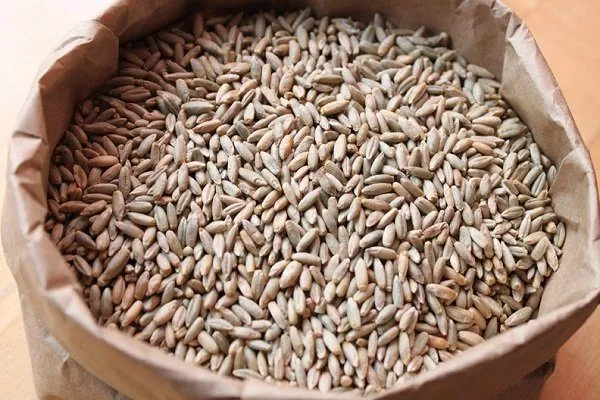
How and what profit does rye bring to farmers?
Rye yields are declining annually, falling behind those of wheat and barley. Despite this decline, rye remains an important agricultural crop in Russia due to its hardiness and excellent adaptability to cold climates.
Rye cultivation can be profitable by selling the harvest. Revenue depends on the form in which the crop is sold:
- For compound feed. Despite the low demand for rye for animal feed (since the raw material is used only as an ingredient), it is possible to find organizations and enterprises that would be interested in such an offer.
- For flour and bakery products. This is the most common way to make money from rye cultivation. It can be sold to factories or private businesses that produce rye flour and baked goods.
- As a fertilizer. When growing rye as an organic fertilizer, the focus should be on selling it to farms and private households. Rye as a green manure is very popular and can generate a decent profit.
Grain crops, including rye, are of great importance to the country's agricultural economy, serving as a key component of many people's diets and animal feed. Despite its low cultivation requirements, rye, like all plants, has its own characteristics, which, if understood, can help yield a high-quality harvest.