
Grain has long been the primary source of food not only for humans but also for farm animals. Therefore, grain cultivation is essential throughout the globe. In Russia, spring wheat is particularly popular and can be found almost everywhere: in Eastern and Western Siberia, central Russia, and the southern and western regions.
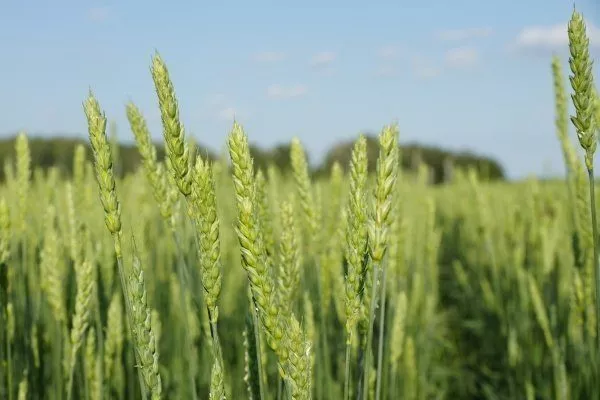
Spring crops are sown in the spring, and the harvest is harvested in late summer. Winter crops are sown in the fall, as this type can withstand mild winters, and the grain ripens by spring or early summer. However, if winters are harsh, winter varieties will not survive, so in Siberia, spring wheat is used, planted in the spring.
General concepts
Spring wheat has become widespread due to its extensive list of significant advantages and a short list of minor disadvantages. This annual or biennial plant is widely used as an insurance crop for underseeding and reseeding winter wheat when significant numbers of seedlings perish during the fall and winter.
Characteristic
Spring wheat is a herbaceous plant belonging to the Poaceae (grass) family. Its root develops tirelessly throughout almost the entire growing season; by the time of flowering, it can reach up to a meter and a half in length. It consists of a system of several rootlets and nodes that firmly support the stems, which grow to a height of 30 centimeters to 1.5 meters. On average, a single plant can produce about 10 stems.
Spring wheat leaves are quite narrow, rarely exceeding 2 centimeters in width. They are flat, often linear, with parallel veins, abundant fibers, and rough to the touch.
The plant's inflorescence is a complex, erect spike, reaching 4 to 15 centimeters in length, which, depending on the cultivar and variety, can be either ovoid or oblong. Scales up to 1.5 centimeters long are located on the axis of each spike. Spring wheat spikes are solitary and attached to the axis by two identical rows up to 2 centimeters long, with several closely spaced flowers (about 4-5). They come in several colors across the entire warm spectrum: light yellow, golden, and pale burgundy.
The flower consists of two scales, two films, three stamens and pistils, and two stigmas. Once the plants are fully ripe, the fruits develop, which are grains of varying weights covered with a seed coat. The color of the grains also varies depending on the spring wheat variety and can be milky yellow, deep beige, or reddish.
Pros and cons
The popularity and indispensability of spring wheat is due to the following advantages cereals:
- Temperature tolerance. The plant tolerates both short-term sudden frosts and prolonged heat and persistent dry winds. Moderate temperature fluctuations in either direction do not significantly harm the growth of the grass.
- Resistance. Spring wheat, especially compared to its winter counterpart, has increased resistance to pests and diseases. A particular advantage is its innate immunity to fusarium.
- It's resistant to shedding. The plant retains almost its entire yield by harvest time, even in strong winds.
- Productivity. Spring wheat boasts good yields of high-quality grain.
Cons The cereal also has:
- Weak initial stage. During the first two weeks of the growing season, spring wheat is more vulnerable than other cereals. This is especially true for the root system and productive tillering.
- Weed resistance. Despite its good resistance to diseases and pests, the plant cannot cope with weeds without the farmer's help.
- Fussy. Reaping the full benefits of growing spring wheat requires considerable effort, especially with regard to moisture levels and fertilization.
Varieties and types
Spring wheat is divided into two broad varieties: soft and hard, each requiring different conditions for optimal growth. Thanks to advances in breeding, numerous varieties of this crop now exist, and this number is growing every year.
Soft
| Name | Drought resistance | Disease resistance | Ripening period |
|---|---|---|---|
| Daria | Average | High | Early |
| Dobrynya | High | Average | Average |
| Irgina | High | High | Early |
| Lada | Low | High | Early |
| Prioksky | Low | Average | Early |
Soft spring wheat is characterized by thin, hollow stems and starchy, vitreous, or semi-vitreous grains. This plant variety prefers regions with consistently high humidity, as it tolerates drought less well. Moreover, soft spring wheat has lower soil fertility requirements and is less susceptible to weed damage than hard wheat varieties.
Soft spring wheat is the most common crop in the CIS, which is why there are currently numerous varieties. The most popular and in-demand varieties are the following, adapted to a variety of soils and growing conditions:
- Daria. It boasts a short growing season, high yields, good resistance to powdery mildew, and lodging resistance. However, it is quite susceptible to brown rust.
- Dobrynya. This variety, on the other hand, is virtually resistant to lodging, has good drought resistance, and the flour produced from its grains is of excellent quality. Dobrynya's disadvantages include increased susceptibility to hard smut, loose smut, and brown rust.
- Irgina. A fairly popular variety in southern Russia, characterized by early maturity and high yields. Its lodging resistance allows this spring wheat variety to be successfully grown in particularly windy fields.
- Lada. It's an early-ripening, high-yielding variety with increased resistance to powdery mildew. However, unlike its predecessors, Lada is prone to lodging and does not thrive in regions with prolonged rainfall.
- Prioksky. An early-ripening, high-yielding variety, it is not recommended for cultivation in areas with prolonged droughts. It is frequently affected by bacterial diseases of cereals, requiring special attention.
Solid
| Name | Drought resistance | Disease resistance | Ripening period |
|---|---|---|---|
| Bezenchuk steppe | High | High | Average |
| Bezenchuk amber | High | High | Average |
| Nashchadok | Low | High | Average |
| Orenburgskaya 10 | Average | Average | Average |
| Kharkovskaya 39 | High | High | Average |
Hard varieties of spring wheat are distinguished by thick-walled stems and small, hard grains. This variety thrives in continental climates with short, hot, and dry summers. This is why hard varieties are most commonly found in Altai, the Orenburg region, and northern Kazakhstan.
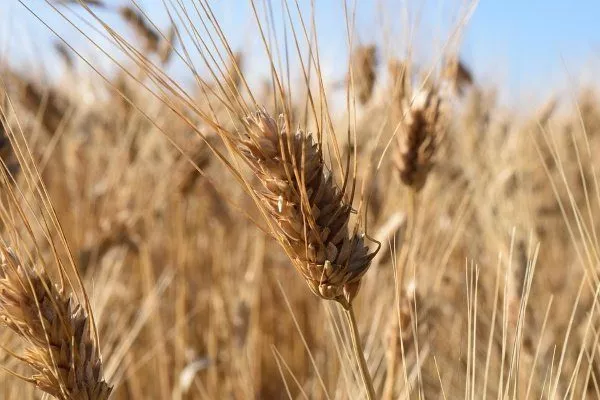
Hard spring wheat, compared to common wheat, tolerates atmospheric drought and hot winds much better. However, the plant has higher soil moisture requirements.
There are quite a few varieties of spring durum wheat available today. The choice of a specific variety depends on the climate of the growing region, available agricultural resources and methods, and the crops previously grown in the area. Therefore, the following varieties are most commonly cultivated:
- Bezenchuk steppe. This spring wheat variety is characterized by a medium maturity period and lodging resistance. It also boasts high drought tolerance and outstanding flour quality.
- Bezenchuk amber. It boasts excellent yields and increased lodging resistance. The variety has a mid-season growing season.
- Nashchadok. This variety is a breakthrough in breeding, designed for industrial-scale cultivation. Its distinctive characteristics include the ability to absorb increased amounts of fertilizer without losing the vitreousness of the grains. At the same time, Nashchadok is one of the most demanding varieties in terms of watering and irrigation, but it rewards the plant with a high yield of equally high quality.
- Orenburgskaya 10. An ideal variety for beginners, it's a mid-range variety. It offers average performance: growing season, drought resistance, leaf shattering, and lodging resistance.
- Kharkovskaya 39. This variety is a godsend for farmers seeking the highest quality flour. It boasts amber-colored grains with a high vitreousness. It has moderate resistance to lodging, powdery mildew, common smut, and Swedish fly. However, it is highly resistant to loose smut and brown rust. It is also highly drought-tolerant.
Growing
Spring wheat is hardly an easy-to-grow crop. Therefore, to ensure a good, high-quality harvest, it's essential to properly prepare the seeds and soil before sowing, as well as provide post-sowing care.
Predecessors
Particular attention should be paid to crops that were previously grown in the potential spring wheat planting site:
- Rapeseed, winter wheat, legumes and perennial grasses are the best choices as plant predecessors.
- If the selected land was previously used for growing barley, it is better to choose another location, as otherwise you may encounter poor yields and low gluten content in the grains.
- Replanting spring wheat should also be avoided: the incidence of root rot in plants increases by 50 percent or more.
When planting spring wheat after suitable predecessors, it is possible to limit the crop to only autumn plowing (without stubble cultivation), and in fields free of weeds (for example, if sugar beets or potatoes were previously grown on them and harvested with a simple tool), stubble cultivation alone without deep plowing will be sufficient.
Soil preparation
Preparing the soil for spring wheat planting begins with selecting the soil composition. The grain grows best in chernozem soils, but with strict adherence to all agricultural practices, a high yield can also be obtained from gray forest and sod-podzolic soils. Fertilizers are also applied at this stage.
Soil treatment works:
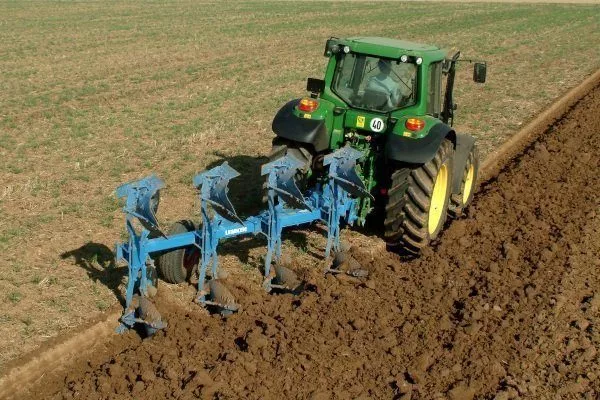
- For virgin and fallow lands, the basis of preparatory measures consists of moldboard plowing with a plow and skimmers, reaching a depth of about 20-25 centimeters.
- On light chestnut and alkaline soil, plowing with a soil deepening of 10-15 centimeters will be more effective.
- Areas with a thick surface layer of turf require preliminary disking before plowing.
- The timing of fallow plowing also has a significant impact on yield. Early fallow plowing in August and September generally increases wheat yields by 10-15% or more, with the exception of light soils, where later plowing is more effective.
Soil preparation also depends on the region where spring wheat is grown:
- In northern regions characterized by a cold autumn season, early tillage of virgin soil is recommended. Early (July-August) tillage of sown perennial grasses provides a significant advantage in the quantity and quality of the future harvest.
- In areas with harsh and little snow winters, it is advisable to carry out summer-autumn harrowing of fallow land, which contributes to greater (by 10-20%) retention of moisture in the soil in the spring.
- For regions with a moderate but long autumn (southern and southeastern regions), the best effect will be achieved by autumn plowing of the grass layer, which will provide additional grass cutting.
- In arid steppe areas, snow retention is especially important for increasing the yield of spring wheat, which can easily be achieved through protective afforestation.
Autumn plowing helps accumulate sufficient moisture in the soil, creating optimal conditions for sowing spring wheat earlier. Deeper autumn plowing ensures a significant increase in yield.
Seed preparation
Properly prepared seeds are a crucial step toward successfully growing spring wheat. Seed preparation involves two steps:
- Disinfection. This step is mandatory. It is necessary to destroy pathogens on the surface and inside the seeds and protect them from soil-borne parasites and diseases. Disinfection can be carried out using dry, semi-dry, or wet methods; hydrophobization is particularly effective. The most effective seed treatments include Flutriafol, Carbendazim, Tebuconazole, Mancozeb, Triticonazole, Ipconazole, Fludioxonil, Diniconazole-M, Benomyl, Imidacloprid, Vitavax, and Fundazol.
- Warming. This is a recommended, but not mandatory, preparatory step. To do this, leave the seeds outdoors in direct sunlight for 3-4 days. In low temperatures or when there is insufficient light, you can place the seeds in a dehydrator for a couple of hours, ensuring good air circulation and a constant temperature of 50°C.
- ✓ The optimal seed moisture content before sowing should be 14-15% to prevent fungal diseases.
- ✓ The temperature for heating seeds should not exceed 50°C to avoid damage to the embryo.
Fertilizers
This plant desperately needs high-quality fertilizer for robust growth and rapid development, so supplemental feeding is essential. For this purpose, a combination of nitrogen, phosphorus, potassium, and organic fertilizers is used:
- azophoska;
- ammonia water;
- calcium nitrate;
- nitroammophoska;
- nitrophoska;
- anhydrous ammonia;
- compost;
- manure;
- peat or others.
The amount of fertilizer applied also depends on many factors: the spring wheat variety, soil composition, climate conditions, and preceding crops. On average, to produce 1,000 kilograms of grain and the same amount of straw, it is necessary to apply approximately 40 kilograms of nitrogen, 20 of potassium, and 10 of phosphorus.
Sowing
The sowing time for spring wheat depends not so much on the calendar month as on weather factors, as the spring season varies across Russia. Germination occurs when the soil warms to 1-2 degrees Celsius, while active development and emergence occur at 4-5 degrees Celsius.
- Check the soil temperature at a depth of 5 cm: it should be at least +2°C.
- Determine the seeding rate depending on soil moisture: 300-450 seeds per m² for arid regions, 500-650 for humid regions.
- Choose a sowing method: narrow row for uniform distribution, cross for better rooting.
Rising sprouts can withstand slight fluctuations in temperature – frosts down to -10°C will not cause significant damage to the seedlings.
Most spring wheat varieties should be sown within the first five days of soil maturity, when the soil temperature reaches 2°C. However, sowing the grain too late can reduce yield by at least a quarter of its potential.
The best methods for planting spring wheat are narrow-row or cross-row. The seeding depth and the number of seeds used depend on the frequency of precipitation in the region:
- For areas with moderate to high humidity, seeds are placed in the soil at a depth of 3-5 centimeters. The recommended planting rate is 500-650 seeds per square meter of soil.
- For dry and windy regions, this figure is 6-8 centimeters. To sow 1 square meter of land, 300 to 450 seeds are required.
The figures given may vary depending on the size of the sowing site and weather conditions. Therefore, when determining the required number of seeds, keep in mind that only 60-70% of all seeds will germinate.
Thus, the seeding rate for spring wheat, on average, is from 12 to 23 grams of seed per 1 square meter.
Rolling and harrowing
Soil compaction immediately after spring wheat sowing is especially important in arid regions. This procedure is carried out using rollers of various designs, which help level the field surface and break up any clods that have formed.
In cases where a soil crust forms after rain, it is necessary to harrow the soil.
Taken together, these agricultural practices will allow the crop to easily penetrate the soil while also providing reliable protection from adverse weather conditions.
Weed control
Timely weed control is the key to healthy plants and, consequently, a bountiful harvest. The most effective approach is targeted herbicide application, choosing the product based on the specific weed species and the regional climate:
- Roundup and Hurricane are general-purpose drugs used as an alternative to targeted drugs;
- Attribut is an effective preparation for combating dioecious weeds and couch grass;
- 2,4-Dichlorophenoxyacetic and 2-methyl-4-chlorophenoxyacetic acids are indispensable in the control of annual dicotyledonous weeds.
When growing durum spring wheat, irrigation is recommended. The irrigation regime is selected based on climate conditions and soil composition.
Harvesting
The appropriate time for harvesting is considered to be the week following the biological maturity of the crops. This occurs in summer, and harvesting should begin in clear and dry weather, as rain during threshing can damage the plant and promote disease.
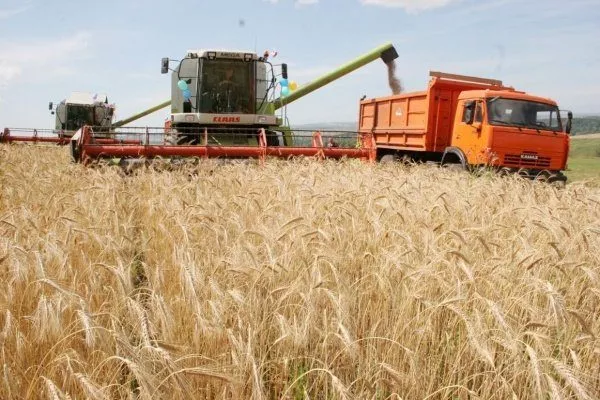
Delaying grain harvesting is not recommended: delaying harvesting can result in the grain being damaged by putrefactive infections, grain shedding, and stem lodging, which not only complicates subsequent harvesting but also significantly reduces the final yield.
Two methods are widely used for harvesting spring wheat:
- Separate method. It is most effective and justified in fields with high weed infestation, in areas of uneven cereal ripening and in areas with previous perennial grasses.
Mowing of the grain into windrows occurs when the spring wheat moisture level reaches approximately 30-35%. Three to five days after mowing into windrows and the moisture content reaches 17-18%, the windrows are harvested using combines. Split harvesting yields excellent results when the stalk height is at least 65 centimeters and the seeding density is good (at least 270 plants per square meter of land). - Direct harvesting methodThis method makes sense in unstable weather conditions. Combines are used to mow the crops and immediately thresh them. The resulting straw is then collected into stacks. The advantage of this method, compared to separate harvesting, is minimal grain loss, while the disadvantage is high weed content.
After harvesting, the grain is sent to elevators and grain dryers, and straw is collected from the field. After harvesting, the field is autumn-tilled to a depth of 10-15 centimeters.
Possible problems
Despite the innate good resistance to cereal diseases, spring wheat in exceptional cases can be affected by diseases such as:
- septoria;
- powdery mildew;
- brown and stem rust;
- snow mold;
- root rot.
The following medications have proven effective in combating the above-mentioned problems:
- Albite;
- Alto Super;
- Bravo;
- Carbezim;
- Prozaro;
- Rex Duo;
- Tilt;
- Fitolavin;
- Folicure.
Among the parasites, spring wheat is affected by insects such as:
- naughty turtle;
- grain beetle;
- grain moth;
- thrips;
- Swedish and Hessian flies.
Insecticides are effective in combating them:
- Decis;
- Decis-extra;
- Sumi-alpha and others.
Spring wheat is a crop that requires a number of preparatory measures and care procedures from the farmer to ensure vigorous growth, healthy shoots, and high-quality grains. However, by following all the requirements and guidelines, an outstanding harvest in both quantity and quality is guaranteed.