
All winter and spring wheat are divided into hard and soft varieties. When buying bread or pasta, it's helpful to know what type of flour they're made from. Let's learn the differences between hard and soft wheat, and whether there are any differences in their farming practices.
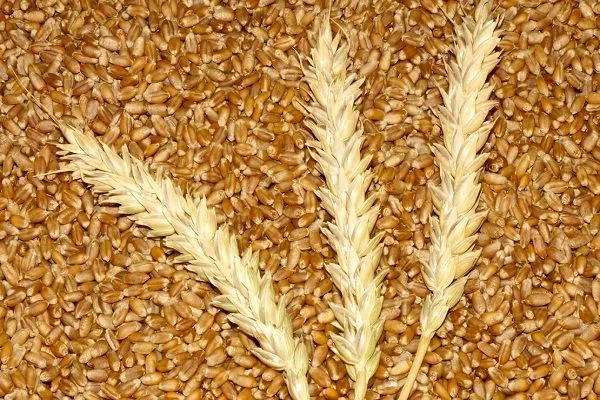
Features of hard and soft varieties
| Name | Disease resistance | Soil requirements | Ripening period |
|---|---|---|---|
| Ilias | High | High doses of nitrogen fertilizers | 200 days |
| Lars | High immunity to powdery mildew and rust | Intensive technologies | 300-314 days |
| Favorite | Moderate | Needs watering | 280 days |
| Shestopalovka | Moderate | Not specified | 285 days |
| Galina | High | For the Central and Northwestern regions | 290 days |
Hard and soft wheat have a number of botanical differences that determine the conditions in which they grow and the quality characteristics of the flour obtained from them.
General botanical description of wheat
Wheat—both hard and soft—has leaves, an ear, a caryopsis, and a fibrous root system. From the so-called growth cone, leaves emerge—stem and basal. Leaf growth continues until the plant flowers and is fertilized.
The main stem of wheat has 7-10 leaves, and the lateral shoots have 5-8. The cauline leaves are attached to the stem by a sheath.
An ear is an inflorescence consisting of a stalk and spikelets. Flowers are bisexual and monoecious, located between the scales. Wheat flowers consist of a pistil and three stamens, surrounded by convex scales, both inner and outer. A grain is the fruit of the wheat plant. Its components are the seed, the embryo, the seed coats, the fertile pappus, and the endosperm.
Characteristics of durum wheat
Durum wheat is rich in gluten and organic pigments called carotenoids. The grains are glassy and hard.
100 g of durum wheat contains:
- proteins – 13 g;
- fats – 2.5 g;
- carbohydrates – 57.5 g.
The energy value of 100 g of soft wheat flour is 304 kcal.
According to GOST R 52554-2006, durum wheat is divided into two subspecies:
- Durum (spring hard wheat). It is divided into dark amber and light amber.
- Winter hard.
Thanks to carotenoids, “hard” flour has a delicate creamy color.
Characteristics of soft wheat
These varieties are also called common. They are undemanding when it comes to growing conditions. They easily tolerate the vagaries of weather and the imperfections of the soils in which they grow. This is why these undemanding varieties occupy almost all the acreage allocated to wheat in Russia.
Soft wheat varieties are the most drought-resistant, frost-resistant and early-ripening of all types of this crop.
100 g of soft wheat contains:
- proteins – 11.8 g;
- fats – 2.2 g;
- carbohydrates – 59.5 g.
The energy value of 100 g of soft wheat flour is 304-306 kcal.
According to GOST R 52554-2006, soft grades are distinguished:
- red grain spring/winter;
- white-grained spring/winter.
All of these varieties, with the exception of the white-grained winter variety, have several subspecies that differ from each other in grain color and vitreousness parameters.
Biological differences of cereals
Biological differences between soft and durum wheat:
- Stem. Soft varieties have thin and hollow stems, while hard varieties have thick-walled stems.
- Grain. Soft wheat has grains with a floury, glassy, or semi-vitreous consistency. Their color ranges from white to red. Hard wheat has slightly hard grains, small in size, and yellowish or brown in color. Hard wheat kernels are elongated.
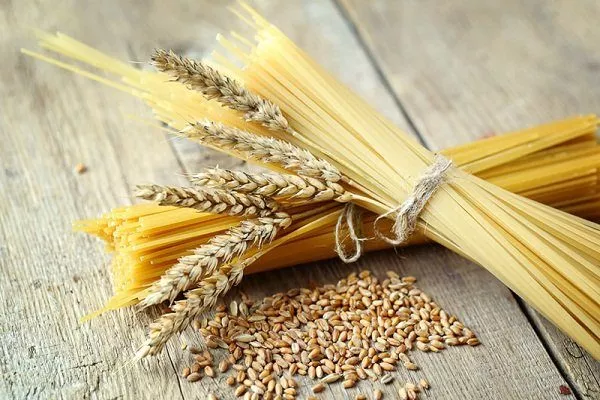
Where do they grow?
In Russia, 95% of all wheat acreage is planted with soft wheat varieties. To thrive, soft wheat requires a climate with high humidity.
Countries and regions where soft varieties are grown:
- Russia;
- Western Europe;
- Australia;
- CIS.
Hard wheat varieties require dry air and grow best in areas with a continental climate.
Countries and regions where durum wheat is grown:
- USA;
- Canada;
- Asia;
- North Africa;
- Argentina.
Which wheat is healthier: hard or soft?
Any wheat is healthy when consumed in moderation. Both types of flour contain complex carbohydrates, numerous vitamins, minerals, trace elements, and other beneficial substances. But durum wheat flour is definitely considered the healthiest.
Products made from wheat flour of any kind:
- benefit the nervous system, muscles, skin, nails and hair, and all internal organs;
- stimulate mental activity;
- strengthen the immune system;
- improve well-being.
The superior nutritional value of durum wheat is explained by its higher protein, fiber, and mineral content. Hard flour contains more protein than soft varieties, but fewer carbohydrates. It also has fewer calories, but only slightly.
What is it used for?
The biological properties of the grain determine the quality of flour obtained from wheat. The use of flour depends on its gluten content. It determines the stickiness and tackiness of the dough, and ultimately, the quality of the resulting product.
Soft wheat
The starch in soft wheat grains is coarse and soft, resulting in a crumbly, fine flour that absorbs almost no moisture. It has little gluten. The dough is loose and lacks elasticity, and the bread is crumbly and very brittle.
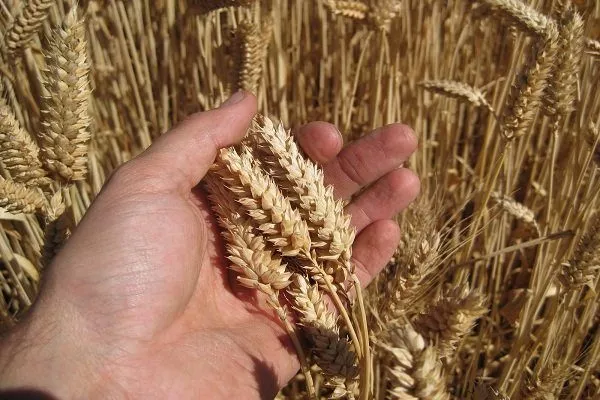
Products made from flour with reduced gluten content go stale quickly. It is used for bread, rolls, cakes, and pastries.
It's not recommended to use "soft" flour for making pasta. The pasta will quickly overcook and lose its shape.
Flour from soft wheat varieties is:
- Strong – high in gluten.
- Medium – with enough gluten for baking bread and making pasta.
- Weak – it contains little gluten, less than 18%.
Soft wheat grain is rich in vitamins B, D, K, E and P, cobalt, molybdenum, silicon, iron, manganese, sulfur, fluorine, copper, calcium, potassium, iodine, vanadium and zinc.
Durum wheat
Hard durum wheat has small, fairly hard starch particles. The resulting flour is fine-grained, has increased gluten content, and actively absorbs water. The dough is soft and elastic. Baked goods made with hard wheat flour remain soft for a long time.
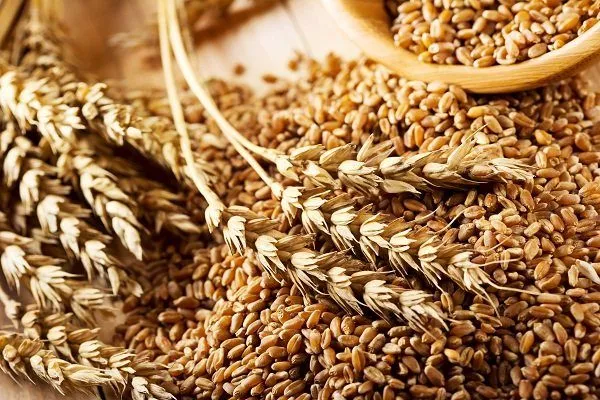
"Hard" flour makes wonderful pasta - even after cooking it retains its shape.
Durum flour contains a lot of phosphorus, calcium, potassium, sodium, iodine, zinc, manganese, magnesium, iron, B vitamins, biotin, carotene, choline, folate, niacin, D vitamins and other useful substances.
On the packaging of pasta made from “hard” flour there is the letter A, and on “soft” flour there is the letter B. “Hard” imported pasta is labeled with the word durum or semolina.
Harm and contraindications
The dry mass of wheat contains 7-22% protein, most of which is gluten. This specific protein is the reason why people with celiac disease are completely prohibited from eating products made from any flour.
Products made from flour of any type of wheat are contraindicated for people:
- with diabetes;
- with obesity;
- with high cholesterol.
People suffering from gastrointestinal diseases should consume wheat products with caution, especially during periods of exacerbation.
Improper consumption of wheat products leads to:
- weight gain;
- loss of strength and decreased energy.
To reduce the harm caused by consuming wheat products, it is recommended:
- give preference to durum wheat varieties;
- Eat pasta without fatty gravies and sauces.
Popular varieties
Several varieties of soft and durum wheat are grown in Russia. Despite the latter's greater nutritional value, soft varieties are grown in Russia, as they are hardier and more productive. Many regions are simply not suitable for growing durum wheat.
Soft varieties:
- Ilias. The plant grows up to 1 m tall. The ears are awnless. The variety is resistant to lodging and cold. Its yield can reach 75-85 c/ha. Fruiting occurs 200 days after sowing. It is characterized by good tillering. A special feature is that it can be sown after cereals. It is resistant to fusarium head blight. It is recommended for cultivation in soils with high doses of nitrogen fertilizers. This winter variety comes from a French producer.

- Lars. A high-yielding mid-season variety. Resistant to lodging, it has high immunity to powdery mildew and rust. With intensive cultivation techniques, it yields 70-97 centners per hectare. The growing season is 300-314 days. Its flour has excellent baking properties. It is very frost-resistant, as it was bred specifically for Scandinavia.
- Favorite. Winter wheat. A valuable variety. Reaches yields of 90 centners per hectare. Maturation takes 280 days. Responds poorly to drought and requires irrigation. It tolerates frost well. The grain contains approximately 35% fiber.
- Shestopalovka. An early-ripening spring wheat. The plant reaches a height of no more than 0.9 m. The ears are pale green. It does not lodge or shatter. Yields up to 80 centners per hectare. The maturation period is 285 days.
- Galina. A hybrid variety for the Central and Northwestern regions. This winter wheat yields up to 70 centners per hectare. Fruiting begins in 290 days. It is distinguished by its high protein content. The plant reaches a height of 0.9 m.
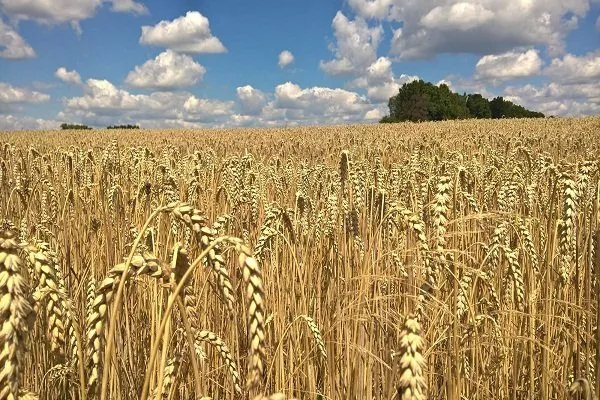
Hard varieties:
- Kubanka. A late-ripening variety. Its growing regions include Altai, Kalmykia, the North Caucasus, and Western Siberia. A distinctive feature is the awns, which are longer than the spike. The grains are long and glassy. The color is yellow or light yellow.
- Beloturk. This is a variety of the Arnautka variety. Cultivated in the Volga region, it is divided into three subspecies. The ears are awned, red, dense, and tetrahedral. The grain is white.
- Red Turk. A spring wheat with glassy grains rich in nitrogen. One of the best varieties in Russia. Its ears are medium-length and dense. The kernels are oblong. Krasnoturka flour is used to bake premium breads.
- Garnovka. The ears have a bluish bloom. The grain is dense, glassy, and elongated. This variety is grown in the Kuban region and in the southeastern regions of the country. The flour is used to make premium pasta.
- Black-spike. It has a well-developed root system. It is cultivated in the southern regions of Russia. It can grow in insufficiently moist soils. Slow growth results in reduced yields. It can be suppressed by weeds. The ears are dark, long, with prominent awns.
- Melanopus. A selective wheat variety for pasta. This variety is resistant to lodging and does not shatter. It is drought-resistant and tolerates hot weather well. It produces high yields even in drought conditions. Cultivated in the Caspian steppes.
- Saratov. A lodging-resistant variety. The ears are cylindrical, white, and coarse. The grains are large, glassy, and elongated, with a short tuft. Due to the high grain content of the ears, this variety produces high yields. It is cultivated in various regions of Russia.
- Bezenchukskaya. A mid-season variety. It tolerates prolonged droughts well. The ears are prismatic. The awns are twice the length of the ears. The variety is weed-resistant and has good immunity. It produces good yields even with minimal irrigation.
- Ottawa. A spring durum variety. Its hard grain is used to produce premium cereals, expensive bread, and premium pasta. In Russia, this variety grows in very small quantities. Cultivation regions include the North Caucasus and Rostov Oblast. The spike is extremely dense, with long awns arranged along the stalk. The grains are long and amber-colored. A distinctive feature is that the plant reaches a height of 1-1.1 m.
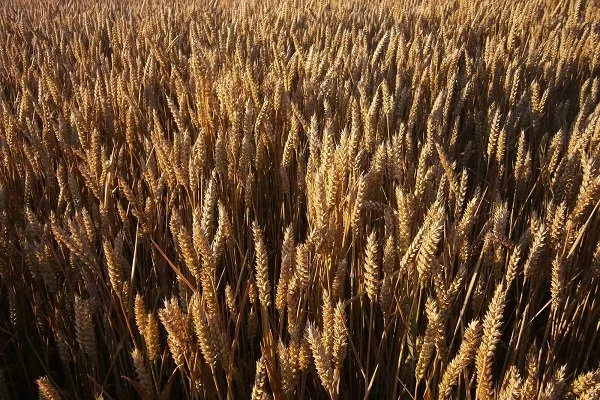
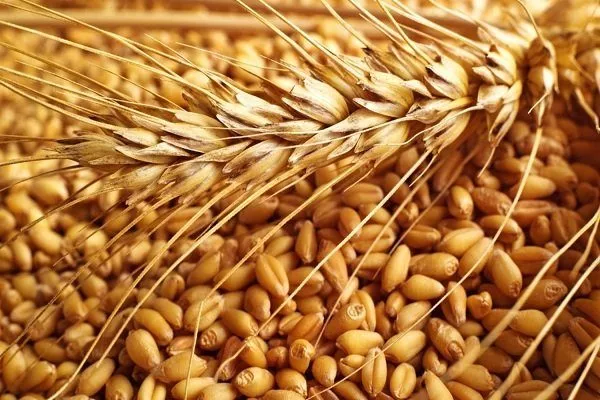
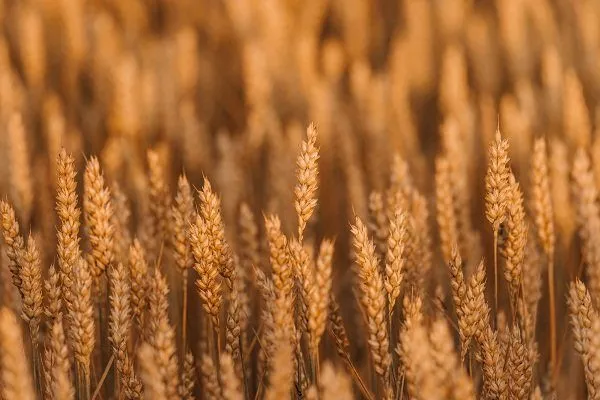
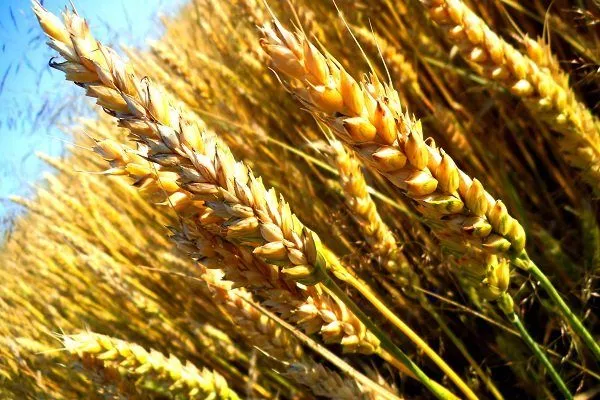
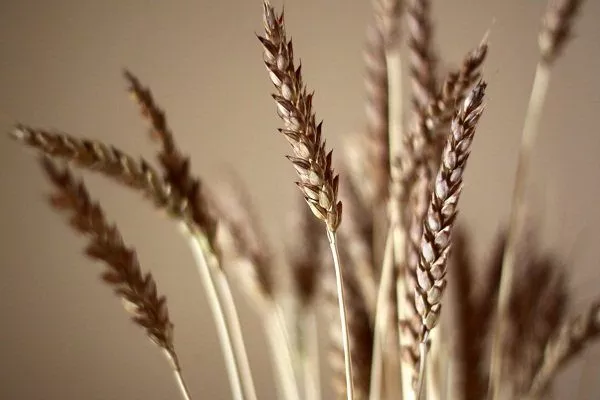
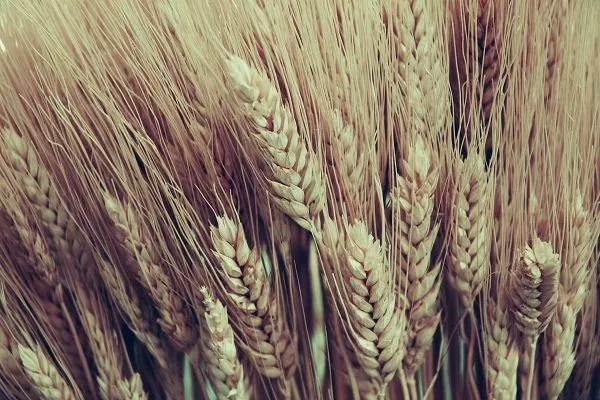
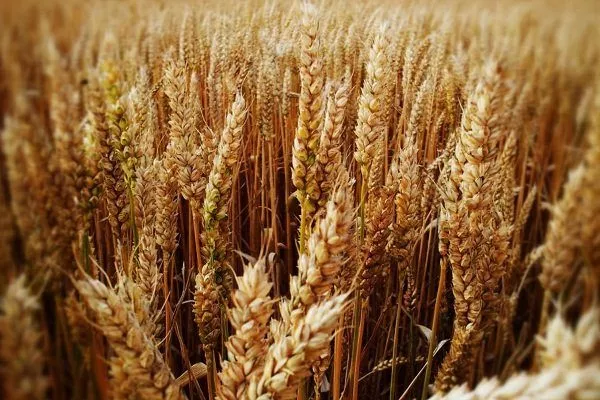
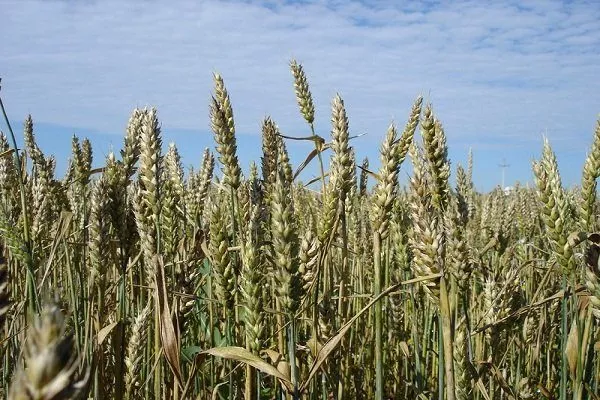
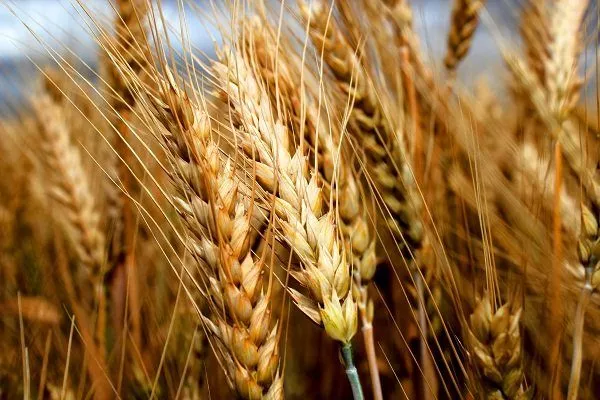
In Russia, the total durum harvest is 1-1.2 million tons. The average yield of durum wheat is 25-26 centners per hectare, with a maximum of 50-60 centners per hectare. Spring varieties yield 20% less than winter varieties.
Comparative agricultural technology
The cultivation techniques for hard and soft wheat differ only in subtle nuances. When growing a particular wheat variety, it's important to consider its growing conditions. It's worth noting that there are greater differences in cultivation techniques between winter and spring varieties than between hard and soft varieties.
Crop rotation
The choice of predecessor also depends on the regional climate and the wheat species. For example, winter varieties are often sown on bare fallow and are not recommended for growing after sunflowers, corn, or sudangrass. Spring varieties grow well after legumes and row crops. However, in arid regions spring wheat It is also recommended to sow on fallow land.
- ✓ The optimal soil pH should be within 6.0-7.5.
- ✓ The soil should have a high organic matter content, at least 2%.
Durum wheat is sown only after fallow. It cannot produce a good harvest in the same place twice in a row. If durum wheat is sown after cereals, the grain quality significantly deteriorates. It is necessary to give the soil a rest.
During the fallow year, it's important to ensure soil moisture is retained. To achieve this, the field is cleared of weeds mechanically or with herbicides. Snow retention is carried out during the pre-winter period.
Pre-sowing preparation
Before sowing wheat, the soil is loosened and leveled. Moisture conservation measures are taken, weeds are eliminated, and residues from previous crops are incorporated into the soil. The specifics of pre-sowing cultivation depend on the weather, available equipment, and the condition of the field.
Classic soil cultivation used in growing soft wheat:
- Harrowing and cultivation. The seedbed should be free of large clods.
- Rolling ensures contact between the seeds and the soil.
- Autumn tillage. This is carried out after the previous crop has been harvested. It increases soil moisture retention and reduces pest infestations.
- After two weeks, the soil is plowed to a depth of 20 cm.
- Stubble cultivation is performed first with a disk, then with a ploughshare. It is carried out after grain legumes and stubble crops.
Features of sowing durum wheat:
- When growing hard winter wheat, it's important to ensure maximum soil moisture retention. If the soil moisture content is less than 20 mm in the topsoil (20 cm thick), sowing should be cancelled.
- Moldboard plowing is used on fields with fallow land and perennial grasses. After grain legumes, surface tillage is sufficient to retain soil moisture.
- Pre-sowing cultivation and tillage are carried out at the seeding depth. The final soil cultivation is carried out transversely to a depth of 8 cm.
- If it rains just before sowing, cultivation will have to be repeated.
North
Wheat sowing techniques vary depending on climate, weather conditions, and the characteristics of the wheat variety. Optimal sowing times:
- spring varieties – 2nd decade of September;
- winter varieties – 1st decade of spring.
If the soil is poor, or the field has previously grown fallow crops, winter wheat is sown in early September. After fallow crops and on fertile soils, sowing is delayed until winter. This protects the wheat from the grain fly and prevents germination.
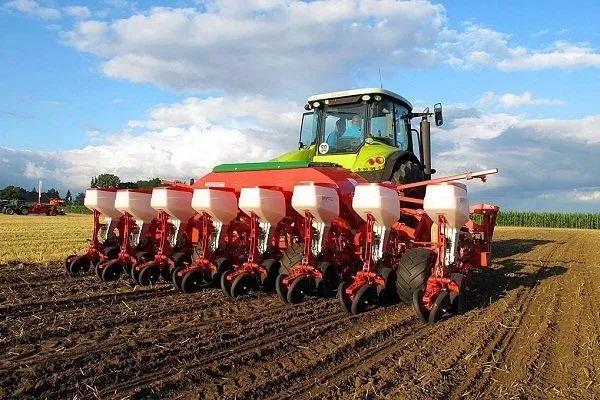
The seed placement depth is 3 cm. This depends on the sowing time. Sowing is done in rows, with 15 cm spacing between rows. After sowing, the soil must be rolled.
The recommended planting depth for hard winter wheat is 4-6 cm. When sowing spring varieties, consider soil conditions. In black soil, a seeding depth of 3-5 cm is sufficient; in arid regions, the seeding depth can be increased to 6-8 cm.
Fertilization
All wheat species and varieties respond well to fertilizers. The crop grows particularly well in fertile soils. To achieve a yield of 30 centners per hectare, 90, 25, and 60 kg of nitrogen, phosphorus, and potassium are applied to the soil, respectively. Fertilizer rates vary depending on the climate zone, soil conditions, previous crop, etc.
| Method | Efficiency | Recommended frequency |
|---|---|---|
| Foliar feeding | High | 2-3 times per season |
| Root feeding | Average | 1 time during sowing |
Fertilizers are applied taking into account the growing season:
- at the beginning - nitrogen;
- as the stems grow, the rate of nitrogen application is increased;
- at the stage of grain formation, nitrogen application is minimal;
- phosphorus is needed during the tillering period;
- during the earing period – potassium.
Thanks to potassium, the immunity of wheat increases and the grain size increases.
In the central zone, fertilizers are applied in a combination of organic and mineral fertilizers. When manure and peat are applied together, the yield doubles.
Hard wheat varieties are extremely demanding of soil fertility. They can tolerate drought, but will not produce a good harvest on poor soils. Spring hard wheat is particularly in need of fertilizer. It requires 4 kg of nitrogen fertilizer per 1 centner of grain.
Why is crop yield falling?
The efforts of breeders and farmers to increase crop yields are often offset by negative factors. There are a myriad of reasons why yields decline.
The main reasons for the decline in yields:
- poor quality seed material;
- attacks by insect pests and diseases;
- unfavorable conditions;
- lack of fertilizers, improper soil cultivation, too deep/too shallow sowing, etc.
Recently, another negative factor has emerged that is globally impacting the decline in yields of all types and varieties of wheat: climate change. Moreover, scientists predict that the problem will worsen over the next 20 years.
Negative factors associated with climate change:
- night temperatures will increase;
- the number of unfavorable factors will increase;
- the number of insects will increase;
- the incidence of diseases will increase.
Increasing crop yields
To maintain high wheat yields, farmers are constantly forced to adapt to changes—both global and local. At the same time, breeders are working to develop varieties resilient to new climatic conditions.
To increase the yield of soft and hard wheat varieties, the same methods are used:
- Fertilization is essential for a high yield. Foliar feeding is more effective. Spraying can promote tillering and reduce seeding rates.
- Timely fertilization can increase the size of the ear by 1.5-2 times and the weight of the grain. To achieve this effect, fertilization should be applied at the end of the lemma formation process.
Diseases and pests of wheat
The degree of resistance of hard and soft wheat to diseases and pests is determined by the biological characteristics of the variety, specific growing conditions (soil, weather, etc.) and compliance with agricultural practices.
Methods of combating diseases and pests:
- To combat powdery mildew, root rot, rust, and other diseases during the booting and heading stages, wheat is sprayed with fungicides. Uses include Fundazol 50%, Bayleton 25%, and others.
- The larvae of grain beetles, harmful turtles, grain fleas, grain moths, leafhoppers and other insects are destroyed using BI-58, Decis and other preparations.
To prevent spring wheat lodging, apply 4 liters of tur per hectare during the boot-forming phase. Tur can be used in combination with fungicides and herbicides, if mixing is permitted.
Cleaning
Spring soft wheat is harvested when the grain moisture content reaches 15-20%, while winter wheat is harvested at 14-17%. A 10-day delay can significantly reduce yield. Spring and winter varieties are harvested using direct combining. Winter varieties can also be harvested using the separate method if the field is heavily weeded.
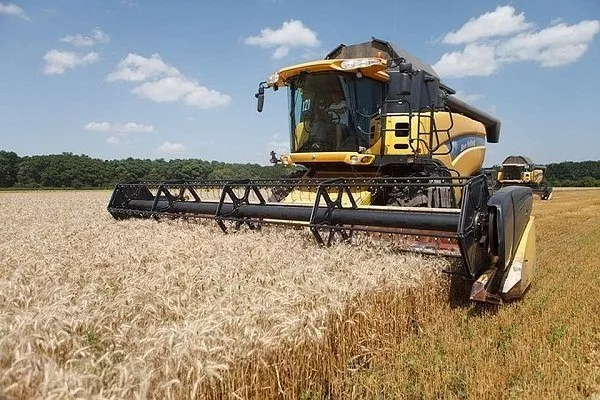
When harvesting hard wheat varieties, timing is crucial. Hard wheat is much more demanding than soft wheat in terms of harvest timing. Delays can lead to losses in harvest volume and quality. Harvesting is carried out separately, identifying in advance the areas where strong and weak wheat has grown. On the threshing floors, grain lots are separated by quality and not mixed during cleaning and drying.
While bread wheat is a strategic crop for Russia, durum wheat is the source of more nutritious flour. Despite similar agricultural practices, durum wheat cannot be grown in most regions of the Russian Federation because it requires a dry climate.