
Today, there are a large number of wheat varieties. They are divided into winter and spring, soft and hard, and differ in ripening times and conditions. These varieties are constantly being expanded with new developments by breeders. You can learn more about common varieties in this article.

Winter
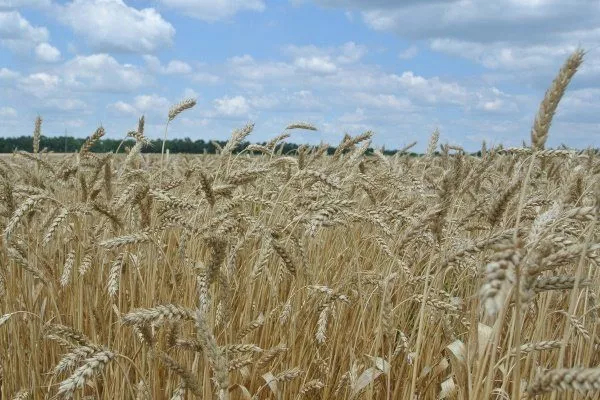
Winter wheat varieties are less sensitive to cold. They are recommended to be sown from early September to late October. They typically produce high yields.
The soil for plants should be nutritious and contain potassium, phosphorus and nitrogen.
Let's look at the most popular varieties.
| Name | Plant height (cm) | Yield (c/ha) | Ripening period (days) |
|---|---|---|---|
| Antonovka | 95 | 90 | 280 |
| Bezenchukskaya | 100 | 85 | 320 |
| Lennox | 90 | 90 | 300 |
| Podolyanka | 100 | 60 | 310 |
| Tanya | 95 | 85 | 300 |
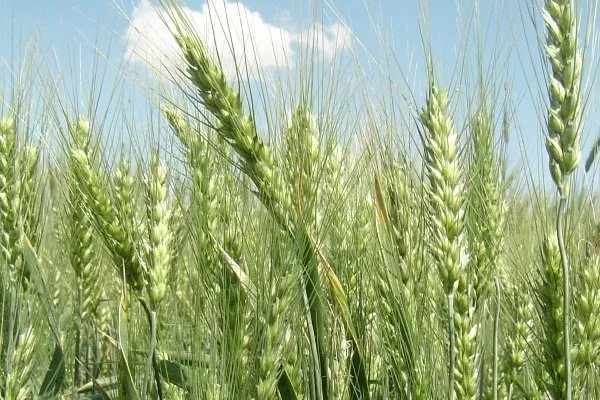
Antonovka
Description of the variety:
- the height of plants does not exceed 95 cm;
- has white spikelets, without signs of pubescence;
- adapts to different weather conditions;
- resistant to drought and many common diseases.
The ripening period is relatively short – 280 days.
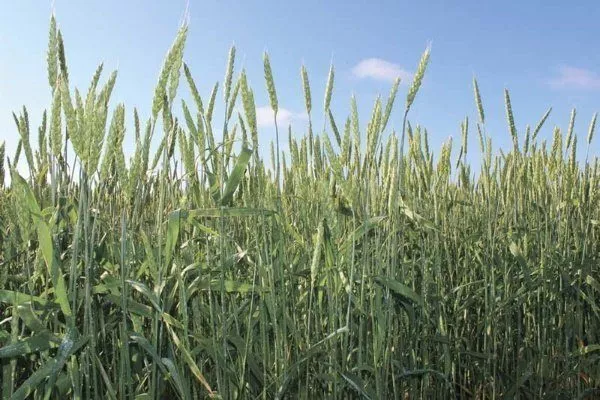
Bezenchukskaya
Pay attention to:
- weight, which for 1000 seeds can reach about 45 g;
- grains of a pleasant amber color;
- dense ear structure;
- resistance to many common diseases.
Harvesting begins 320 days after sowing.
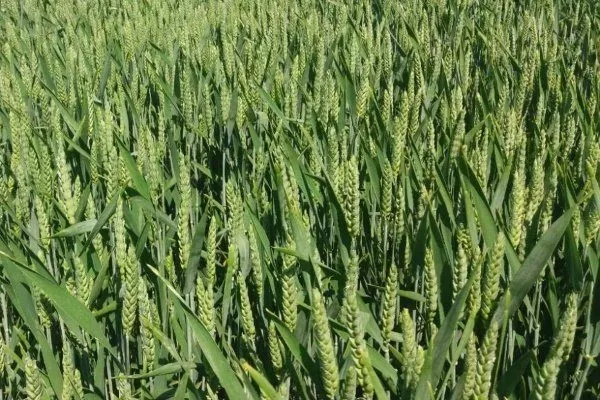
Lennox
Has the following qualities:
- the spike is small, its length rarely exceeds 20 cm;
- in 1 ear you can find up to 200 grains;
- resistant to many diseases;
- the yield reaches 90 c/ha.
Fully matures within 300 days.
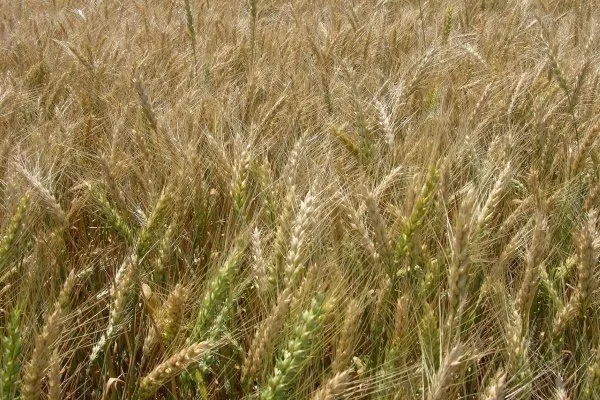
Podolyanka
Specifications:
- the length of plants can reach 1 m;
- the grains are egg-shaped;
- the fruits contain a large amount of fiber;
- drought tolerant;
- can produce about 60 c/ha of yield.
The ripening period is, on average, 310 days.
Tanya
The following parameters are distinguished:
- 1000 grains can weigh up to 45 g;
- has high nutritional value;
- does not shed;
- It is distinguished by good resistance to adverse external conditions and many diseases.
Ripens in 300 days.
Spring
Spring wheat varieties are typically sown in early spring. They require little soil cultivation. They are more sensitive to weather conditions and ripen better in warmer climates.
Spring wheat varieties mature twice as fast as winter varieties. Read more about growing spring wheat. Here.
| Name | Plant height (cm) | Yield (c/ha) | Ripening period (days) |
|---|---|---|---|
| Irene | 95 | 85 | 90 |
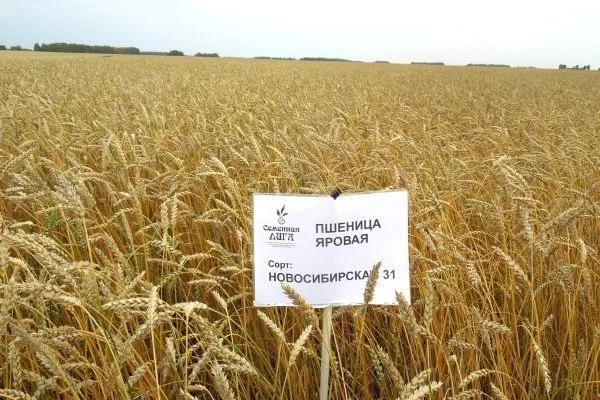
| Novosibirsk 31 | 90 | 36 | 100 |
| Saratovskaya 7 | 95 | 45 | 90 |
| Uralosibirskaya | 100 | 50 | 85 |
| Kharkovskaya 46 | 95 | 85 | 85 |
Irene
The following characteristics of plants are distinguished:
- the grains are large, the weight of 1000 pieces can be 40 g;
- has high nutritional value;
- the fruits contain a lot of protein and fiber, they are also rich in vitamins;
- Typically used for baking.
The variety begins to bear fruit 90 days after sowing.
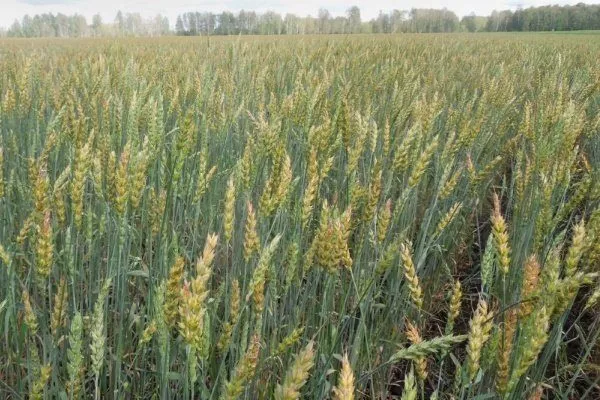
Novosibirsk 31
Variety traits:
- the weight of 1000 grains is approximately 35 g;
- has high nutritional value;
- resistant to many known diseases;
- The yield is small, about 36 c/ha.
Ripening occurs within a period of up to 100 days.
Saratovskaya 7
The following parameters are described:
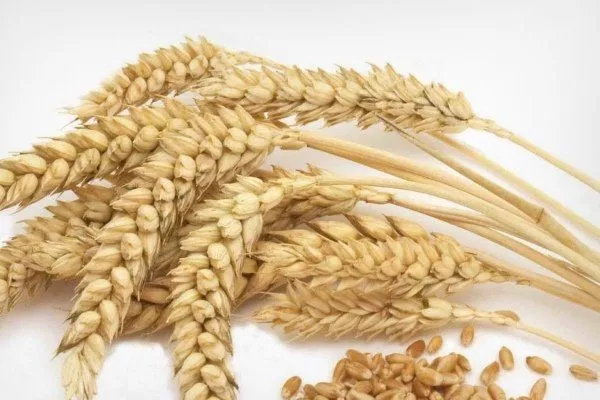
- the spike is white, awnless;
- the grains have a delicate white color;
- the yield is approximately 45 c/ha;
- resistant to many diseases.
The harvest can be obtained 90 days after sowing.
Uralosibirskaya
Key Features:
- plants are tall, can exceed 1 m;
- 1000 grains can weigh 40 g;
- the maximum yield of the variety reaches 50 c/ha;
- resistant to many common diseases.
Ripens in about 85 days.
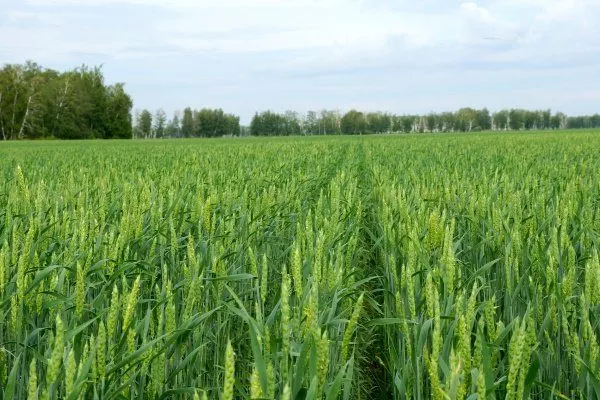
Kharkovskaya 46
You can pay attention to:
- an ear of corn that has a rich red color;
- white grains;
- high nutritional value and widespread use in baking;
- average degree of resistance to diseases.
The ripening period for wheat can be 85 days.
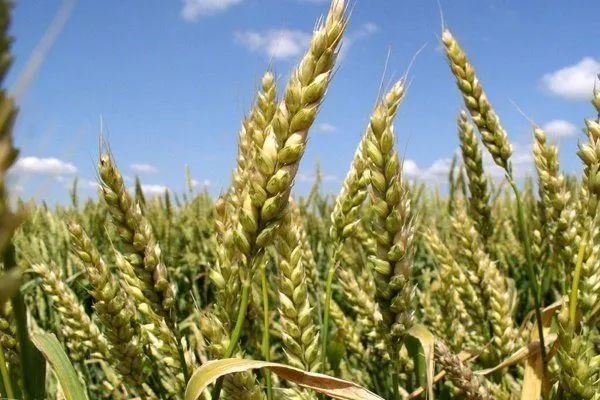
Soft
The ears of soft wheat varieties are shorter and thinner than those of hard wheat varieties. The fruits contain more fiber, as well as vitamins E and D. The dough made from this type of flour is looser and less elastic. Therefore, this wheat is used for making confectionery.
The caloric content of soft and hard wheat varieties is approximately the same – 305 Kcal.
These can be classified as soft varieties.
| Name | Plant height (cm) | Yield (c/ha) | Ripening period (days) |
|---|---|---|---|
| Ilias | 100 | 75 | 200 |
| Lars | 95 | 70 | 320 |
| Favorite | 100 | 90 | 280 |
| Shestopalovka | 90 | 80 | 285 |
Ilias
Description of the variety:
- the height of plants does not exceed 1 m;
- awnless spike;
- not susceptible to lodging;
- the yield is 75 c/ha;
- resistant to cold temperature.
Fruiting begins 200 days after sowing.
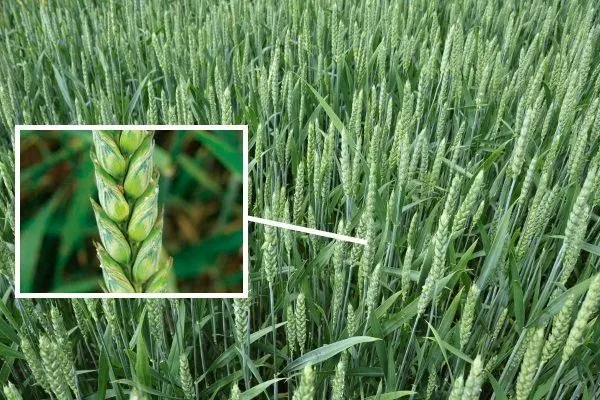
Lars
Please note:
- weight of 1000 grains, which can reach 50 g;
- high protein content;
- frost resistance;
- good yield, which exceeds 70 c/ha.
It takes about 320 days for wheat to ripen.
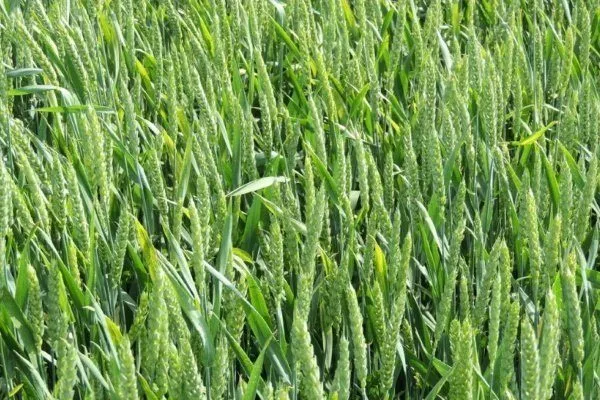
Favorite
The following features are known:
- fruits can contain about 35% fiber;
- resistant to severe frost conditions;
- does not tolerate drought and requires timely watering;
- The yield is 90 c/ha.
Ripening takes place over a period of 280 days.
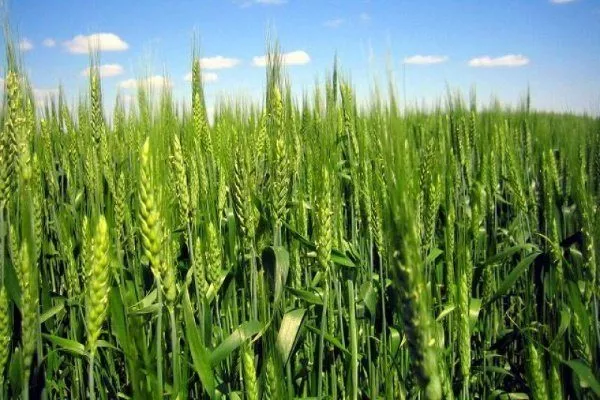
Shestopalovka
Characteristics of this variety:
- the height of plants rarely exceeds 90 cm;
- the spikelets are pale green in color;
- not subject to lodging and shedding;
- You can get up to 80 c/ha of harvest.
The average ripening period for this variety is 285 days.
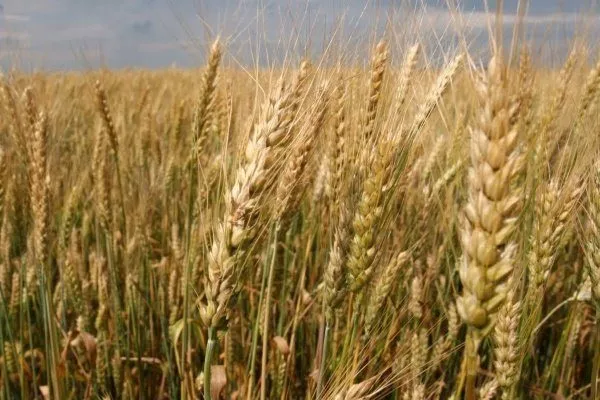
Solid
Hard wheat varieties contain many beneficial substances and minerals. If you look at the grain structure, you'll notice that they are firmer. They contain less starch than soft wheat, allowing products to better retain their structure.
Durum wheat is used to make premium pasta and bread.
The following varieties can be distinguished.
| Name | Plant height (cm) | Yield (c/ha) | Ripening period (days) |
|---|---|---|---|
| Melanopus 26 | 95 | 85 | 290 |
| Moscow 39 | 100 | 50 | 300 |
| Rhino | 100 | 85 | 280 |
| Chicago | 95 | 90 | 300 |
Melanopus 26
The parameters of the variety include:
- oval grain shape;
- resistance to shedding;
- ability to grow in drought conditions;
- disease resistance.
You have to wait 290 days before harvesting.
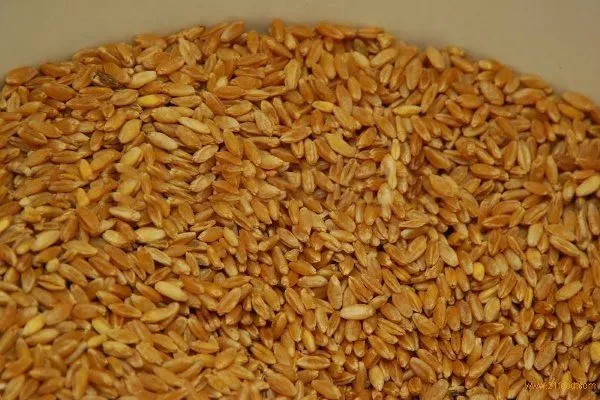
Moscow 39
The following qualities are distinguished:
- the height of plants rarely exceeds 1 m;
- the weight of 1000 grains can be equal to 40 g;
- is distinguished by its high protein content;
- resistant to drought and lodging;
- The yield is 50 c/ha.
The variety ripens in 300 days.
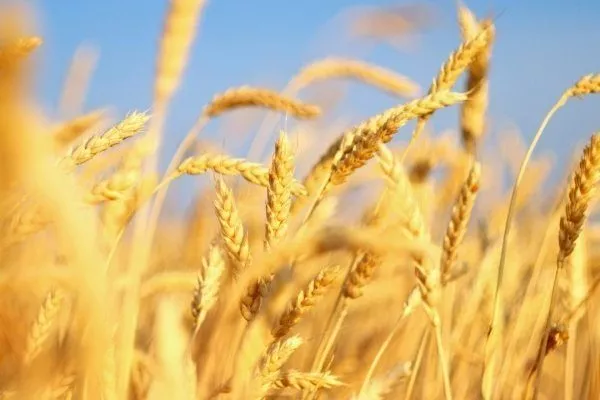
Rhino
Known characteristics:
- the height of plants exceeds 1 m;
- does not shed;
- resistant to adverse weather conditions;
- resistant to the most common diseases.
Ripening takes place over a period of 280 days.
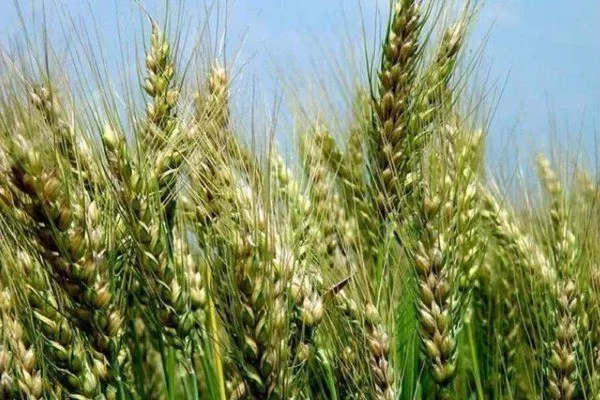
Chicago
Traits of this variety:
- the grains are large, their weight can reach 50 g (1000 pcs.);
- does not lose its qualities over 8 years of sowing;
- does not shed;
- resistant to a large number of diseases.
It takes at least 300 days to fully mature.
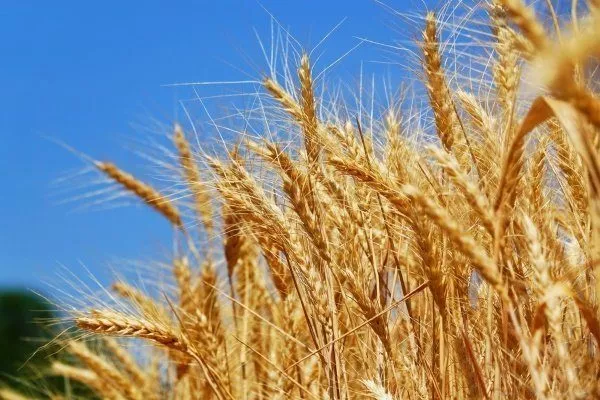
For northern regions
Frost resistance is an important characteristic for growing wheat in harsh winters and short summers. The following varieties are recommended for cultivation in northern regions.
| Name | Plant height (cm) | Yield (c/ha) | Ripening period (days) |
|---|---|---|---|
| Vasilina | 90 | 90 | 300 |
| Harus | 90 | 80 | 300 |
Vasilina
Described features:
- weight of 1000 grains – 40 g;
- the height of the plants is 90 cm;
- winter hardiness is estimated at 9 points;
- The yield is 90 c/ha.
Ripens in up to 300 days.
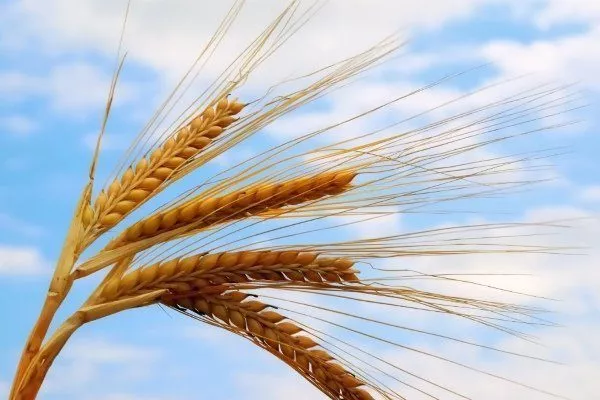
Harus
Variety qualities:
- the weight of 1000 grains is approximately 45 g;
- the height of plants does not exceed 90 cm;
- winter hardiness is quite high and reaches 8 points;
- The yield is about 80 c/ha.
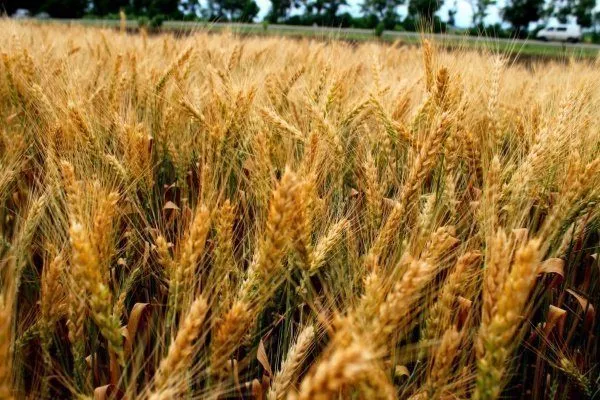
It ripens over a period of 300 days.
For the climate of the central zone and Western European region
In temperate climates, both winter and spring wheat thrive. The following varieties exhibit good performance.
| Name | Plant height (cm) | Yield (c/ha) | Ripening period (days) |
|---|---|---|---|
| Galina | 90 | 70 | 290 |
| Tarasovskaya spiny | 95 | 90 | 280 |
| Child | 85-100 | 85 | 100-110 |
Galina
Signs:
- the height of plants does not exceed 90 cm;
- has a high protein content;
- resistant to drought and lodging;
- The yield is 70 c/ha.
Fruiting begins no less than 290 days after sowing.
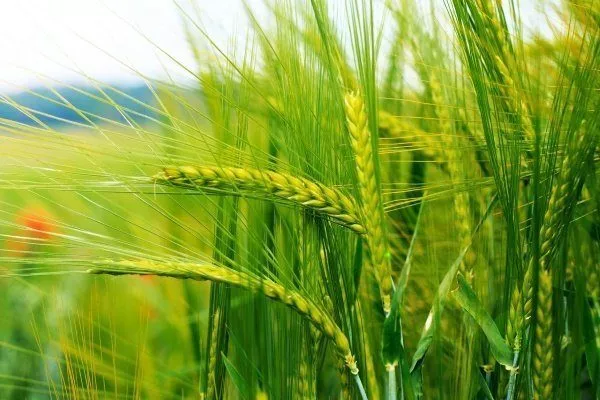
Tarasovskaya spiny
Specifications:
- the weight of 1000 grains is about 35 g;
- has a high gluten content;
- the variety is resistant to severe droughts and many known diseases;
- yield – approximately 90 c/ha.
The average ripening period of the variety is 280 days.
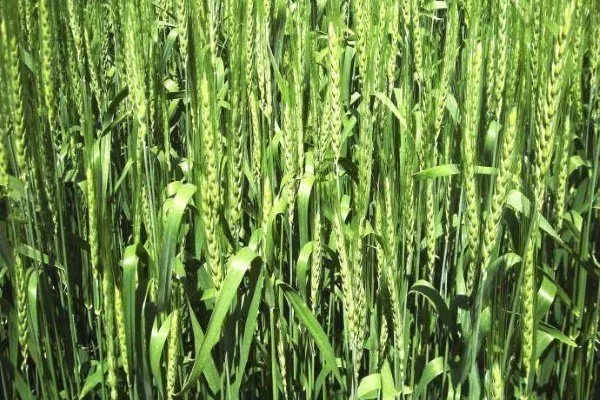
Child
It has the following characteristics:
- grows up to 85-100 cm in height;
- grain size is medium;
- the ear is easily threshed;
- tolerance to common diseases;
- resistant to lodging.
The growing season lasts 100-110 days.
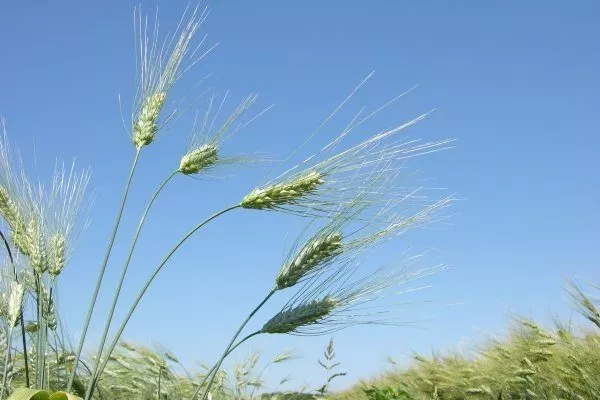
Forage
Feed wheat generally refers to any wheat with low nutritional value (quality classes 5 and 6). After processing, it produces feed, which is used as livestock feed.
- ✓ Consider the soil type and its acidity to choose the optimal variety.
- ✓ Pay attention to the variety’s resistance to local diseases and pests.
The characteristics of feed wheat are:
- high protein content (about 15%);
- a large amount of vitamins B and E;
- humidity rarely exceeds 15%;
- During processing, wheat must be dried;
- has a low cost.
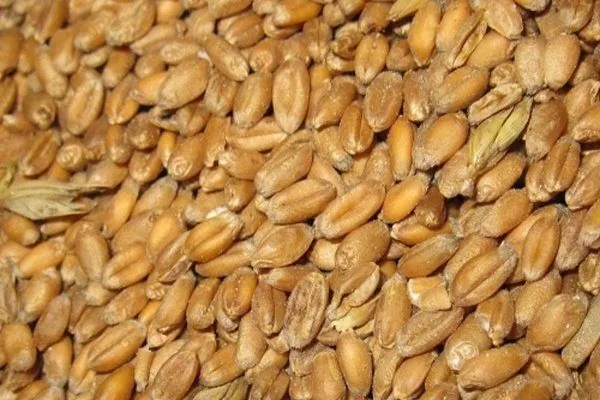
If the percentage of cellulose is high, it is used to feed cattle; if the content is low, wheat is fed to birds.
- ✓ The 'Marquise' variety has increased drought resistance due to its deep root system.
- ✓ 'Nordica' has a short growing season, which allows it to be grown in regions with short summers.
New selections
Among the wheat varieties that have been bred relatively recently, the following can be distinguished.
| Name | Plant height (cm) | Yield (c/ha) | Ripening period (days) |
|---|---|---|---|
| Marquise | 100 | 70 | 300 |
| Nordica | 90 | 55 | 270 |
| Rhea | 80 | 50 | 270 |
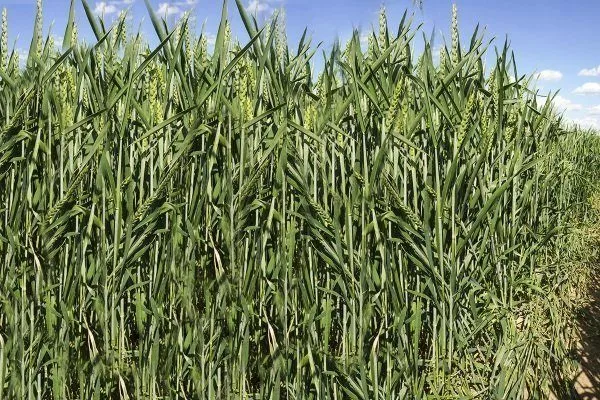
Marquise
Main parameters of the variety:
- the height of plants reaches 1 m;
- the grains have a reddish tint;
- not subject to lodging and shedding;
- moderately resistant to common diseases;
- The yield is 70 c/ha.
Ripens within 300 days.
Nordica
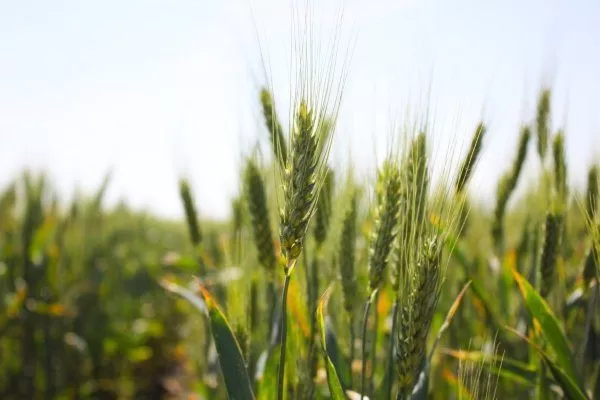
Among the qualities of wheat:
- weight of 1000 grains – 50 g;
- stems height – 90 cm;
- has high resistance to low temperatures;
- The average yield is 55 c/ha.
Ripening takes place over a period of 270 days.
Rhea
Characteristics of the variety:
- weight is 40g for 1000 grains;
- the stem does not exceed 80 cm;
- high frost resistance;
- resistance to common diseases;
- The yield is 50 c/ha.
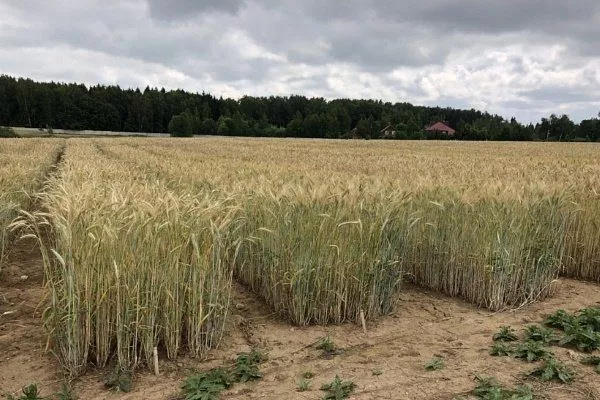
The time from sowing to harvest should be 270 days.
When choosing the right wheat variety, it's essential to pay attention to its inherent characteristics. It's important to evaluate yield, resistance to disease and various climatic conditions, and maturity time. Only with this approach can you select a wheat variety that will produce a good harvest.