
Sprouted grain successfully replaces vitamin supplements and premixes, which animals need for proper development and weight gain. It is affordable, environmentally friendly, has a powerful strengthening and health-promoting effect, and increases productivity.
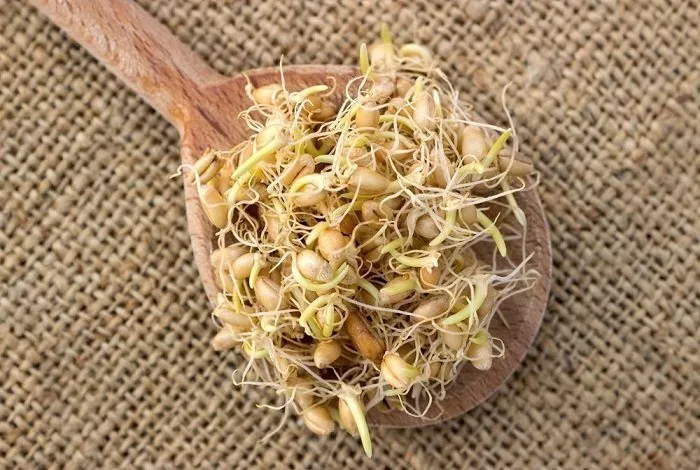
Why sprout wheat?
As grains sprout, the proportions of nutrients change, producing a large amount of protein. They are rich in minerals, vitamins, and contain as many as 18 amino acids.
Sprouted wheat is used for the following purposes:
- For feeding pets. Adding sprouted grain to the diet reduces production costs, animals eat feed more actively, their fertility increases, and in birds, egg production increases.
- For human consumption. The product is especially useful in winter, when there is a shortage of fresh vegetables and fruits.
- For treatment. Sprouted wheat has a healing effect on the body – it normalizes metabolism, improves digestion, and boosts immunity.
- For beauty. Sprouted grains are used to make skin care products.
- For decoration. Sprouted wheat, planted in pots, adds a beautiful touch to any room. It's low-maintenance, beautiful, and cleans the air.
Along with wheat, you can sprout sunflower, pumpkin, and flax seeds – they are also beneficial for health.
How to choose wheat for sprouting?
For sprouted wheat to be beneficial, it must meet quality standards.
- ✓ The grain must be organic, without chemical treatment.
- ✓ Test the grain for germination by soaking a small test batch.
Grain for sprouting can be purchased:
- At the market. Be sure to ask the seller what kind of wheat they're selling. If the grain has undergone certain treatments, it loses its viability and will no longer sprout. Buying at the market is the most cost-effective option, as grain can be purchased inexpensively there. However, there's a risk that it may have been treated with pesticides. Such grain poses a health hazard to humans or animals, depending on how it's used.
- In health food stores. You can safely buy grain here—it's specifically designed for sprouting. You can also find a similar product in pharmacies. The downside of this option is the high price.
How to choose good wheat for sprouting:
- The grains must be uniform in size, shape or color, and not differ from each other.
- There should be no broken grains or foreign seeds.
- The wheat is up to one year old. Stale grain should not be purchased.
- The product should not smell damp or chemically, and there should be no traces of mold.
- The presence of insects is not allowed.
If grain is being used as a nutritional supplement for livestock, the only reasonable solution is to buy it in bulk. Wheat purchased in pharmacies and stores is for human consumption, not for animal consumption.
What is needed?
To sprout wheat, you'll need to purchase some equipment and supplies. The specifics will depend on your sprouting goals.
How to germinate grain:
- Without substrate. The resulting grain has sprouts 2-3 mm long. It is eaten and added to various dishes.
- With substrate. The grain is sprouted to produce grass up to 15 cm tall. It is used for animal feed and also to extract medicinal juice.
Germination container
Regardless of the chosen germination method—with or without a substrate—you'll need a special container. When choosing a germination container, consider the amount of finished product you expect to obtain.
What can you sprout grains in:
- Sprout. These are multi-tiered sprouters made of plastic or ceramic. They can accommodate a large number of different types of seeds at once.
- Jars with mesh lids. These containers can be purchased or prepared at home. To do this, holes are punched in the lids. Another option is to cover the jars with cheesecloth and secure it. The jars are placed at an angle, with the necks down, to allow excess water to drain.
- Tray or pallet. Take any shallow container. The main requirement is that it be made of plastic or ceramic. Cover the top of the container with gauze.
- Microfarm. They operate automatically. The downside of such devices is their high cost.
- Deep containers. These containers are used to grow sprouted greens. They are pre-filled with soil.
Soil preparation
To germinate grains for greens, you can use store-bought or garden soil.
Soil for germination:
- Store-bought substrate for seedlings and flowers.
- Coconut fiber.
- Sawdust.
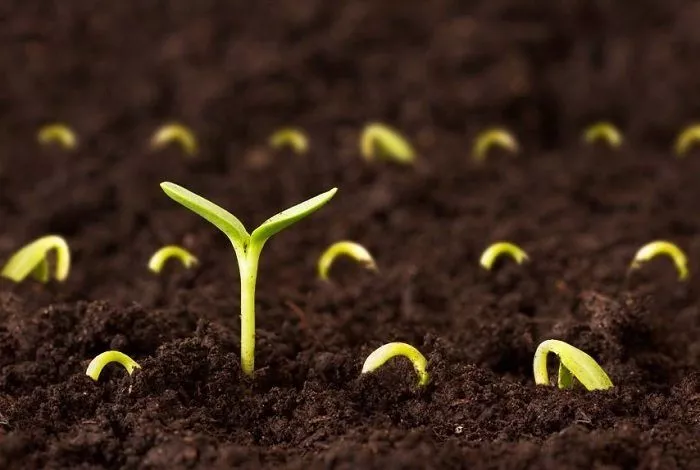
If you use soil from your garden, be sure to bake it in the oven or disinfect it with potassium permanganate.
The minimum soil thickness in a container for growing wheat is 5 cm.
Soak
To ensure rapid and consistent germination, the grains must be soaked. This step is considered essential when sprouting grains.
How to soak wheat:
- Wash the grains and place them in a container of water. Remove any that float to the surface—they won't sprout.
- Place the grain in a suitable container and fill it with water – its volume should be three times greater than the volume of wheat.
- Leave the grains for 10-12 hours – during this time they should swell well.
- Drain and rinse the swollen wheat – it is ready to sprout.
Optimal conditions
In order for wheat to germinate quickly and efficiently, it needs to be provided with optimal conditions.
How to create favorable conditions for germination:
- Light. The grain doesn't require light to sprout. Avoid placing the container in direct sunlight. It can be placed on a cabinet, table, floor, or anywhere else.
When the sprouts appear, the containers are moved to a well-lit area, such as a windowsill. However, the sprouts should not be exposed to direct sunlight. In winter, it is recommended to provide supplemental light to the sprouting grains using phytolamps or fluorescent lamps. - Moisture.The grain should never be allowed to dry out; it should always be moist. A spray bottle is a convenient way to moisten it. Green sprouts are watered every morning and misted with a spray bottle in the evening.
- Temperature. It is necessary to maintain the temperature at +20…+22 °C.
Regular incandescent lamps are not suitable for providing additional light for sprouting grains.
How much wheat can you sprout at a time?
You need to sprout enough grains to feed 2-3 animals or birds.
Why you shouldn't sprout grain for future use:
- Sprouts are given in measured doses. The product is healthy and seemingly harmless, but the sprouts themselves contain a significant amount of iron. Overfeeding is especially detrimental to birds and small animals. Overdosing on them can lead to deterioration in their health.
- Sprouts do not have a long shelf life, so you should sprout the grains only enough to use them within 24 hours.
Sprouted grain should not make up more than 30% of the diet of animals and birds.
Step-by-step instructions
Grain, both for animal feed and human consumption, is grown in two ways. The first method involves sprouting, which is quicker and easier. The second is somewhat more complex, but it produces truly vitamin-rich greens that are eagerly consumed by livestock.
Germination of sprouts
To sprout, you'll need soaked grains. After draining the water from the container, proceed to the next step.
How to sprout wheat for animal and poultry feed:
- Lay the oilcloth out on a flat surface. Do this in a relatively warm, draft-free room.
- Lay a sheet of gauze soaked in water on an oilcloth. Place the grain on it in a thin layer—if it's too thick, the wheat may rot, and all your work will be wasted.
- Cover the grain with a cloth soaked in warm water. The water should be chlorine-free, and the cloth should be natural.
- Periodically moisten the fabric with warm water, so it does not dry out.
- In about two days, the grains will sprout and form shoots. At this stage, they can be fed to animals and birds. The next day, the grains are also ready to eat – the shoots will be even larger and juicier.
- ✓ The sprouts must be fresh, without mucus or unpleasant odor.
- ✓ The length of sprouts for animal feeding should not exceed 5-6 mm.
The most beneficial seeds are those that sprout 5-6 mm in length. These are the ones that provide significant weight gain.
You can learn about the rules for growing wheat sprouts at home in the following video:
Growing green sprouts
Many consider green sprouts, or sprouts, grown in soil to be more nutritious than sprouts. Grains receive many nutrients from the soil, so green sprouts contain the maximum amount of valuable elements.
You will need:
- capacity;
- deep container;
- soil, preferably black soil;
- water.
Growing green sprouts:
- Soak and sprout the grain. You can use the method described in the previous section for this purpose.
- Fill the container halfway with soil. Spread the sprouted seeds evenly on top in a thin layer.
- Cover the wheat with soil to a thickness of 7-10 mm.
- Water the crops using a watering can with a rain nozzle.
- To promote germination, cover the container with plywood or any other flat, lightweight object. Be sure to leave gaps for air circulation. This will create a high-humidity microenvironment inside, allowing the wheat to germinate quickly.
- After a couple of days, remove the covering. By this time, white shoots 2-3 cm long should appear above the soil.
- Move the seedlings closer to the light. Green sprouts will appear in a few days.
To learn how to sprout green wheat sprouts, watch the following video:
How to use such a product?
How to use wheatgrass:
- For animal feeding. Along with wheat, animals can be fed sprouted oats, barley, and triticale. The energy value of this product is similar to that of corn mixtures. Sprouted grain can be added to concentrates, mixed with other feeds, or fed separately.
- For feeding birds. Sprouts or sprouts are placed in the feeders of chickens and other poultry. Both daytime and nighttime feedings are practiced. Overweight birds are fed the nutritious product only during the day to prevent weight gain and a decrease in egg production.
- For human food. Wheat sprouts are eaten by chewing thoroughly. However, the grain is tough, so only the youngest grain is suitable for eating. It is recommended to consume the sprouts in the form of juices and smoothies.
To ensure that the grain does not lose its nutritional value, it should not be heat treated before consumption.
While green sprouts are used for food, the grain itself is not eaten. Only sprouts 10-20 cm long are consumed. Longer sprouts are tasteless and even poisonous.
Wheatgrass diet
Grain is sprouted in large quantities for livestock feed. Specialized equipment exists that can produce tens of kilograms of nutritious feed per day.
Manufacturers also offer ready-made “sprouted mats” weighing approximately 7-8 kg.
Daily ration options for cattle:
- 1 sprouted mat (35x55 cm, 7-8 kg), 4 kg straw or hay, 6 kg concentrated feed.
- 2 sprouted mats, 4 kg straw or hay, 4 kg concentrate.
- 3 sprouted mats, 4 kg of straw or hay.
Reviews
Sprouted wheat is an affordable and effective dietary supplement that can be easily grown at home. The cost of purchasing the grain and sprouting it is more than offset by the increased productivity of livestock and poultry.