
Wheat growth directly depends on the amount of nutrients and microelements it receives. If these are deficient, the plant stunts growth, and leaf mass and grain production decrease sharply. Below are detailed instructions and tips for properly applying fertilizers to winter wheat.
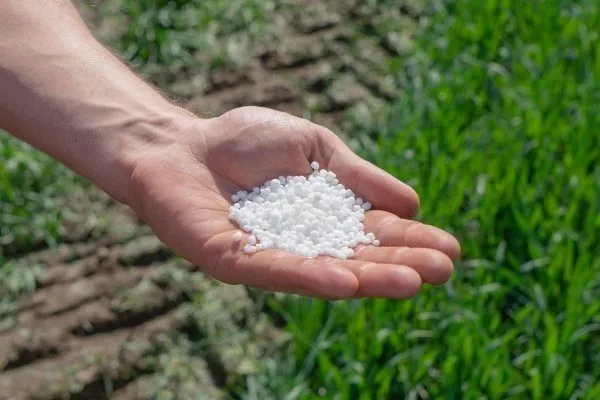
Necessary tools and materials
Liquid mineral nutrition is applied using the PZhU, OP-2000; for powdered and granulated mixtures, the RTT-4.2A, NRU-0.5, 1-RMG-4 fertilizer seeder is used; for transporting and applying mineral fertilizers, the RUM-8 semi-trailer is used.
Solid organic matter is spread using the ROU-5, PRT-10, and RUN-15B. Organic fertilizers are applied in furrows using the MLG-1. Liquid organic matter is applied using the RZhT-8 and RZhU-3.6.
The towing attachments are mounted on tractors, and the tanks are mounted on GAZ-53 trucks. Sometimes, liquid fertilizers are sprayed using light aircraft.
Optimal timing for fertilizing winter wheat
When preparing fields for wheat sowing in the fall, it's important not only to properly implement agricultural practices but also to apply a pre-sowing dose of potassium and phosphorus fertilizer. This will boost the plant's immunity and allow it to successfully survive the harsh winter. If this condition is met, three additional fertilizing measures are required in the spring:
- In early spring to support young shoots and stimulate growth.
- During the flowering period.
- During the period of tubing and yield formation.
Application timing must be adjusted taking into account soil conditions, crop development and weather conditions.
What nutrients are needed for winter wheat?
Winter wheat requires a complex set of nutrients and microelements, each with its own specific functions. Replenishing these nutrients is especially important when sowing the same areas annually, without resorting to crop rotation. After harvesting, the soil is so depleted that sowing new seeds without fertilizer is simply impossible.
- ✓ Soil pH should be between 6.0-6.5 for optimal nutrient absorption.
- ✓ The organic matter content in the soil should be at least 2% to maintain soil structure and water-holding capacity.
Both mineral and organic fertilizers can restore the nutritional balance.
| Type of fertilizer | Origin | Access for plants | Period of validity | Cost |
| mineral | chemical | instantaneous | short-lived | tall |
| organic | animal-vegetable | it takes time to decompose into elements | long-lasting | low |
It's important to keep in mind that organic and mineral fertilizers can be combined, taking into account the total input of the elements. As with other agricultural crops, the agronomist's golden rule applies to winter wheat: "A slight fertilizer deficit is better than a nutrient surplus."
What fertilizers should you choose for wheat?
For winter wheat fertilizers to be effective, it's important to maintain a balance. Otherwise, the dominant elements will interfere, and the plant will be unable to receive and absorb the remaining nutrients.
Nitrogen supplements
Nitrogen-based fertilizers are applied in several stages:
- During cultivation work before sowing, the soil is fertilized with ammonium nitrate at a rate of 30 kg per 1 ha.
- Nitrogen is especially needed during the tillering phase. It determines the height and density of wheat bushes, as well as their fertility. This type of fertilizer has no effect on grain quality. Nitrogen fertilizers are applied at a rate of 35-40 kg/ha. This represents approximately 30% of the total nitrogen applied throughout the season.
- During the booting period, nitrogen positively impacts the quality and quantity of grain per ear, increasing crop yield. Wheat's need for nitrogen fertilizer is currently high, so up to 50% of the calculated seasonal rate is applied. This amounts to 65-75 kg of fertilizer per hectare.
- The remainder of the full calculated rate is distributed over the crop area during flowering and earing. Fertilizing will be most effective when there is sufficient soil moisture.
Be careful when working with ammonium nitrate - it is explosive!
Nitrogen fertilizers break down into carbon dioxide and ammonia in the soil. Therefore, they should only be applied at the roots, ensuring additional soil moisture. Keep in mind that nitrogen is washed out by excess moisture. Spraying will not only provide no benefit but can actually cause harm.
When nitrogen crystals fall on the green parts of the plant and moisture evaporates, they cause a burn.
Urea-carbamide is the most optimal nitrogen fertilizer for winter wheat. It's a good alternative to ammonium nitrate and contains 46% nitrogen. It's recommended to apply the fertilizer 5-7 days before sowing. This is because, after entering the soil, it is converted into a form accessible to the plant within 2-3 days.
In the video, a technologist shares his experience using nitrogen fertilizers on winter wheat:
30-60 kg/ha of urea contributes to increased density of the wheat bush and enhanced growth, and with an increase in the dose to 100 kg/ha, the amount of protein in the grain increases.
Phosphorus nutrition
Phosphorus plays a vital role during the growing season of wheat. It is essential at all stages of growth. This element is essential for the synthesis of nucleic acids and the crop's ability to assimilate nitrogen. Phosphorus also promotes the development of microflora in the soil.
From the early booting stage until flowering, the plant experiences a particular need for phosphorus. Soil temperature and moisture levels influence how well wheat absorbs this element.
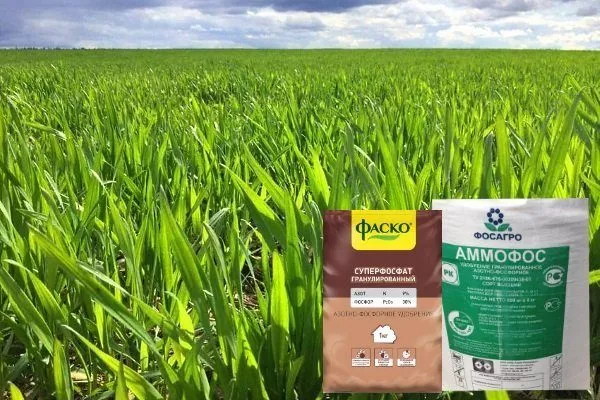
Superphosphates are used for fertilizing. Due to the presence of phosphorus oxide, this fertilizer has several positive effects:
- the fruiting period begins earlier;
- protects the culture from premature aging;
- improves grain quality;
- facilitates the process of assimilation of other elements.
Ammophos is used to increase wheat yields, strengthen immunity against diseases and pests, and extend the shelf life of crops.
Potassium nutrition
Potassium influences the sugar and protein content of wheat grain, increasing the grain's nutritional value. Its deficiency causes lodging and reduces the plant's ability to survive the winter. Potassium is especially essential for the plant from germination to flowering and from the booting stage to the beginning of heading.
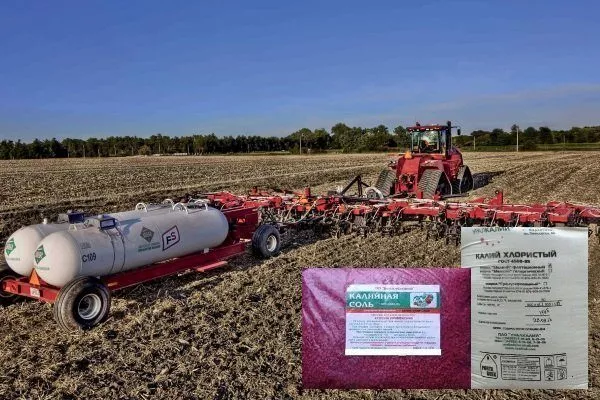
Potassium fertilizers are spread over the soil surface during cultivation to prepare the area for planting. This is because the element requires time to be absorbed. Potassium chloride and potassium salt are used as potassium sources. The application rate is 50-60 kg/ha.
Calcium nutrition
It is essential in acidic soils. Calcium reduces their acidity, which benefits wheat. Lime fertilizers help the crop accumulate carbohydrates, improve photosynthesis, and promote immunity to diseases and adverse conditions.
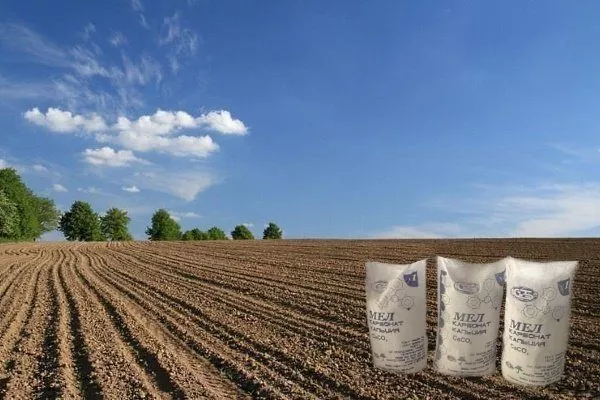
Calcium carbonate, chalk, limestone, and calcium nitrate (22%) are used. The application rate is 3-5 c/ha during autumn soil preparation.
Magnesium nutrition
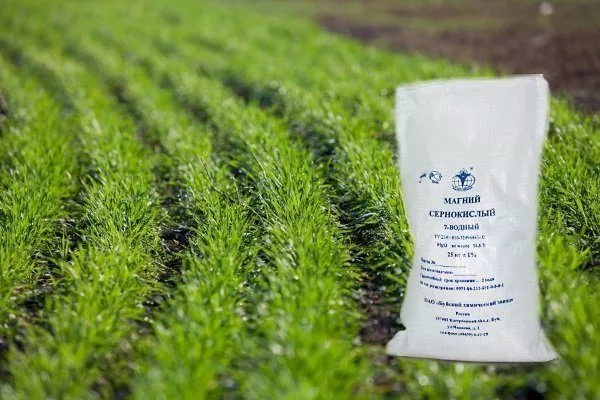
Magnesium normalizes protein-carbohydrate metabolism and helps oxygenate plant cells, which improves the overall health of winter wheat. Magnesium absorption is particularly effective when applied foliarly. It is more easily absorbed than potassium and phosphorus, while facilitating the transport of the latter.
For fertilizing, magnesium sulfate (Mg - 16%) is used at an application rate of 15 kg/ha.
Sulfur nutrition
Sulfur optimizes protein metabolism. If the soil lacks this component, the crop lags in development, its growth slows, and the plant becomes diseased and lodges. Effective nitrogen absorption without sulfur is virtually impossible. In terms of importance for wheat, it ranks second only to the main components.
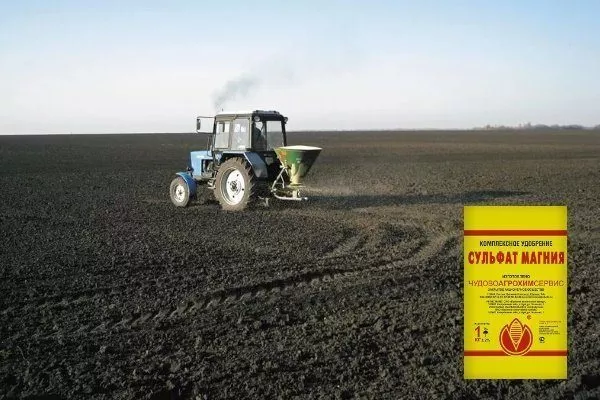
Sulfur is applied simultaneously with nitrogen fertilization when preparing areas for sowing. For example, magnesium sulfate (S - 13%), superphosphate (S - 24%), and others are used. The application rate depends on the soil type.
Organic fertilizers
Almost all types of organic matter require time to break down and release their components. When growing winter wheat in a fixed location, this valuable time is not available. This is because, for optimal results, organic matter is distributed into the soil in the fall to actively replenish it with valuable micronutrients in the spring.
Such nutrients are applied to future crop lands in advance of planning the development of new fields. When plowing new areas for wheat, adding organic matter is optimal for improving soil quality. Chicken manure, compost, and manure are used in this case.
Fertilizer is distributed at a rate of 25-30 t/ha. To reduce soil acidification and prevent pest attacks during plowing, wood ash is added at a rate of 3-5 centners per hectare. The effect of the ash on the soil lasts for up to 2 years.
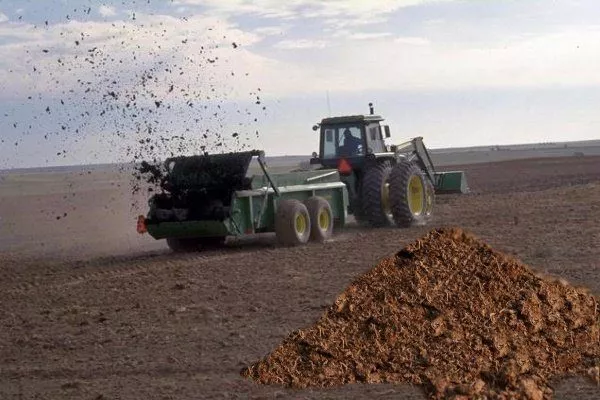
Working with organic matter requires additional effort and time, so it's rarely used on an industrial scale. On small plantations and vegetable plots used for growing winter wheat, using organic matter as a fertilizer is possible.
Micronutrients for winter wheat
For winter wheat, in addition to nitrogen, potassium and phosphorus, the presence of the following elements is important:
- Sulfur - pays attention to the quantitative composition of gluten.
- Manganese — participates in metabolism, helps absorb water, reduces soil acidity.
- Iron — When this element is deficient, wheat leaves turn yellow. This is due to poor photosynthesis, which requires iron.
- Copper — takes part in the metabolism of proteins and carbohydrates.
- Zinc — the quality and quantity of grain in the ear depends on the presence of a sufficient amount of this metal in the soil.
- Calcium - reduces soil acidity, promotes the development of strong roots, and increases resistance to diseases.
- Magnesium - affects metabolic processes and respiration of plants.
- ✓ Manganese deficiency manifests itself as chlorosis between the veins of young leaves.
- ✓ Zinc deficiency results in stunted growth and reduced leaf size.
The necessary microelements can be added by foliar feeding or by soaking the seeds before sowing in solutions with the addition of specific components.
The optimal solution is to purchase micronutrients not individually, but as a complex, such as "Agromax." It can be added to basic fertilizers or combined with fungicide treatments. NIKFAN-Pshenitsa, ORMISS fertilizers, and others have comparable properties.
Battery ratio
The soil does not contain the full range of nutrients available for winter wheat to absorb. Therefore, it is necessary to regulate the supply of nutrients by adding mineral and organic fertilizers. It is also important to monitor the condition of the plants and the quality of the fertile soil to avoid an overabundance of nutrients and microelements.
The optimal balance between nitrogen, phosphorus and potassium is a ratio of 1.5:1:1 per 1 hectare of land.
The autumn nutrient fertilizer complex is incorporated into the soil during plowing and cultivation. This ensures that the fertilizer is applied at a depth of 15 to 25 cm. Gradually breaking down with moisture, the elements are distributed throughout the topsoil.
By spring, when the wheat grains begin to sprout, the fertilizer will already be in a form easily accessible to the sprouts and stimulate their growth. Therefore, autumn fertilization is considered the most important.
Fertilizer application technology
Fertilizer application technology is subject to certain rules, which must be followed when carrying out these types of work:
- granules should have a diameter of up to 5 mm;
- the moisture content of the fertilizer before application should be between 1.5 and 15%;
- The equipment must ensure uniform distribution of the mixture, without leaving untreated areas.
Fertilizers can be applied dry, followed by generous watering, or diluted. Since most fertilizers are applied in the fall, before or during tillage, the nutrients are applied dry. Foliar application involves diluting the components with water and spraying them onto the foliage.
The winter wheat harvest directly depends on the quality and quantity of supplemental nutrients applied. Therefore, it's not worth skimping on organizing and implementing such measures. The resulting grain harvest will be of exceptional quality and will recoup all costs.