
Wheat is an important grain crop that requires proper storage. This preserves the nutritional value of the raw material and minimizes losses. It's important to properly organize grain storage facilities, creating all the necessary conditions.
Requirements for wheat storage facilities
Various materials are used to construct grain storage facilities: stone, brick, reinforced concrete, and metal. The choice should be based on local conditions and the duration of harvest storage.
- ✓ Take into account the thermal conductivity coefficient of the material to minimize temperature fluctuations inside the storage facility.
- ✓ Ensure the material’s resistance to aggressive biological and chemical influences (rodents, mold, disinfectant solutions).
Regardless of the material chosen, the grain storage facility must meet the following requirements:
- The premises must be dry. There must be no proximity to groundwater, cracks, holes, or crevices in the walls, floor, or roof. All joints must be sealed.
- The strength of the room. It must be designed to withstand the pressure of the grain mass and be protected from adverse weather conditions.
- The walls and floors must be smooth. Windows are sealed from the inside, and doorways are fitted with flashing.
- Absence of foreign odors.
- The room and all equipment within are dried and disinfected before grain is loaded. Drying is achieved through ventilation, while sulfur dioxide, formalin vapor, and sodium oxyphenolate solution are used for disinfection.
- The equilibrium moisture level is 14% when stored for up to six months, 13% when stored for a longer period.
- Ventilation. Inlet openings should have tightly sealed covers to prevent precipitation from penetrating through them.
- The presence of protective caps with mesh on the lamps.
- If the floor is concrete or asphalt, it is necessary to install wooden pallets or a solid or portable (removable) flooring 10-15 cm high on it.
- A separate room should be provided for storing containers and tarpaulins, cleaning them, and gassing them for disinfection. It must be isolated from the grain storage facility.
- Separate containers should be used for storing food and waste of any type. They should be isolated from the grain storage facility.
- Wooden platforms or ramps should be provided for walking on the grain pile. Alternatively, shoe covers or fabric socks worn over shoes can be used.
- Access to the grain storage facility should only be granted to service personnel and persons supervising the storage of products.
- During operation, the grain storage facility must be cleaned regularly, and the equipment must be kept clean. Dust, debris, dirt, and foreign objects must be kept out.
In buildings, grain is stored in bulk. This can be rectangular or pyramidal. The bulk must be level, and marks are placed on the walls to control its height. If wheat is stored in an elevator, a bulk height of up to 30 m is acceptable. Wet grain, containing up to 19% water, can be stored briefly in bulk up to 1.5 m. If the moisture content is greater than 19%, a height of up to 1 m is acceptable.
If wheat is harvested from different locations, the crop must be stored separately. Sorting the raw materials is mandatory before storage. Hard, strong, and soft wheat should be stored separately. Soft wheat should also be separated by its vitreousness: less than 20%, 20-40%, 40-60%, and more than 60%.
- ✓ The presence of impurities of other crops or varieties that affect the quality of the batch.
- ✓ The degree of damage to grain by mechanical or biological factors.
It's important to monitor the grain temperature. To do this, the grain is divided into three layers, and measurements are taken in each layer using a temperature probe.
Types of grain storage facilities
Storage facilities for harvested crops are called elevators. These are complexes with specialized equipment that come in various types, differing in purpose and a number of features.
Procurement bases
These complexes are used for temporary grain storage. They are typically built near large agricultural enterprises. They can not only store grain but also perform its primary processing and prepare it for sowing.
The grain is dried and cleaned, and then transported in a convenient way.
Basic repositories
In such elevators, grain is cleaned more thoroughly and sorted for storage. The result is large, uniform batches. Large hub stations and transport routes are typically chosen as the location for base warehouses.
Transshipment warehouses
Grain elevators are typically stored temporarily in these types of facilities. They are built near farms to ensure access to a major rail or water route.
Grain from transshipment warehouses is transported over long distances. Long-term storage of raw materials in such facilities is rare.
Industrial elevators
These aren't just buildings, but entire enterprises. They serve as support facilities for factories producing flour, cereals, feed, and other wheat products. These enterprises must provide the factories with a constant supply of raw materials.
Fund complexes
These facilities are used for long-term grain storage, typically for several years. These complexes are large-scale and contain only high-quality raw materials.
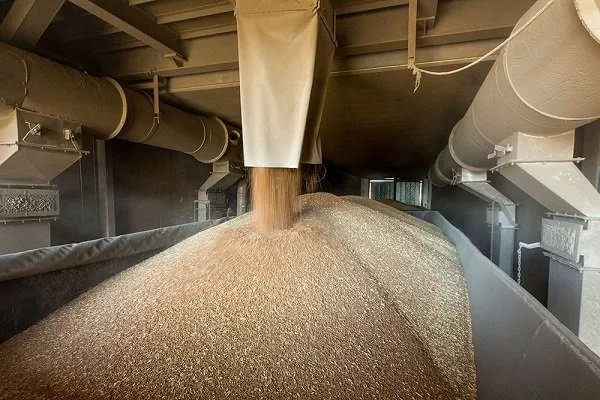
Wheat from storage facilities is taken to replenish stocks or make up for shortages. These storage facilities are built near major railway lines.
Port storage facilities
Grain is delivered to these complexes from base and transshipment warehouses. The storage facilities are temporary, and grain is prepared for export. The prepared raw materials are transported by sea vessels to their destinations.
Port grain storage facilities are also used to receive imported raw materials for sale on the domestic market. These warehouses are quite large and utilize high-tech equipment.
Sales bases
These storage facilities supply businesses with grain and related products. They can receive harvests from small farms for further sale. Wheat storage at distribution depots is typically short-term, with the grain released in small batches.
Wheat storage containers
Such storage systems include reinforced concrete storage facilities, above-ground facilities, and silos. Each has its own unique characteristics.
Reinforced concrete structures
These are single-story buildings or cylindrical silos. Construction is expensive and time-consuming. There are issues with airtightness, as the container is not protected from insects, rodents, and birds. These storage facilities were previously used in regions with strong winds and heavy rainfall.
Ground-based complexes
These are prefabricated metal structures used for storing grain on a large scale. Negative factors include weather conditions and pests, from which these structures are not protected, so they are primarily used for temporary storage of raw materials.
Silos
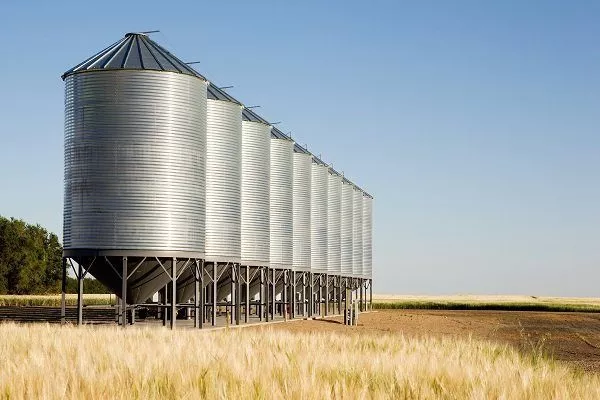
These are prefabricated structures and have a cylindrical shape. They come in conical and flat-bottomed varieties: the former are used for temporary storage of dry and wet grain, while the latter are designed for storage for up to a year. They are completely sealed and eliminate the risk of pests if the room is disinfected. Thermometry systems are installed to control the temperature and humidity inside, ensuring the best grain quality.
Silos are constructed using high-strength sheet steel. Corrugated and galvanized steel are used for processing.
Methods of grain storage
Wheat can be stored dry, refrigerated, or airless. The first two options are most commonly chosen. Storing wheat in bags should be considered separately.
Dry method
In this case, moisture is extracted from the grain, which puts all harmful organisms into suspended animation. The only remaining step is to prevent rodents and insects from entering.
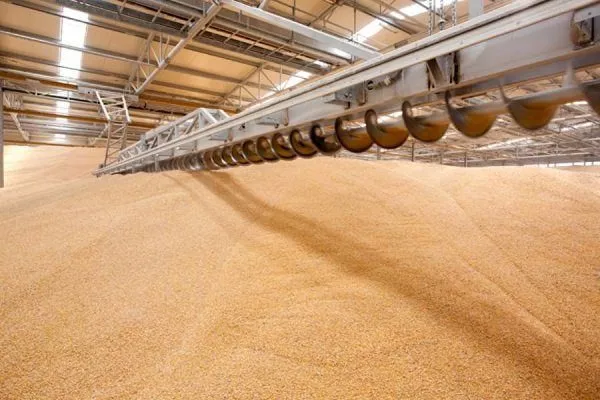
For long-term storage, grain is dried completely or partially. Optimally, it is dried in containers exposed to air and solar heat.
Dry storage methods typically involve the use of mounds. These provide several advantages:
- savings on packaging;
- grain storage resources are used rationally;
- convenient loading and unloading of raw materials, their transportation;
- it is easier to control the condition of the grain;
- Pest control is more effective.
Dry storage also allows for grain packaging. This option is used for seed.
Chilled method
This option is suitable for small farms and warehouses. Its advantage is a low rate of raw material loss.
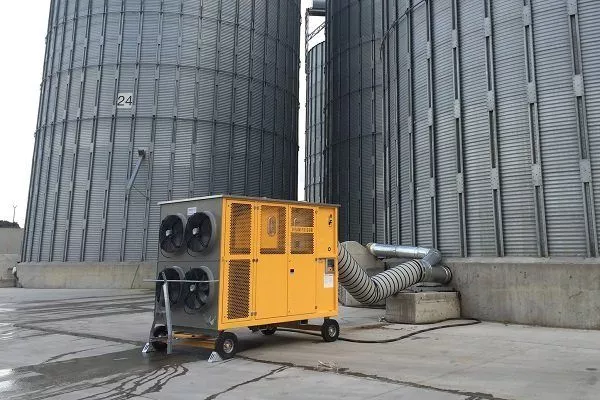
To cool the cells, a temperature of 5-10 degrees Celsius is artificially created, and supply and exhaust ventilation is provided. As with the dry method, moderately low temperatures slow down or even kill microorganisms and insects.
Airless method
In this case, oxygen access is blocked. The process can be accelerated using dry ice or carbon dioxide.
This method is used by industrial enterprises because grain quality is paramount. Blocking oxygen kills most microorganisms and pests.
The airless method preserves all the beneficial properties of the grain by preserving it. This option is ideal for flour mills and bakeries. Grain stored using the airless method is sold in airtight containers.
Storage in bags
Bags are used for storing and transporting the first harvest of a new variety, planting seeds of elite varieties, and expensive varieties of wheat with a thin-walled structure.
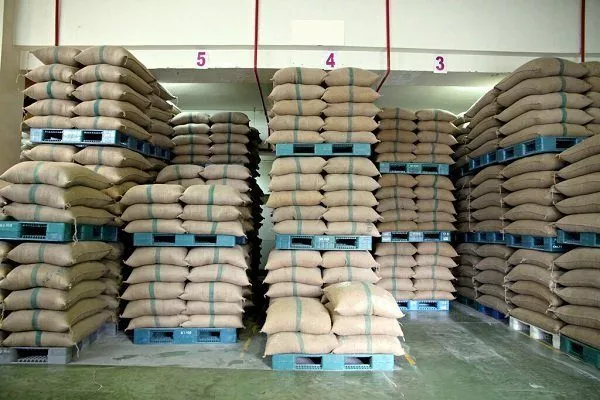
Bags made of coarse fabric, polypropylene, nylon, and special coarse kraft paper are used. They are typically stacked on wooden pallets in stacks 2, 3, or 5 bags wide. The stack height depends on the type of storage: 6-8 bags for manual storage, 10-12 bags for machine storage.
Shelf life of wheat
Grain retains its consumer properties for a certain period, called the shelf life of the raw material. This period comes in different types:
- biological durability – the period during which the ability to germinate is preserved in at least individual specimens;
- economic durability – the shelf life of grain while maintaining the standard germination capacity of seeds in accordance with GOST;
- technological durability – a storage period with preservation of the full properties of grain for food, feed or technical needs.
The biological shelf life of wheat is over 30 years, and its economic shelf life is 5-10 years. Soft vitreous wheat is the most durable. If the grain is well-ripened, dried, and cooled gently, it can be stored for over 10 years without significantly affecting its baking qualities.
The shelf life of grain depends on many factors. Its aging is triggered by sudden temperature changes and mechanical stress.
Pest control in grain storage
There are several dozen potential wheat pests. Most are insects, about a third are mites, and a small percentage are rodents.
Grain temperature
The risk of insect pests during storage depends on the grain temperature. If it's below 10 degrees Celsius, the grain's respiration almost stops, affecting self-heating and biomechanical processes. The development of grain insects is also significantly slowed.
The frequency of infestation monitoring depends on the grain temperature. At subzero temperatures, monthly monitoring is sufficient; at 0-10°C, monitoring is necessary every two weeks; and at 10°C and above, weekly monitoring is necessary.
Pest prevention
To prevent pest infestations, a whole range of measures are used. These include the following:
- disinfection of grain storage facilities, equipment used, containers, tarpaulins;
- checking grain for contamination in each transport unit;
- installation of mosquito nets on windows and ventilation ducts;
- timely removal of waste and grain dust;
- removal of water sources that may become a drinking hole for rodents;
- chemical treatment of fields before harvesting;
- compliance with the recommended temperature and humidity levels during storage.
Pest control methods
They come in physical-mechanical and chemical varieties. Many of them can be used independently.
Mechanical methods
This involves removing grain residue and dust, as these are ideal breeding grounds for insects and mites. Some pests can be eliminated by cleaning the separators.
Various traps are used to control rodents. Small insects can be eliminated using screens.
Thermal methods
High and low temperatures can help solve the problem. Many insects and mites require temperatures of 50-55 degrees Celsius to kill them—this is how warm grain is heated in dryers.
Exposure to high temperatures is unacceptable if the grain is to be used as seed material. If sacks are to be used for storing wheat, boiling them or keeping them at a high temperature for a while is an option.
You can also deal with insects and mites by cooling or freezing.
Chemical methods
This pest control method is very common and radical. Two groups of preparations are used:
- composite preparations with contact action: Zernospas, Prokrop;
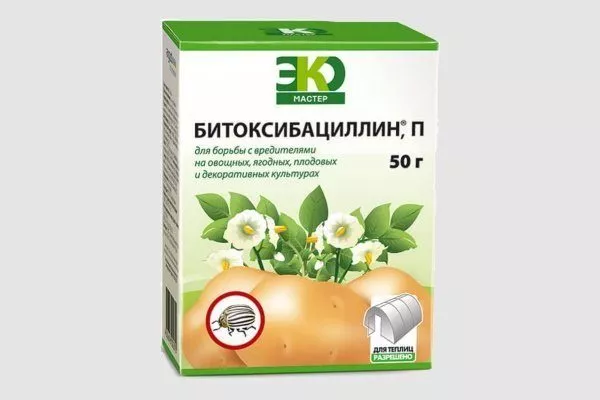
- monoinsecticides: Actellic, Aliot, Bitoxibacillin, Kamikaze, Karate Zeon, K-Obiol.
Tips for Preserving Your Wheat Crop Longer
The following measures will help preserve the wheat harvest longer:
- Thoroughly clean grain storage facilities before storing grainRemove all last year's debris and inspect the entire area, including under the floor, for rodents and other pests. Fumigation should be carried out if necessary.
- Fill the storage correctlyThe highest quality raw materials should be at the bottom, and the lower quality ones at the top.
- Ensure good aeration in the storage areaThe plugs should be evenly distributed, and the ventilating discharge hopper and telescopic ventilating lance should be used effectively. In a large bin, it's worth using a repeating cone technique: during loading, remove several tons of raw material every 4 meters to form an inverted cone.
- Drying grain correctly, maintaining the permissible humidity level in accordance with the storage period.
- Maintain optimal temperature conditionsIt depends on the region: in the south – 5 degrees, in northern latitudes – 0 degrees.
- Regularly inspect the grain, check its moisture content and temperatureIf the readings increase, a foreign odor appears, a crust forms on the surface, or the grains stick together, turn on ventilation.
- Check the storage area regularly for pestsIt is recommended to set traps in advance and inspect them periodically.
- Keep the raw materials cool during summer and warm autumn days.If you plan to sell it after June of the following year, the temperature can be increased to 10-12 degrees.
Wheat storage requirements depend on many factors. These include the specific climate conditions of the region, the required storage period for the crop, the crop variety, and the intended use of the grain. Temperature, humidity, and pest control are also important considerations.