
Feed wheat is one of the grain classes classified by quality. This grain has special requirements, and its use must be rational. Learn more in this article.
Purpose of forage
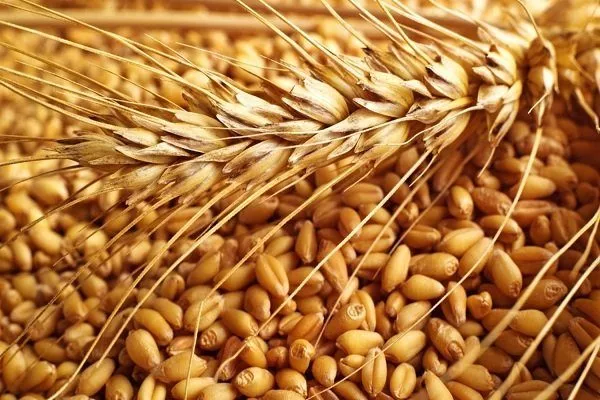
The word "fodder" translates from French as "feed." Fodder wheat is wheat that has not passed the food market's quality control standards and is therefore unsuitable for human consumption. The composition of this grain is ideal for feeding livestock: cattle, small cattle, poultry, nutria, rabbits, etc.
Feed wheat is not specifically cultivated or harvested for sowing. Besides grains, forage also includes hay and the mown plant parts of wheat and other cereals (straw).
Features of feed wheat
A characteristic feature is the low quality of the grain compared to food standards. This class of grain is characterized by the following characteristics:
- high percentage of damaged grains;
- high content of carbohydrates, mainly starch;
- low concentration of proteins and fats in the composition;
- minimal amount of fiber;
- low grain moisture content (up to 15%).
What are the requirements for the product?
Feed wheat is subject to certain requirements. International quality standards and GOSTs allow any variety and type of wheat, but strictly regulate the following parameters:
- Appearance.The grain must be healthy, have a normal color and shape, and be free of mold, rot, malt, or other odors.
- Impurities.In the total mass of feed wheat, contamination with other grains is not allowed to exceed 15%, with weed seeds - more than 1%, with mineral waste - more than 3%.
- Infection with fungal diseases. No more than 1% of grain should be affected by fusarium, and up to 10% by smut fungus. Infection with other diseases is not allowed.
- Presence of pests. The forage must be free of any pests. Damage from insects and microorganisms that could harm livestock is not permitted.
- Humidity. This figure should not exceed 15%.
How is it different from food grains?
The main difference between feed and milling wheat is the grain quality. Feed grains undergo less stringent certification before entering the agricultural market. The price of feed wheat is significantly lower than that of premium-grade grain.
Advantages and disadvantages of feed wheat
The advantages of forage include:
- A valuable composition, optimally suited for feeding livestock. By introducing additional sources of lysine and phosphorus into the diet, metabolic processes are stabilized, improving the health and development of animals.
- Easy to store. The high carbohydrate content prevents moisture from accumulating inside the grain, extending its shelf life.
- Low price. Depends on the harvest, variety, and quality of the grain, but is always lower than the prices for higher-grade grain.
Disadvantages of feed wheat:
- a large amount of starch in the composition can cause gastrointestinal diseases in animals;
- the predominance of carbohydrates against the background of a deficiency of protein and fiber can lead to obesity in livestock;
- Low levels of sugar, fat and fiber can cause indigestion or poor digestion of grains.
Negative effects only occur from using forage in its pure form. Formulate your animals' and birds' diets correctly to ensure only the positive effects of forage feed.
Classification of feed wheat
Wheat is divided into several classes based on its compliance with criteria such as appearance, gluten content and quality, and vitreousness. International and national standards may differ and include five classes for durum wheat or six classes for soft wheat, which are grouped into three groups:
- Group "A" includes grain grades 1-3. This is the best wheat used in the food industry. Only this grain is exported to foreign markets and is considered strong.
- Group "B" includes class 4 wheat, rich in strong varieties. This grain is used to produce pasta and crushed grains.
- Feed wheat includes grain of class 5-6.
Regardless of the classification, feed grain is always of the lowest quality and therefore belongs to the lowest class. It is never used for food and is not mixed with stronger varieties.
How to use forage to feed livestock?
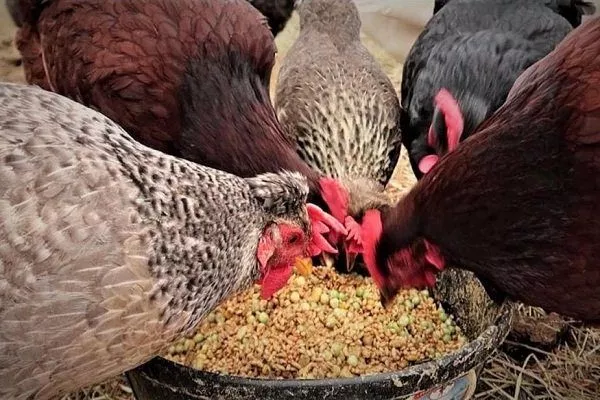
Forage is a universal feed used in poultry, livestock, and fish farming. The standard for feed wheat in the basic diet is:
- small cattle and pigs - up to 40%;
- Cattle - up to 35%;
- horses - up to 30%;
- small domestic animals from 20 to 40%;
- birds - up to 60%.
Depending on the wheat variety and its qualities, the direction of use of the grain and its preparation depends:
- Due to the increased cellulose content in feed wheat, it is suitable for feeding cattle, small cattle, and horses.
- Crushing to 1-3 mm for young animals
- Steaming at 60°C (2-3 hours)
- Yeasting (per 100 kg of grain: 1 kg of pressed yeast)
- Mixing with protein additives (cake, meal)
- Introduction of premixes (2-5% of the mass)
- Less cellulose allows the grain to be fed to pigs, poultry and fish.
- For feeding poultry and small animals, use soft varieties of feed grain. Hard grains should be steamed, sprouted, or ground. Cattle and pigs can be fed feed made from durum wheat.
Feed preparation technology
It's optimal not only to include feed wheat in compound feed but also to use it as a base grain. The quality of the compound feed and its composition determine whether the grain is fully digestible by animals. Add other products to compensate for the damage caused by the high starch content. Enrich the composition with fats, protein, fiber, and a vitamin and mineral complex.
Storage rules
Grain is stored with a moisture level of no more than 12%. In the grain storage facility, this level should be between 40-75%, and the air temperature should not exceed 80 degrees.
Feed wheat tolerates storage well, but to extend its shelf life while maintaining grain quality, follow these rules:
- Dry the grain before storing it in the granary;
- Do not mix forage with different moisture and contamination levels to avoid spontaneous heating of the wheat;
- Do not combine chilled forage with heated dried grain;
- Do not store healthy wheat in the same room with damaged or infected grain;
- Monitor wheat and air humidity in the grain storage facility throughout the storage period.
Depending on the dryness of the grain and the time of year, the height of the bulk forage storage layer varies significantly:
- During the cold months, raw wheat is covered in a layer of up to 2 m, wet grain - up to 3 m, grain of medium dryness - up to 4 m.
- In warm seasons, the layer thickness is reduced by 1.5-2 times.
| Indicator | Feed wheat | Food wheat |
|---|---|---|
| Protein content | 9-12% | 12-16% |
| Gluten | ≤18% | ≥23% |
| Vitreousness | ≤40% | ≥60% |
| Grain nature | ≥710 g/l | ≥750 g/l |
| Infection | Acceptable within GOST limits | Not allowed |
Plastic bags are considered the optimal storage option for feed wheat. They block light and moisture, preventing the grain from becoming contaminated with pests and diseases.
How to choose feed wheat?
When choosing feed wheat, focus not on price, but on grain quality. Review the documentation, check the color, smell, and integrity of the grain.
When purchasing large quantities, entrust the analysis of your forage to professionals by sending samples to a laboratory for analysis.
- ✓ Verification of the certificate of conformity with GOST R 52554-2006
- ✓ Organoleptic assessment (color, smell, taste)
- ✓ Analysis of mycotoxin content (DON, T-2)
- ✓ Determination of infestation by barn pests
- ✓ Checking vehicle documentation
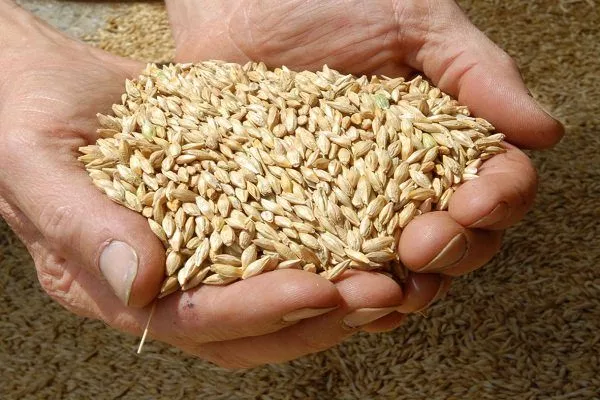
Feed wheat is the basis of agricultural feed. Certain quality requirements apply to its quality, and storing this grain is possible only if certain conditions are met. When choosing feed for your livestock, ensure it meets the required standards. This will allow you to reap all the benefits of the grain and avoid any harmful consequences.