
Farmers know firsthand how difficult it is to protect grain crops from various diseases. Rust alone accounts for 5% of annual wheat yield losses, while smut damage accounts for over 1%. Pests also significantly reduce yields. Read on to learn how to recognize the signs of wheat disease and what steps can be taken to protect your grain beds.
Fungal diseases
High humidity encourages the development of pathogenic microflora on the host plant, leading to the development of fungal diseases. We'll discuss the most common of these below.
| Name | Type of disease | Pathogen | Symptoms |
|---|---|---|---|
| Leaf rust | Fungal | Puccinia recondita | Rounded pustules on leaves |
| Stem rust | Fungal | Puccinia graminis | Dark brown pustules on stems |
| Yellow rust | Fungal | Puccinia striiformis | Lemon yellow pustules on leaves |
- ✓ Air temperature from +15°C to +25°C.
- ✓ Air humidity above 70%.
- ✓ Presence of drip moisture on the leaves for more than 6 hours.
Rust
Wheat can be affected by one of the following types of rust, which is caused by various fungi of the Basidiomycetes family:
-
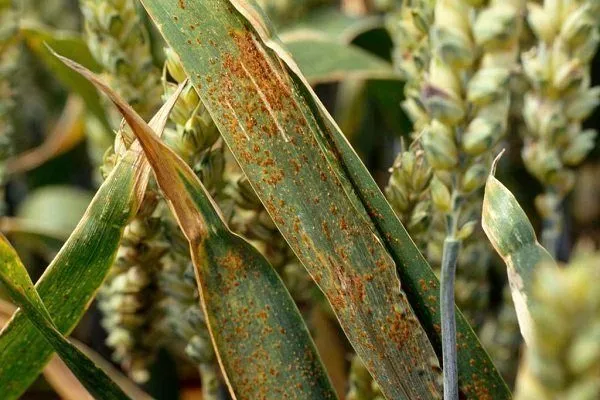
- Leafy (brown)It is caused by the fungus Puccinia recondita. The primary infection is often carried by airborne spores and develops slowly, causing no serious consequences. Under favorable conditions—high humidity and temperatures around 20°C—the infection progresses very rapidly. It has the following characteristics:
- appears as round or oval pustules on the surface of the leaf blade (less often they can be seen on the internodes of the stem);
- the pustules do not merge with each other and contain orange or orange-brown uredospores, which are generated every 10-14 days;
- At the stage of wax ripeness of grains, in unfavorable weather conditions, numerous black teliospores are formed on the tops.
- Leafy (brown)It is caused by the fungus Puccinia recondita. The primary infection is often carried by airborne spores and develops slowly, causing no serious consequences. Under favorable conditions—high humidity and temperatures around 20°C—the infection progresses very rapidly. It has the following characteristics:
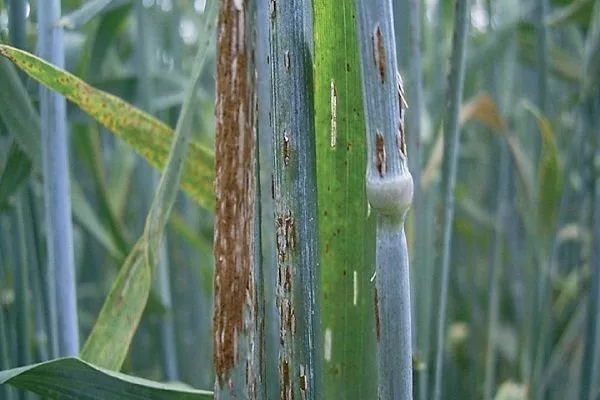
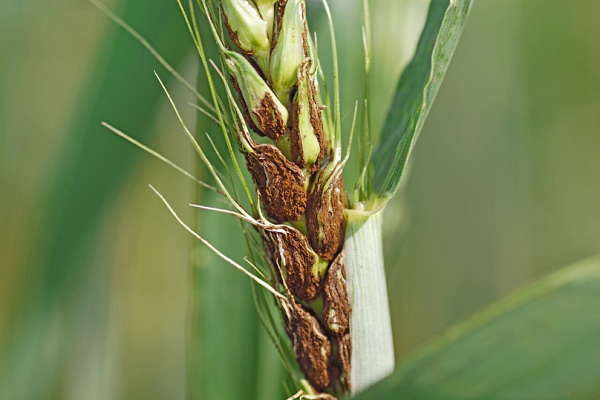
- Stem (black, linear)It is caused by the fungus Puccinia graminis. Its intermediate hosts are barberry and mahonia. The conditions for infection are the same as those for leaf rust. This disease manifests itself as dark brown pustules containing numerous uredospores. They form not only on the stems, but also on the ears and both sides of the leaves. In severe infections, the pustules coalesce and rupture the plant's epidermis. Small ruptures and roughness on the surface of the affected tissue indicate infection.

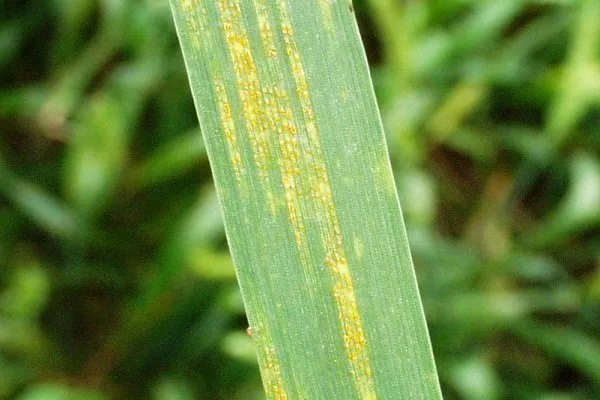
- Yellow (striped)It is caused by the fungus Puccinia striiformis. In 2010, barberry was discovered to be its intermediate host in the United States. The disease manifests itself as pustules with lemon-yellow or orange-yellow uredospores. They appear in large numbers on the leaves as streaks and stripes. Less frequently, pustules are visible on the leaf sheaths, stem internodes, and spikelet glumes. If temperatures exceed 25°C, uredospore formation ceases, and black teliospores often begin to develop.
With the early development of rust of any type, yield losses can be significant due to a reduction in the number of grains in the ear and a deterioration in their quality.
| Name | Type of disease | Pathogen | Symptoms |
|---|---|---|---|
| Common smut | Fungal | Tilletia tritici Wint | Smut sacs with black mass |
| Dwarf smut | Fungal | T. controversa Kühn | Spherical formations with a black mass |
| Indian smut | Fungal | Tilletia indica Mitra | Damage to individual grains in an ear |
| Loose smut | Fungal | Ustilago tritici Rostr | Black dust spores |
| Stem smut | Fungal | Urocystis agropyri | Narrow stripes of black teliospores on the stems |
Smut
The second group of diseases is caused by fungi of the Basidiomycetes family. Wheat can be affected by the following types of smut:
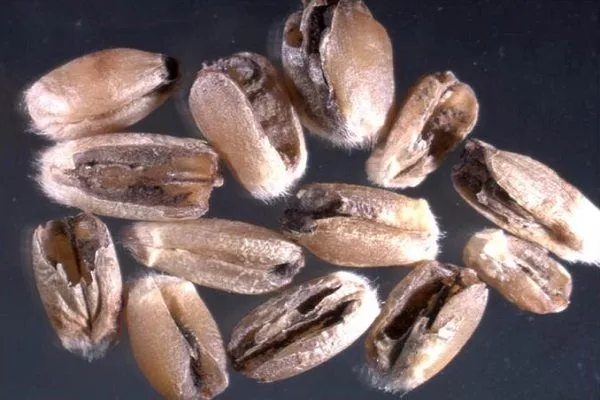
- Common and dwarf (smelly)The first type of smut is caused by the fungi Tilletia tritici Wint and T. laevis Kühn, while the second type is caused by T. controversa Kühn. Both types of smut are widespread and thrive in temperate climates, although dwarf smut can also be found in areas with prolonged snow cover. Spores germinate in the soil and on the surface of the seed, infecting wheat seedlings. Infection most often occurs under low temperatures during the seed germination phase. Smut develops systemically and manifests itself after wheat heading. The types of smut caused by these fungi have similar symptoms and are more pronounced during the milky-wax stage of grain ripeness:
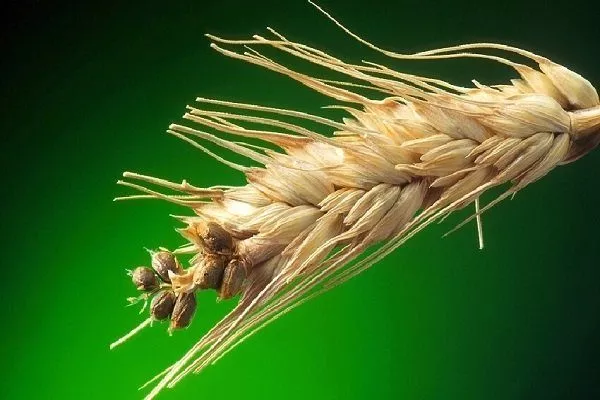
- the structure of the ears remains the same, but instead of grains, smut sacs (clods) with a black mass formed by fungal teliospores appear;
- in the case of common or wet pathology, the lumps resemble grains in shape, while in the case of dwarf pathology, they are spherical formations;
- when the smut lumps are destroyed, an unpleasant herring smell is emitted;
- affected ears of corn acquire a bluish-green or lead-gray color, and their scales move apart slightly;
- With common smut, plants are somewhat inferior in height to healthy specimens, and with dwarf smut, they noticeably lag behind in growth and bush out.
- Indian (Karnal)It is caused by the fungus Tilletia indica Mitra. It is native to the Indian subcontinent, but has now also been found in Mexico and the United States. Teliospores germinate on the soil surface, forming sporidia. These are then carried by the wind to the surface of the flower and produce a germ tube, which enters under the glumes of the developing grain. The mycelium then develops inside the cell, between the epidermis and the seed coat. The disease is difficult to detect before harvest, as it attacks individual grains within the ear. After threshing, diseased grains can be identified by visual inspection based on the following signs:
- a large number of black teliospores that infect the epidermis of wheat;
- an unpleasant herring smell that can be “heard” when crushing diseased grains.
- DustyDuring wheat germination, teliospores of Ustilago tritici Rostr. can reach the stigmas of the flower. They germinate and infect the grain embryo. The pest's mycelium begins to develop alongside the growing part of the plant and penetrates all its organs, producing numerous black, pollen-producing spores. Eventually, all parts of the inflorescence, except the rachis, are transformed into a mass of smut spores. This disease is found in all areas where this grain crop is commonly grown.
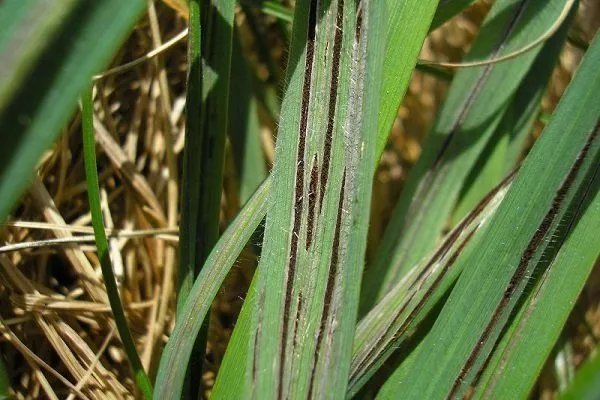
- StemBunt, caused by the fungus Urocystis agropyri, poses a particular threat to common wheat. These fungi survive in the soil and on seeds, then infect germinated grains or very young seedlings with their spores. The disease develops systemically, so during the heading period, narrow bands of black teliospores can be seen under the epidermis of the leaves, on the sheaths, and in the internodes of the stem.
Affected plants grow poorly, fail to produce ears, and noticeably bushier. In the worst cases, the leaves curl, resembling the tops of onions. Over time, their epidermis ruptures, releasing teliospores. Stem smut is common in areas where winter wheat is grown, or in areas where spring wheat is sown in the fall.Of the diseases listed, loose smut is the most damaging. Crop losses from it depend on the number of affected ears and typically do not exceed 1%, but can reach 30%.
Powdery mildew
Caused by the fungus Blumeria (Erysiphe) graminis, a member of the Ascomycetes family. Conditions favorable for disease development include:
- moderate temperature (+15…+22°C);
- cloudy weather;
- high air humidity (75-100%).
Therefore, powdery mildew is widespread in grain-growing areas with semi-arid climates and moderate humidity.
Symptoms of the pathology appear gradually as it develops:
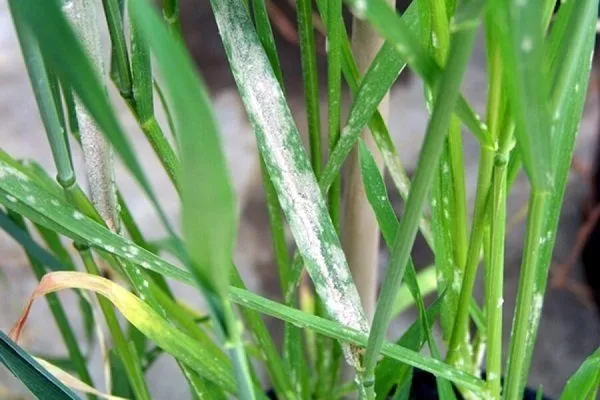
- The upper surface of the leaves and their sheaths (especially the lower tops), and sometimes the ears, are covered with a coating from white to light gray, which consists of colonies of mycelium and conidia of the fungus.
- As the mycelium develops, it acquires a yellowish-gray tint, and its surface layer is easily removed upon contact.
- Affected plant tissues undergo necrosis and die within a few days.
- At the end of the growing season, noticeable black spherical fruiting bodies appear on the mycelium.
Powdery mildew can cause significant crop losses if it attacks wheat early in its development under favorable conditions and a high infection rate.
Leaf spot
Depending on the fungi that cause the infection, leaf spot can be of the following types:
- SeptoriaThe disease can be caused by three types of fungi: Septoria tritici, Stagonospora nodorum, and Stagonospora avenae. It thrives in wheat-growing areas where cool temperatures (10 to 15°C) and humid weather prevail. This disease has the following characteristics:
- At first, spotting is observed on the lower leaves, but under favorable conditions it actively develops, infecting the upper leaves and ears;
- initially, oval or oval-elongated spots appear on the leaves, which gradually expand and become covered in grayish or straw-colored areas in the center with numerous small black pycnidia;
- In cases of mild damage, isolated, scattered spots appear on the plant, while in cases of severe damage, merging formations appear, which ultimately cause the premature death of leaves, ears, and even the entire plant.
In field conditions, it is almost impossible to accurately determine the type of septoria, so it is necessary to conduct a microscopic examination.
- HelminthosporiumThe causative agent is the fungus Cochliobolus sativus. Most cases of the disease occur in regions with heavy rainfall and high humidity. This spotting develops sequentially:
- elongated oval spots of dark brown color appear on the lower leaves;
- gradually the spots increase in size and acquire a dark brown or yellow-brown hue with dark brown rings;
- as the spots expand, they merge and cause the death of the leaf;
- In severe infections, lesions also appear on the leaf sheaths.
- Light brown or yellow (pyrenophora)The pathogen, Pyrenophora tritici-repentis, thrives under a wide range of temperatures, prolonged periods of growth, or rainfall (more than 18 hours). Infection occurs from contamination remaining on plant debris in the soil or on diseased cereal grasses. The disease manifests itself as follows:
- yellow or brown spots appear on the lower leaves, which gradually increase in size and acquire an irregular round shape;
- light brown or yellow rims form at the edges of the spots, and their center takes on a dark brown or black tint;
- the spots merge together, forming large long stripes;
- The infection progresses, spreading to the upper leaves and glumes, which can lead to the death of the plant.
- AlternariaIt is caused by the pathogen Alternaria triticina, primarily in the eastern and central parts of the Indian subcontinent. Favorable conditions for its development include air humidity or irrigation, and moderate temperatures (+20…+25°C). It poses a significant threat to soft and hard wheat, as well as their wild relatives. When infecting the ear during grain filling, the fungus remains as conidia on the surface of the seeds or mycelium within them. It can also spread through air currents, causing secondary infection of leaves and other plant organs. This spotting manifests itself as follows:
- small oval or elliptical spots form on the lower leaves;
- the spots gradually grow and take on an irregular shape;
- the rims of the spots become dark brown;
- Signs of damage are observed on all parts of the plant.
- FusariumIt is caused by the ascomycete fungus Monographella nivalis. Spores develop on plant debris or the soil surface and are then dispersed by wind or rain splashes. The disease is common in East Africa, the highlands of Mexico, the Andean region of South America, and southern China. It can be recognized by the following signs:
- in the phase of tubing and node formation, a greyish-green mottling of an oval-elliptical shape appears on the bends of the leaves;
- the specks gradually grow, turn white and acquire a light gray center;
- splits or tears form on the leaves, starting from the center of the lesions;
- The seedlings wither, root rot and white ear disease develop, and in winter cereals, pink snow mold also develops.
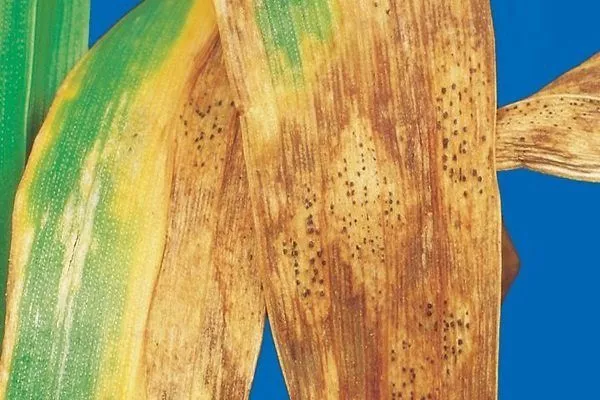
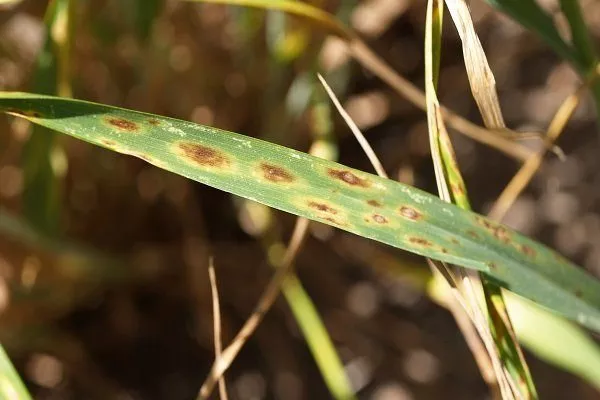
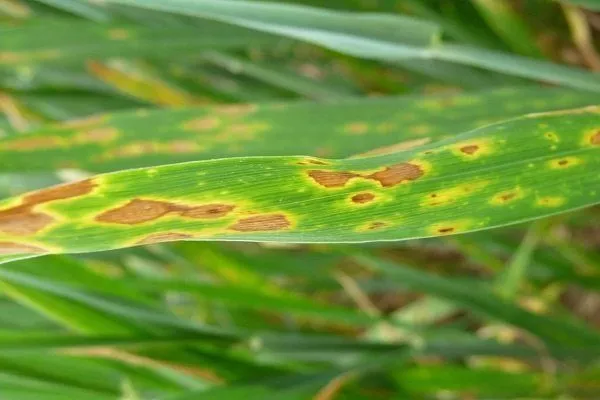
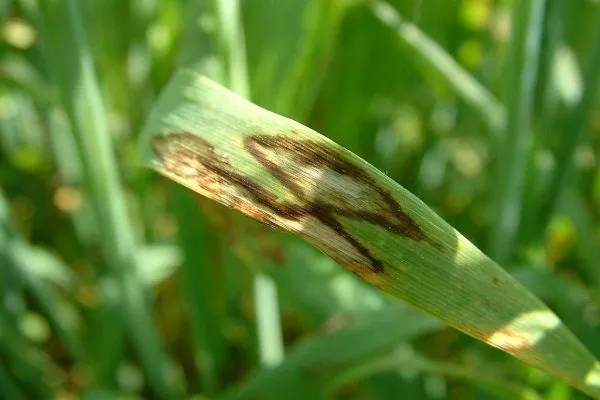
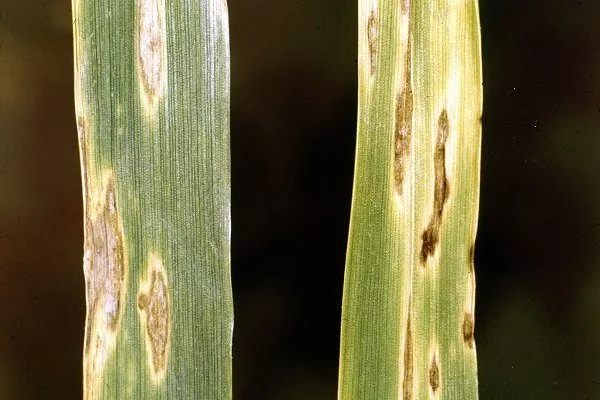
Severe leaf spot infestation of wheat leads to the death of the tops and a significant reduction in harvested yield due to the formation of shriveled grains and a decrease in their natural weight.
Fusarium head blight
Caused by the fungus Fusarium spp., it infects ears and grains of cereals, as well as ovaries during flowering. Favorable conditions for its activity include a wide temperature range from +10 to +28°C. After the initial infection, fusarium spreads along with the growing fungal mycelium to the ears.
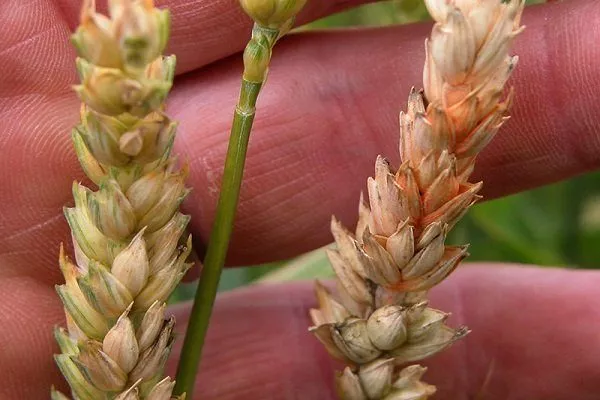
The pathology manifests itself with the following symptoms:
- flowers darken, especially on the outer surface of the glumes, and become oily;
- conidia are formed in the sporodochia, which color the ear pink;
- The affected grains are permeated with white mycelium of the fungus.
In severe fusarium infestations, yield losses can exceed 50%. If wheat contains 5% of infected grains, it is unfit for human consumption due to excessive toxin levels.
Ergot
The ergot fungus is Claviceps purpurea. Primary infection of the plant occurs from ascospores, which deposit a sweet exudate on the flowers. This exudate attracts insects, which then transfer the conidia to healthy flowers on the same or adjacent ears. These processes are activated by rain and high humidity.
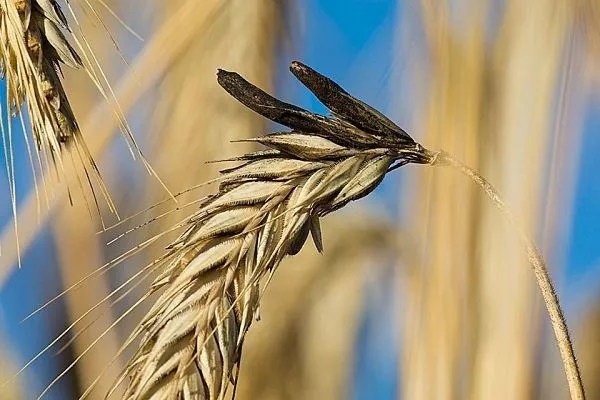
Ergot bodies remain on infected ovaries, persisting and surviving in the soil until the following season. In dry weather, they remain viable for several years, and germinate at low temperatures.
Ergot manifests itself with the following symptoms:
- the release from the affected flowers of a sweet and sticky yellowish exudate, which consists of the conidia of the fungus;
- transformation of the infected ovary into brown or purple sclerotia up to 20 cm long.
The disease does not cause major crop losses, but significantly reduces the quality of the grains.
Rotten
A large group of fungal pathogens can cause wheat rot. It comes in various forms:
- Common root rot (neck rot, nodal root rot)In overly dry or waterlogged soils, common rot can be caused by the fungi Cochliobolus sativus, Fusarium spp., and Pythium spp. The disease manifests itself with the following symptoms:
- darkening of the base of the stem, nodal roots and rootlets (they acquire a brown tint);
- lodging of individual plants;
- development of white ears;
- death of seedlings and damping-off (observed during early infection of grain crops).
- Ophiobal root rotIn temperate regions, this disease is caused by the fungus Gaeumannomyces graminis. At low soil temperatures (12–18°C), alkaline soil, or nutrient deficiencies, it causes rot of the root system and lower internodes of the stem. Nitrates are particularly conducive to this. The following signs indicate infection:
- the lower part of the stem and leaf sheaths acquire a glossy black surface;
- using a magnifying glass, dark mycelia of the fungus can be seen on the lower internodes under the dead leaf sheaths;
- under conditions of severe damage, white stems and white ears of wheat develop;
- When damaged in the early phase of plant development, the tillering and sterility of the ear decreases.
- Root collar rot (eye spot or stem brittleness)In cooler climates, where wheat is often sown in the fall, two fungal species—Oculimacula acuformis and O. yallundae—can cause the disease. Their conidia or mycelia survive on plant debris and in the soil, and upon contact with the coleoptile and the lower part of the young stem, they initiate the initial infection. Symptoms include:
- elliptical eyespots with a straw-yellow center and a dark brown or dark green border (often appear under leaf sheaths on lower internodes);
- distinct jet-black eyespots;
- Stem lodging with severe development of the pathology (can occur without the manifestation of symptoms of root rot).
- Rhizoctonia root rot (sharp-eye spot)The fungus Rhizoctonia cerealis often parasitizes soil and plant debris, causing this rot in dry, sandy soil, low temperatures, and high humidity. Unlike eyespot, this disease produces dark brown spots with a straw-yellow center that affect not only the roots but also the leaf rosettes. Affected plants are stunted, and their tillering ability is reduced due to the death of diseased roots.
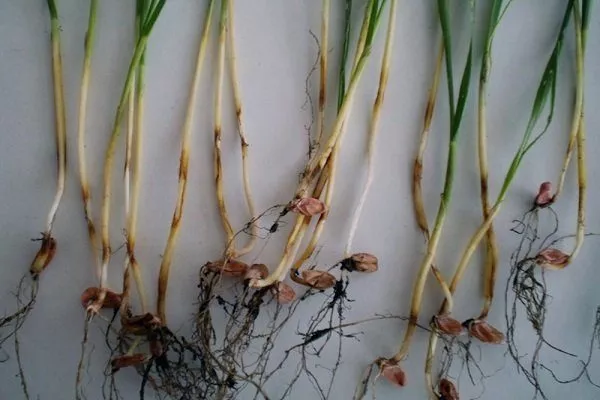
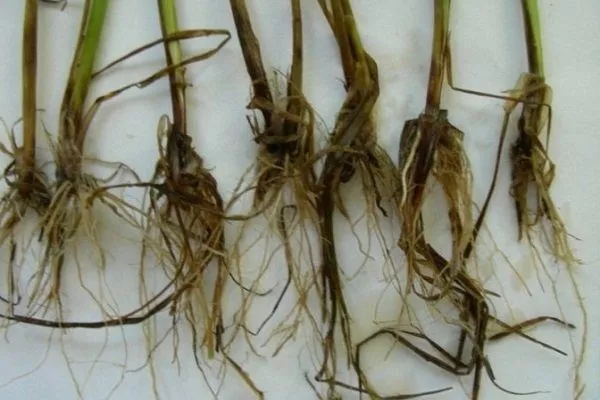
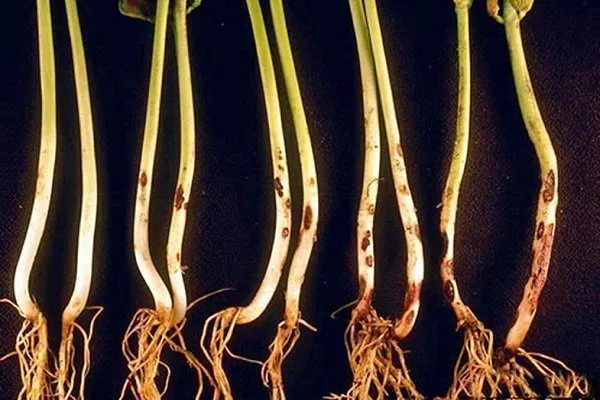
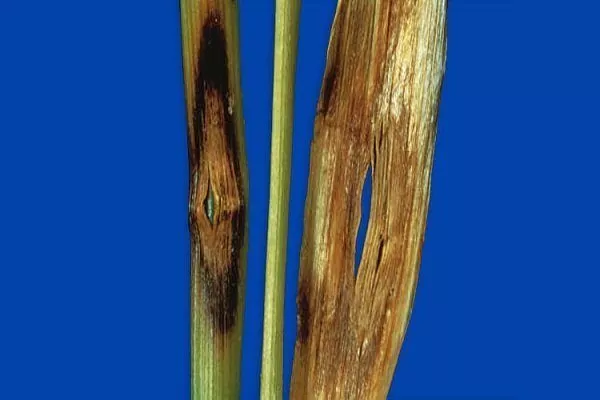
Rot infections often develop in autumn and early spring, causing a decrease in tillering productivity, weight and number of grains in the ear.
Bacterial diseases
Single-celled rods, 1 to 3 mm in length, can cause bacterial diseases in wheat. They spread in various ways:
- insects;
- splashes of rain;
- air currents.
In humid climates, these pathogens penetrate plant tissue through mechanical damage, along with life-giving moisture, are transported through the vascular system, and multiply within the intracellular spaces. In doing so, they release toxins and various enzymes, causing tissue necrosis. Although these processes do not cause significant yield losses, they do reduce the commercial quality of wheat. We will discuss common pathologies separately.
Bacteriosis streaki (black film)
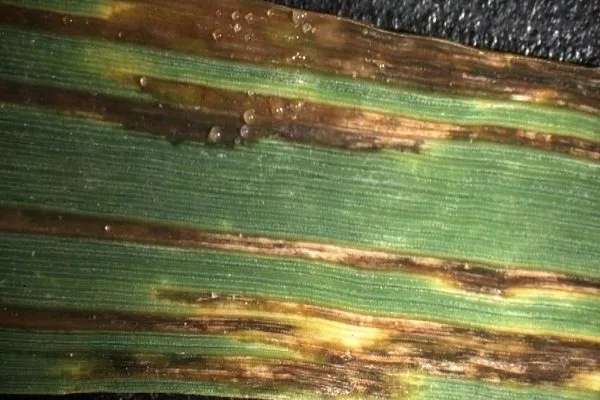
The bacterium Xanthomonas campestris causes black film on glumes and streaking on leaves and their sheaths. As the disease progresses, the following symptoms appear:
- narrow watery (weeping) spots or stripes;
- droplets of convex, yellow and sticky exudates (formed during periods of prolonged rain or dew);
- translucent films on the surface of the affected tissue that remain after the exudate can break down and acquire a scaly structure;
- damage to the ear, which becomes sterile (occurs when infected in the early phase of plant development);
- dying off of leaves and ears (observed in cases of severe infestation).
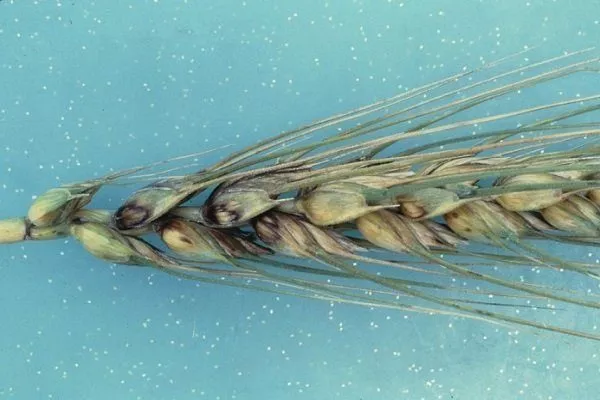
Basal bacteriosis
The disease is caused by the bacterium Pseudomonas syringae. It affects all parts of the wheat plant—leaves, stems, glumes, and even the grains. This bacterial blight develops gradually:
- Small dark green or watery (weeping) spots form at the base of the glumes.
- The formations spread over the entire surface of the scales and become dark brown, almost black.
- Diseased scales become translucent, but later acquire a dark brown or almost black color.
- The stalks of the ears are affected, developing dark spots. The same thing happens to the grain beetle.
- In humid weather, a whitish-gray bacterial slime also appears on diseased tissue. Affected stems become dark, and small water-soaked spots appear on the leaves.
Bacteriosis yellow (slimy)
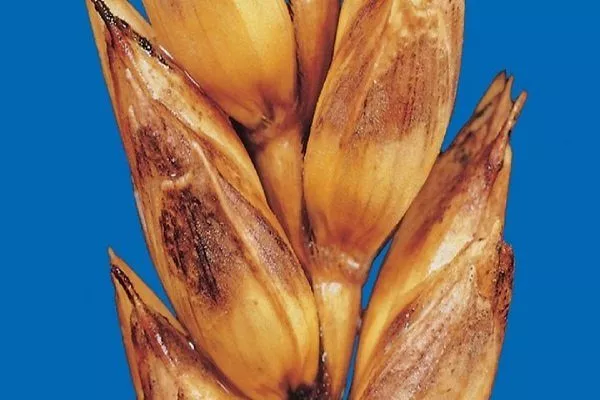
The pathogens are Rathayibacter tritici and Clavibacter iranicus. Their spread is often facilitated by the nematode A. tritici. The disease is more common in the Asian subcontinent. It is characterized by the following development:
- A yellow exudate forms on the spikelets, which leaves behind bacterial burns.
- Gradually the exudate dries, acquiring a white tint.
- The ear from the axils of the upper leaves often emerges crooked and filled with a sticky mass.
- The upper leaves become deformed or curled.
Striped wheat mosaic
A viral disease transmitted by the curlew spider mite. The virus can also be transmitted through seeds from which infected plants grow.
Symptoms of stripe mosaic disease depend on the wheat variety, virus strain, time of infection, and environmental conditions. They may not appear when sown in the fall or early spring, but always become noticeable when temperatures rise to 10°C or higher.
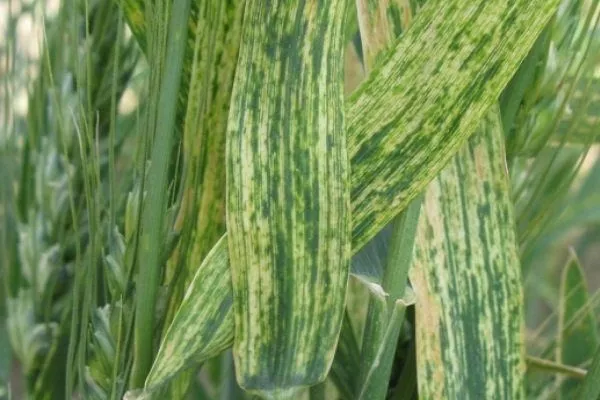
The pathology manifests itself with the following symptoms:
- the plant is lagging in growth;
- the leaves become variegated green;
- yellow stripes appear on the surface of the leaves, which run parallel but are often interrupted;
- Plants infected during the tillering phase do not produce seeds, and during the booting phase they form seeds that are too small;
- Severely affected specimens develop sterile ears or die.
Striped mosaic causes seedling death, but in late infections it results in only minor crop death.
Methods of combating wheat diseases
To protect cereal crops from the above-mentioned diseases, it's essential to strictly adhere to preventative measures and take control measures. Here are some effective measures:
- cultivate modern, highly productive varieties that are more resistant to fungal spores, bacteria and viruses;
- To prevent the spread of pathologies, use elite seeds with a varietal purity of at least 99.7%;
- Before sowing, subject the seeds to thermal disinfection or treatment with systemic fungicides (Cruiser, Maxim, Celeste);
- Observe crop rotation rules, avoiding the close placement of winter and spring wheat crops, as well as other grain crops, otherwise favorable conditions will be created for the rapid spread of pathogens of dangerous diseases;
- maintain spatial isolation of crop areas (place them at a distance of at least 1 km from commercial crops);
- use only disinfected equipment and agricultural machinery;
- adhere to the optimal timing for sowing work established for each zone;
- apply organic and mineral fertilizers in a timely manner;
- regularly inspect crops for damage;
- Destroy weeds, diseased plant debris and seedlings in a timely manner to prevent the spread of diseases.
Wheat pests and their protection
Not only various diseases but also pests pose a threat to grain crops. The main pests are described below.
Wheat thrips
Small insects (1 mm long) of brown or black color with a tapering, segmented abdomen. They often settle on the undersides of flag leaves and feed on the stems.
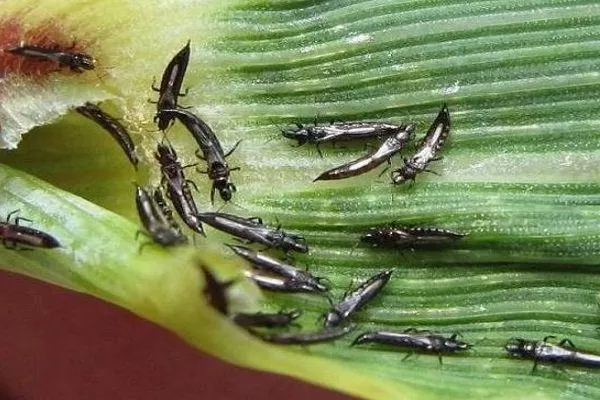
Thrips lay eggs inside or on the surface of tissue. They have a short development period, so they can produce several generations per year. The larvae are truly dangerous, as they first suck the juices from the glumes and then consume the grains, causing them to lose their seed-bearing qualities and become shriveled.
During a severe infestation of pests and larvae, plant tissue becomes deformed and takes on a silvery hue. As a result, leaves, stems, and young ears of corn are damaged.
To combat thrips, it is necessary to use systemic insecticides or combination preparations containing substances with contact and systemic action (Engio 247 SC).
Cereal aphids
Aphids are almost translucent, soft-bodied sucking insects that are considered one of the most dangerous pests of wheat, especially two species – the large cereal aphid (Sitobion avenae F.) and the common cereal aphid (Schizaphis graminum Rond).
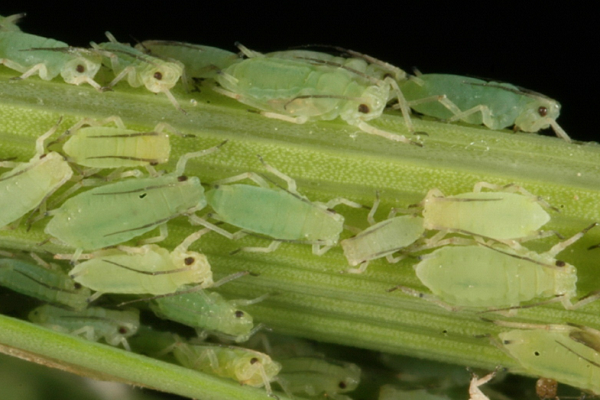
These insects feed on wheat from the moment the seedlings emerge until the grains reach waxy ripeness. Their numbers gradually increase and peak during the grain filling phase. Aphids produce 10-12 generations per season.
The following signs indicate damage by this pest:
- ants “run” to the garden bed because the aphids secrete “honeydew” in the form of drops of sweet liquid that is attractive to them;
- leaves become striped, turn yellow prematurely and die;
- parts of plants become deformed or twisted and covered with necrotic spots;
- long white leaves appear on the leaves, after which they curl up;
- the grains become fluffy and light.
- ✓ The presence of ants on crops indicates aphid activity.
- ✓ A silvery tint to the leaves is typical of thrips infestation.
Aphids can not only cause significant damage to plants, but also become carriers of viruses, so modern systemic drugs must be used against them immediately.
Gray grain moth
Adult insects (butterflies) do not harm the plant, but only feed on flowering vegetation, but caterpillars can cause significant damage.
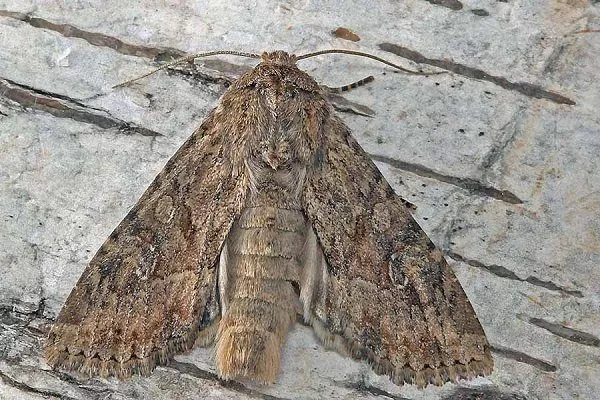
Females lay eggs on wheat ears in clutches of 10-25. Their embryonic period lasts 1-2 weeks. After this, caterpillars emerge, which have eight instars. Each stage presents its own danger:
- From the 1st to the 3rd age, the hatched caterpillars are found singly or in groups inside the ear and eat the grain from the inside.
- From the third to fourth instars, caterpillars emerge at night and feed on exposed ripe grains. During the day, they hide in leaf axils or in the top layer of soil.
- From the 5th to the 8th instar, caterpillars feed on fallen grains, consuming them whole. They need this nutrition to survive the winter and withstand persistent cold for a month. They can tolerate temperatures as low as -10˚C.
The harmfulness of the caterpillar increases gradually:
| Age | Amount of grain eaten |
| From 1 to 4 | less than 50 mg |
| 5 | 50 mg |
| 6 | 100 mg |
| 7 | 300 mg |
| 8 | 1330 mg |
Over its entire development period, one caterpillar can destroy 2 grams of grain, equivalent to two ears of grain. To prevent such consequences, it is necessary to control the cutworm during the third instar, using combined insecticides on wheat.
The harmful turtle bug
The insect can attack plants throughout the growing season. Both adult bugs and their larvae cause damage. Females lay 14 eggs after 1-2 weeks of active feeding. This process lasts 10 to 20 days. The larvae emerge on average between 9 and 16 days and also begin feeding on the plant.
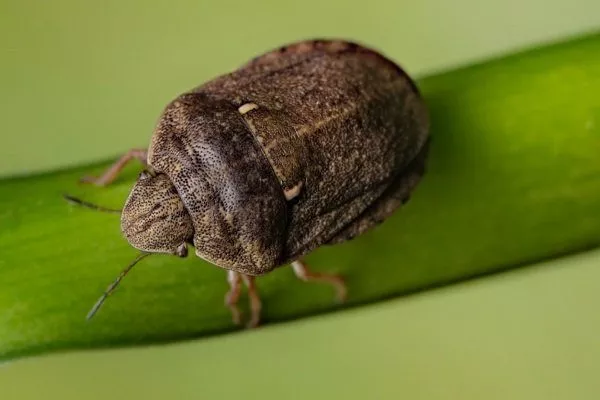
The pest causes significant damage to wheat:
- During the early stages of plant development, the fungus injects into the base of the stem, damaging the growing point and the ear primordium. At the injection site, partial or complete whiteness of the ear appears, and the stem itself becomes deformed. As a result, the leaves turn yellow prematurely, and the ear fails to form. As a result, yields drop from 0.3 to 3 centners per hectare.
- During the grain-filling phase, the fungi attack the ears, sucking out all the grain's contents. During the milky ripeness phase, the grains shrivel and dry out, and beginning with the milky-waxy ripeness phase, they become loose and crumble easily. For this reason, the quality of flour made from such grains significantly deteriorates, and, moreover, it becomes unfit for consumption if 3-15% of the grain in the ear is damaged.
To combat the bug, wheat should be treated with insecticides twice: the first treatment against overwintered insects, and the second against larvae. For winter wheat, it's best to treat overwintered bugs during the tillering stage.
Sawflies
These are insects that resemble small, fly-like wasps. Two of their species are dangerous to wheat: the common wheat wasp (Cephus pygmaeus L.) and the black wasp (Trachelus tabidus F.).
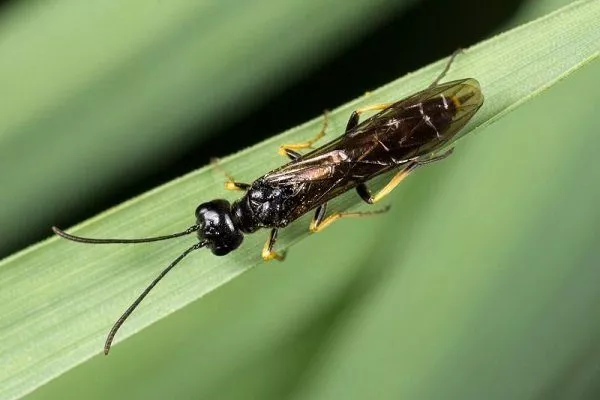
While the first sawfly is found in all wheat-growing zones, the second is found primarily in central regions. In either case, they cause equal damage to the cereal crop, affecting the following:
- Females produce one generation per year, laying approximately 50 small white eggs in the upper internode under the spike in early summer (laying only one egg in each stem).
- The embryo within the egg develops for a week, transforming into a larva, which spends its entire maturation period in the stem, feeding on it. The caterpillars suck out all the contents of the stem and gradually descend to its base.
- The larvae seal the straw passage with a plug, create a cocoon and spend the winter in it.
For this reason, grain yield is reduced by approximately 1 c/ha.
- The larva spends the winter in stubble and pupates in the spring. The pupal stage lasts 1-3 weeks.
- After this, the young gradually chews its way out. This occurs towards the end of May.
In some years, sawflies can cause significant damage to grain crops, so it's best to cultivate varieties that are more resistant to their attacks. These include wheat varieties with dense or semi-dense stems filled with parenchyma.
White cockchafer larvae
May or June beetles lay eggs in the soil, and the white larvae that hatch from them, with three pairs of legs on their abdomen, attack wheat.
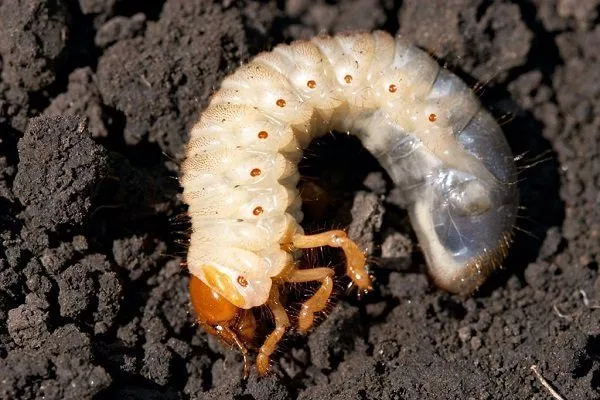
These pests partially or completely gnaw through the roots of plants, which leads to the following consequences:
- the formation of round bald spots on crops;
- stunted growth of plants, which may prevent them from producing ears.
Symptoms of damage resemble those of root rot, but a closer inspection of the dying plant reveals white larvae in the soil. As they mature, they reach 2-3 cm in length and almost 1 cm in thickness.
To prevent pest attacks, it is important to subject the area to proper pre-sowing treatment.
Wireworms
In spring, click beetles lay eggs in the soil, which hatch into three-legged larvae called wireworms. They reach 2-3 cm in length and range in color from milky cream to brown.
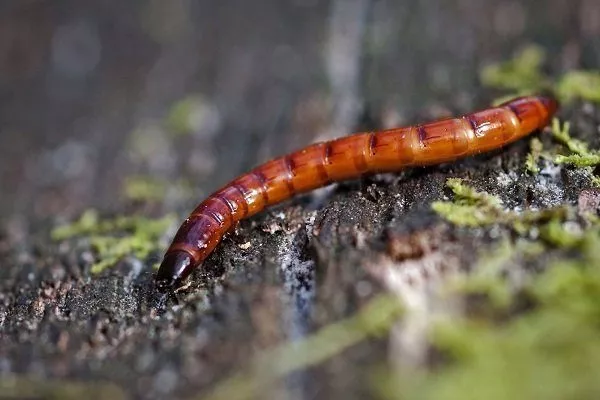
Wireworms consume the endosperm of grain, causing the wilting or death of seedlings in a row or small garden bed. The sprouts of damaged seedlings, where larvae can be found, are often eaten away directly above the seeds.
To prevent wireworms from ruining the wheat crop, the crop should not be sown in the same area for several seasons in a row or after perennial grasses.
Hessian fly
It is considered one of the most dangerous pests of grain crops. This small insect (up to 3-4 mm in length) is dark gray or brown in color with a pink or yellow-brown abdomen. It is widespread in various regions of the world, but is found annually in the United States and North Africa.
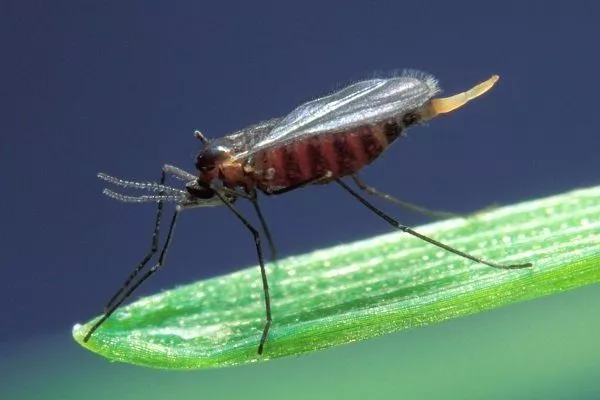
This fly lays eggs, which hatch into larvae that are dangerous to wheat. They suck vital juices from plant tissue, penetrate leaf sheaths, and consume the stem. This is accompanied by the following symptoms:
- the stem is deformed, twisted or broken;
- the ear is empty or contains a small number of small seeds;
- the sprouts quickly weaken and immediately turn yellow in the spring, so they dry out quickly;
- the plant remains in growth and eventually lays down.
Carrion from the previous harvest promotes intensive reproduction of the Hessian fly, so it should be plowed in as quickly as possible. This will help quickly kill the larvae and prevent their mass reproduction.
In case of severe infestation by the Hessian fly, wheat can be chemically treated using special preparations (Hexachlorane, Chlorophos, Metaphos, Phosphamide).
Wheat can be susceptible to various diseases and dangerous pests. Knowing the causes of these diseases allows you to take timely measures to protect your crop from such threats. If your plant shows signs of damage, it's important to promptly determine the cause and begin restoring your crop.