
Throughout the growing season, oats are exposed to numerous diseases and pests, which ultimately impacts yield and plant quality. Globally, oat losses due to pests account for 8% of crop losses, while those due to various diseases account for 9.3%.
Oat diseases: symptoms, treatment and prevention
The most effective way to combat diseases and pests is to grow varieties resistant to viruses and bacteria. The difficulty in controlling diseases of this crop lies in the fact that each pathogen produces multiple subspecies, which in turn have different effects on oat development.
| Name | Disease resistance | Ripening period | Productivity |
|---|---|---|---|
| Hard smut of oats | Low | Average | Average |
| Loose smut of oats | Low | Average | Average |
| Powdery mildew | Average | Early | High |
| Anthracnose | High | Late | Low |
| Stem rust | Average | Average | Average |
| White spot | High | Early | High |
| Septoria leaf spot of oats | Low | Late | Low |
| Bacterial leaf blight | Average | Average | Average |
| Halo burn | High | Early | High |
| Yellow dwarfism | Low | Late | Low |
| Crown rust | Average | Average | Average |
| Pupation of oats | Low | Late | Low |
| Olive mold | High | Early | High |
| Red-brown spot | Average | Average | Average |
| Sclerosporosis | Low | Late | Low |
| Fusarium | Average | Average | Average |
- ✓ Optimum temperature for processing: 12-25°C, avoid direct sunlight.
- ✓ Recommended air humidity: no higher than 70% to prevent the product from dripping.
Hard (covered) smut of oats
The disease is caused by a basidiomycete fungus that attacks panicles and transforms them into spores. Its spores begin to germinate at temperatures between 6 and 10 degrees Celsius. Covered smut of oats is found in all regions where the crop is grown. Infection occurs in the soil during seed germination. Spores are rarely dispersed, so they remain on the inflorescences until harvest.
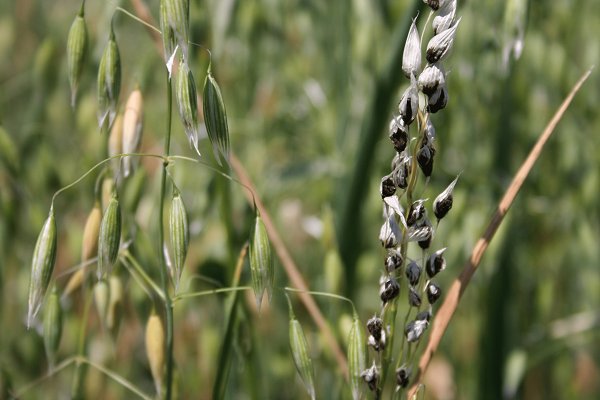
In the CIS countries, there are four physiological races of the fungus that cause smut. These varieties affect not only cultivated oats but also wild oat species.
The disease manifests itself in the following symptoms:
- replacement of grain with spore mass (outwardly this looks like a blackened grain);
- compactness of the panicle, associated with underdevelopment of the branches of the affected inflorescences;
- premature ripening of plants.
Covered smut of oats negatively impacts the quality and quantity of the crop. If symptoms of the disease are detected, the entire crop area should be treated with fungicides that inhibit the causative fungus.
Preventive measures:
- Crop rotation practices must be followed. Seed fields should be located at least 1 km away from commercial crops to reduce the risk of disease spread.
- Careful pre-sowing treatment of planting material. Oat seeds can be treated with a formalin solution (1.25%).
- Treatment of seeds before planting with systemic fungicides from the triazole or benzimidazole group.
- Use of high-quality seeds without signs of spoilage or disease.
- Compliance with recommended sowing dates.
- Use of phosphorus-potassium fertilizers instead of nitrogen ones.
After threshing oats in which signs of smut have been detected, it is recommended to treat the stubble with preparations that accelerate its decomposition and destroy fungi and other pathogens.
Loose smut of oats
This cereal disease is caused by the smut fungus. Its symptoms appear on the oat panicles. Under the influence of the pathogen, the spikelets are completely destroyed. Like smut, this disease is found everywhere this crop is grown.
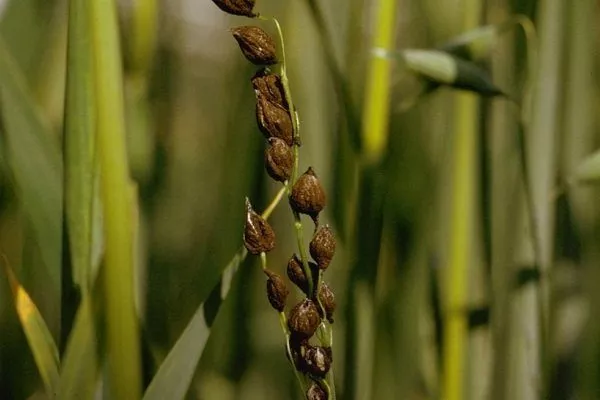
The favorable temperature for fungal development is between 5 and 32 degrees Celsius. Peak pathogen activity is observed at 25 degrees Celsius.
Primary infection occurs during the flowering stage: spores fall on the grains, carried by wind or raindrops. The spores germinate and spread under the film, where the pathogen survives the winter. In the spring, the fungus becomes active and develops along with the oat crop. During this period, new mycelium forms, penetrating the growing point and developing throughout the plant, right up to the ovaries.
The following factors contribute to the development of the disease:
- soil temperature within 16-19 degrees during the seed sowing period;
- windy and damp weather during the flowering period of the crop.
Late crops are particularly susceptible to the disease.
Symptoms of loose smut of oats:
- disruption of growth and development of affected plants;
- the formation of denser panicles with branches sticking out in different directions;
- the appearance of dark spores on the spikelets, which are freely spread by the wind and fall on other plants;
- The upper oat spikelets may remain intact, and full-fledged seeds are formed in them.
- Isolate affected plants to prevent spread.
- Apply spot treatment with fungicides until complete coverage.
- Increase the intervals between waterings to reduce humidity.
The disease damages crops, manifesting itself in grain shortages and reduced plant germination. Treatment depends on the stage of development at which the loose smut pathogen is detected:
- If it was detected in winter, before the infection had penetrated the plant, the seeds can be treated using fungicides from triazoles and benzimidazoles;
- If loose smut is detected during the flowering period of plants, the plantings must be treated with fungicides.
Preventive measures:
- use of pathogen-resistant varieties;
- spatial isolation of seed plots from crops for commercial purposes (at least 500 m);
- disinfection of agricultural equipment, as well as processing machinery;
- seed treatment before planting with systemic preparations.
Fungicides against loose smut:
- Scarlett;
- Rakzan;
- Corriolis.
These preparations are also effective against root rot and brown spot.
It is strictly forbidden to sell or sow seeds collected from crops that have been affected by loose smut.
Powdery mildew
Powdery mildew affects the entire above-ground portion of the plant. The disease is caused by a fungus that destroys chlorophyll and other pigments, reducing the plant's resistance to lodging.
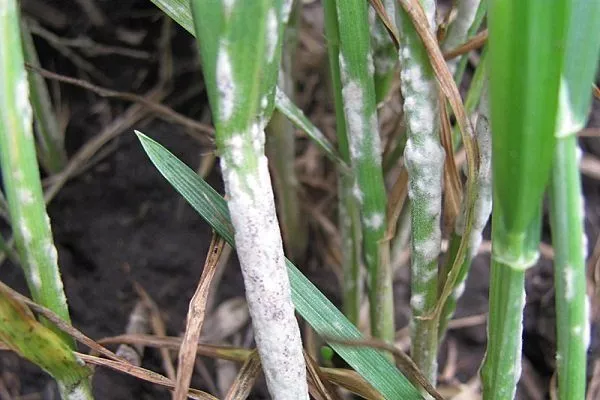
Powdery mildew affects more than just yield: it also significantly reduces the protein and starch content of oats. The disease occurs worldwide, but causes the greatest damage to plants in forest-steppe and steppe zones.
Manifestations of the disease:
- a cobwebby white coating on the surface of the above-ground parts of the plant, which over time turns into mealy pads resembling cotton wool;
- matte spots on the upper side of leaf blades.
To combat powdery mildew, the following biological preparations are used:
- PlansirIt can be used at any stage of crop development and can also be combined with chemical preparations.
- Fitosporin-MThe product is suitable for all crops. Spraying is recommended in cloudy weather or in the evening, as the active ingredient is sensitive to sunlight.
Chemicals can help in the most advanced cases of cereal crop disease. Popular options include Vitaros and Topaz. When working with chemicals, wear personal protective equipment for your hands and respiratory system.
Powdery mildew can also be combated using folk remedies, for example, by spraying oats with a solution of tree resin or cow's milk.
To prevent the development of powdery mildew, you need to:
- use oat varieties that are relatively resistant to this disease;
- remove plant debris from areas in a timely manner;
- observe the planting dates of crops.
Anthracnose
The disease is caused by an imperfect fungus that attacks plant stems. Anthracnose is particularly prevalent in humid areas. The source of infection is overwintered plant debris. The pathogen is also spread by seeds.
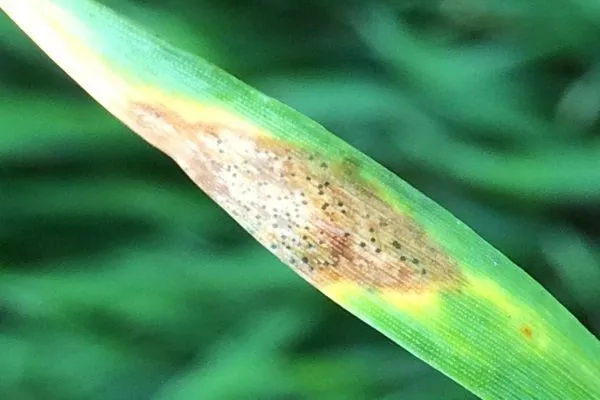
Manifestations of the disease:
- the appearance of small brown oval-shaped spots on the stems;
- formation of dark oblong “pads” with a diameter of 0.1 to 1 mm;
- blackening of the roots.
Chemical and biological treatments are used to combat anthracnose in oats. The following treatments are effective:
- Fitosporin M (non-toxic biofungicide);
- Fundazol;
- Thiovit Jet based on sulfur;
- Poliram (contact fungicide).
For prevention you need to:
- use only healthy seed material for planting;
- use fertilizers that increase the crop's immunity (phosphorus-potassium fertilizers);
- follow the recommendations regarding sowing times.
Stem (linear) rust
This is a common fungal disease of oats that occurs during the milky or waxy stages of grain ripeness. Stem rust is caused by a dioecious fungus that attacks the stems and leaves of the crop.
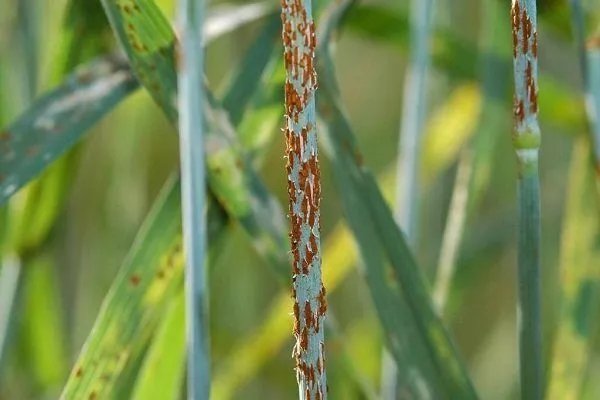
Linear rust causes significant crop damage: when the disease is severe, grain losses can reach 60%. Furthermore, the crop's nutrient content is significantly reduced.
The main symptom of the disease is the formation of elongated, rusty-brown spots with tubercles on the leaf surface. The linear rust pathogen rarely affects the glumes.
The disease can be controlled by treating affected crops with fungicides. Cancel and Avaxs are effective.
Preventive measures include the following:
- Avoid planting barberry near cereal crops, as this plant is an intermediate host of the pathogen;
- use of resistant varieties;
- application of increased rates of phosphorus-potassium fertilizers;
- compliance with the terms and rules for planting crops.
White spot
A fungal disease caused by the imperfect fungus. The pathogen remains on parts of affected plants, and less commonly on seeds. In summer, fungal spores are spread by rain and air masses. Yield losses from this disease range from 3-5%.
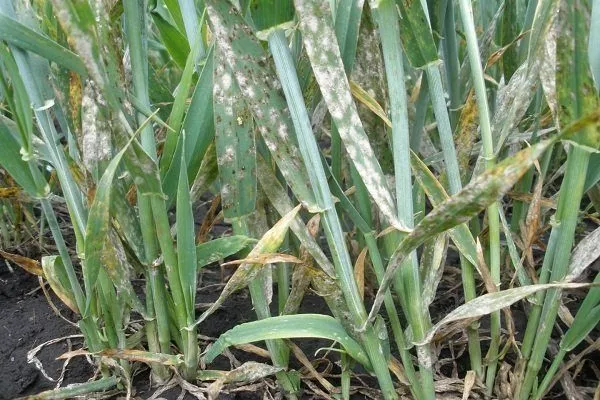
Symptoms of white spot:
- the appearance of oblong spots of gray-green or yellow color on the surface of the leaves;
- the appearance of black dots on each surface of the leaf;
- drying out of leaf mass.
The fungus develops especially intensively during the period of crop development between the emergence of the panicle and the beginning of the waxy maturity of the grain.
For treatment and prevention, fungicidal solutions should be used.
Septoria leaf spot of oats
Septoria leaf spot is caused by an imperfect fungus, a highly specialized pathogen. Its mycelium spreads through intercellular spaces. Affected plants dry out prematurely, resulting in yield reductions of 5-10%, sometimes even more. Affected plants also experience reduced sugar content.
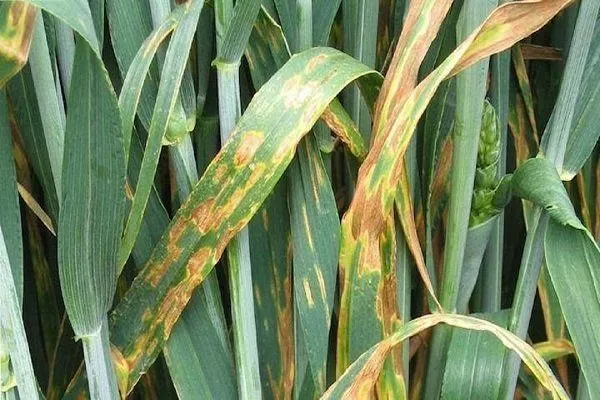
The disease most often develops under conditions of high humidity, during the second half of the crop's growing season. It rarely appears at the seedling stage. There are no oat varieties resistant to septoria.
The disease is expressed by the following symptoms:
- the formation of small, oblong, yellow spots with a brown border on the leaves;
- the appearance of black dots in the central part of the spots, which are immersed in the leaf tissue;
- blanching of tissue in the area of the spots;
- rotting and subsequent drooping of the stem.
Fungicides are used to combat the disease. Effective agents include:
- Bordeaux mixture;
- Nitrofen;
- Phthalan;
- Profit;
- Ordan.
Only chemical agents will be effective in advanced stages of the disease.
Prevention of white spot development in oats:
- timely spraying of soil with fungicide solutions;
- timely removal of weeds;
- timely application of necessary fertilizers to the soil;
- compliance with crop rotation standards.
Bacterial leaf blight of oats
The disease is caused by bacteria—non-spore-forming gram-positive rods. The pathogens survive on the remains of infected plants, as well as on seeds. Bacterial leaf blight is usually focal. The disease can cause yield losses of 5% or more. There are no oat varieties resistant to it.
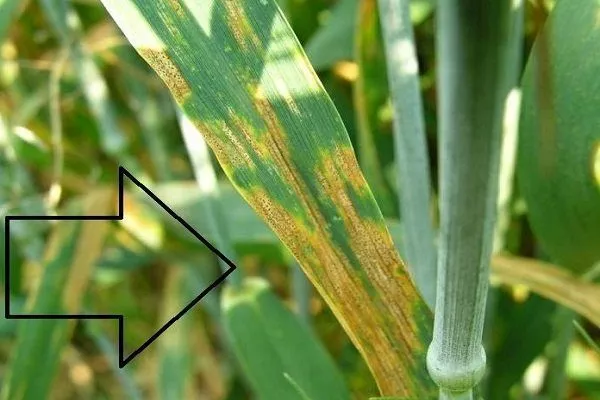
The blight manifests itself as spots on the leaves. Initially, these spots are light brown or reddish in color and small in size. Later, the spots become more elongated. As the disease progresses, the leaves turn red and eventually dry out.
This disease is treated with medications containing mancozeb as the main active ingredient. Biological treatments are also used, including Fitolavin 300 and Agat 25 K.
To prevent the development of bacterial disease of this grain crop, it is necessary to:
- remove plant residues from fields in a timely manner;
- use only high-quality and healthy seeds for sowing;
- perform preventive seed treatment before planting with Granosan at a concentration of 1.8-2.3%.
Halo burn (bacteriosis)
This disease is caused by gram-negative bacteria and is widespread. Halo blight affects leaves, scales, and grains. Bacterial microorganisms are spread by wind and raindrops and can persist on plant debris for a year or more. Halo blight reduces plant productivity and seed germination by 2-5%.
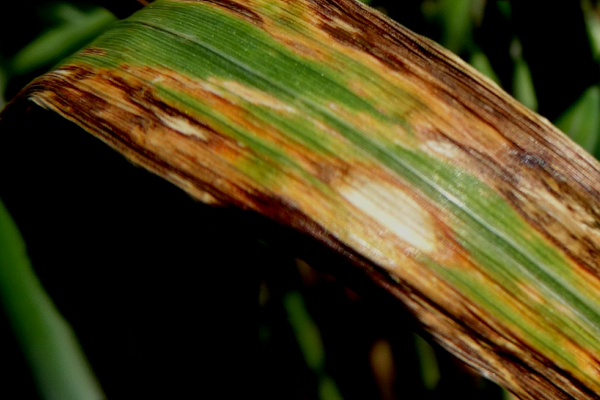
The manifestations of the disease are varied:
- formation of spots with a diameter of 4-5 mm on the leaves, which are initially light green in color and then become reddish-brown;
- the merging of some spots, due to which the leaf blade is modified;
- wrinkling of affected leaves and drying of their edges;
- the appearance of seeds susceptible to rotting.
To treat oat halo bacteriosis, the same fungicides are used that are suitable for combating leaf burn.
To prevent the disease, it is necessary to follow crop rotation recommendations and use varieties resistant to bacteriosis: Bug, Sinelnikovsky 29 and Sovetsky.
Yellow dwarfism
The disease is viral in nature. It is caused by a virus transmitted from plant to plant by aphids. It can remain in their bodies for up to 120 hours. Yellow stunt virus does not survive overwintering plants and is not spread by seeds or mechanical means. It causes particular damage to crops during dry periods.
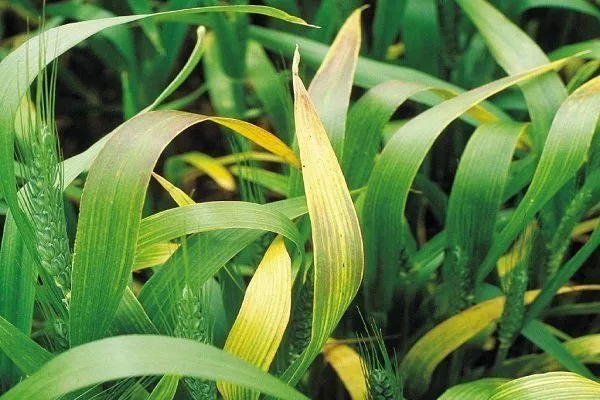
The following factors contribute to the development of the disease:
- winter with frosts;
- a long autumn with frequent rains;
- excess nitrogen.
Symptoms of the disease:
- leaf stiffness;
- the appearance of yellow stripes on the surface of the foliage;
- reddening of leaves;
- vertical growth of leaves;
- growth disturbance;
- Plants infected with yellow stunt virus may fail to produce ears.
To protect the harvest, you need to:
- fight virus carriers using insecticidal preparations;
- control weeds that are carriers and reservoirs of the virus (volunteer seedlings and cereal weeds).
Crown rust
The disease develops due to the activity of a parasitic fungus undergoing complete development. The pathogen attacks oat leaves and, much less frequently, stems. Crown rust is widespread in all oat-growing regions. It causes the greatest damage in regions with a more humid and warm climate. Late crops are more susceptible to damage.
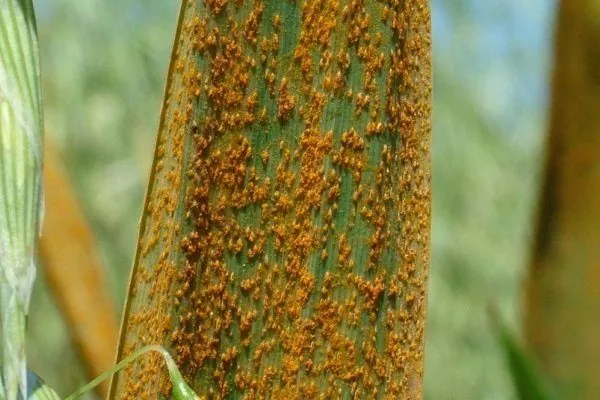
The onset of the disease is noted after panicle ejection or during grain filling. Symptoms of oat crown rust:
- formation of round orange pustules on leaves and stems;
- the appearance of black rings with a shiny surface on the underside of the leaf.
To treat the disease, vegetative plants are treated with fungicidal solutions:
- Zoltan;
- Title 390;
- Altazol.
To prevent the disease from developing, seeds are treated with Tebu-60 and Raksil fungicides before sowing. The seedlings can also be treated with a potassium permanganate solution before sowing. Another important factor in preventing crown rust is the timely and adequate application of phosphorus-potassium fertilizers.
Oat varieties resistant to this disease: Lgovsky 1026, Gorizont.
Pupation of oats
The disease is caused by a virus transmitted by dark leafhoppers. The infection is found in the Far East and Siberia. There are no oat varieties resistant to pupation.
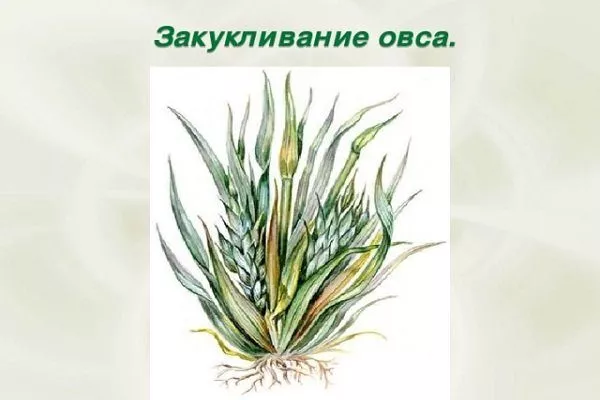
Manifestations of the disease:
- the appearance of light green streaks and spots on the surface of the leaves of the crop;
- rapid growth of shoots (the bush forms up to 60 stems);
- disruption of growth and development of culture;
- reddening of leaves, which over time turn brown and become tough;
- atypical elongation of ovaries.
The consequences of the disease depend on the stage of crop development at which it appears. To prevent pupation, it is necessary to promptly remove stubble, deep-till the soil, eliminate weeds, and sow oats at the recommended time.
Pesticides for treating crops against annual and perennial weeds that contribute to the transmission of viruses or fungi:
- Tornado (protection period – 50 days);
- Trias (protection period – 56 days).
These preparations are used for spraying crops.
Olive (brown) mold of oats
A fungal disease caused by an imperfect microorganism, olive mold is observed in many regions where cereals are grown, but is most common in areas with high humidity. Another name for the disease is cladosporiosis. It can cause yield losses of 20% or more.
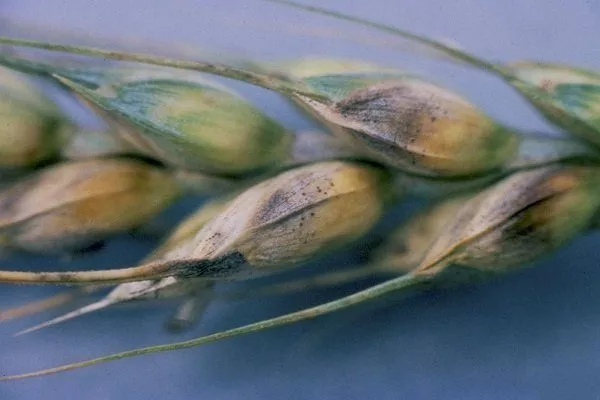
Symptoms of the disease occur in the summer, during periods of heavy rainfall. They include the following signs:
- the appearance of a velvety, olive-black coating on the surface of inflorescences and stems;
- blackening of the outer films of the grains;
- the appearance of black spots and grooves on the surface of the grain.
By penetrating the grain, the pathogenic fungus saturates it with toxic substances and makes it poisonous for humans and animals.
During the period of spikelet formation and flowering, the following fungicides can be used to combat cladosporiosis:
- Triad;
- Title 390;
- Chapel.
Preventive measures:
- control of aphids, as these pests weaken the plant and make it more susceptible to fungal infections;
- weed control;
- autumn plowing after harvesting;
- timely application of organic and mineral fertilizers.
Red-brown spot
The causative agent is an imperfect fungus. The disease is found throughout cereal-growing regions. If the disease becomes widespread, yield losses can reach at least 10%.
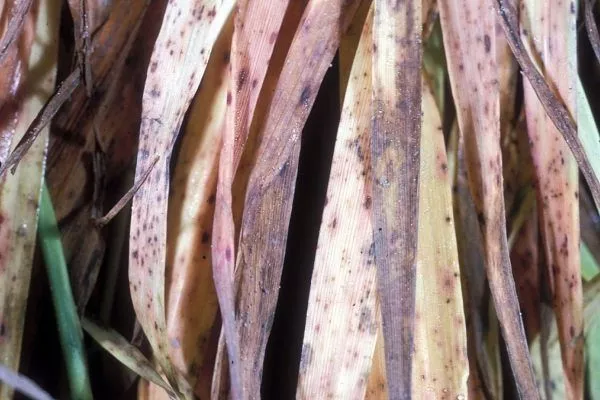
Red-brown spot affects flower scales, spikelets, leaves, and, in some cases, grain. Brown or dark gray spots with a reddish border appear on these parts. In high humidity, an olive-colored coating forms on the surface of the spots. Leaves affected by the fungus dry out and fall off.
To cope with the disease, it is recommended to use the fungicide Avax.
For prevention, planting material should be treated with fungicides Pioneer, Grandsil Ultra.
Sclerosporosis (downy mildew)
A fungal disease common in regions with high humidity. The pathogen attacks all above-ground parts of the crop. Yield losses due to sclerosporosis are 5%. There are no oat varieties resistant to this disease.
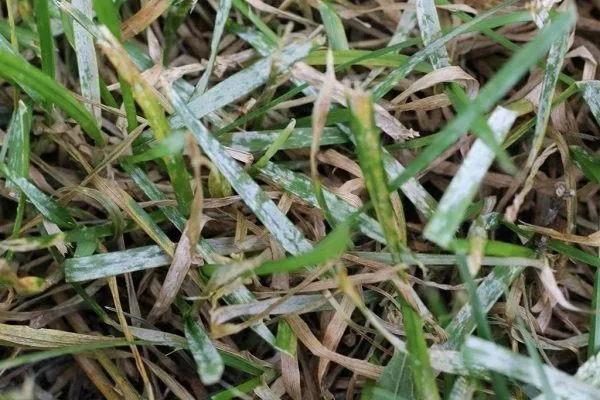
Manifestations of sclerosporosis:
- formation of brown spots with fuzzy shapes on the surface of leaves and stems;
- the appearance of a light gray coating on the leaves;
- areas of swelling on the spikelets;
- slowing down of plant growth.
Treatment involves the use of fungicidal solutions that are used for other fungal diseases of cereal crops.
Prevention consists of the following measures:
- preventing soil over-watering;
- removal of all plant residues after harvesting;
- compliance with crop rotation rules.
Fusarium
Fusarium wilt of oats is a viral disease caused by fungi. Pathogenic microorganisms can infuse the grain with toxins, rendering it unfit for consumption.
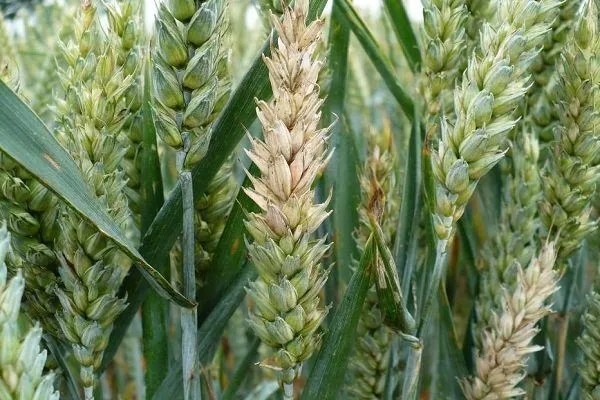
The pathogen attacks seedlings and growing plants. The fungus persists as mycelium on seeds, as well as as spores and mycelium on crop debris. Uncontrolled disease progression can lead to 15-20% yield loss and up to 100% grain quality loss.
Factors that increase the risk of infection of cereals with fusarium:
- minimum tillage;
- growing oat varieties susceptible to fungus;
- increased humidity levels during the flowering period of the crop.
Symptoms of infection:
- wilting of seedlings;
- change in color of the embryonic roots to brown and their drying out;
- thinning of crops;
- rotting of secondary roots;
- Fusarium-affected grain has a pinkish color or is discolored.
The best way to combat fusarium wilt in oats is to use fungicides (azoles). These treatments can be applied during the flowering period.
Preventive measures include:
- compliance with crop rotation;
- plowing the soil;
- removal of plant debris.
Oat Pests: Symptoms, Treatment, and Prevention
Various pests affect the quality and quantity of the oat harvest. Certain types of parasites appear only at specific stages of plant development. Pests cause deterioration in the technological and physical quality of the grain, thinning of seedlings, and partial or complete whiteness of the ears.
More than 130 species of pests have been recorded in Russia that negatively impact the quality and yield of cereal crops, including oats.
Swedish fly
The oat fly is an insect pest of cereal crops. It is considered the most dangerous type. Its larvae attack oat shoots and ears throughout the growing season. This insect is common in the European part of Russia. The oat fly causes significant damage, damaging 2 to 20%, and in some years, 40 to 60% of the stems. This resilient insect can withstand weeks of starvation and long-distance migrations, adapting to any climate.
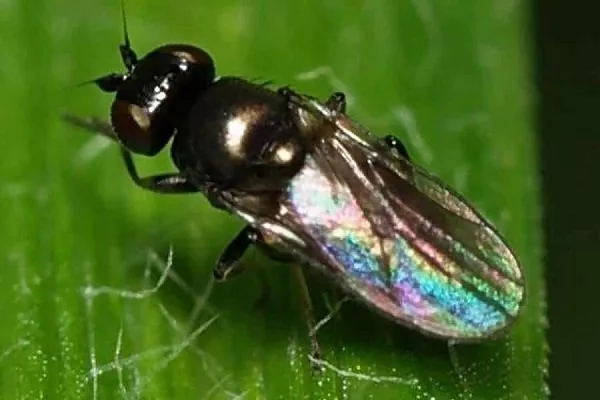
External signs of oat fly:
- black shiny body 1.5-2.5 mm long;
- yellow paws;
- smooth convex back.
The insect's larvae are transparent and white, turning lemon-yellow as they develop. They are the ones that cause damage to developing cereal crops.
Signs of parasitism on oats:
- stem thickening;
- delayed growth of seedlings;
- expansion of leaf blades.
Oat fly larvae damage stems at the initial stage of development and can cause their death before they emerge into the tube.
Methods of pest control:
- spraying the edges of the plot (field) with a solution of chlorophos;
- Spraying crops during the fly flight phase with organophosphorus compounds and pyrethroids.
Prevention of oat fly infestation:
- seed treatment before planting with Cruiser or Gaucho;
- dense planting of seeds to increase the percentage of harvest in case of damage;
- timely application of nitrogen fertilizers;
- sowing winter crops at the beginning of frosts, when the oat fly goes into hibernation.
Also recommended for protecting oats are Ditox, Operkot, and Tagor.
Bread ground beetle
This pest is common in the Central Black Earth and North Caucasus regions. It is a small beetle of the order Coleoptera. In addition to oats, wheat, and rye, it can also feed on wild cereals (wheatgrass, foxtail).
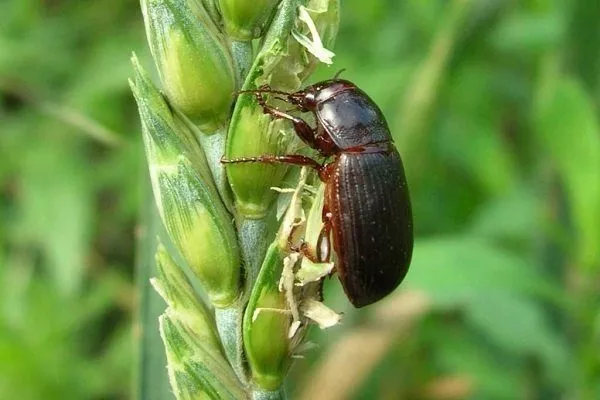
The beetle's body length is 12-17 mm, and its color is deep black. Both adult beetles and larvae of the grain beetle cause damage to cereal crops. These pests are active at night, emerging from the soil to feed on leaves.
Symptoms of grain beetle infestation:
- spoilage of leaves (the beetle chews them with its powerful jaws, leaving behind fibrous clumps);
- thinning of crop seedlings.
If you detect a grain beetle, you should use the systemic and contact-intestinal insecticide Clonrin.
As a preventative measure, seeds should be treated with the universal seed treatment agent Imidalit before sowing. Other measures aimed at preventing ground beetle infestation of cereal crops include:
- performing additional soil cultivation;
- deep plowing;
- compliance with crop rotation rules.
Thrips
Thrips are a group of insects with small bodies (no more than 2 mm) and piercing-sucking mouthparts. They are particularly resilient pests that reproduce rapidly. The adult thrips are the pest of cereals. The oat thrips is a pest of oats. Its body color is gray-yellow or gray-brown, and its forewings are yellow-gray.
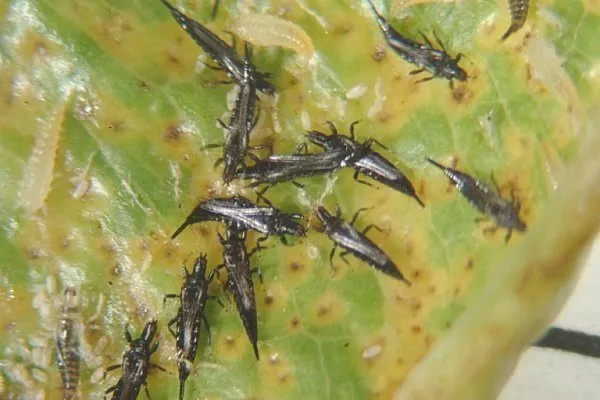
Oat parasites appear 2-3 weeks before earing. Females lay eggs behind the ear scales. About a week after laying, larvae hatch from the eggs. They damage the crop by sucking the sap from the scales. After feeding, the larvae migrate into the soil, where they develop into adults.
In addition to causing direct damage to crops, oat thrips act as carriers of viral diseases of the crop.
Signs of oat thrips infestation:
- the spikelet scales acquire a brown color;
- grain wilting;
- young grain resembles ripe grain.
Due to damage to grain and outer leaves by larvae, the crop cannot fully mature.
The main method of pest control is the use of insecticides in case of detection of a high number of thrips: Biotlin, Alatar, Aktara.
Methods for preventing the development of oat thrips:
- deep plowing of the soil at the edges of the plot;
- destruction of weeds on which the pest overwinters;
- sowing oats early (late varieties are susceptible to pest attacks 2-4 times more often).
The harmful turtle bug
The insect belongs to the order Angiospermidae, the family of shield bugs. In addition to cereal crops, this harmful bug has also been observed on beets. The adult insect has a wide body, measuring 9-13 mm in length. Its body color can be light brown, gray, or black.
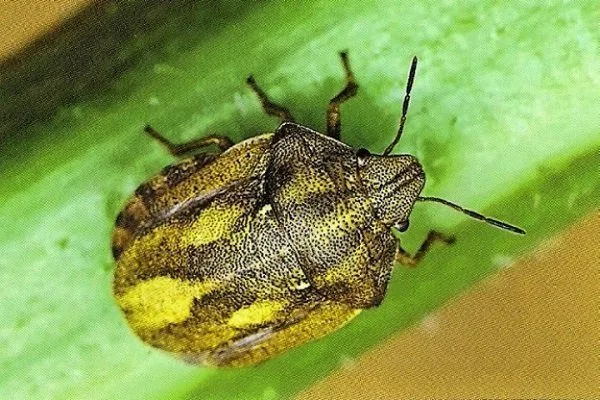
Both adults and larvae cause damage to cereals. The pest turtle feeds on plant sap, which it extracts by piercing the stems with its proboscis.
Symptoms of bedbug infestation:
- the stems do not produce ears and gradually die;
- whiteness of the ears in the area above the place of the proboscis puncture.
To combat the turtle during the growing season, the plant uses:
- broad-spectrum insecticide Cyperus;
- contact insecticide Alfashans;
- systemic and contact-intestinal insecticide Clethodim Plus Mix.
Preventive measures include compliance with agricultural requirements and technology for growing cereal crops, as well as taking into account the number of pests.
Grey grain moth
This is the main grain pest in Western Siberia and the southern Ural region. The insect most often attacks rye, barley, and wheat, but can also infest oat fields. The damage is caused by caterpillars that damage the grain in the ears. By burrowing into the ovaries, they almost completely consume the kernels from the inside.
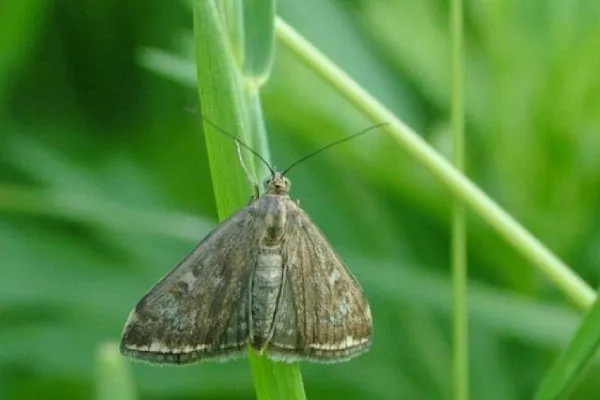
Externally, the result of cutworm infestation appears as an outer shell, which remains in place of the grains, filled with the insect's waste products. The outer grains may have deep, eaten-out cavities.
The systemic and contact-intestinal insecticide Klonrin is suitable for spraying crops during the growing season. The broad-spectrum insecticide Cyperus is also suitable.
Agrotechnical preventive measures:
- timely harvesting of crops in the shortest possible time and threshing;
- early plowing of the soil;
- destruction of plant residues.
Common grain moth
A member of the order Lepidoptera, the common armyworm differs from the common armyworm by the presence of a black stripe at the base of the forewings. It damages not only cultivated but also wild grains. The common armyworm causes the greatest damage when the grain is at the milky-wax stage of maturity. Crop losses from this pest can reach up to 200 kg per hectare during the growing season.
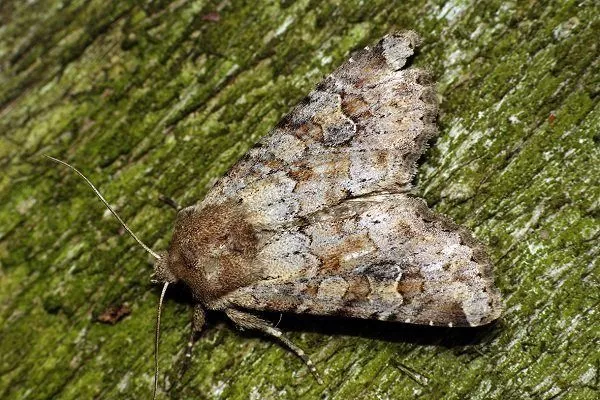
During the growing season, crops infested by the common cutworm can be sprayed with the systemic insecticide Clonrin, as well as the broad-spectrum insecticide Samurai Super.
Preventive measures:
- timely harvesting;
- destruction of plant residues;
- timely spraying of the area before sowing.
Oat cyst nematode
This is a dangerous pest that, when widespread, causes significant damage to cereal crops. During the cold season, nematodes remain in the soil at a depth of 10 to 40 cm. At this stage, they are cysts filled with eggs. In the spring, when the soil warms to 4°C (4°F), the eggs hatch into larvae, which emerge and settle on the young roots of cereal plants.
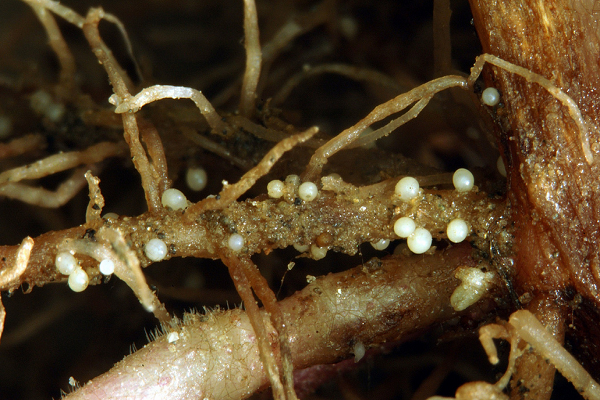
Symptoms of oat nematode infestation:
- dwarfism of plants;
- chlorotic leaves;
- absence of shoots;
- dark and too dense roots located in the upper layer of soil.
At the end of July and the beginning of August, white females and brown-colored cysts can be seen with the naked eye in the root system.
In cases of extensive nematode infestation in oats, nematicides are used to combat nematode infestations. These products poison the plant sap that the pests feed on, and therefore the parasites themselves. Nematodos is a very effective product.
To prevent the disease, it is recommended:
- plant calendula next to cereal crops;
- Thermally treat the soil before planting oats.
Striped grain flea
This pest doesn't attack oats very often, but it's difficult to rule out its attack on the crop. The cereal flea beetle causes damage to plants during the adult stage.
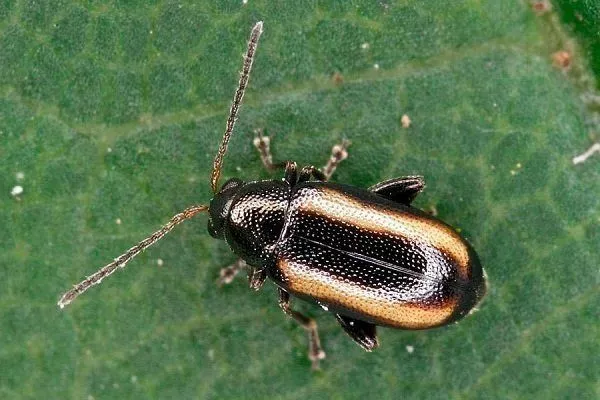
The adult insect is small (1.2 to 2 mm) in length. It is black, with a greenish or blue head with a metallic sheen, and yellow stripes on the elytra. Adult striped flea beetles chew the upper parts of leaves, and then the entire blade.
Symptoms of parasitism:
- yellow-gray color of crops;
- slowing down of the growth and development of culture.
Control methods for large-scale crop infestations involving the striped grain flea beetle include the use of organophosphorus (Fenitrothion, Fosalon) or organochlorine (Hexachlorane) preparations. Particular care should be taken in treating the marginal strips where the largest number of beetles are concentrated.
Prevention consists of carrying out the following measures:
- early sowing date;
- maintaining planting depth;
- timely application of fertilizers in sufficient quantities.
Hessian fly
The pest belongs to the order Diptera, family Gall midge. This two-winged insect resembles a mosquito. Its body length is 2.5-3.5 mm, and its color is reddish-brown. The Hessian fly is common wherever cereal crops are grown. Unlike many other pests, it causes the least damage to oats.
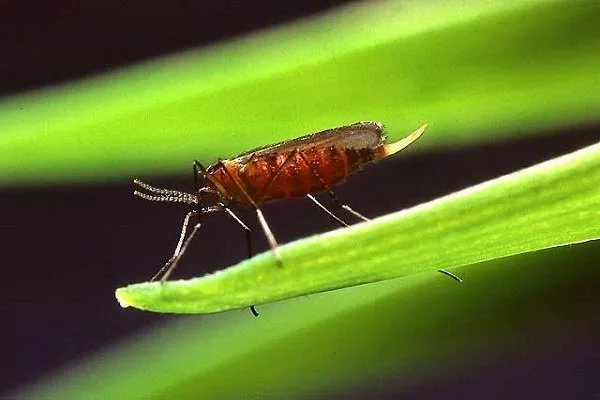
The best method of prevention is proper post-harvest soil preparation in the fall (stubble cultivation, deep plowing).
Cereal aphid
A type of proboscidean insect, this pest easily adapts to any conditions. Cereal aphids have piercing-sucking mouthparts, enabling them to suck out several times their own body weight in sap in a single day. About 30 generations of this pest develop during a single growing season.
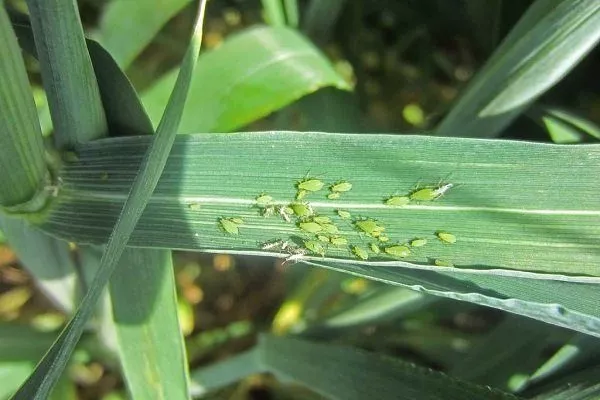
By sucking the sap from the above-ground parts of cereal crops, aphids degrade the quality of oat grains, causing them to become filmy. The parasite is especially harmful in low-humidity conditions.
The common cereal aphid is also dangerous because it acts as a carrier of the yellow dwarf and mosaic viruses.
Characteristic symptoms of crop damage:
- discoloration or redness of the areas attacked by the pest;
- drying of leaves;
- curling of the top sheet.
To combat this oat pest, it is recommended to use a chemical method – spraying crops with malathion or phosphamide.
Preventive measures for the development of cereal aphids:
- deep autumn plowing of the soil;
- early sowing of oats;
- application of mineral fertilizers in the required quantities;
- moderate use of nitrogen fertilizers, an excess of which can create conditions favorable for the development of pests.
Rye moth
This cereal pest is most commonly found in central Russia. Adults lay eggs in late summer on emerging winter crops. Larvae hatch from the eggs and consume the stem core. They remain there throughout the winter. The pest is yellowish-brown in color, with white hind wings.
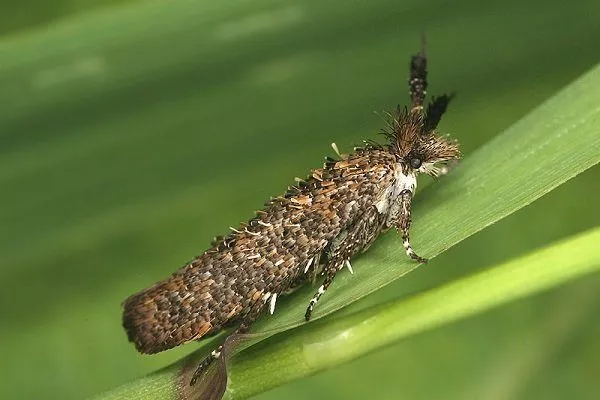
Symptoms of cereal damage:
- drying of panicles eaten by moths;
- acquisition of white color by panicles.
To control moths, insecticides are used that destroy all forms of the pest: eggs, larvae, and adults.
Red-breasted leech
A pest of grain crops from the leaf beetle family. Both larvae and adults of the red-breasted leaf beetle skeletonize the leaves of oats, as well as other cereals (wheat, corn, rye). The adult beetle has an elongated green-blue body and yellow-red legs. The larvae consume the pulp of oat leaves.
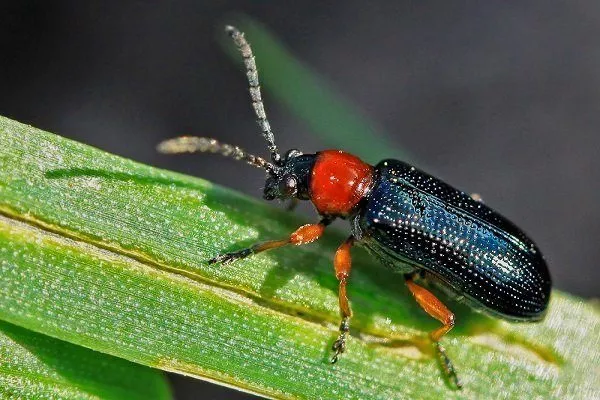
Symptoms of damage to cereal crops:
- deformed leaves;
- drying of leaves, which turn whitish;
- slowing down, and sometimes even complete cessation of plant development.
To combat the red-breasted leafhopper infestation, various pesticides are used to spray the crop during the growing season:
- Ditox;
- Clonrin;
- Ram.
Preventive measures:
- early sowing dates of crops;
- deep plowing of the soil after harvesting.
Bread sawfly
This pest is an insect of the order Hymenoptera. The adult insect has an elongated, shiny black body, reaching 5-10 mm in length. The larvae, which parasitize the stems, cause damage to cereal crops.
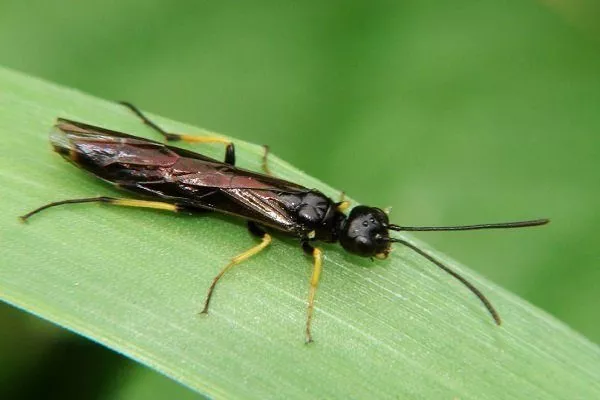
Symptoms of infestation with the grain sawfly:
- formation of empty spikelets;
- stem breakage and lodging;
- the ear of corn acquires a whitish tint.
Pesticides are used to spray affected crops during the growing season. The systemic and contact-intestinal insecticide Klonrin is effective against the grain sawfly.
Preventive measures include:
- deep autumn plowing of the soil after harvesting the previous crop;
- stubble cultivation;
- early stages of crop sowing.
Crusader beetle
A member of the order Coleoptera, a group of cereal beetles. Adults (adults) damage cereals. The crusader beetle has a medium body size (0.9-1.3 cm). Its color is black with a greenish tint. The elytra coloration varies and can be yellow-brown, brown, or black with yellow. The beetle feeds on oat grains.
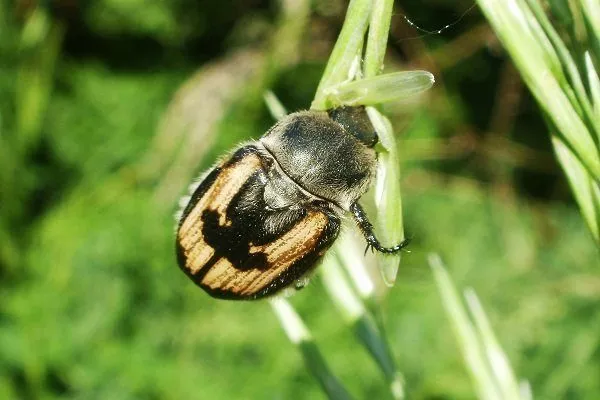
During the oat growing season, you can spray pests with the following chemical pesticides:
- Decis Profi;
- Borey Neo;
- Vantex.
The mechanical method of combating crusaders involves collecting beetles using low-mechanization equipment.
For prevention it is recommended:
- treat crops with insecticides in a timely manner;
- carry out stubble cultivation during autumn soil cultivation;
- carry out deep autumn plowing.
Yellow grain midge (wheat midge)
Belonging to the gall midge family, it resembles a mosquito in appearance. Its body length is 1.5-2 mm. Its color is bright yellow. This pest is especially common in the forest-steppe and steppe zones of European and Asian Russia.
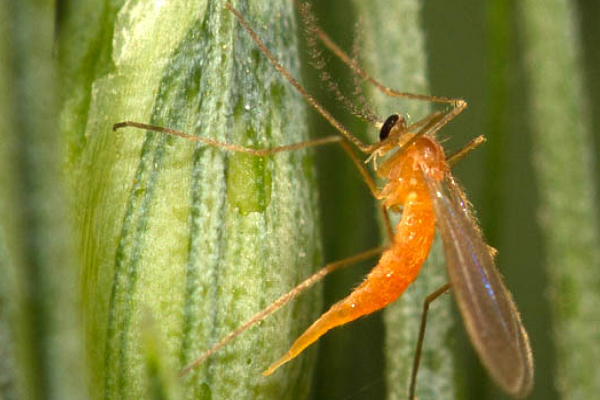
Adults lay eggs. The hatching larvae feed on the ovaries, causing damage to the crop. The effects of the yellow grain gall midge parasitism include reduced grain weight and barren flowers.
During the growing season, plants can be sprayed with Karate Zeon.
For prevention it is recommended:
- treat seedlings with insecticides at the imago flight stage;
- observe crop rotation rules;
- perform deep plowing of the soil after harvesting.
Numerous oat diseases and pests affect the quality and quantity of the harvest. Preventing their occurrence is much easier than managing their development, especially under unpredictable weather conditions. After harvesting, the field should be properly cultivated and the necessary preventative measures taken before planting a new crop.