
The "Queen of the Fields," like other agricultural crops, is not immune to pests and diseases. To choose effective methods and organize pest control, it's important to know which diseases and insects can attack corn.
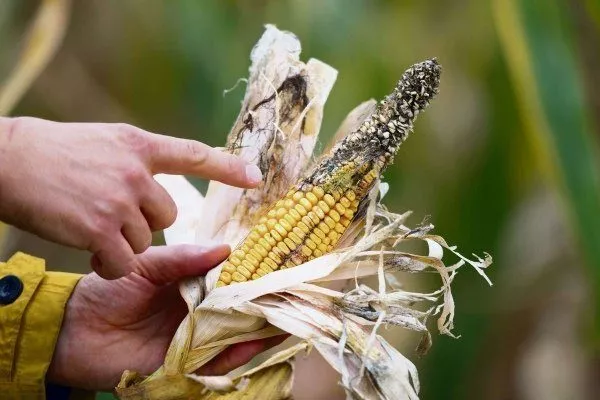
Corn diseases
The infection and development of various corn diseases has several causes:
- low quality seeds;
- little knowledge and experience in growing plants;
- lack of prevention and poor control of disease sources and pests.
All threats must be eliminated at an early stage, otherwise the chances of saving even half of the harvest are slim.
Diplodiasis
The disease is caused by the fungus Diplodia zeae Lev. The disease affects the entire plant. A white, cotton-like coating appears on the above-ground portion of the corn. These myceliums often cover the inner leaves of the cob.
- ✓ The presence of olive slime on the stem and leaves indicates Cladosporiosis, and not other fungal diseases.
- ✓ Black spots on grains and cob stalks are characteristic only of diplodia.
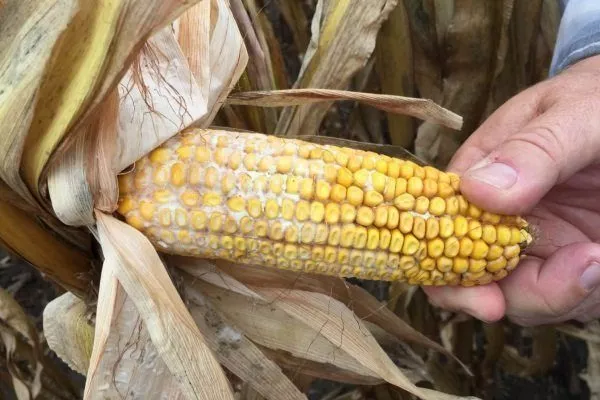
With this disease, the grains become brittle, acquire a light brown color, and black spots predominate on them and on the cob stalks.
When the disease is advanced, plant stems become brittle and crack. Brown spots are visible in the leaf cavities, which, in damp weather, exude an olive-colored mucus containing fungal spores.
The fungal disease spreads in warm, humid weather, so this period occurs at the end of the vegetative phase of cob development – at the end of August and the beginning of September.
The primary source of infection for this fungal disease is seeds. When planted, most of them rot in the soil, and on the few seedlings that emerge, the fungus matures and actively spreads. Affected corn is unsuitable for storage and use.
Methods of combating diplodia boil down to the following measures:
- Select and use healthy seed material.
- Before sowing, treat the material with fungicide solutions.
- Apply spring fertilizers according to the schedule.
- Meet the corn harvest deadlines and dry the cobs to 16% moisture content.
- After harvesting, clear the area of any remaining corn residue and plow the soil.
- Practice crop rotation.
Helminthosporium leaf spot
The causative agent is Bipolaris turcica Shoem. The disease spreads from the lower leaves of corn plants, eventually infecting the entire plant. The leaves dry out, and if the root is infected, which is less common, the entire plant wilts.
The disease becomes active in July and August. Brown spots with dark edges appear on corn, and as they dry, the center of the spot lightens.
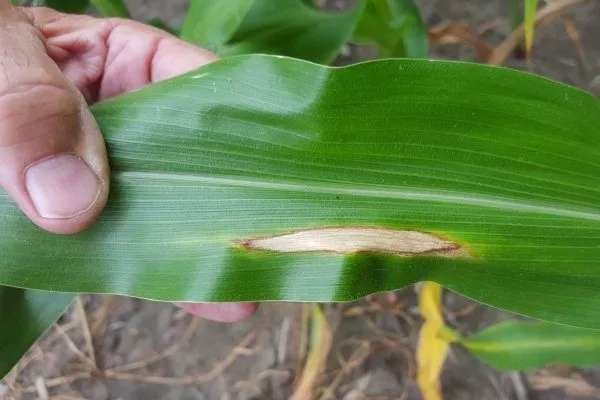
As the disease progresses, the spots coalesce, covering the entire leaf surface. The source of the disease is plant debris after harvest.
Preventive measures are the same as for all fungal diseases:
- crop rotation;
- seed quality;
- fertilizing with phosphorus-potassium fertilizers;
- compliance with sowing dates;
- deep autumn plowing of the land after harvesting.
Cladosporiosis
The disease is caused by a fungus of the genus Cladosporium Link. It is commonly known as "olive rot" due to the color of its mycelium.
Infection most often affects the upper parts of the cobs. The disease is caused by contaminated planting material. The fungus is active at temperatures above 12°C.
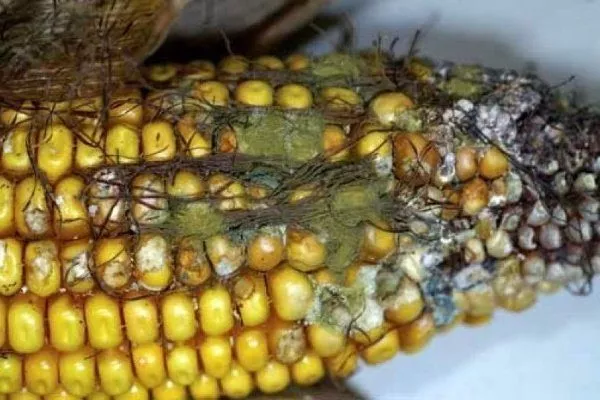
Control methods include burning the remaining corn plant material, deep plowing, and a responsible approach to seed selection and planting.
Wilt
The causative agent, Bacterium stewarti, attacks the plant's vascular system, destroying parenchyma tissue. The bacteria spread through the vessels, clogging them with mucus and poisoning them with toxins. They can penetrate cobs and seed tissue, causing them to wrinkle. Both the entire cob and part of it are susceptible to infection. Sweet corn is most susceptible to wilt.
If yellow stripes appear on the leaves of corn, this is a clear sign of wilt.
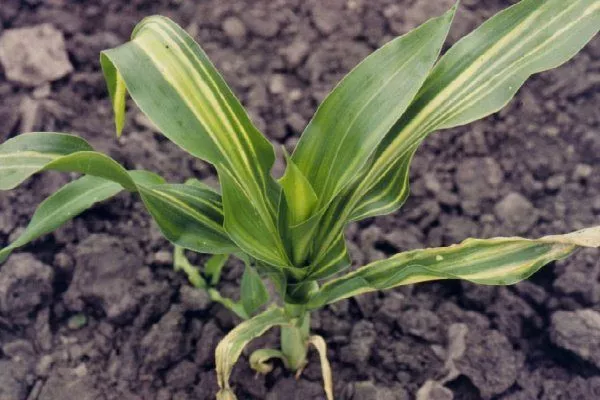
If wilt is detected on young corn plants, before the corn emerges, they should be mown and used for silage. The remaining plants should be burned and the soil plowed. Crop rotation should be followed, and only healthy seed should be used.
Corn head smut
The disease is caused by the fungus Ustiliago tritici, which spreads in hot weather. It's impossible not to notice the black mold on the cobs and panicles. The fungus destroys them, although the mature kernel remains may be indistinguishable from healthy ones.
When touched, the mold causes black dust to fly off, scattering fungal spores. It is partially washed away by rain and irrigation. When infected, corn becomes bushy, stunted, and the cob fails to mature, turning black and drying out.
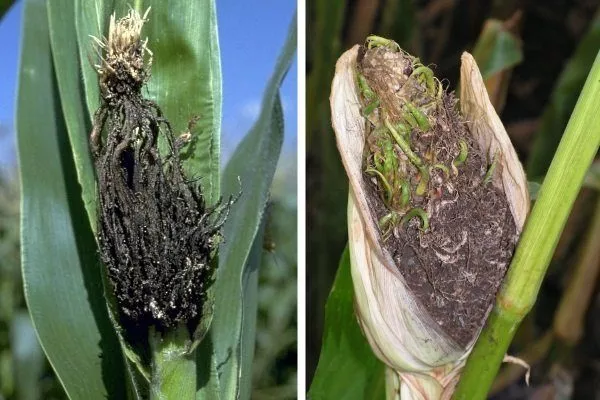
The disease is incurable; plants are destroyed by burning or burying them deeper than 0.5 m. The location where corn is grown next year should be changed.
Bladder smut
The causative agent is the fungus Ustilago zeae. Blister smut affects all above-ground parts of the plant. Pink or green mold appears on the plant, which grows over time, increasing in size and turning gray. As the areoles mature, they burst, and spores spread across the area, infecting increasingly larger plantations.
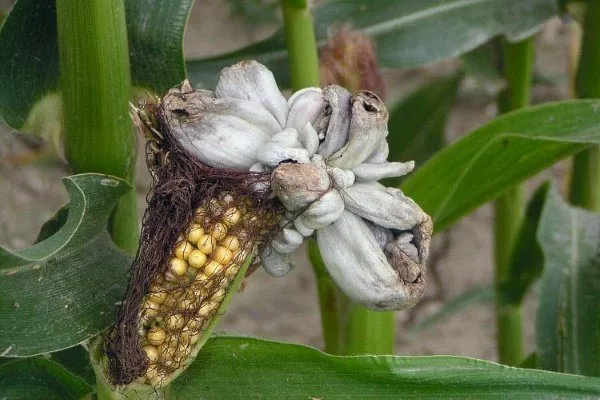
This fungus thrives in dry, hot climates, so crops sown late are more susceptible to the disease. Corn yields can be reduced by up to 50% when infected with smut.
For prevention, seeds are treated with potassium permanganate or special preparations. For example, "Ditox" has a broad spectrum of action and is not washed away by watering or rain within an hour after spraying. The application of complex fertilizers is also essential for the nutrition of this crop.
Choose corn varieties and their hybrids that have strong immunity to diseases, and practice crop rotation.
Fusarium
The disease is caused by the imperfect fungus Fusarium, which develops on corn at any stage of growth. It is visually identified by the presence of swollen, irregular lesions on the plant stem, under which the fungus develops.
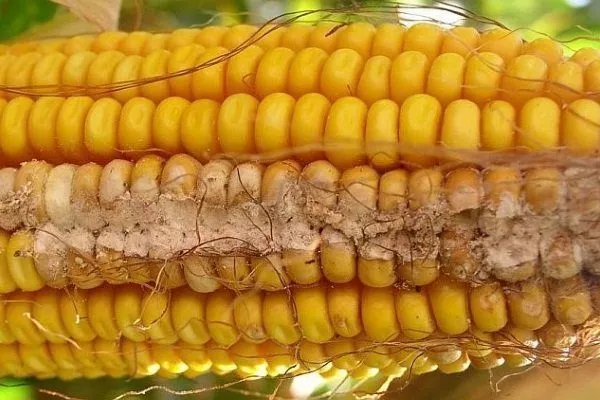
When infected seeds are planted, they are covered with a layer of white-pink plaque, resulting in poor germination, and the emerging corn is weak and slow-growing. Stem and root rot begins when the corn cobs reach the milky stage. The plant's leaves dry out, and the cobs gradually turn black.
Fusarium is active in cold weather with high humidity or in drought at temperatures around 30°C.
Remove diseased plants as soon as possible by uprooting and burning them. Autumn tillage and seed treatment before planting are essential.
Stem rot
A fungal disease that causes corn leaves to turn gray-green. As the fungus progresses, the plant becomes covered with a pinkish bloom. Under its influence, the leaves dry out and fall off, and the stem rots, becoming soft and breaking.
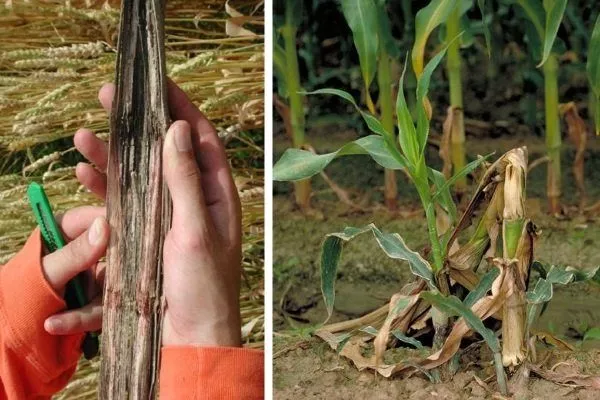
The fungus thrives in hot, dry weather. It thrives in poorly managed watering and dense plantings. It persists in the plant tissue of corn after the ears are harvested.
Preventative measures include following planting techniques and timing, and treating seeds with fungicidal solutions. After harvesting, the area should be cleared of corn residue and dug over.
Corn pests
In addition to fungal and bacterial diseases, a high corn yield is threatened by various pests. These damage the above-ground portion of the plant and its root system. Another danger is the spread of fungal diseases by pests. Therefore, this problem requires urgent and effective solutions.
Root aphid
It spreads in hot, dry weather. It is a very small, translucent-white insect. It tolerates low winter temperatures well.
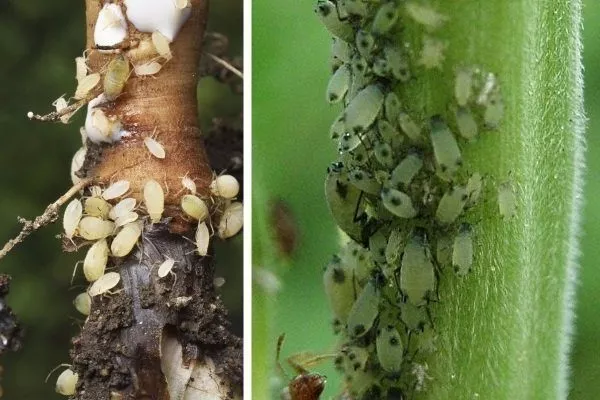
When corn is attacked by root aphids, their development is stunted, and the leaves turn yellow and dry out. Root aphids are carriers of fungal diseases. Therefore, if they are detected, the plants should be treated with fungicides.
If pests are present in large numbers, the fungal disease is active. Destroying the corn and then cultivating the soil are recommended.
Weed control is an important measure in root aphid control. Only use insecticide-treated seeds for sowing. These include Aktara, Mospilan, Dantop, and others.
Wireworm
Wireworm larvae resemble orange-brown worms, shiny and smooth. They live in the soil, burrowing into the plant and feeding on its sap. Corn dries out due to a lack of nutrients. The insects become active during drought.
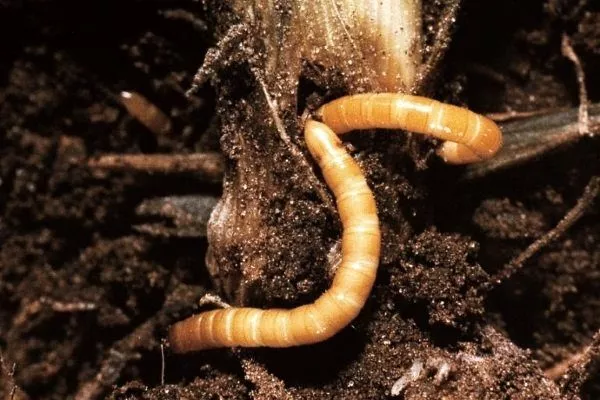
Wireworm prefers damp and acidic soils with thickets of creeping wheatgrass and burdock.
To combat this pest, a luring method is used. Potato peelings, straw, and hay are placed in small holes and covered with a board. Once the wireworms have gathered in the trap, the trap is collected and burned. This procedure is repeated several times.
When digging, the larvae come to the surface of the soil, where they die at the first frost. Crop rotation will mean that when the corn is replaced by plants the wireworms dislike (mustard, buckwheat, legumes, etc.), most of the wireworms will starve.
If these measures fail to eradicate the pest, chemicals are used. These must be used strictly according to the instructions, as many of these products are toxic and unsafe for humans and the environment.
Preventative measures include weeding, watering the corn, treating the seeds, and applying fertilizers to stimulate plant growth and reduce soil acidity.
Stem moth
It's not the adult moth that poses a threat to the plant, but its caterpillar, which is yellow-green and reaches a length of 25 mm. It appears in dry weather with high temperatures.
The caterpillars destroy young leaves and then damage the cobs and pistils, resulting in slower growth and reduced yields. These caterpillars are collected by hand, or the corn is treated with special solutions (Decis, Stefesin). This treatment kills the insects, but the harmful substances do not accumulate inside the plant.
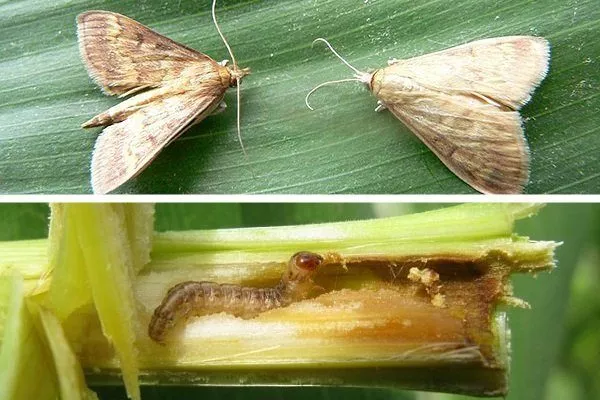
The difficulty in controlling the common stem borer is that the caterpillars live in the ears of corn and inside the stems. Therefore, several products are often used in combination, such as Actellic 50EC and Karate Zeon 050CS. The insects die from contact with the insecticide and from inhaling its vapors.
If one treatment is not enough and the presence of caterpillars has only decreased, it is recommended to carry out another procedure.
Swedish fly
The larvae of the Swedish corn fly are dangerous to corn. They are worm-like insects, white and yellow in color, up to 0.5 cm long. They tolerate wet and cold weather well. They feed on the plant during germination.
The perforated leaves turn dark green as the plant attempts to heal itself and devotes all its energy to the damage. Summer generations feed on the tissue of the milky cobs, causing irreparable damage to the crop. The damage affects the development of the corn, and yields drop by 40-50%.
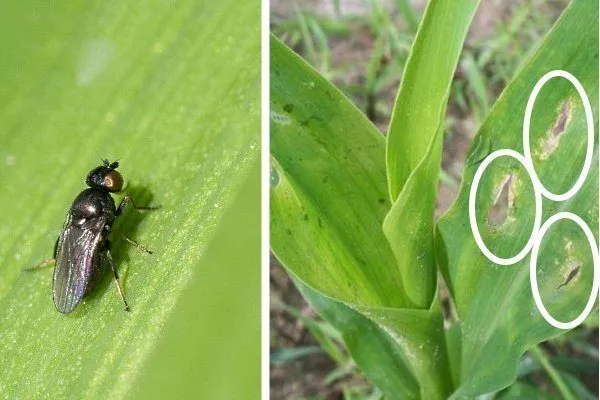
To prevent attacks by the Swedish fly, it is recommended:
- seed treatment before planting;
- on early shoots, treatment with the preparations "Cyperon", "Sumi-alpha";
- application of spring fertilizers to stimulate active growth of corn;
- loosening, watering.
Most fungal diseases of corn are untreatable, and the pests, in addition to causing damage, spread dangerous spores. Therefore, preventative measures are fundamental to growing the crop and achieving abundant, healthy corn harvests. Knowledge of plant care and soil preparation before planting and after harvest should not be neglected.