
Victoria corn is one of the tastiest varieties—sweet corn. It's perfect for eating, cooks quickly, and has excellent flavor. Growing this corn doesn't require any special knowledge or effort; even a novice gardener can handle it.
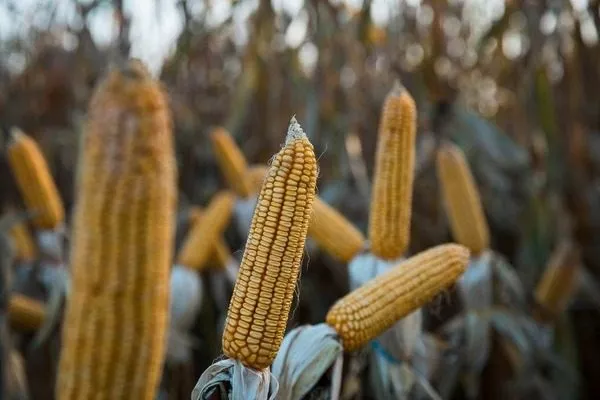
Who bred Victoria corn?
The Victoria variety was developed by domestic breeders. The originator of this corn is AGROFIRMA POISK LLC (Vereya village, Ramensky District, Moscow Region).
Description of the plant and cobs
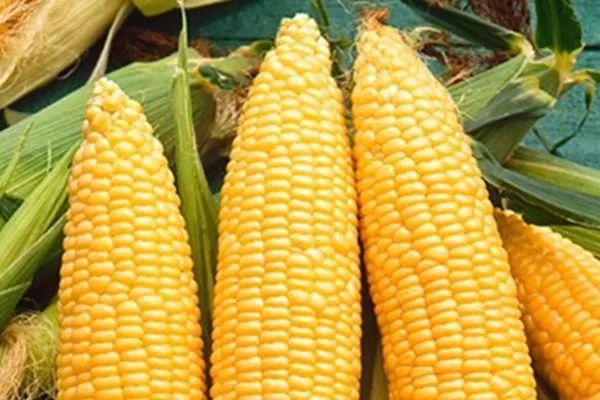
The plant grows to a height of approximately 2 m. The ears are 15-20 cm long and slightly conical in shape. Each ear weighs between 170 and 210 g. The kernels are large and delicate in texture. Each ear contains 12 rows of kernels, the upper part of which is yellowish-white and the lower part yellow.
Taste and application
This sweet corn has a very pleasant, slightly sweet flavor. It's ideal for boiled consumption. This variety can also be canned and frozen.
The tender and slightly sweet grains are the perfect complement to first and second courses and appetizers. Rich in fiber, potassium, and vitamin C, Victoria corn is not only delicious but also healthy.
Productivity and ripening time
Victoria corn is an early-ripening variety, with approximately 75-80 days from germination to harvesting the first cobs. This variety is suitable for growing in open ground and under plastic. The yield in commercial cultivation is 0.5-0.6 tons/ha. In a home garden, the approximate yield of corn (cobs) is 1.6 kg/sq. m.
Pros and cons
Before planting, familiarize yourself with all the advantages and disadvantages of Victoria corn. This will help you determine whether this variety is suitable for growing in your specific conditions (climate, garden plot, etc.).
Pros:
No particular disadvantages have been found in Victoria corn.
Sowing dates

Plant seeds in the soil as the soil warms. Suitable temperatures for planting are between 10°C and 12°C. Sowing times vary depending on the growing region, local climate, and current weather conditions.
In the south, sowing can begin in early April, in the central regions in May, and in Siberia and the Urals, this crop is grown exclusively from seedlings. Seedlings are sown in May, and the seedlings are transplanted into the ground in June.
Site requirements
The Victoria variety can grow in both full sun and partial shade. However, to achieve good yields, it requires as much light as possible. Avoid planting corn in drafts or areas exposed to strong winds.
Soils must be fertile and well-drained. Corn grows best in chernozem and dark gray loams, river floodplain soils, and sandy and sandy loam soils, but only if they are well-fertilized. The crop does not grow well in acidic, heavy, or saline soils.
Seed preparation
Planting dry seeds is not recommended, as it will take too long for the seedlings to emerge. The seeds are sorted, and then the selected seeds are warmed for 3-5 days by spreading them out in the sun or another warm place.
Corn seeds are immersed in a solution of pink potassium permanganate (Fitosporin, Skor, or another fungicide). To improve germination, corn seeds are soaked in a growth stimulant solution (Epin, Zircon, etc.).
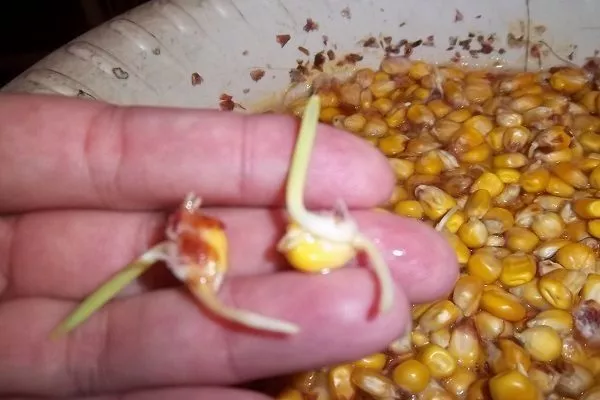
Treated seeds are sown directly into soil or seedling cups. However, you can speed up their germination by first germinating them in damp cotton pads or paper towels.
Features of sowing in the ground
The seedling method is too complex and labor-intensive, so in areas with long summers and early springs, it's rarely used. Corn is more conveniently grown by conventional seeding.
Features of planting corn with seeds:
- The beds for planting are prepared in the fall. The soil is dug over, adding organic matter (compost, humus, etc.) and mineral fertilizers.
- As soon as the threat of frost has passed, dig holes in the beds. The optimal depth is 7 cm. Add 0.5 liters of water and wait for it to soak in. Place 2-3 corn seeds per hole. Cover them with soil and then water again. Use warm, settled water.
- It is recommended to cover the crops with plastic film. This is removed after the seedlings emerge.
When seedlings emerge, select the strongest and healthiest of the 2-3 sprouts. Carefully remove the rest.
Growing from seedlings
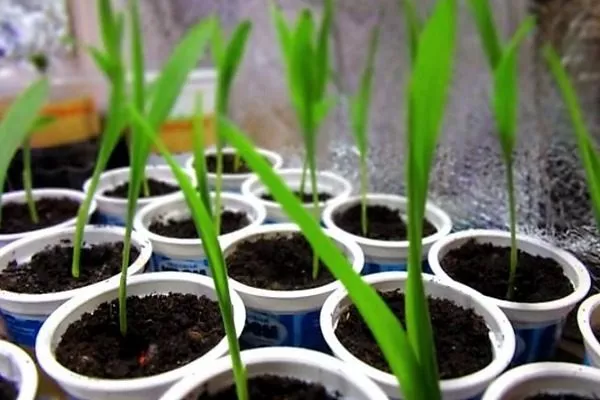
Growing from seedlings requires more effort from gardeners than from seeds, but in some regions, it's the only way to grow large, well-ripened corn. While in temperate climates, seedlings produce early harvests, in Siberia and the Urals, for example, they're the only option for producing mature ears.
Features of growing seedlings:
- The seedlings are planted in a nutrient substrate prepared from compost, high-moor peat, wood ash and river sand, mixed in proportions (2:1:1:1).
- Fill the planting containers with soil to a depth of 1-2 cm. Plant the seeds 2-3 cm deep. Water them with warm, settled water. Place the seedlings in a well-lit, warm location.
Seedlings emerge in about a week. They are watered regularly, as the soil dries out. The seedlings are transplanted to the ground when they have developed 2-3 true leaves. The recommended planting pattern is 0.5 x 1 m.
Proper care
The size, quantity, and even taste of the cobs depend largely on care. Corn requires water, nutrition, protection from diseases and pests, loosening, and weeding.
Care features:
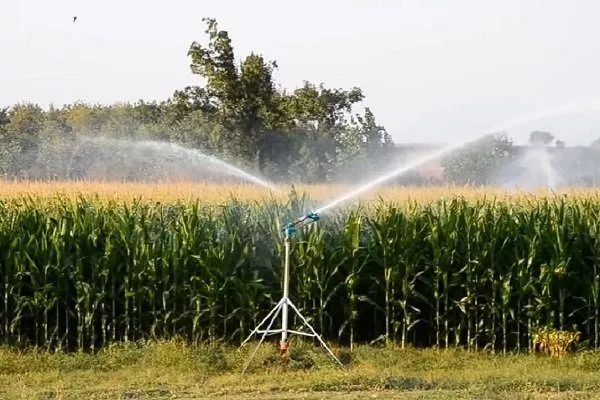
- Water the corn at the roots, preferably in the evening. Moistening is especially important during the periods of seedling emergence, panicle ejection, cob formation, and kernel filling (2-3 weeks after flowering).
- The spaces between the rows are regularly loosened and weeded. It's important to do this carefully to avoid damaging the seedlings or transplants. Once the plants reach a height of 0.5 m, hilling is done to provide additional stability for the corn.
- Once cobs begin to form on the stems, side shoots (or side shoots) are removed to prevent the plant from wasting energy on their growth.
- For better pollination, gently shaking the panicles is recommended. This should be done in the morning during calm and dry weather.
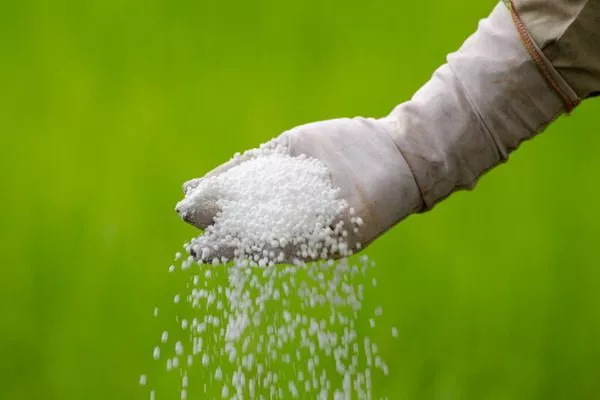
- The first fertilizer application occurs when 2-4 true leaves have formed. Nitrogen-containing compounds are used, such as a diluted mullein infusion (1:10) or bird droppings (1:20). Ammonium nitrate or urea are also suitable. Two weeks before flowering, feed the corn with wood ash or monopotassium phosphate.
Pest and disease control
Under unfavorable growing conditions (high humidity, extreme heat, etc.) and poor agricultural practices, corn can be affected by blister smut, root and stem rot, fusarium wilt, and gray mold. To prevent these problems, seeds are disinfected before planting. If signs of disease do appear, fungicides are used.
Harvesting and storage of crops
When the cobs have reached the desired length and the silks have turned brown, the harvest is ready. The first to ripen are those at the bottom of the stalk. Corn at the milky stage of ripeness is best for eating; it's tender, juicy, and delicious. Fully ripened cobs are suitable for drying, and both types are suitable for freezing.
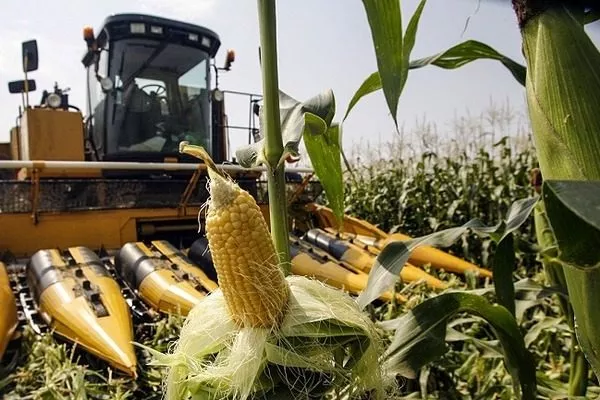
Store the cobs and kernels in a dry, well-ventilated area. Humidity should not exceed 15%. Dry the corn first, and remove the husks. Store the kernels in cardboard boxes, containers, or fabric bags. If stored properly, the harvest can be stored for up to two years.
Reviews
Victoria corn is a promising sweet corn variety worthy of the attention of our gardeners and summer residents. It meets all the requirements for corn grown for food, canning, and freezing.