
Corn with the interesting name Triple Sweet is a variety, not a hybrid, with an early harvest period. It boasts increased sweetness, resistance to various temperature fluctuations, and good fertility. However, it is susceptible to cross-pollination, which disrupts the genetics, resulting in cobs that don't meet the stated standards.
Breeding history
The variety's origin is unknown—it's not listed in official sources. Some claim that Triple Sweet was developed by scientists from the Siberian Garden.
What is the variety?
Among the wide variety of corn varieties, Triple Sweet stands out and is highly sought after by gardeners. To successfully grow this variety, it's important to understand all the nuances of its cultivation.
Characteristics of external indicators
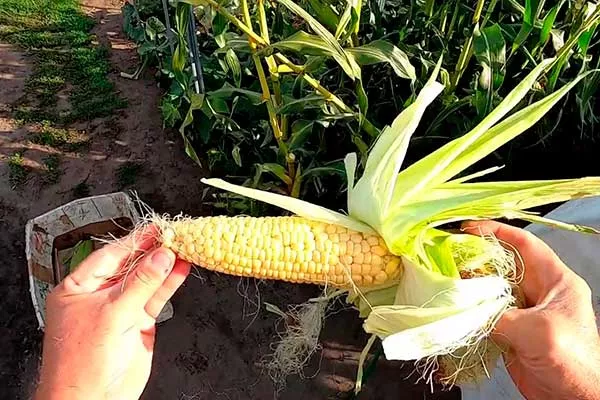
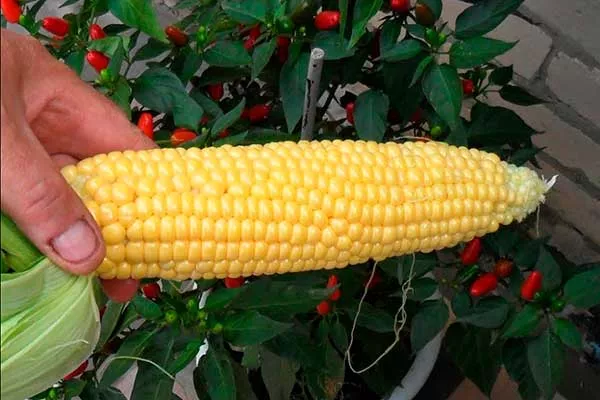
The bushes are tall, reaching 200 cm and sometimes more in height. However, the cobs are of average size. Other varietal characteristics:
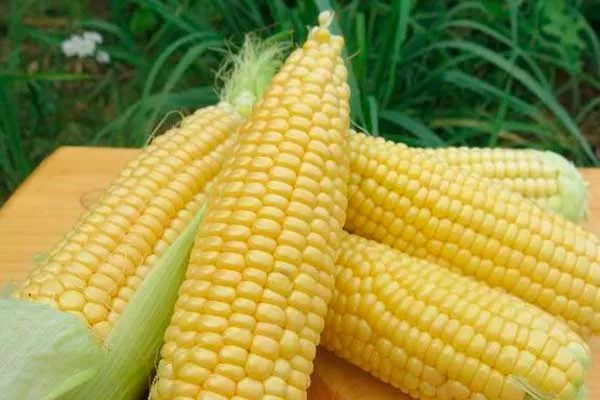
- the grains have a classic yellow hue and are large in size;
- the weight of the cobs is about 190-210 g with a length of 17-20 cm;
- the grain pulp is tender and juicy;
- The skin is famous for its thinness, so it is almost not felt when eaten.
Purpose and taste characteristics
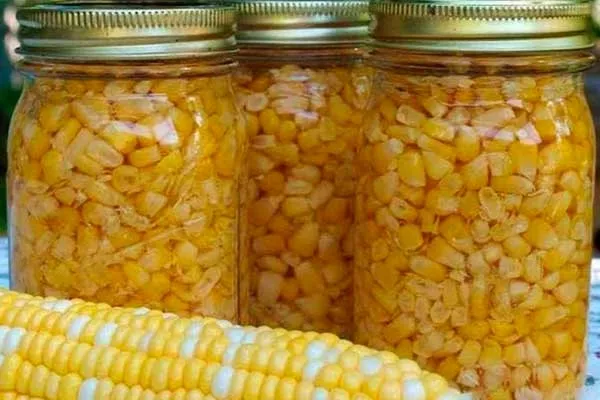
This variety's flavor is distinguished by its sweetness, which is preserved when preserved and cooked. It is most often used for canning and freezing, as well as for home cooking. It is rarely eaten fresh.
When ripe, the yield
Triple Sweetness is distinguished by its early maturity; the growth period from the first green shoots to fully mature tubers is only 100-105 days.
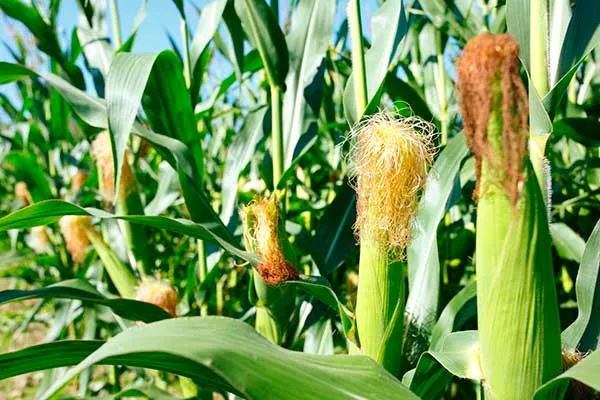
This variety is known for its high yields. However, beyond the generally accepted claims of its productivity, there is no official confirmation. Gardeners often complain of only one bud reaching maturity on each bush.
Regionality of cultivation
This variety is ideally suited for cultivation in southern climate zones, but in the central zone it is also capable of producing mature tubers, even if sown directly into the ground in late May or early June, thanks to its rapid maturity and ability to withstand low temperatures.
Agricultural technology of the variety
From April to June, corn is sown directly into the soil. In temperate climates where the weather can change dramatically, it's necessary to protect young plants with plastic film or other covering material, especially on cold nights.

- ✓ The soil must be warmed to at least 10°C at the planting depth.
- ✓ The distance between plants should be at least 50 cm to ensure sufficient space for growth.
In case of severe frost, it's best to sow seedlings and then transplant them into open ground. Corn tolerates both transshipment and fairly rough transplanting well.
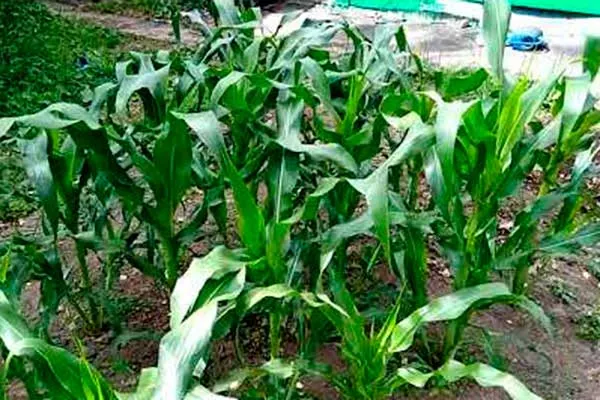
Cultivation features:
- The seeds are placed in the ground to a depth of 4-7 cm.
- To ensure a high yield, it's important to carefully monitor the distance between plants and rows. A suitable distance for the former is 50-55 cm, for the latter – 70-75 cm.
- Sunny areas protected from cold winds are suitable for cultivation.
- The soil mixture should be light, allow water and air to pass through well, and be rich in organic matter and minerals.
- When the corn sprouts begin to develop rapidly, their upper roots will become visible. At this point, the corn plantings should be dried, similar to the process of drying potatoes.
- After drying, corn may develop shoots on the sides. These are young shoots, similar to those on tomatoes. They should be removed, as they don't produce seeds and drain the plant of energy needed for its development.
Moisturizing, fertilizing
Corn is highly drought-tolerant, but this doesn't mean it can go the entire growing season without water. During severe drought, irrigate deeply about once every 8-10 days.
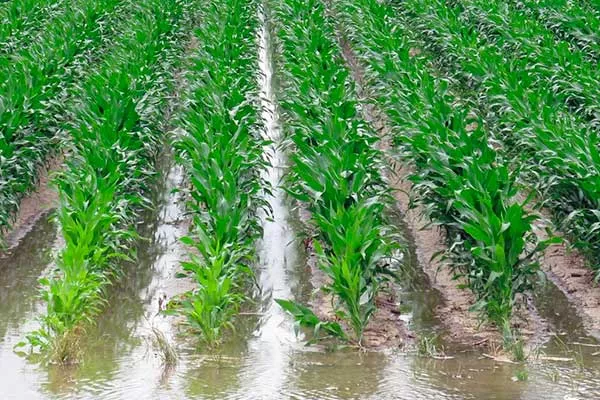
This plant has a significant amount of green mass, which leads to high water evaporation. Therefore, to compensate for the lack of moisture, it is recommended to water the plant.
As for fertilizers, they do not need to be applied only during the corn growth period (if the soil has already been enriched with all the necessary substances in accordance with established standards before planting).
Diseases and pests
Triple Sweet is highly resistant to various viruses and diseases, but preventative measures are recommended to maximize yield. Unfavorable factors can make corn susceptible to rot, rust, and smut.
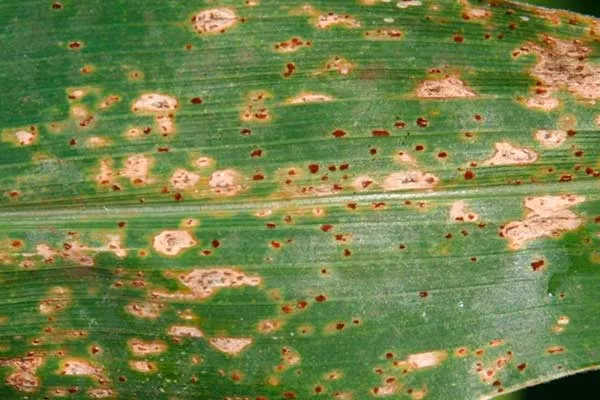
To prevent these pathologies, before sowing, seeds are subjected to a special treatment, which includes treatment with a solution of manganese.
The most common pests of corn include corn aphids, wireworms, fritillary flies, and grain aphids. These pests should be controlled with systemic insecticides.
Advantages and disadvantages
This corn variety possesses a number of unique characteristics. Key advantages include:
No particular disadvantages have been identified for this variety.
Reviews
Triple Sweet corn is considered the queen of garden crops for its ease of care, rapid adaptability to various weather conditions, and impressive yields. This variety is characterized by its exceptionally sweet and juicy kernels.