
Creamy Nectar F1 corn is a super-sweet hybrid variety with excellent flavor. Experts, tasters, and even corn lovers claim this corn is so delicious and tender that it can be eaten raw.
Description of the variety
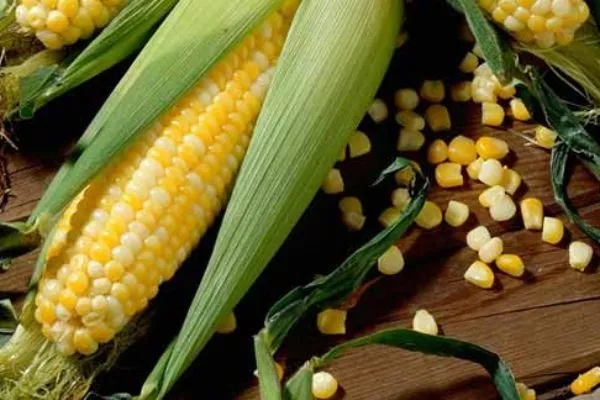
Creamy Nectar corn is a product of the Russian Garden company, which specializes in developing exclusive varieties and hybrids. The plant grows to a height of 1.5-2 meters. It has a strong, upright stem with abundant foliage.
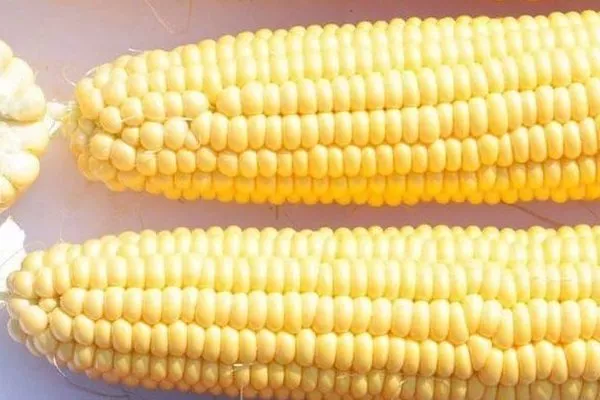
The cobs reach a length of 18-20 cm. Each ear weighs 220-300 g. The cobs are located at the top of the stem. They are cylindrical in shape and covered with tough, yellow sheath-like leaves. The kernels are juicy, bright yellow, and have a delicate texture.
Characteristics
Creamy Nectar corn is an early-ripening variety. It takes approximately 85-90 days from germination to the first cobs. The kernels have a sweet, very pleasant flavor.
Planting diagram
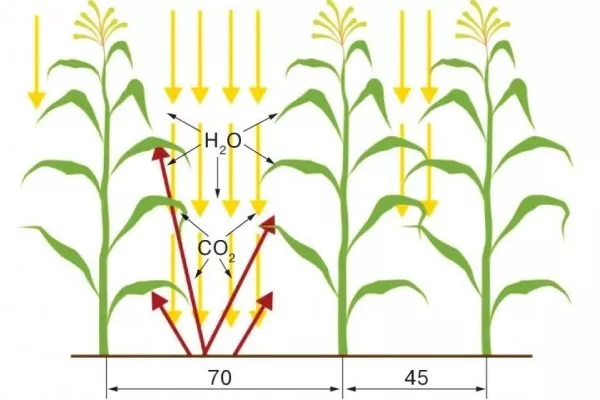
This variety is intended for outdoor cultivation. Optimal planting patterns for this variety are 50x70 cm or 30x35 cm. The recommended planting depth is approximately 7 cm. The denser and heavier the soil, the shallower the planting depth.
Sowing time depends on climate conditions. Choose an open, sunny site. In temperate climates, sowing begins in mid-May; in the south, sowing begins a few weeks earlier. Corn is a heat-loving plant, and Creamy Nectar is no exception; plants die at temperatures down to -2°C to -4°C. The optimal temperature range for corn growth is considered to be +15°C to +24°C.
Selecting soil
The variety grows best in light and medium loamy soils, sandy loams, and sandy soils. Sod-podzolic soils with a high humus content are also suitable. Heavy, sandy, and poorly cultivated soils are absolutely unsuitable for growing corn.
Neighborhood and predecessors
Corn is recommended for planting next to beans, cucumbers, pumpkins, and tomatoes. The plants' broad leaves shade the soil, prevent weeds, and prevent moisture evaporation. It's best to plant corn next to watermelons, melons, potatoes, and green manure.
Don't plant the same crop in the same spot year after year; rotate the planting location. After corn, it's recommended to grow dill, basil, sage, beets, or zucchini in the garden.
Growing seedlings
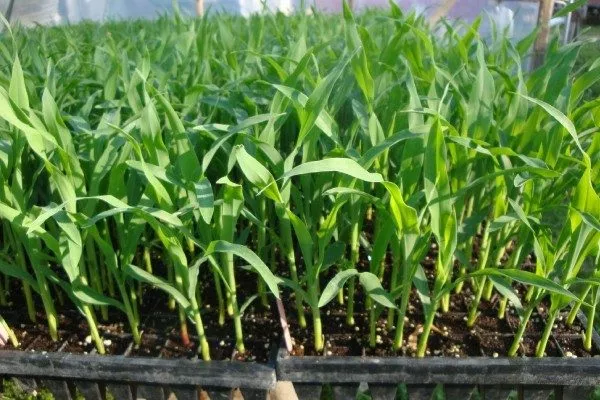
In regions with short summers and long springs, it is recommended to grow corn using seedlings, otherwise they may not ripen. Seeds for seedlings are sown in late April. Corn seedlings are grown using standard technology: seedlings are grown in trays or cups filled with substrate for a month.
- ✓ The substrate should be light, breathable, with a neutral or slightly acidic pH (6.0-6.5).
- ✓ The presence of perlite or vermiculite is mandatory to improve drainage and aeration.
For transplanting into the ground, you need strong seedlings with a well-developed root system. Over-exposure of seedlings is unacceptable. They should be planted no later than the third true leaf stage. The seedlings should be planted at a depth slightly greater than that at which they were grown in the cups. Carefully transfer the seedlings to the planting holes, water them, and lightly earth up the soil.
Care Features
The variety is responsive to care, and not only the quantity but also the quality of the harvest largely depends on it.
How to care for corn:
- Water as needed. It should be moderate, and stagnant water should be avoided. Watering is especially important during the flowering period; without sufficient water, the seeds will lose their juiciness.
- After each watering, the soil in the rows is loosened. Weeding is carried out simultaneously with loosening. About three loosenings are carried out during the growing season. The final loosening should be shallow to avoid damaging adventitious roots.
- During the season, corn is hilled twice to stimulate the growth of lateral roots, which strengthen the stem and prevent lodging.
- It is recommended to remove side shoots, as they negatively affect the growth of the plant and the maturation of the cobs.
Pest and disease control
Diseases and pests negatively impact crop yields; many infections and insects spoil the cobs, making them unsuitable for eating and selling on the market.
The Creamy Nectar variety has a strong immune system, but in the event of widespread disease and adverse factors (poor agricultural practices, bad weather, etc.), it can be affected by various infections.
The most dangerous for corn Creamy nectar:
- Fusarium. It causes a pink bloom on the cobs, darkening, and destruction of the kernels. The disease is incurable, but it can be prevented by treating the seeds with fungicides.
- Nigrosporosis. It manifests itself as damage to the ears at the initial stage of their development. Affected specimens are underdeveloped, with a loose, grayish rachis. Treatment is difficult; seed treatment is recommended.
- Stem rot. It causes spots on stems and internodes. The plant rots and dies. There is no cure for the disease; only pre-sowing seed treatment can prevent it.
- Rust. It is accompanied by the appearance of light spots on the leaves, which then turn yellow and dry out, eventually affecting the entire plant. There is no cure for this disease; prevention is necessary.
- Dusty smut. It causes damage to cobs and inflorescences. It can deprive farmers of 50% of their harvest. As in previous cases, only prevention is effective.
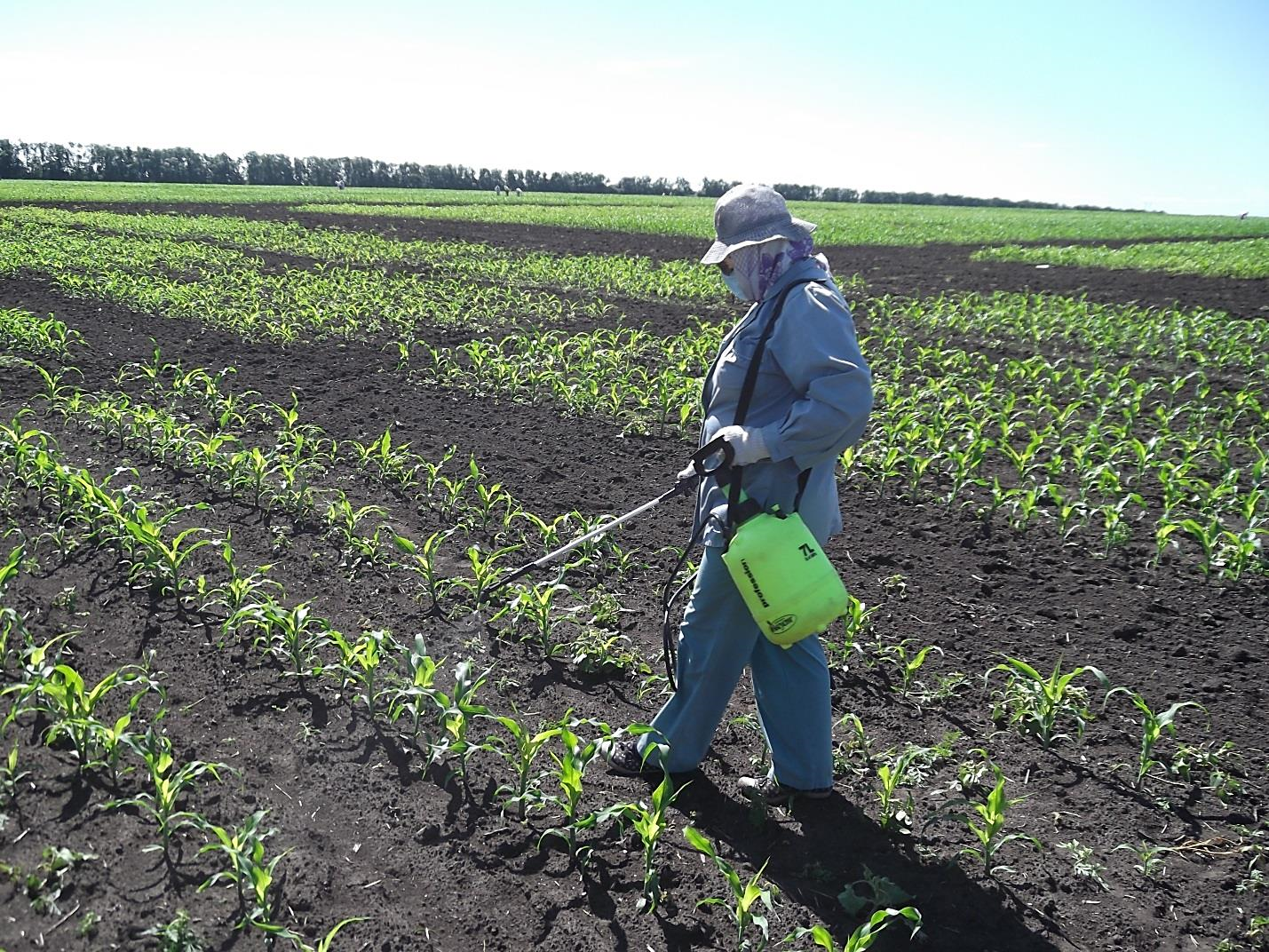
The most dangerous insects for the Creamy Nectar variety include the frit fly, cutworms, meadow and stem borers, and wireworms. If these are found on plants or cobs, immediately treat with Barguzin or other insecticides.
How to harvest properly?
If the cobs are harvested for food or canning, they are picked at the milky stage of ripeness, when the kernels are still juicy and soft. When technical ripeness occurs, the kernels harden, making them suitable for drying and freezing.
Ripe corn can be stored in the refrigerator for up to half a month, but it must be periodically aired to prevent rot from developing on the cobs due to high humidity.
Reviews
Creamy Nectar corn will appeal to both home gardeners and large and small commercial farmers. This variety boasts excellent flavor, is easy to maintain, and produces high yields—everything farmers value in corn today.