
ROSS 199 MV corn is a complex first-generation hybrid and a popular forage variety. A true veteran among hybrid corn, it is beloved in Russia for its productivity, lodging resistance, and cold tolerance.
Who developed ROSS 199 MV corn?
The ROSS 199 MV hybrid was developed in 1997 at the P.P. Lukyanenko National Grain Center. The variety's creators were M. T. Frankovskaya, M. V. Chumak, A. A. Normov, and others.
Description of the variety
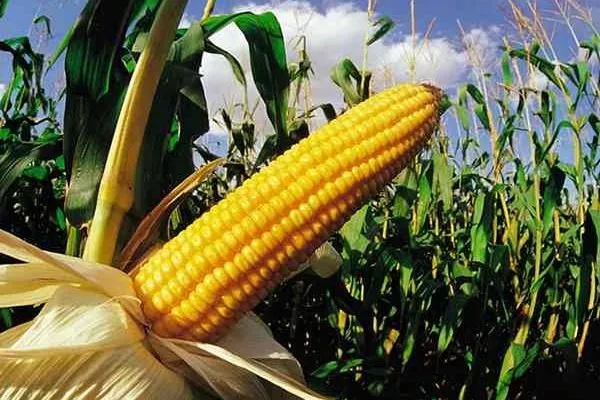
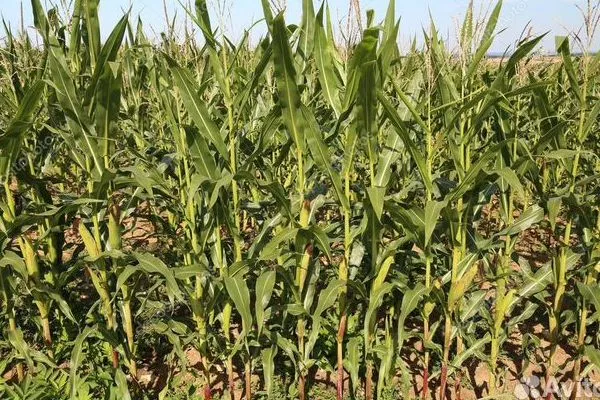
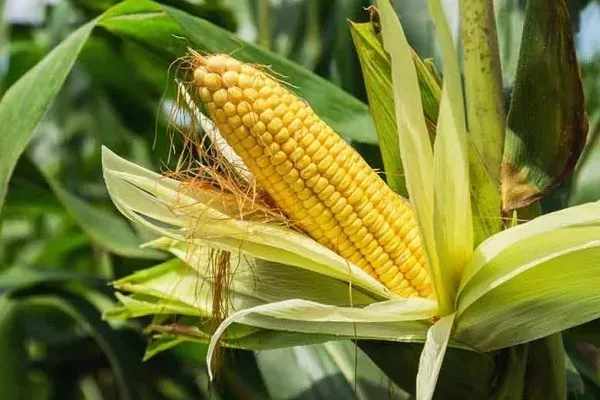
The plant height is 230-240 cm. The first ear is formed at a height of 80-90 cm. The grains are yellow, flint-dentate. The ears are conical, with a reddish rachis.
Characteristics
The double interline hybrid ROSS 199 MV is an early-ripening variety of the grain forage group. Its growing season is 96-97 days. It is suitable for universal use.
The hybrid's yield depends largely on cultivation conditions and may vary by region. On average, 65-75 centners of corn and 500-650 centners of silage are harvested per hectare. The weight of 1,000 kernels is 260-270 g. The optimal plant density is 60,000 plants per hectare.
Taste qualities
ROSS 199 MV corn is grown for livestock feed. It lacks the flavor of sugar varieties, but is highly nutritious, making it an ideal feed product for livestock farms.
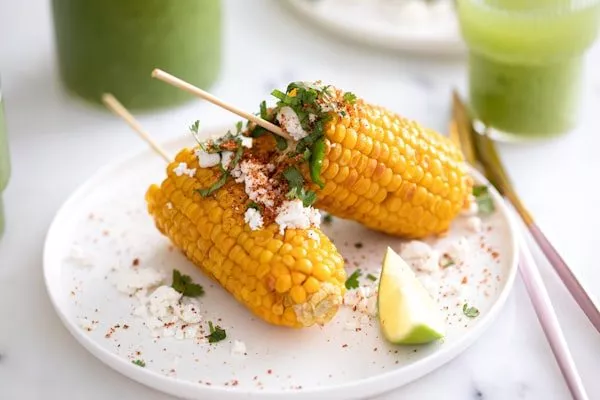
The grains of ROSS 199 MV have a sweetish taste, so this fodder variety has quite good taste qualities; it can even be used for food, like regular (non-fodder) varieties of corn.
Pros and cons
The ROSS 199 MV variety is recommended for growing forage for livestock. Before planting this corn in your garden, it's worth considering all its advantages and disadvantages.
Pros:
No shortcomings were found in the ROSS 199 MV variety.
Site requirements
Corn requires a well-lit area, preferably free from strong winds and drafts. Any soil is suitable, but the crop grows best in loamy and sandy loam soils that are well-drained and permeable. The optimal pH is neutral or close to it (pH 5.5-7.0). Salty soils and those prone to waterlogging are unsuitable.
Corn grows best after:
- annual herbs;
- rapeseed;
- winter cereals.
If you follow agricultural practices, apply plenty of fertilizers and use pesticides, you can grow corn in one place for 6-8 years or even more.
Soil preparation
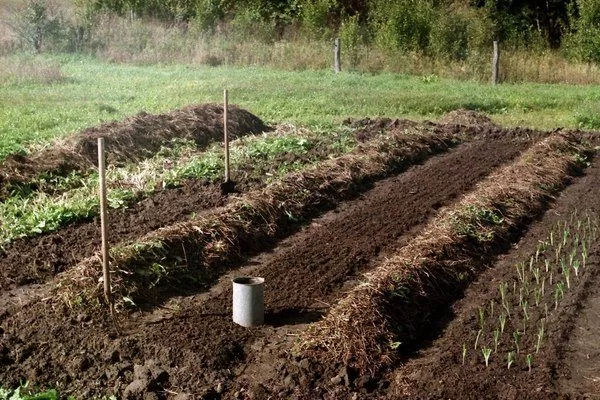
The soil is dug before planting (preferably in the fall). Soil cultivation for commercial cultivation is carried out taking into account the specific soil and climate conditions of the respective zone. Typically, the soil in the field is first disced, then plowed to a depth of 28-32 cm. If the soil is heavily contaminated, deep discing is performed, to a depth of 6-8 cm.
When cultivating at home (in your own garden), the soil is prepared in the standard way: approximately 10 liters of organic matter (humus or compost) are added during digging, and, if necessary, mineral fertilizers, wood ash or river sand are added, which will improve the soil structure and/or correct its acidity.
Corn is extremely demanding of soil fertility, so along with well-rotted manure (30 tons per hectare), it's recommended to add mineral fertilizers—30 kg each of nitrogen and potassium, as well as 10 kg of phosphorus. The latter is applied directly into the rows during sowing.
Features of sowing
Corn is a heat-loving crop, so its seeds germinate at soil temperatures of 8° to 10°C. Sowing is carried out based on these conditions.
Landing features:
- To disinfect seeds, they are treated with potassium permanganate or fungicidal preparations before planting. If you purchase treated seeds, there is no need to prepare them for planting.
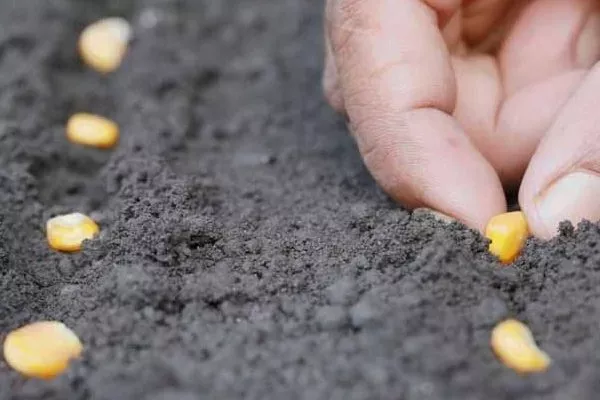
- Sowing is carried out when the soil warms up to +10°…+12°C at a depth of 10 cm.
- The most common sowing pattern is a dotted line. The row spacing is 70 cm. The seeding depth depends on the soil density and ranges from 6 to 12 cm. The denser the soil, the shallower the seeding depth.
Care
The challenge for farmers and small-scale producers growing forage corn is to provide favorable growing conditions to maximize grain and silage yields.
Care features:
- In commercial corn cultivation, herbicides are used to clear the field of weeds. However, there are weeds that herbicides cannot control. In such cases, weeding is performed, along with loosening, which helps break up the dense crust that impedes air flow to the roots.
- When growing on a large scale, weeds and soil crust are controlled by harrowing at the sowing stage, and then by cultivation, which is carried out 2-3 times per season.
- Watering is recommended, but not required. When grown in regions where this variety is recommended, groundwater and rainfall are sufficient.
Fighting diseases
Diseases significantly reduce corn yields, so it's crucial to select varieties resistant to various pathogens. This hybrid is considered resistant to fusarium and northern helminthosporiosis.
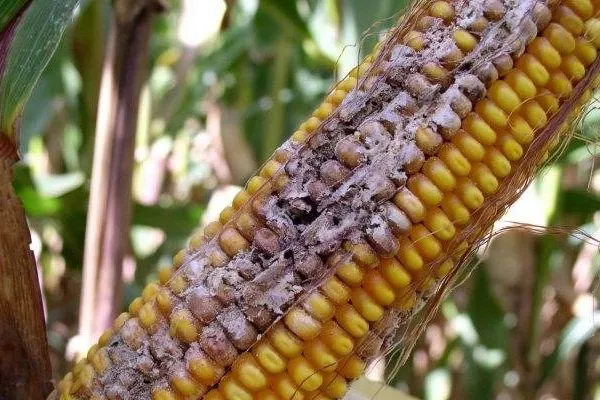
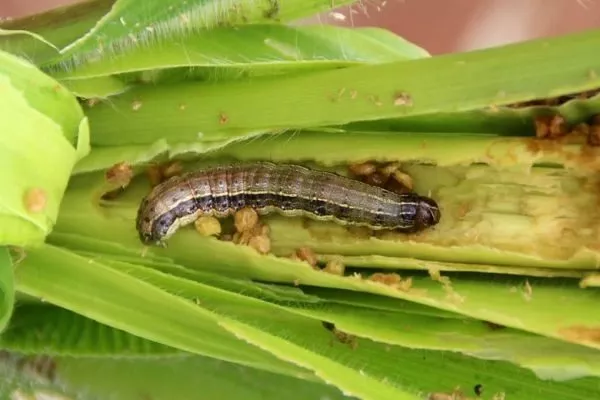
ROSS 199 MV corn has a moderate resistance to bacterial ear blight. However, this hybrid is susceptible to common smut. The crop is also susceptible to the common stem borer, which, if widespread, can cause severe damage to up to 100% of ears.
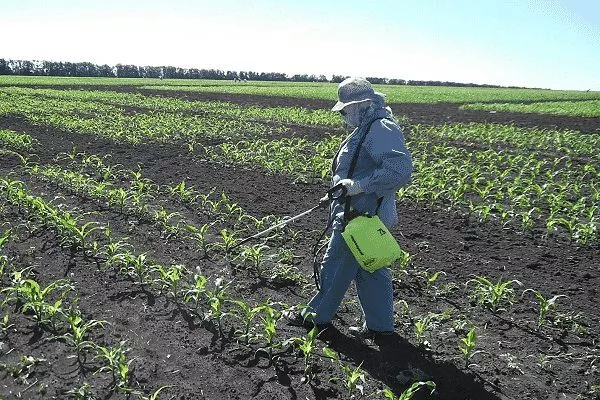
To minimize the risk of smut and other diseases, use only high-quality planting material and treat it with fungicides before sowing. Planting should only take place in warm soil. During the growing season, preventative spraying with Spirit, Propulse, Abacus Ultra, or similar products is recommended.
Pest control
If pests spread en masse, corn may be damaged. The most dangerous pests are the corn stem borer, wireworms, cotton bollworm, and aphids.
Preventative spraying of crops is recommended, and if insects appear, extermination treatment is recommended. Helicovex, Decis Profi, Karate Zeon, and other popular insecticides are recommended for controlling corn pests.
Harvesting
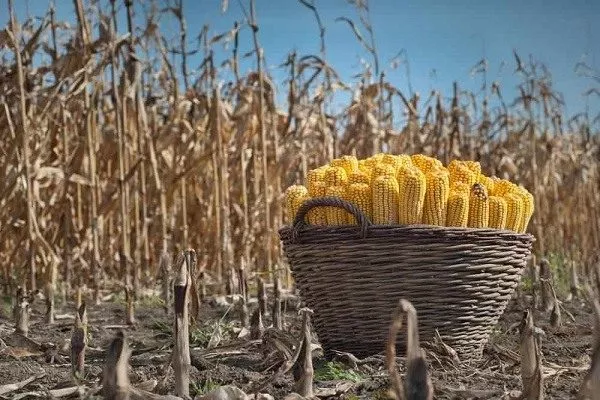
Harvesting of feed corn (for grain) begins when the crop reaches physiological (full) maturity. It's important to complete the harvest before prolonged rains and the first frosts, as frozen seeds lose their germination capacity, and wet grain is susceptible to fungal diseases.
The optimal time for harvesting is when a "black spot" appears at the base of the grain. This indicates that the supply of nutrients has ceased. At this point, the grains reach their maximum weight, and their dry matter content reaches 60%. For large-scale cultivation, harvesting is done mechanically.
Reviews
The ROSS 199 MV hybrid is a worthy representative of domestic feed corn. It is highly cold-resistant and ideal for regions unsuitable for growing heat-sensitive varieties. The only thing that requires special attention is protection against smut, which can cause significant damage to the crop.