
Honey Corn is a new variety from Russian breeders that has quickly gained popularity among local gardeners and corn enthusiasts. This variety perfectly combines ease of maintenance with excellent flavor.
Description of the variety
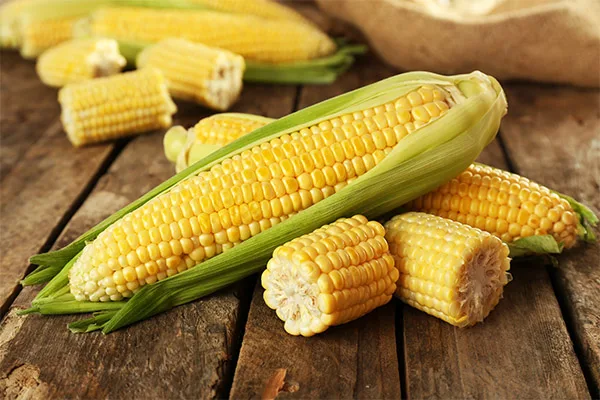
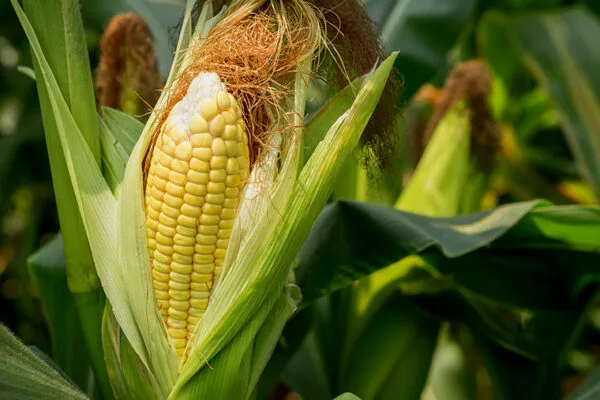
Honey corn is a medium-sized plant, reaching a height of 130-155 cm. The size of the cobs depends largely on the quality of care—the better the care, the larger and tastier the corn will ripen. Cobs range from 14 to 17 cm in length and weigh 180-240 g. The kernels are yellow-orange, with a thin, tender skin, and the flesh is very juicy.
Purpose and taste
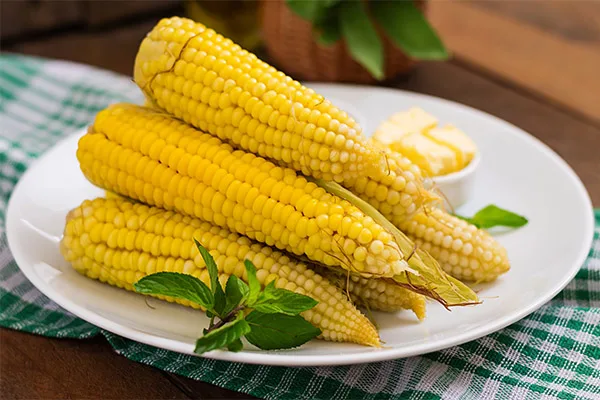
Honey corn is grown for fresh consumption. It is also frozen, canned, and used in soups and main courses. This variety has excellent flavor, with large, sweet kernels.
Ripening time and yield
Honey corn is a high-yielding, early-ripening sweet corn variety. It takes 75-90 days from germination to ear maturity. With proper care, the crop yields 45-55 centners per hectare. This heat-loving variety is suitable for outdoor cultivation.
Pros and cons
Honey corn is a hit with farmers and gardeners for good reason—this delicious variety has many advantages that corn lovers won't miss. Advantages:
The only drawback of this variety is its intolerance to cold.
Planting corn
Honey corn can be grown by sowing in open ground or using seedlings. To ensure a good harvest, it's important to plant it correctly and at the right time. Sunflowers are the best companion plants for corn, as they are often used as borders or as separators between varieties.
- ✓ Soil pH should be between 6.0-6.8 for optimal growth.
- ✓ The soil must be well drained to avoid water stagnation.
Features of planting in open ground:
- Corn is planted in open, well-lit areas. Ideal soils are fertile and permeable to air and water. Planting the Medovaya variety near other varieties is not recommended, as this will reduce the flavor of the kernels.
- For planting, dig holes at intervals of 50 cm. Leave 70 cm between rows.
- Planting times depend on climate and weather conditions. Corn is typically sown outdoors in mid-May.
- The seeds are pre-germinated. First, they are laid out on paper and kept in a well-lit place for 5 days. Then, they are immersed in a growth stimulator or a warm, light pink solution of potassium permanganate.
- If planting in heavy soil, the seeds are planted 4 cm deep; in light soil, 8 cm deep. The sown seeds are covered with soil and watered, but without over-watering.
Corn seedlings are sown in early May. Regular or peat pots are used for sowing. Containers, cassettes, or other containers are filled with a nutrient substrate made by mixing fertile soil and compost in a 1:1 ratio.
Germinated seeds at room temperature are planted at a depth of 3-4 cm. The soil is lightly moistened, and the containers with the seeds are placed in a warm, sunny spot. In early June, the finished seedlings are transplanted into the soil. The seedlings are carefully removed from the containers and placed in the center of the holes, then watered with settled water.
Care Features
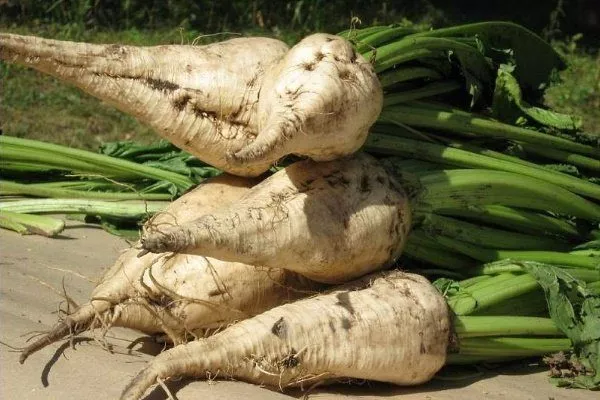
Caring for corn is not difficult if planted correctly, the plants grow and develop successfully, and the main thing is to provide them with timely watering and fertilizing.
How to care for corn:
- Watering is done regularly. This is especially important during the ear formation stage. Water the corn so that the soil does not dry out, but does not become overly wet.
- After watering, when the soil dries out, the beds are loosened and weeds are removed at the same time.
- A few weeks after planting, nitrogen-containing fertilizers are applied; without them, the plant's leaves turn yellow and dry out. Several times during the summer, the corn is fertilized with phosphorus and organic fertilizers. Zinc-containing fertilizers are also recommended. If leaf tips burn, the plants are lacking potassium; if the leaf blades turn red, they require phosphorus.
- ✓ High sensitivity to zinc deficiency, which manifests itself as white stripes on the leaves.
- ✓ Requires more frequent watering during the period of cob formation compared to other varieties.
Pest and disease control
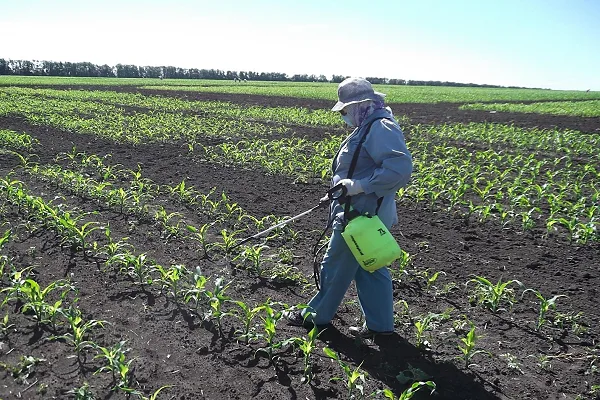
The variety is highly resistant to various diseases, but under unfavorable conditions, it can be susceptible to certain diseases, such as smut, fusarium, loose smut, and others. Treating the soil with fungicides and treating the seeds can help prevent these.
The variety is not susceptible to insect pests, but if infestations occur, it may be attacked by root aphids, stem borers, Swedish flies, wireworms, etc. To prevent these pests, treat the soil, seeds, and plants with insecticidal preparations.
Harvesting
The cobs ripen approximately three weeks after the first silks appear. To check for ripeness, crush the kernels between your fingers; if a watery liquid oozes out, the corn is not yet ripe. Harvesting begins when the kernels have a milky consistency; the cobs are ready to be picked.
Reviews
Honey corn is a remarkable variety, attracting farmers with its excellent taste and excellent presentation. This corn is suitable for any purpose—it can be grown for food, for sale, or for processing.