
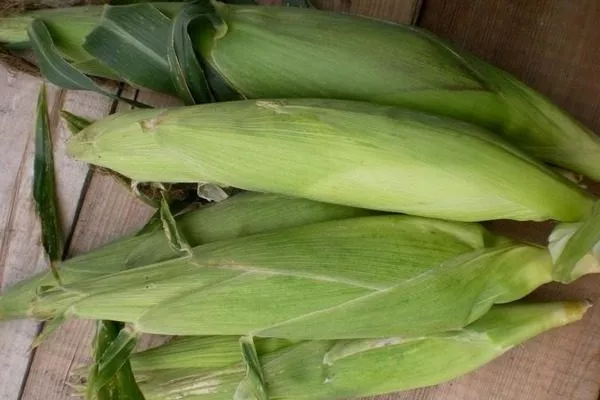
Lakomka Belogorya is characterized by its high sugar content, making it a versatile variety. It is a high-yielding, medium-sized variety with a long shelf life and excellent transportability. It is suitable for cultivation in both private gardens and large-scale agricultural industries.
Basics of selection
The Lakomka Belogorya sweet corn variety, which has won the love of many, was created by a team of experienced scientists, including such specialists as Yuri Alexandrovich Asyka, Gennady Mikhailovich Zhurba, Alexander Nikolaevich Voronin, Nikolai Ivanovich Nemtsev, Dmitry Leonidovich Veretnov, and Alexey Alexandrovich Asyka.
Characteristics of the variety
This corn is a herbaceous plant with versatile culinary, agricultural, and pharmaceutical uses. The plant prefers warm climates, but with proper agricultural practices, it can also thrive in cooler regions.
The variety is distinguished by its rapid development: just a few days after the appearance of the 6-8th leaf, the plant gains about 9-11 cm in length daily.
Description of appearance
The crop is considered medium-sized, so its height does not exceed 150 cm. There are other varietal characteristics:
- one bush contains about 12-14 leaf blades;
- the lower ear is located at an average height of 30 cm from the ground level;
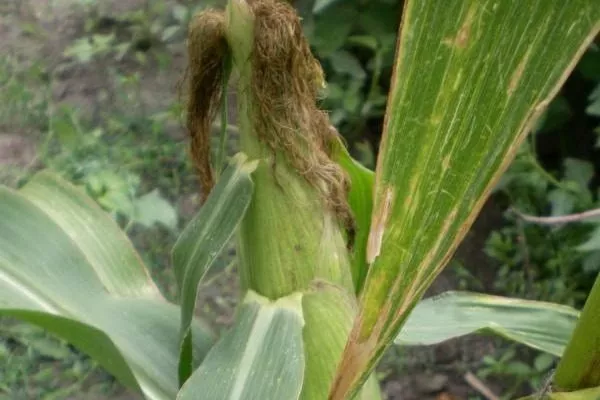
- number of cobs – from 2 to 4 pcs.;
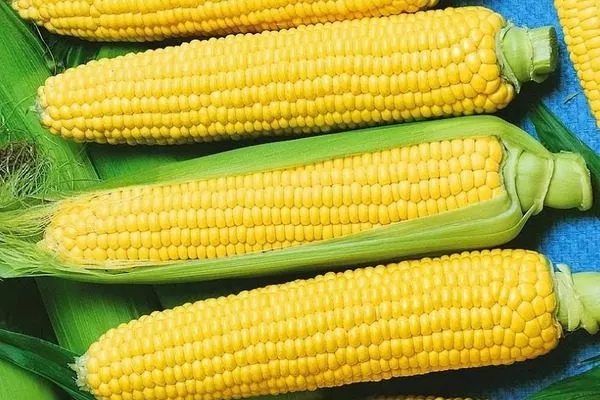
- the parameters of the forks are average - their length is 20-25 cm, and their weight is about 140-150 g;
- the shape of the head is slightly conical;
- grains with a wrinkled surface and a glassy structure, which is noticeable when cut;
- the kernels are of medium size, their color is predominantly yellow and very bright;
- The skin on the grains is thin, and the pulp is juicy and tender.
Features of taste and use
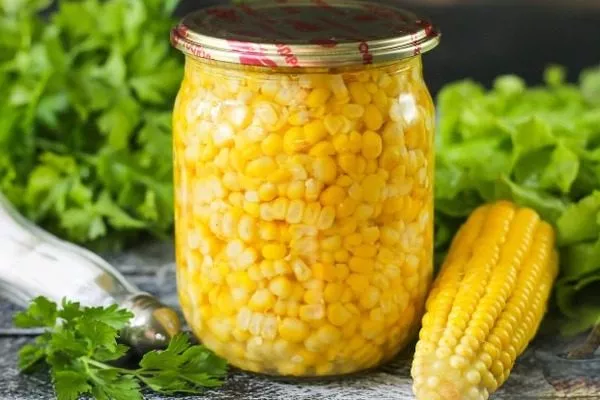
Belogorie's Lakomka stands out for its exquisite flavor. The grains have a mild, slightly sweet taste and are rich in vitamins. Both raw and canned products made from this variety are of excellent quality.
Fresh grains are recommended for consumption and use in home cooking. This variety is suitable for canning and freezing.
Regions suitable for cultivation
Ideal for cultivation in open beds in southern Russia, as well as in the Volga, Central, and Central Black Earth regions. In areas with cooler climates, seedling cultivation is recommended.
When ripe, yield indicators
Belogorskaya Lakomka is prized for its early ripening. The harvest is typically from August to September, with the corn taking 70 to 75 days, or a maximum of 80 days, from germination until it reaches technical maturity.
Subtleties of cultivation
This corn variety has specific temperature and aeration requirements—it must be grown in conditions with adequate ventilation, intense sunlight, and suitable soil composition. Therefore, adherence to agricultural practices is fundamental to achieving high yields.
What methods are used?
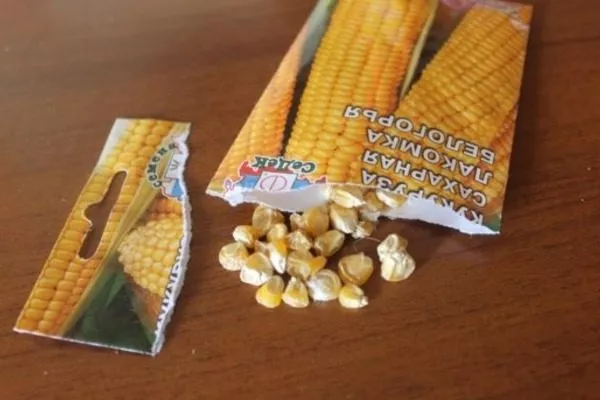
One of the most challenging aspects of growing sweet corn is using seedlings. Direct sowing of seeds into the soil is recommended. To avoid the hassle of growing seedlings, you can use agrofibre cover after sowing in the beds.
Time and nuances of sowing seeds
Corn fields are planted in open ground when the soil temperature reaches at least 10 degrees Celsius. The ideal period for sowing is from May 10th to May 31st.
Features and requirements:
- It's best to choose sunny areas with good natural ventilation. Avoid planting corn near fences, houses, or barriers, as this can impede proper airflow, which is essential for growth and development.
- It grows best in places where tomatoes, cabbage, beans and root vegetables were previously grown.
- When growing this variety, it is important to maintain sufficient distance from other corn varieties to avoid unwanted cross-pollination, which can negatively affect the size and quality of the crop.
- Before planting, prepare the soil: for 1 square meter of bed, it is recommended to add 3-5 kg of organic matter (compost/humus/rotted manure), 10-15 g of potassium salt and 25-35 g of superphosphate (the dosage depends on the degree of depletion of the soil).
- For soils with high acidity, neutralize by adding 400-600 g of slaked lime per 1 sq. m.
- Next, the soil is thoroughly plowing and loosened to a depth of at least 30-40 cm.
- To prepare the seeds for planting, they are heated for a week at a temperature of 30-40 degrees Celsius. This step can be omitted if sowing in warm soil. Germination of the seeds is also indicated.
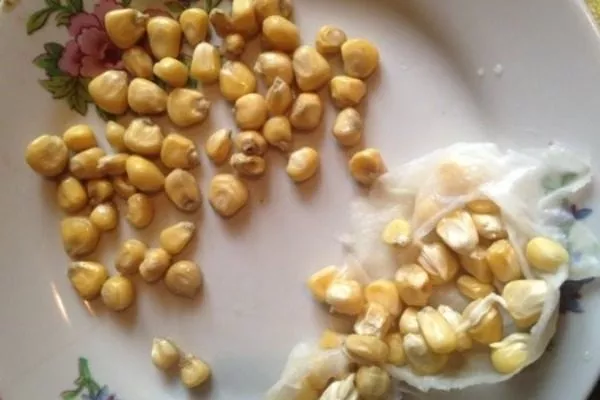
- The seed depth should be approximately 6-9 cm.
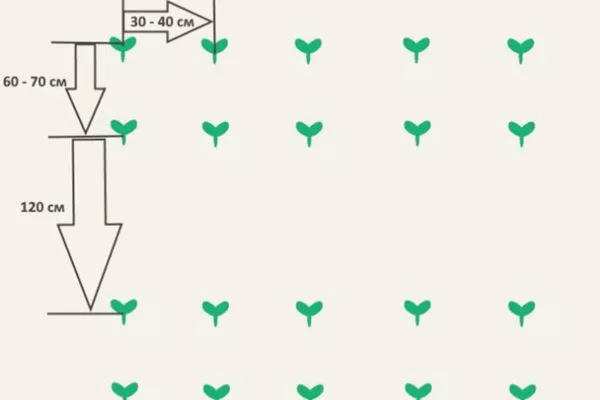
- Basically, seeds are planted in rows with an interval between bushes of at least 30-40 cm and an inter-row distance of about 60-70 cm.
- Before planting the seeds, the holes and furrows are moistened with water.
- After the planting material has been laid out, it needs to be sprinkled with soil and moistened again.
Basics of further care
Although the Belogorye Lakomka does not require complex care, it still requires careful attention:
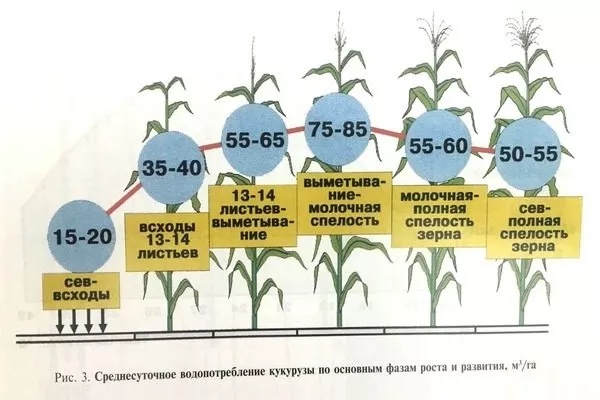
- It prefers rare but abundant watering, when water penetrates the soil to a depth of about 15-20 cm.
- Organic fertilizers are used for nutrition. It is recommended to dilute cow manure with water at a ratio of 1:10, and chicken manure at a ratio of 1:20.
- Fertilize the soil a few weeks after the first green shoots appear. Apply nitrogen fertilizer when the plant begins to form 6-8 leaves and inflorescences. Phosphorus is applied three times per season: after sprouts emerge, during budding, and when the ears ripen. Potassium fertilizers are essential throughout the growing season.
- Weed regularly, removing weeds as soon as they appear. To remove grass, pull it out by the roots. To reduce the labor intensity of this task, you can pre-moisten the soil.
Diseases, pests
Belogorie's Lakomka is well-resistant to diseases, but can be susceptible to them if farming practices are improper or if there are nutrient deficiencies. You can identify problems with the corn by its appearance:
- If the leaves look sick, it is necessary to improve the nitrogen balance of the soil;
- a purple tint to the green mass indicates a lack of potassium fertilizers;
- With a lack of potassium, the leaves become darker, stick together and become deformed.
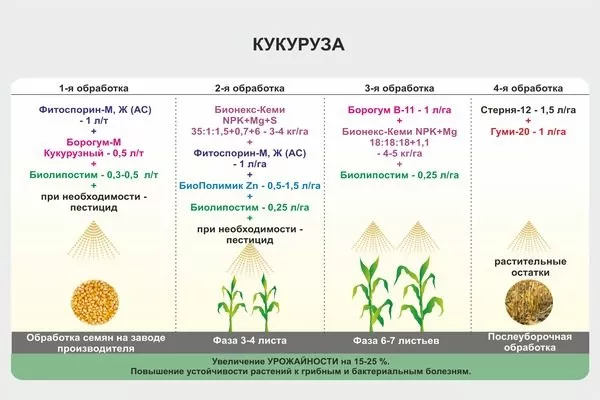
To address these issues, adjust your fertilizing system. In cold climates, corn becomes vulnerable to fungal infections, which can slow its growth. Fungicides are used to prevent and treat fungal infections.
Pros and cons
The Lakomka Belogorya corn variety is deservedly popular among agricultural crops. It offers several advantages:
Before planting a variety, it is worth considering its disadvantages:
Reviews
The Lakomka Belogorya variety is considered one of the most popular for growing in Russia's warm climates. This corn is characterized by fast-maturing cobs, excellent kernel flavor, and high resistance to various diseases, making it an ideal choice for gardeners.