
Lakomka is a sweet corn variety. The cobs are a source of nutrients, store well, and have excellent flavor. Gardeners love this variety for its resistance to pests and diseases. To ensure a good harvest, you need to know certain rules for growing corn.
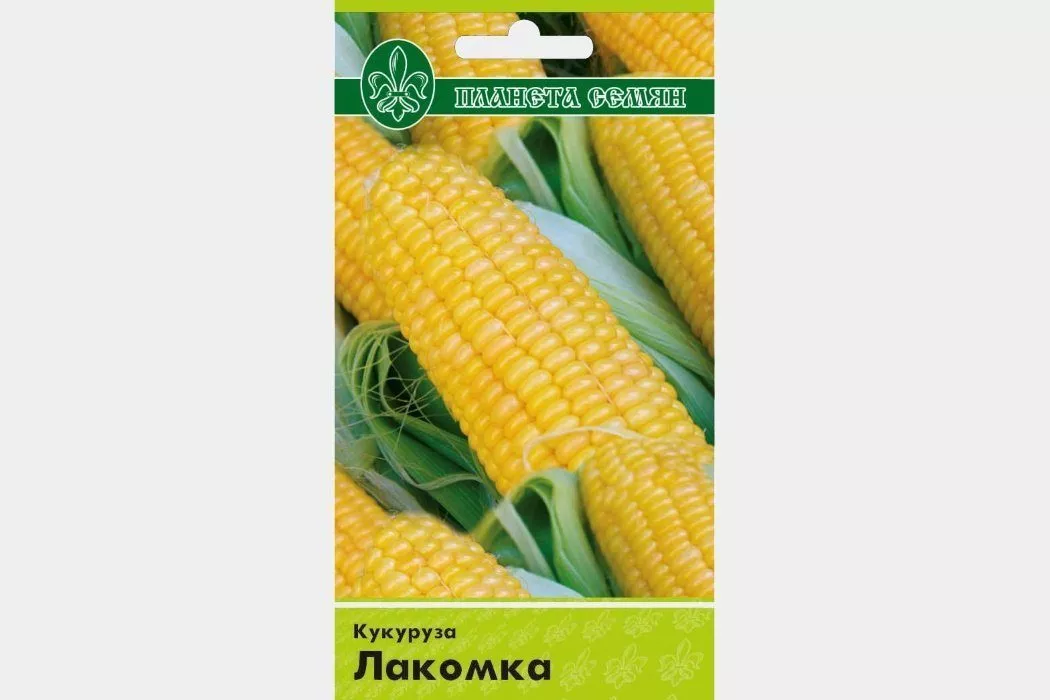
Sweet Corn
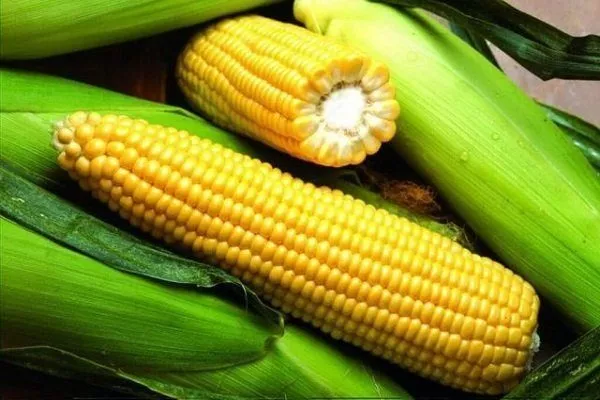
Lakomka corn is easy to care for.
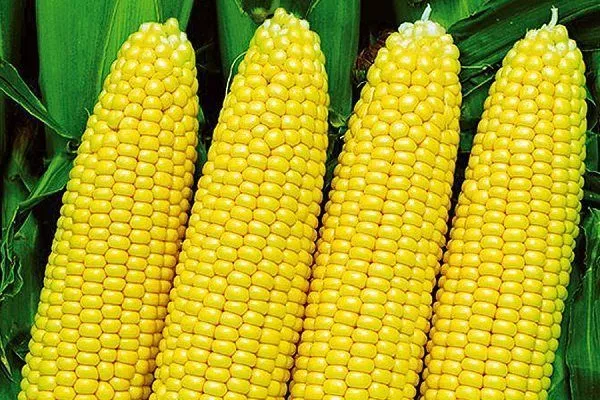
Corn Lakomka is an early variety
Description of the variety, advantages and disadvantages
Lakomka corn is a variety that was officially registered in the state registry in 2005. It is an early-ripening sugar beet crop. Harvesting begins within two months of planting.
This variety is distinguished by its high yield. Over 90% of the cobs are edible. Up to 4.5 kg of corn can be harvested from one square meter.
The plant's trunk reaches 1.5 m in height. The cob is 15-18 m long and weighs approximately 200-230 g. The cobs cook quickly, and their rich yellow color indicates ripeness.
Lakomka corn is a source of easily digestible proteins and carbohydrates. Its kernels contain vitamins B and PP, carotene, lysine, and tryptophan. The kernels are juicy and sweet and can be eaten cooked or uncooked. They retain their flavor even after freezing. This variety is widely used for canning.
The main advantages of the Lakomka variety:
- possibility of early harvest;
- good preservation of cobs;
- excellent taste characteristics;
- high yield;
- resistance to diseases and pests;
- long shelf life;
- The culture tolerates long-distance transportation well.
Optimal conditions for growing
The sweetgum is easy to care for, but requires some attention in the early stages of its growth. Since the plant is native to hot South America, it requires sufficient warmth for growth and development.
Lakomka doesn't have any particularly demanding requirements for its plot. Optimal growing conditions for this corn variety are:
- Air temperature ranges from 12 to 25 degrees Celsius. While germination and the formation of vegetative and reproductive organs occur at 16-20 degrees Celsius, fruit ripening requires a temperature range of 18-25 degrees Celsius.
- The plant's growth rate depends on soil temperature. A range of 16-20 degrees Celsius is considered optimal.
- Corn consumes the most moisture in the first 30 days after planting, so water shortages during this period are critical. Drought can lead to crop failure.
- Strong winds can damage young crops and cause them to die. Planting sites should be selected that offer some protection from this natural hazard.
- The optimal soil pH is 5.6-7.2. This is a fairly broad range, but exceeding it can result in losses of up to 30% of the entire crop.
- Tomatoes and root vegetables are considered optimal predecessors of the plant.
Seed preparation
Before planting corn seeds in the soil, they need to be prepared. To do this, soak the kernels for 3-5 days. Leave the seeds in this condition until sprouts appear. To prevent the seeds from rotting, place them in a cloth soaked in warm water and dampen it regularly. Rinse them 1-2 times a day.
Any seeds that haven't sprouted within 3-4 days should be removed. They won't produce corn. It's important to ensure that mold and rot don't form on the planting material.
Soil preparation
The soil should be prepared for planting in the fall. The soil is dug over and all weeds are removed. Choosing the right site is important. Sweet sage will not grow well in waterlogged soils that are poorly aerated and deficient in nutrients.
- ✓ The optimal depth of the fertile layer should be at least 30 cm to ensure sufficient nutrition of the root system.
- ✓ The organic matter content of the soil should be at least 3% to maintain the necessary structure and water-holding capacity.
Lakomka corn prefers light, sandy soil, as well as calcareous and marl soils. These soils warm up quickly in the spring, but their only drawback is lack of moisture. To avoid the need for additional watering, medium loamy soils are preferable. Marshy and clayey soils are not suitable for growing this crop.
Landing rules
Once the soil warms to 12-14 degrees Celsius, you can begin planting. Timing varies depending on the region of Russia:
- in the southern part of the country they can be added to the soil as early as the beginning of May;
- Residents of the middle zone are advised to wait until the end of spring.
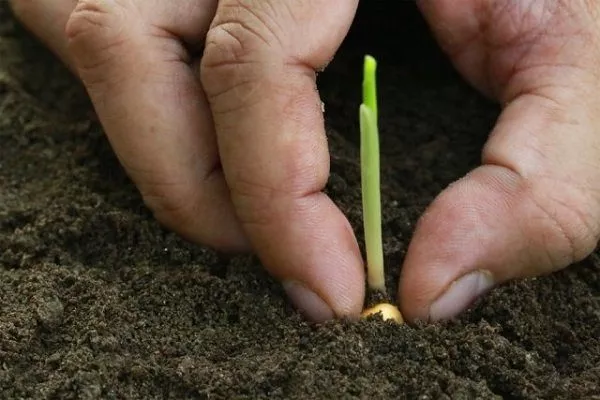
First of all, you need to focus on the weather that is typical for a particular year.
If the soil is poor, nitrogen fertilizer is added. The soil must be loosened. Seeds are planted 30 cm apart, with two seeds per hole. The depth of the planting is 5 cm.
If there's a risk of frost in May, it's best to plant the Lakomka corn variety using seedlings. The seeds are germinated indoors and transplanted outdoors in late spring. The plant is extremely susceptible to root damage, so it should be planted in peat cups. After planting, water thoroughly.
The sugar-rich Lakomka variety should be planted separately from other corn crops to prevent cross-pollination, which negatively impacts the grain's flavor.
Caring for Lakomka corn during cultivation
The crop begins to grow after the first node appears. During this period, all the plant's energy will be focused on ear formation. It's essential to water the corn regularly, apply fertilizer, and perform other maintenance as needed.
Watering
If the year is rainy, watering should be limited. Stagnant moisture in the plant's root system leads to a deterioration in its flavor and can lead to disease. Drought is equally harmful.
The general recommendation for watering Lakomka is 1-2 times a week. To prevent water from evaporating quickly, the soil should be mulched.
Top dressing
Fertilizers should be applied only after at least 6 leaves have formed on the trunk. Suitable fertilizers for corn include:
- mullein;
- compost;
- humus;
- chicken manure;
- Potassium fertilizers: ammonium nitrate and superphosphates, which are applied between the rows of sprouted corn.
- The first feeding should be carried out 2 weeks after the emergence of seedlings, using nitrogen fertilizers at a rate of 10 g per 1 m².
- The second feeding should be carried out in the 6-8 leaf phase, using a complex mineral fertilizer with a predominance of phosphorus and potassium.
Fertilizing is essential for a high-quality harvest. It should be done at least twice during the growing season.
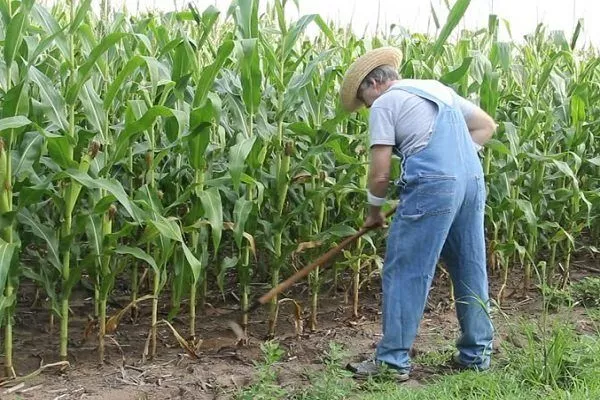
Weeding and loosening
These procedures must be performed carefully to avoid damaging the lateral roots. They are performed three times throughout the corn's growth cycle.
If the plant isn't hilled, the young ears of corn may fall and rot. This can be exacerbated by nearby pumpkins and cucumbers. Their vines can wrap around the corn stalks, adding to the strain. Weeds further exacerbate the situation.
When side shoots appear on the sides of the trunk, they should be removed. This will speed up the growth of the cobs themselves and produce a healthy, robust harvest.
Pest and disease control
Although the Lakomka variety is resistant to pests and diseases, it is impossible to exclude their appearance.
Corn can be attacked fusarium – a fungal infection that develops due to high air and soil humidity. If a characteristic white coating appears on the leaves, the plant is uprooted and burned. This type of corn is unfit for consumption.
Sometimes the variety suffers from stem rot And rustTo prevent this, the plant is treated with fungicides. If infected trunks are discovered, they should be removed from the area to prevent the infection from spreading to neighboring plants.
The Lakomka variety is rarely attacked by pests, including:
- oat flies;
- meadow moths;
- wireworms;
- caterpillars.
Pest control requires strong-smelling products. Onion broth works well as a repellent. Cosmos or Gaucho products can be used during seed treatment.
Harvesting and storage
To avoid overexposing the cobs on the stalk and to determine the ripeness of the grains, you need to perform the following manipulations:
- Click on the grainWhen pressed, a milky juice will flow out. The color of the grain itself is light yellow.
- Inspect the husk of the cobWhen the plant reaches maturity, it begins to dry out.
- Pay attention to the color of the wrapperIt should turn light green.
- Assess the condition of the threadsThey will dry out and darken.
When signs of ripeness appear, the cobs should be removed from the stalks. Overripe corn loses its flavor. This delicacy is harvested at the milky stage of ripeness.
If, after peeling back the leaves, the cobs are found to be too young, they should be returned. Otherwise, the grains will be eaten by birds.
The harvested crop is cleaned of leaves and stigmas, then laid out on a mat in a dark room with good air circulation and a humidity level of 13-16%.
When storing corn kernels, place them in plastic containers or cloth bags. They can be stored this way for up to a year. It's important to keep the containers dry.
Fresh corn spoils quickly. It can be stored in the refrigerator for about 14 days. To do this, remove the silk and husks from the corn, place it in airtight bags, and store it in the vegetable section. If the cobs aren't used within 14-20 days, they will begin to shrivel and spoil.
For a review of the Lakomka variety and tips on growing corn, watch the following video:
After learning the simple rules for growing Lakomka sweet corn, you can try growing this crop in your own garden. You'll be rewarded with a bountiful harvest of delicious corn cobs.