
Black corn (black maize) not only has a distinctive color and sweet taste, but also medicinal properties. Because of this, it is used not only in cooking but also in folk medicine. With proper care, this crop can be grown in Russia.
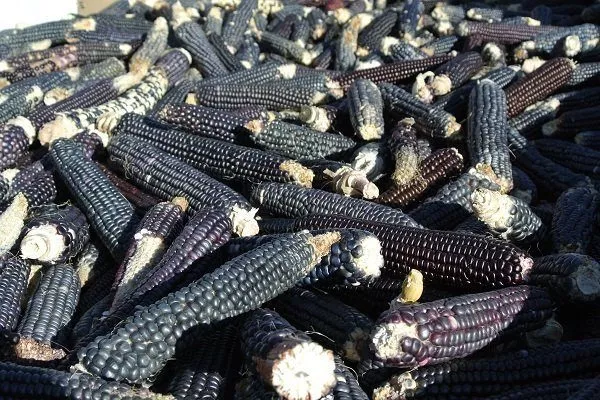
Black corn
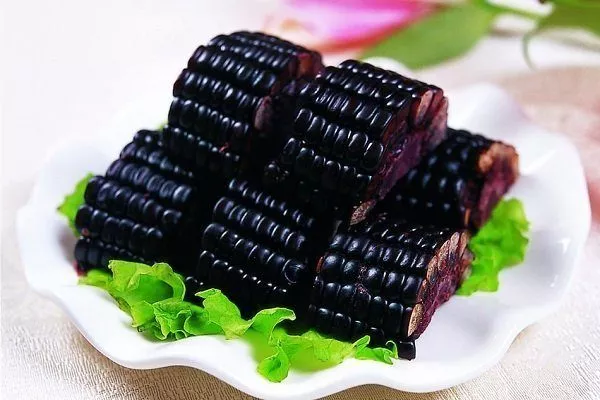
Black corn is considered healthier than yellow corn.
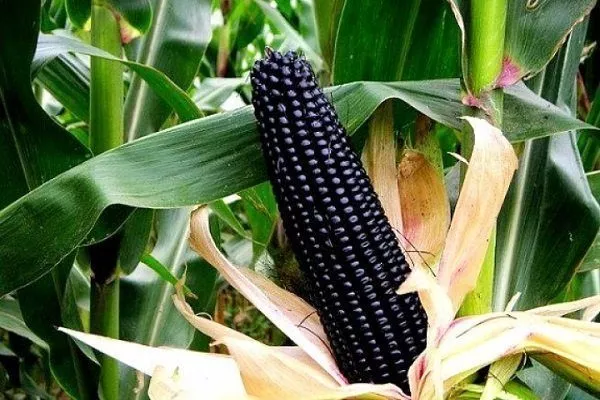
Black corn helps fight various diseases
Description of the culture, useful properties, application
Black corn originates from South America. It was originally grown in the highlands of Peru. For centuries, black corn has been used to prepare traditional dishes, medicinal drinks, and tinctures.
Nutritional value of black corn:
- proteins – 10 g per 100 g of grain;
- carbohydrates – 60 g;
- fats – 4.9 g.
Thanks to fats and proteins, the crop is nutritious, its caloric value is 325 kcal.
In addition to essential nutrients, black corn kernels contain:
- B vitamins (B1, B4, B5, B6), H, PP, tocopherol, carotene, retinol;
- silicon;
- manganese;
- selenium;
- cobalt;
- molybdenum;
- phosphorus;
- magnesium;
- copper.
Unlike yellow corn, black corn contains anthocyanin pigments, which give it its dark color. These are known antioxidants that prolong the youthfulness of cells, tissues, and the entire body.
Black corn is healthier than yellow corn. The kernels are sweeter in taste because they contain more protein than starch. Black corn can be used not only for cooking but also for making drinks, decoctions, and infusions from the kernels, cobs, and silk. These infusions have medicinal properties and are used to treat various diseases, including cancer. There are no significant contraindications for this product; it can be consumed by everyone except those with thrombophlebitis and peptic ulcers.
How to plant black corn?
Black corn grows best in conditions similar to those of its native land. Black corn thrives in warm conditions and does not tolerate sudden temperature drops. The crop will thrive only in southern regions, but growing it in the central part of the world, and especially in Siberia, will be quite challenging.
Black corn prefers loose, light, fertile, moderately moist soil. It can be sown in areas previously planted with legumes, nightshades, brassicas, and root crops.
Black corn pollen is carried by the wind, so when planting several varieties of the crop nearby, they can cross-pollinate. To avoid this, plant black corn away from regular yellow corn.
Seeds can be sown in garden beds in early May. Before sowing, the selected seeds are soaked in warm water for 0.5 days, then transferred to a damp cloth and soaked for another 1-2 days. The seeds are buried in the soil to a depth of approximately 5 cm. The distance between plants should be at least 20-25 cm within a row and 0.7 cm between rows.
Caring for the crop during cultivation
During the growing season, the plant requires traditional care measures.
Watering
Although black corn tolerates drought well, it still needs watering, especially until the seedlings are well established. Once established, the young plants will require less water. Mature corn can survive for long periods without watering.
Weed control
Corn is a tall and vigorous plant, but it requires weeding and hoeing during the initial growth stage. Once the plants reach a height of about 0.7 m, weeds will be difficult to disturb.
Top dressing
Corn requires nitrogen and phosphorus throughout its growing season. It also requires micronutrients such as boron, manganese, zinc, and copper.
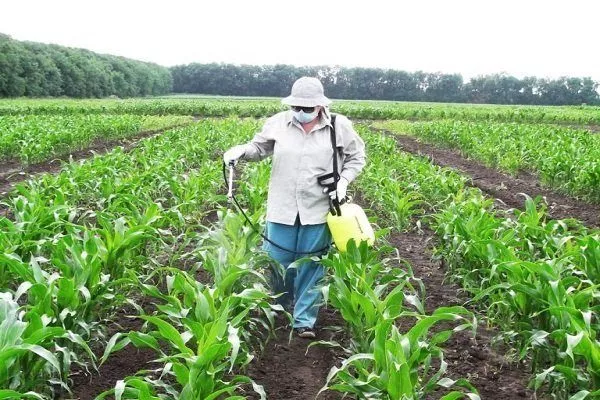
Fertilizers are applied to the maize plot during preparation in the fall. Per square meter, 10-15 kg of manure, 30-90 g of phosphorus, 30-60 g each of nitrogen and potassium fertilizers (chlorine-free) are required. If sandy soils are deficient in boron, neutral or alkaline soils are deficient in manganese, and sod-podzolic, gray, and black soils are deficient in zinc, the soil is enriched with fertilizers containing these micronutrients.
The next fertilizations are done at the 5-7 leaf stage and during panicle emergence. A mixture of saltpeter or urea, phosphorus-potassium fertilizers, and various micronutrients is used.
Harvesting
Black corn takes 85-120 days to mature. The length of the growing season depends on the variety and weather conditions.
- ✓ The cobs reach their maximum size and are dark purple, almost black in color.
- ✓ When pressed, the grains release a milky white liquid in the milky ripeness phase.
If corn is grown for eating or canning, it is picked at the milky stage of ripeness, when it still contains plenty of water and sugars. The corn is boiled on the cob or used for cooking. Young cobs are stored in the refrigerator to preserve moisture.
Fully ripe corn kernels are hard and suitable only for making flour. They can be stored in a cool, dry place for a long time – at least until the next harvest. The green leaves can be used as animal feed.
Exotic black corn can also be grown in warmer regions of Russia. Black corn is easy to grow, grows quickly, and can be used not only as a food product but also as a harmless natural remedy.
Black corn is not maize. It's corn, just black. Maize is the name for corn in some countries, usually Spanish-speaking ones.