
Corn is a resilient crop. However, a lack of nutrients in the soil can slow or even stop its growth. To eliminate these problems, the vegetable requires several fertilizations during the growing season. Agronomists use a comprehensive nutritional system, incorporating mineral (single-component/complex) and organic supplements.
Macro and microelements in corn nutrition
The maize root system occupies a large area of soil. This allows the plant's stems to be actively enriched with essential micronutrients.
- ✓ Optimum soil temperature for applying nitrogen fertilizers: not lower than +10°C.
- ✓ The soil pH level should be between 5.5-6.5 for maximum absorption of microelements.
Plants absorb nutrients quickly. To ensure vigorous growth and fruiting, the necessary fertilizers must be applied promptly.
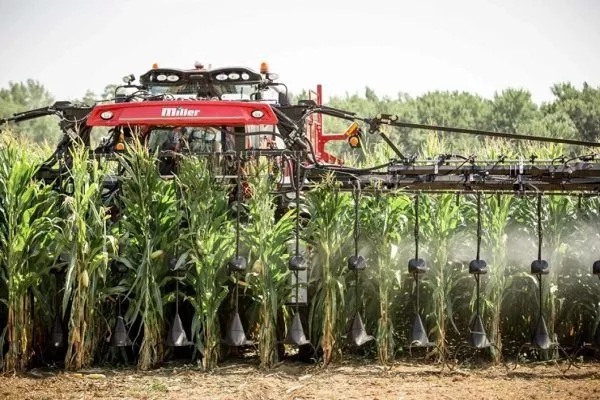
The feeding process must be planned and carried out systematically.
It requires the following elements:
- NitrogenA high need arises during the development of reproductive organs.
- Phosphorus. It is applied during root formation and flowering.
- ZincThe element is necessary for developing resistance to temperature changes.
- Potassium. The main function of the mineral is to distribute moisture.
- Boron and copper. They stimulate the production of ascorbic acid and glucose.
- Manganese and magnesium. They are responsible for the volume of harvest.
Mineral additives for crops
When growing corn, various types of fertilizers are used. Mineral supplements are considered among the most effective.
Applying such fertilizers is quite difficult. In addition to maintaining the correct dosage, it requires adjusting to external factors such as air temperature and soil moisture.
Nitrogen
| Name | Period of contribution | Dosage | Terms of use |
|---|---|---|---|
| Ammonium nitrate | Spring, 5-leaf stage, cob formation | 0.5 kg per 10 liters of water or 8 kg per 1 ha | Temperature not below +10°C, sufficient soil moisture |
| Urea-ammonia mixture (UAM) | Before the first shoots appear | 50 kg per 1 ha | Temperature from +5 to +10°C, moderate soil moisture, no rain |
| Urea | Stage 8 leaves | 4 kg of urea in 100 l of water per 1 ha | Dilute to 4% |
There are several medications to choose from. These include:
- Ammonium nitrate. The fertilizer is applied several times: in the spring during soil plowing (50% of the norm), at the 5-leaf stage, and at the stage of cob formation.
The recommended dosage at all growth stages is 0.5 kg per 10 liters of water or 8 kg per hectare. The fertilizer is only effective when the air temperature is at least +10°C and the soil is sufficiently moist. - Urea-ammonia mixture (UAM). Fertilizer application requires caution, as overdosing can destroy corn roots. The recommended dosage is 50 kg per hectare.
Apply before the first shoots appear. Optimal conditions for using the fertilizer include: air temperature of 5–10°C, moderate soil moisture, and no rain. - Urea. Apply at the 8-leaf stage. Do not use the substance in its pure form. It is diluted to 4%. Solution calculation: for 1 hectare, dilute 4 kg of urea in 100 liters of water.
Potassium
| Name | Period of contribution | Dosage | Terms of use |
|---|---|---|---|
| Potassium salt | Formation of 7 leaves | 500 kg per 1 ha | |
| Potassium humate | Formation of 5 leaves, 2 weeks after the appearance of green mass | 2 liters per 1 ha | In the absence of rain |
The timing of potassium fertilizer application is directly related to soil type: sandy soil requires fertilization in the spring, while clay soil requires it in the fall. Vegetable growers use only two substances:
- Potassium salt. Apply when the crop has formed 7 leaves. Dose: 500 kg per hectare.
- Potassium humate. Typically applied when there's no rain, the fertilizer helps corn become more resilient to adverse conditions.
Add to the soil twice: at the stage of 5-leaf formation and two weeks after the green mass appears. The recommended rate is 2 liters per hectare.
Phosphorus
Fertilizers are applied to the soil before sowing. Phosphorus increases the crop's cold resistance and helps the cobs mature faster. Ammonium sulfate acts as a phosphorus-rich mineral supplement.
It can be used several times: during corn planting and after the first six leaves emerge. It's most effective when applied in combination with soil loosening. The recommended dosage is 100 kg per hectare.
Additions
In addition to macronutrients, the crop requires zinc, iodine, magnesium, boron, manganese, sulfur, copper, cobalt, and molybdenum. The soil is treated with preparations containing micronutrients before planting.
Complementary feeding helps:
- increase the amount of chlorophyll in the leaves;
- accumulate more carotene in grains (approximately 40%);
- increase crop yields by 30%.
Features of organic fertilizer
In addition to mineral supplements, corn requires organic matter. Liquid manure is most often used as fertilizer. The fertilizer is prepared by mixing 10 kg of fresh cow manure with 50 liters of water. The solution is left to steep, covered, for one week.
Fresh manure should not be used. In its pure form, it can damage the plant's root system.
What fertilizers are used when sowing?
During the sowing period, it's best to use mineral fertilizers. During this period, corn requires phosphorus. Strict adherence to the dosage is essential. Excessive amounts will lead to reduced yields.
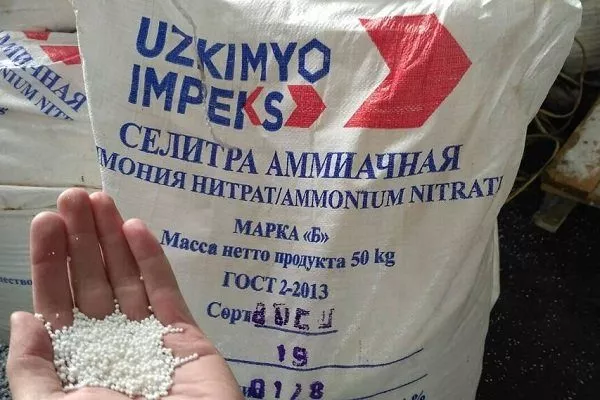
Nitrogen fertilizers are used alongside phosphorus supplements. They promote rapid growth of green mass. Ammonium nitrate, at standard dosages, is the most effective.
Timing of feeding
Kernel quality, yield, and ripening time are influenced not only by properly selected fertilizers but also by their timely application. Corn requires nutrients at least twice during the growing season.
First time
Corn fertilizers are initially applied before sowing. It's best to add them to the soil in the fall, starting in mid-October before the first frost sets in.
During the first stage of feeding, the crop begins to develop its reproductive organs. This period influences the number and size of cobs.
The first corn shoots have a poorly developed root system. They may not have time to absorb the fertilizers applied during the designated growing season. The plant requires readily available nutrients.
Second time
The second feeding period lasts three days—from 17 to 20 days after sowing. During this period, the above-ground portion of the crop actively grows and green mass accumulates. The plant requires nitrogen. Urea and ammonium nitrate can be used.
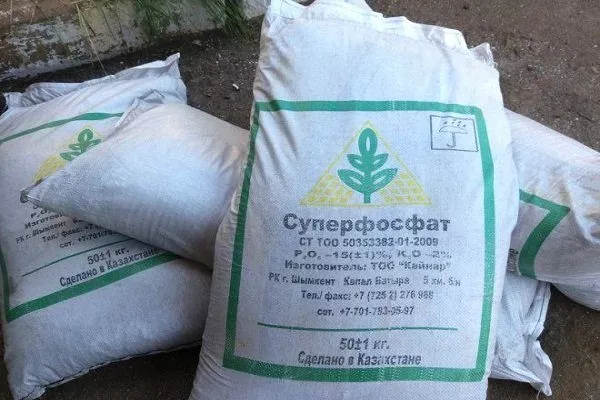
In areas with predominantly black soil, superphosphate is recommended for the second fertilization. This type of soil also requires zinc.
Deficiency and excess of trace elements
Sometimes, after applying fertilizer, the corn withers, changes color, etc. This indicates that the plant is still experiencing a lack of nutrients (perhaps the soil is poorer than the gardener assumed).
Signs of micronutrient deficiency:
- NitrogenCorn leaves are turning yellow. The color change begins at the tips of the leaves.
- Phosphorus. The deficiency is especially noticeable in young plants. The leaves take on a purple tint.
- Potassium. The symptoms are similar to nitrogen deficiency. In the case of potassium deficiency, leaves begin to yellow from the tips and extend to the base. Eventually, they turn brown. Lower leaves are also affected.
- Sulfur. The foliage becomes striped.
- Zinc. On each element of the plant a whitish stripe forms on both sides from the middle to the tip.
Additional fertilization can help combat this problem. In cases of nitrogen deficiency, it's best to use ammonia solution (dissolve 0.5 kg of the substance in 10 liters of water).
Sulfur deficiency does not require supplementation. Once the soil warms to optimal temperatures, levels will increase significantly.
In addition to the above, the following signs should alert the vegetable grower:
- the stem becomes thinner;
- the soil around the plant quickly forms a crust;
- the sprouts become light or turn yellow.
All this points to a lack of organic matter. The problem can be solved by adding cow manure.
Unreasonable application of fertilizers can cause excess micronutrients. The main signs of oversaturation are:
- slow growth;
- root rot;
- brown spots on the leaves.
Ways to eliminate the problem:
- Check the pH level. It should range from 5.5 to 6.5. At these levels, the plant is able to absorb all the elements. If it's not, use alkaline fertilizer to increase the acidity or compost to lower it.
- Add supplements according to instructions.
- Do not use different fertilizers with the same components at the same time.
How to fertilize correctly?
Fertilizing corn depends on the variety: grain or table. Table corn is less demanding.
Soil treatment before planting
Apply pre-sowing fertilizers when sowing the seeds. Not all corn varieties require this type of fertilizer. Food-grown corn requires no pre-sowing fertilizer.
Corn requires phosphorus before planting. Instructions:
- Choose which fertilizer you will apply: superphosphate or ammophos.
- Calculate the sowing area. Calculate the required amount of additives (12 kg of substance per 1 hectare).
- Add the mineral to the soil to a depth of 3 cm.
Following the same procedure, apply potassium and nitrogen in small quantities (potassium humate – 1 liter per hectare, nitrate – 4 kg per hectare). These additives will help increase yields by 4 c/ha.
After the leaves appear
When the plant has formed 5-7 leaves, it begins to be fed with organic matter. Only corn intended for human consumption requires such supplements.
Apply fertilizer according to the following algorithm:
- Take liquid manure or chicken droppings.
- Measure the dosage for the area (3 tons per 1 ha).
- Spread the additive evenly over the entire area.
- Calculate the 20th day of growth and add potassium salt into the row spacing (500 kg per 1 ha).
- Wait until the 7th leaf appears and apply root fertilization with urea.
Foliar feeding
Foliar feeding is a mandatory procedure. It involves spraying liquid fertilizer onto the leaves and stems. This application is especially necessary for table corn. Instructions:
- Wait until 7 leaves appear on the corn.
- Prepare a solution: 200 g of urea per 5 liters of water.
- Choose a suitable time (early morning / late evening) when the air temperature is cool.
- Spray the planting using a special device (sprayer).
- Repeat the procedure every day for three weeks.
You can learn more about the intricacies of complementary feeding from the video:
Summer nutrition by month
Summer is the peak of the plant's growing season. A rough schedule for fertilizing corn at your dacha during the summer months looks like this:
- June. Nitrogen fertilizers are applied. Nitrophoska or ammonium nitrate are used.
- July. Nitrogen is also needed. Urea is highly effective during this period. Alternate between root and foliar application.
- August. Potassium salt, superphosphate, or ammophos are used as additives. Fertilizers affect the juiciness and flavor of the grains.
Rules for root and foliar application
Corn is an easy crop to fertilize. Both root and foliar application methods are possible. However, each has its own rules.
How to apply root supplements:
- use highly soluble fertilizers;
- Water the crops immediately after applying fertilizer;
- Place substances in close proximity to the roots;
- Try to spread the bait evenly (microelements cannot move throughout the entire area).
Rules for foliar feeding:
- To prevent the substances from drying out and to allow them to be absorbed into the stems and foliage, spray at a time when there is no precipitation and it is not hot;
- reduce the dosage to 1/2, 1/3 of the manufacturer's recommended dosage to prevent chemical burns;
- Use a fine spray (the finer the spray particles, the more effective and successful the treatment).
Tips from summer residents
To grow tasty cornTo reap a bountiful harvest, you should follow the advice of experienced gardeners. They outlined their own rules for fertilizing:
- distribute mineral fertilizers throughout the entire planting area so that the root system of all plants receives beneficial microelements;
- It doesn’t matter what additives you use (purchased or folk remedies), the soil must be sufficiently moist at the time of application;
- vary the manufacturer's recommended dosage only downwards;
- Alternate organic and mineral supplements.
Corn is a demanding crop, but it's popular with gardeners and large farmers. A good harvest can be achieved by using a combination of mineral and organic fertilizers. The plant should be fertilized at least twice per season. Each growth stage requires different micronutrients.