
Sweet corn has always been popular for its pleasant, juicy flavor. Bonduelle is one such variety. Let's explore the intricacies of its cultivation and care, as well as its advantages and disadvantages.
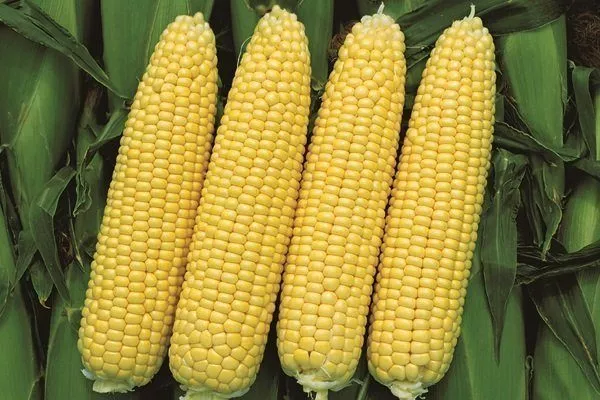
Bonduelle corn has high consumer qualities
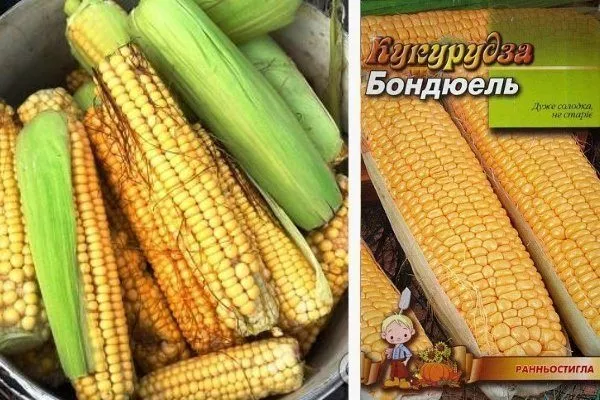
Corn grown from seeds of this variety
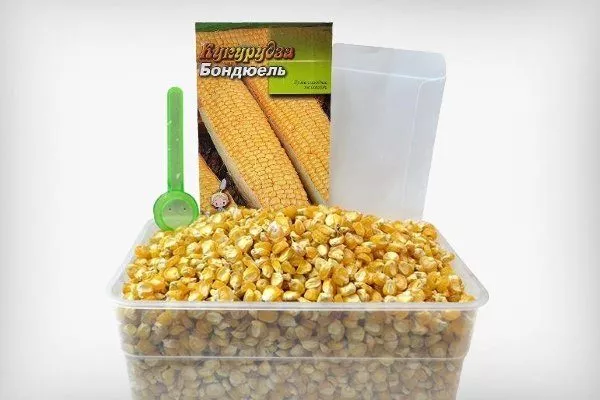
Bonduelle corn seeds appeared on the market not long ago. This is more of a marketing ploy.
Description and characteristics of Bonduelle corn
Bonduelle corn is a very popular product today, largely due to advertising that actively promotes the brand's products.
When they write "Bonduelle" on seed packets, they mean:
- A sweet corn variety from domestic producers. Savvy seed producers capitalized on the success of others and named the corn variety after the "Bonduelle" brand.
- A hybrid of super-sweet corn (in this case, the packaging may be marked Sh2).
The seeds that are labeled "Bonduelle" (or "Bonduelle") on the packets are not used in the production of the famous canned food!
The article below will focus specifically on the Bonduelle corn variety. This sweet variety ripens early. Cobs begin to ripen within 80-90 days of the growing season. These annual plants can reach a height of 1.5 m. The leaves are wide and long, dark green. The cob itself is cylindrical, weighing an average of 170-190 g and reaching approximately 20 cm in length.
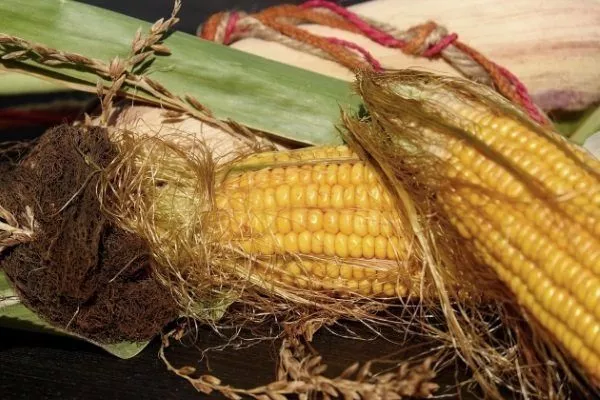
Corn kernels are large, bright yellow, have a thin skin, and a juicy flavor. This is what makes it so popular. This corn can be not only boiled but also canned and frozen.
Productivity
Bonduelle sweet corn is renowned for its high yield. Typically, a single plant produces two heads. When planted correctly, approximately 5-7 tons of corn can be harvested per hectare. Other varieties, however, can yield only up to 5 tons.
Advantages and disadvantages of the variety
Corn varieties classified as Bonduelle are in demand due to the following advantages:
- high level of harvest;
- resistance to common diseases such as rust, mosaic, wilt;
- good pest resistance;
- resistance to slight drought;
- good development on fertile soil;
- sweet and delicate taste.
Bonduelle has only two drawbacks:
- sensitivity to shade - if the plant ends up in a shaded area, this will negatively affect its yield;
- short shelf life – plucked cobs need to be marinated or cooked immediately after harvesting, otherwise the corn will lose some of its properties.
Landing
Sweet corn can be grown using two methods: seedlings and seeds. The former is most suitable for central Russia. In this case, the harvest can be harvested within 8-9 weeks after planting the seedlings in open soil.
- ✓ Soil pH should be in the range of 6.0-6.8 for optimal nutrient absorption.
- ✓ The depth of the fertile layer is at least 30 cm for the development of a strong root system.
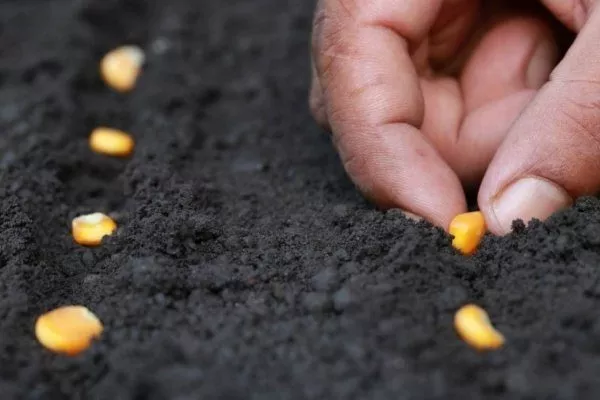
How to grow corn from seedlings:
- fill the containers with fertile soil;
- make a small depression in the ground with your hands;
- put 2-3 grains in it;
- cover them with soil and water them;
- Place the containers with seedlings in a warm and sunny place (for example, on a windowsill);
- After 14 days, plant the most rooted and strong seedlings in warm soil outdoors.
To ensure good pollination, plant corn in four rows. Or pollinate it yourself. To do this, collect pollen in a small bag early in the morning and spray it over the cob sprout.
If you want to plant corn from seeds, prepare the site first. The planting site should be sunny and well-lit, protected from drafts. This crop does not like shade.
What you need to do to plant corn seeds:
- In the fall, dig up the area where the crop will grow;
- in the spring, after the snow melts, just before planting the seeds, loosen the soil;
- in the south of the country, seeds can be planted as early as April – early May – the soil should already be warmed up to +15 degrees;
- heat the seeds for 5 days at a temperature of +35 degrees;
- then soak them for 2-3 days in warm liquid;
- Before planting, fertilize the soil with nitrogen additives (200 g of the substance per 10 sq. m.);
- dig holes for planting to a depth of approximately 5 cm - the distance between seedlings should be at least 30 cm, and between rows - 50-60 cm;
- water the holes thoroughly;
- put 2-3 seeds in each of them;
- cover the seed holes with moist soil and mulch.
Next, when the corn plants sprout their first leaves, begin thinning them out, leaving the most developed and strong seedlings. Failure to do this will result in plants with small, puny ears.
To increase the time it takes to harvest fresh corn, plant corn 3-4 times, spacing the plantings 10-15 days apart. This way, you'll be able to harvest for several weeks.
Corn care
To get a good harvest of sweet corn varieties, you need to properly care for the plant:
- remove lateral shoots when they grow more than 20 cm - this is necessary so that they do not create shade and do not take nutrients from the root system;
- After the first shoots appear from the ground, systematically loosen the soil between the rows and remove weeds - do this very carefully so as not to damage the roots of the plant;
- when the first leaves appear, fertilize the crop with saltpeter, superphosphate and humus - do this during flowering, as well as when the cobs are forming;
- Water the crop regularly.
| Fertilizer type | Time of application | Quantity per 10 sq.m. |
|---|---|---|
| Nitrogen | Before landing | 200 g |
| Phosphorus | During flowering | 150 g |
| Potassium | When forming cobs | 100 g |
Harvesting
To determine if sweet corn is ripe, count 20-25 days from the start of flowering. The fruits are considered the most delicious at this stage. This is when they can be harvested and eaten, either boiled or canned for the winter.
The cobs are usually harvested at the beginning of the last month of summer. However, if the weather is sunny and warm, the fruits may ripen even earlier. Then, harvesting can begin as early as the last week of July.
Tips for harvesting sweet corn from experienced gardeners:
- collect the cobs early in the morning, as this is when they are most full of sweetness and juice;
- unscrew the heads of cabbage carefully so as not to break the stem;
- Start harvesting from the lower cobs - they become ripe before the upper ones.
Don't store freshly picked corn for too long—cook or can it the same day you pick it. This can reduce its sugar content over the course of 24 hours, which will affect the flavor of the corn itself. Pickle unripe corn. Bonduelle corn is a sweet variety that can be stored freshly picked for about 4-5 days in a cool place (such as the refrigerator).
Reviews of Bonduelle corn
Sweet corn varieties used in Bonduelle canned products are distinguished by their low maintenance and delicate flavor. Grow from seeds or seedlings, following the planting technology, and you'll be able to enjoy delicious, fresh corn on the cob.