
The Zhegalova 112 pea variety is a popular choice for both novice and experienced agronomists. It offers a number of advantages and characteristics, including early ripening, large fruit, and resistance to certain diseases. Much depends on proper care—such agronomic practices improve immunity and yield.
Origin
The hybrid was developed by the All-Union Scientific Research Institute for Selection and Seed Production of Vegetable Crops by crossing the Konyok-Gorbunok and Albanian 6 varieties. It was zoned in 1943, underscoring its long history and importance in agriculture.
Description of the variety
Zhegalov's pea has many positive characteristics, making it a favorite among agronomists across the country. Explore its botanical description and characteristics.
- ✓ Frost resistance down to -4°C during the germination period.
- ✓ High resistance to ascochyta and fusarium.
Size and growth form
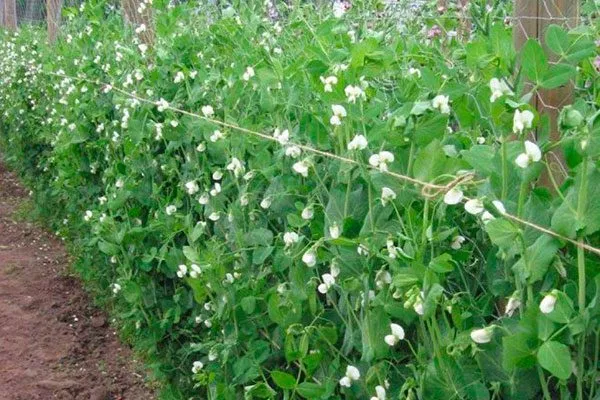
Peas are considered medium-growing plants, with long shoots reaching 1.2-1.8 m.
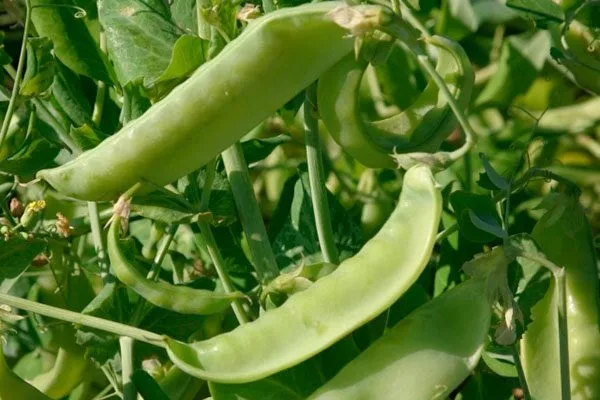
It has a number of features that distinguish it from other species:
- Long internodes. There are from 18 to 23 of them.
- The leaves are broadly ovate, have a typical structure, and consist of three pairs. They are colored yellowish-green.
Fruit
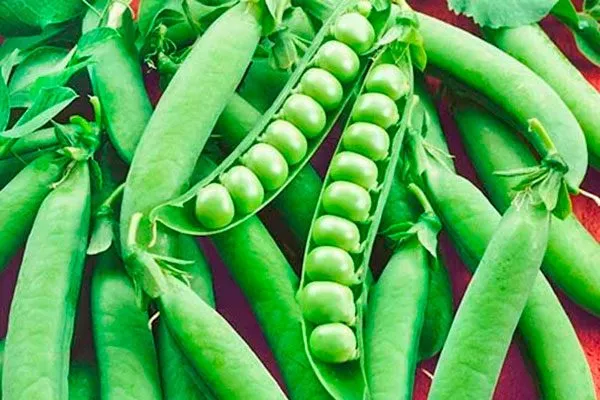
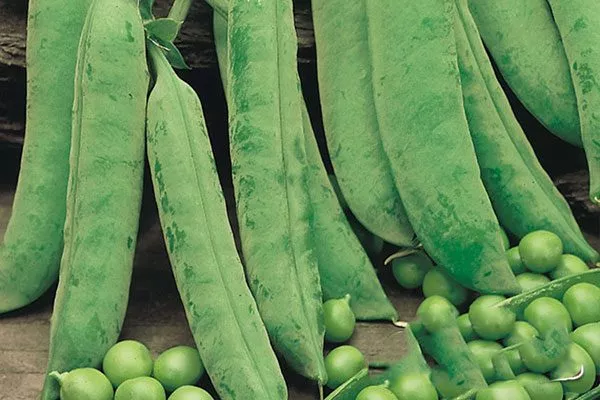
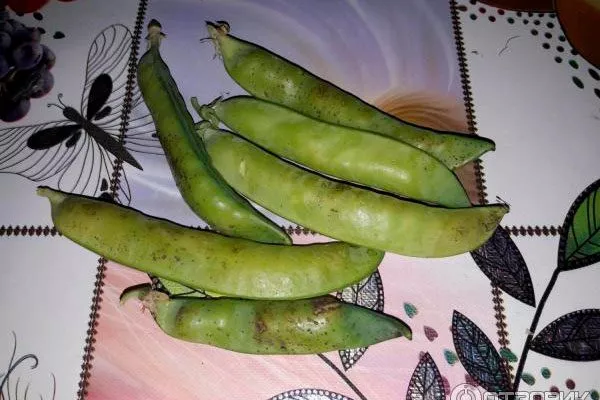
They are slightly curved and have a blunt tip, resembling a sword. They have the following distinctive features:
- The length of the skin with beans reaches 10-15 cm in length, and in width it reaches up to 2.5 cm.
- The peas are colored light green.
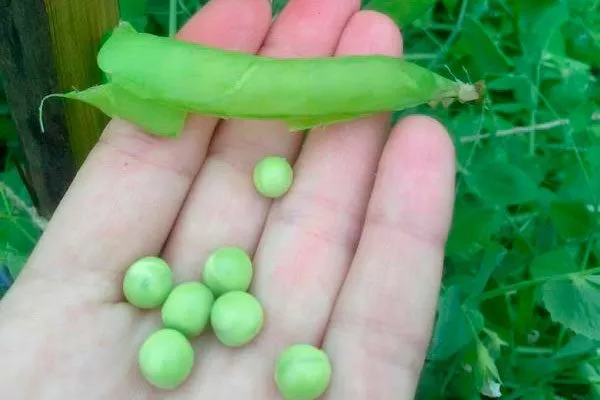
- Each pod contains 5 to 8 seeds. They are rounded-angular in shape, flattened parallel to the rib.
Purpose and taste
Green peas can be used in a variety of dishes and recipes. They are often used in salads, soups, side dishes, vegetable and meat dishes. They are added to pastas, rice, porridges, and other side dishes to add aroma, flavor, and nutritional benefits. Fresh green peas make an excellent addition to appetizers.
Ripening time and yield
It takes approximately 50-60 days from germination to harvest, and the beans ripen evenly, making harvesting easier. The yield of green peas from this variety is up to 1.5 kg per square meter.
Growing and care
Zhegalov 112 peas are grown by direct sowing in April or May. The recommended planting pattern is 15 x 30 cm, with a sowing depth of 4 to 6 cm. Choose well-drained, wind-protected areas for planting.
- ✓ The optimal soil temperature for sowing should not be below +5°C.
- ✓ The distance between rows should be at least 30 cm to ensure sufficient air circulation.
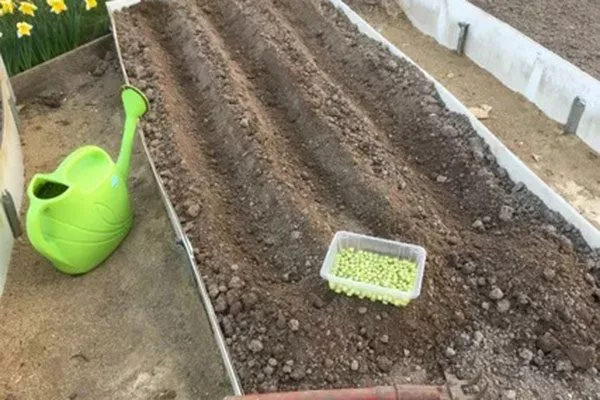
To care for the crop, perform the following agricultural practices:
- Watering. Provide regular watering, especially during periods of drought or high temperatures. Moderate moisture helps maintain healthy plant growth and bean formation.
- Weeding. Regularly removing weeds helps prevent competition for water, nutrients and light.
- Fertilizer. The application of organic and mineral fertilizers helps improve soil fertility and stimulates growth and development.
- Support. Installing supports to support the shoots prevents them from breaking under the weight of the beans and ensures better air circulation.
- Protection from diseases and pests. Regularly inspecting plants for diseases and pests helps identify problems early and take the necessary steps to eliminate them.
- Trimming. Pruning lateral shoots and non-fruiting parts promotes more efficient use of nutrients and increases yield.
Compliance with these measures will help you get a good harvest.
Harvesting
The beans are harvested over a period of 15 days, with three to four days between harvests. Harvest at technical maturity, when the peas are still young and juicy. Pick the beans by hand or use special garden shears to avoid damaging the stems.
Beans are best stored in the refrigerator or in a cool place at temperatures between 0 and 4°C. Store the harvest in perforated plastic bags or containers to ensure air circulation and prevent rotting.
Reviews from gardeners
The Zhegalov 112 pea has gained popularity among agronomists in our country. It's suitable even for beginners, as it's undemanding and easy to grow. The variety offers numerous advantages, including high yields, disease resistance, and early maturity.