
Tall peas aren't popular with gardeners, despite having many advantages. This is due to their average yield and the need for support structures. However, on the other hand, they save space in the garden.
Tall pea varieties
There are many varieties of tall peas, each with its own distinctive characteristics. The most popular tall pea varieties are:
- Madonna. It has a medium ripening time and high yield. Technical maturity occurs in 65-70 days. The bush height varies from 55 to 95 cm, with a maximum of two flowers forming per node, and the number of beans per pod is average.

- Giant. This is an early variety, ripening in a month and a half. It's considered a sweet variety, with stems reaching 1.6-1.7 m in length. Each slightly curved pod contains up to 10 seeds.
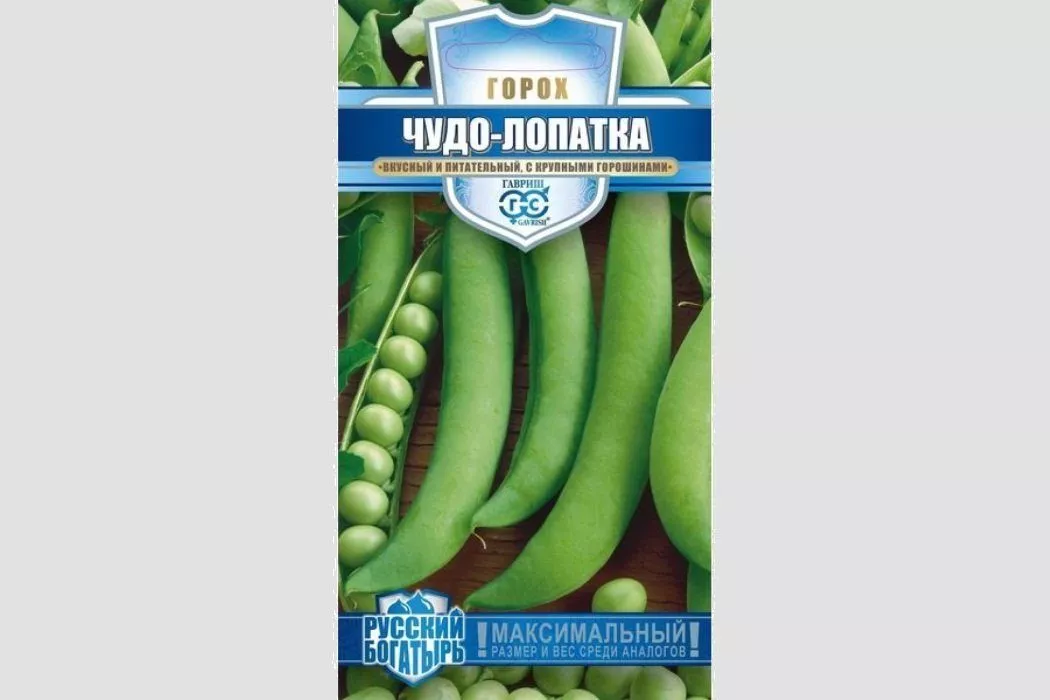
- Miracle shovel. This is a mid-season shelling variety with a strong, long stem (up to 1.8 m). The grains are large and sweet.
- Rocket. The height of the bush does not exceed 90 cm, the yield is high, the type is whiskered, late-ripening (2-3 months).
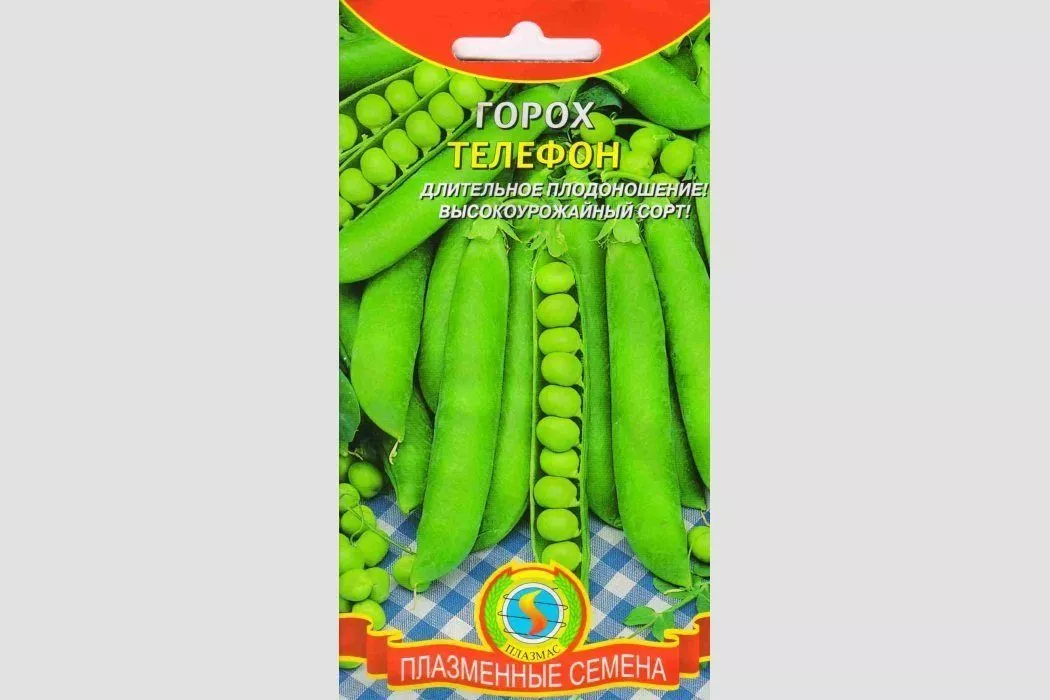
- Telephone. Late-ripening peas have a prolonged fruiting period. Harvesting begins after 100 days, allowing for a long harvest. The pods are large, with stems reaching 2 meters in length.
- Zhegalova 112 Cultivated for over 70 years, this mid-season sweet variety reaches milky maturity in two months. The stem length is 1.7-1.8 m, and the fruit length is up to 15 cm.
- Sugar Snap – sugar snap peas with a long stem – 200 cm. Beans – long, fleshy, with large shoulder blades.
- Alderman or Alderman. The bush grows up to one and a half meters, the variety is distinguished by high productivity and large pods.
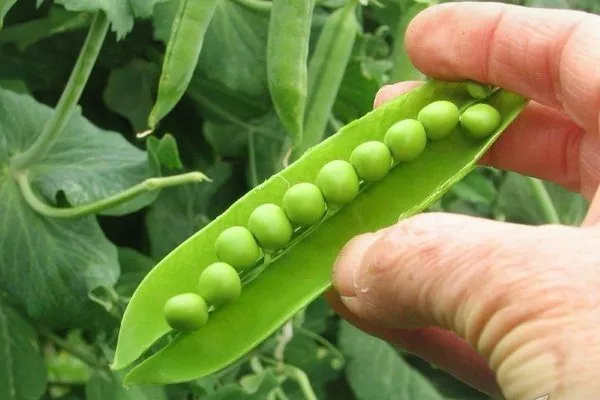
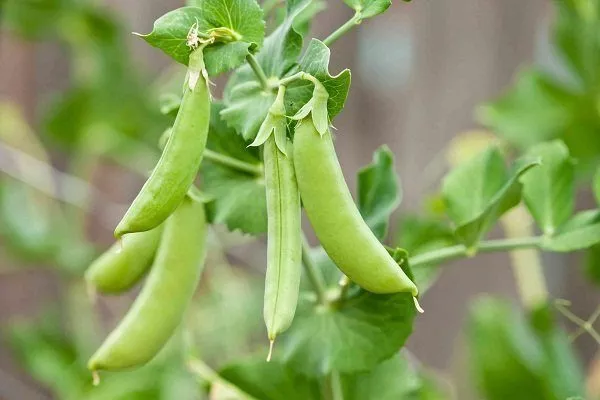
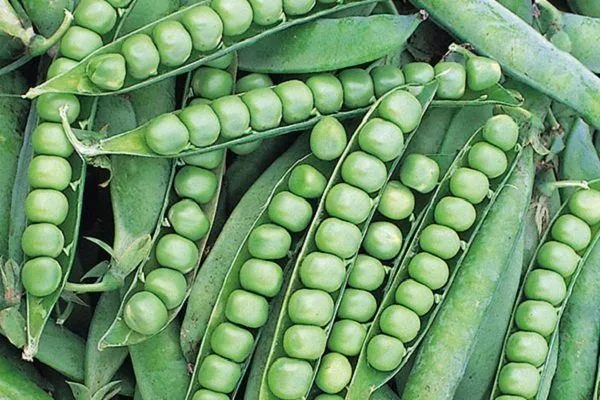
Distinctive characteristics of tall peas
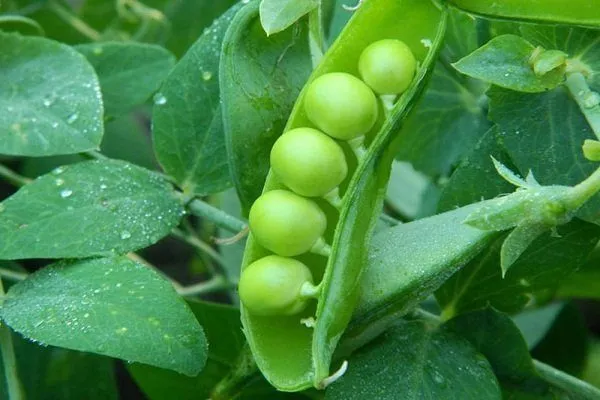
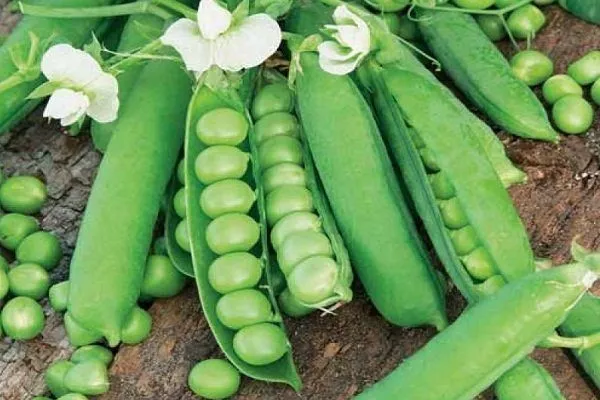
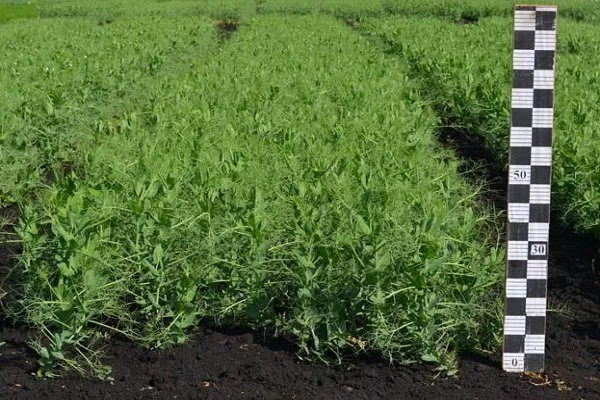
Unlike other legumes, tall peas are characterized by bush heights exceeding 115 cm. The maximum stem length reaches 250 cm. This variety is difficult to grow due to its need to support its shoots.
These plants are sun-loving, so dense seedlings should not be planted too close together. Many gardeners mistakenly believe that their tall growth allows for dense planting of seeds, but without sufficient light, the stems weaken and fall to the ground. Staking is done after four leaves have formed. The fruits are usually large, fleshy, and juicy.
Advantages and disadvantages
It's generally accepted that tall peas have an average yield. This is because they don't produce many ovaries. However, given the sheer weight of the peas and pods, the yield can be considered high.
Other benefits:
- the plant is easy to care for because it is tied up;
- the large size of the fruits simplifies the harvesting process;
- many varieties (sorts);
- the bushes are not afraid of exposure to sunlight;
- watering and other agricultural features are no different from caring for other types of peas;
- the widest range of applications.
The main advantage for summer residents and gardeners is the opportunity to enhance their garden plot. By planting bushes along a fence, near a gazebo, house, etc., you can not only harvest but also enhance the surrounding area and create additional shade.
There are some drawbacks, too. Among them, the following are noted:
- the large height of the bush, which creates additional difficulties in care;
- the mandatory need to create a supporting structure;
- since the stems and pods are massive and heavy, strong materials must be selected for horizontal support (a thin rope will not suffice);
- lack of opportunity to plant bushes frequently.
Areas of application
Tall peas come in two varieties: sugar snap peas and shelled peas. The former is eaten with the pod skins, while the latter is eaten solely as peas. This allows for a wider range of uses for the crop:
- Cooking – preparation of soups, various porridges, casseroles, salads, desserts, puddings, pies, pastries, canned goods, etc.
- Cosmetology – making masks for face, hair and nails.
- Traditional medicine – treatment of anemia, heart disease, circulatory system problems, diabetes, obesity, and other ailments. Peas remove cholesterol and other harmful substances from the body, normalize metabolism, accelerate all processes, and strengthen the immune system.
Tall peas are stored canned, frozen, and dried. Many people grind the dried beans into flour, which is used as a base for bread, pancakes, desserts, fritters, and pasta.
Timing and technology of planting
Tall peas are planted early, after the spring meltwater has receded. The only requirement is an air temperature of at least 10 degrees Celsius (50 degrees Fahrenheit). This typically occurs around late April to early May. Beans are frost-tolerant, so a brief drop in temperature isn't a cause for concern.
In northern latitudes, peas are planted until early July. One important condition is soil warming. To achieve this, the area under the peas is covered with plastic film for several days.
Features of the planting scheme:
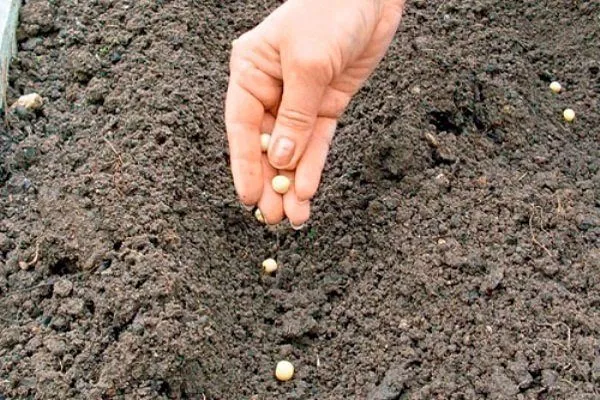
- seeding depth – maximum 5 cm;
- double-row furrows (the distance between two strips is 15-20 cm, the distance between double rows is 50-60 cm);
- the distance between peas in one row is 6-9 cm.
Before planting seeds, prepare the area, soil, and peas. What to do with the seeds:
- Discard any unusable material – remove items with damage, stains, mold residue, etc.
- To remove hollow seeds, you can soak the peas in a salt solution (30 g of table salt per 1 liter of water). Let it sit for about 20 minutes. Seeds that float to the surface are considered unusable.
- To speed up the germination process, the peas are heated during pre-soaking. This can be done in two ways.
In the first case, the beans are placed in a thermos filled with water at 40 degrees Celsius. Let it steep for half an hour.
The second option involves mixing hot water and boric acid (2 g per 10 liters). Let it sit for 5 minutes. Additionally, it disinfects against diseases. - The next step is germination of the seeds. They are placed in water for 1-2 days, then slightly dried and planted. You can also use damp cheesecloth to soak the seeds for the same amount of time.
- Modern methods involve the use of bioadditives to accelerate growth – Humate, Epin, and the like.
Selecting a site
Tall varieties are very heat- and light-loving, so the planting site should be well-lit and ventilated. However, strong winds should be avoided.
When choosing a site, follow crop rotation rules. Peas should not be planted after any legumes. Recommended predecessors include potatoes, cabbage, cucumbers, pumpkins, and tomatoes. Avoid close groundwater levels (1 m or less), as the root system of tall peas is susceptible to fungal diseases, which can lead to plant death.
Preparatory activities
Tall peas require extremely fertile soil, so the area is fertilized well in advance – in the fall. Here's what to do:
- Dig up the soil to a depth of 30 cm, breaking up any dense or large clods.
- Add organic fertilizers such as slurry, chicken manure, compost, or humus. The organic matter should be well-rotted and fermented, as fresh manure will kill legumes.
- If the soil pH is above 6-7, be sure to normalize it. To do this, scatter wood ash or lime over the area.
In spring, it is advisable to add minerals – molybdenum, copper, boron, etc. Excellent remedies include superphosphate (up to 60 g per 1 sq. m), saltpeter (10 g is enough) and potassium salt (up to 30 g).
Disembarkation procedure
Technology of planting tall peas:
- Use a garden tool to level the surface of the soil.
- Form furrows, fill them with water, and wait until it's completely absorbed. You can add a little compost to the furrows.
- Plant the sprouted seeds to the required depth (the heavier the soil, the deeper the planting).
- Add soil on top and compact it.
- Cover with non-woven material to eliminate the risk of birds pecking at the grains.
Care instructions
Caring for tall peas comes down to following the agricultural practices for growing legumes:
- Watering. Before flowering, water the plant once every 7 days, and twice a week during and after flowering. Avoid overwatering—the soil shouldn't be soggy, but it shouldn't be too dry either.
- Weeding and loosening. The procedures are carried out as needed – when weeds and a dry crust form on the soil.
- Fertilization. Fertilize 2-3 times during the growing season—before flowering, after flowering, and after pod formation. Organic fertilizers and nitroammophoska are typically used, but other minerals can also be added depending on the soil composition. The only exception is nitrogen, as peas accumulate it in their root system.
- Pinching. This allows for increased yield. To achieve this, the tops are pinched off, allowing new side shoots to emerge.
The most important rule for tall peas is staking. This reduces the risk of fungal infections and insect infestations. It also ensures the plant receives sufficient light, warmth, and aeration.
- ✓ Consider the maximum height of the plant when choosing the support height.
- ✓ The support material must be able to withstand the weight of the plant and fruits, especially in windy weather.
There are several options for creating a supporting structure:
- Tying to a separate support. For this, you'll need wooden stakes or dry branches from pruned trees. The stakes are driven into the ground near each bush. The pea stems are guided counterclockwise along the support, so the vines wrap around the stake.
- Hut. Place the wooden slats at an angle to each other. Tie the tops together with strong rope or soft wire. This should create an inverted V-shape.
- Wigwam. Since the structure is circular, the peas will need to be planted using a different pattern—around the shelter. First, a wooden or metal pole is installed in the center. Additional support stakes are driven into it at an angle, then connected at the top with twine. The lower part is also secured with wire and wooden stakes, strengthening the structure and giving the pea tendrils something to cling to.
- Trellis method. Install wooden supports (metal or plastic will do) at 1-meter intervals. Attach large-mesh netting to them. A more economical option is to connect the trellises with strong rope or wire in several rows (from bottom to top).
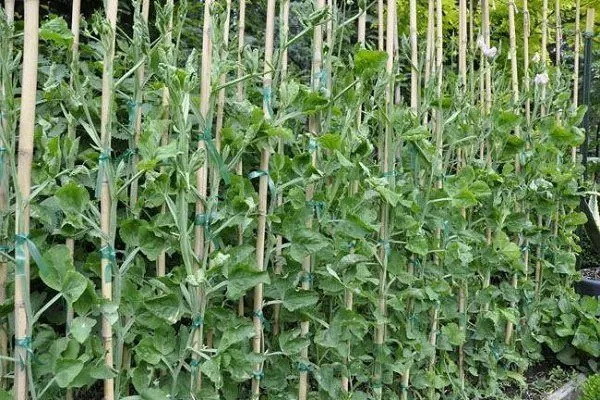
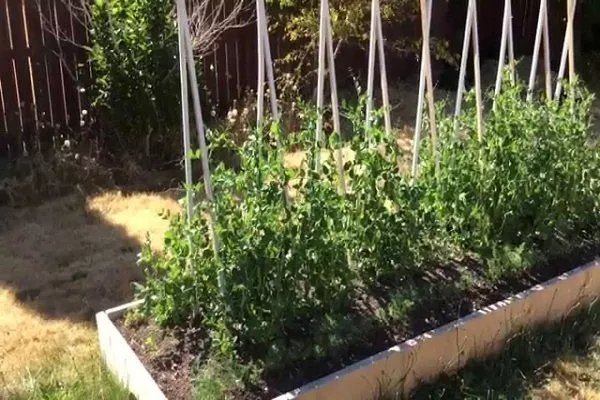
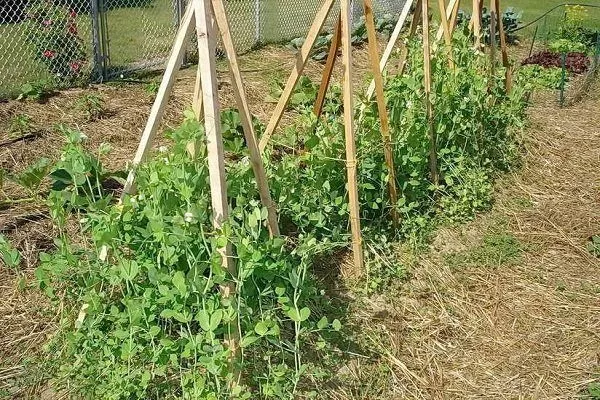
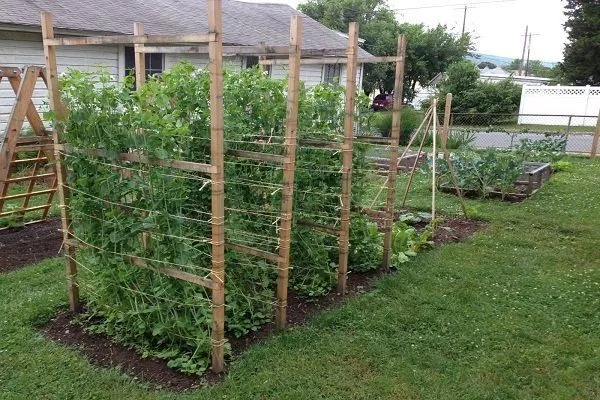
The height of the structure should not be less than the length of the stems (depending on the variety), but elements up to 2 meters tall are preferred. It's best to install any supports before planting the seeds.
Pest and disease control
Tall peas, when strictly maintained, are rarely susceptible to disease. What are the most common diseases and pests, and what are the available methods for control and prevention?
- powdery mildew – treatment with fungicides (Skor, Fundazol, Topaz, etc.);
- Fusarium – destruction of affected bushes, prevention of over-watering of the soil;
- rust - spraying with Bordeaux mixture;
- axochitosis - copper oxychloride;
- aphid;
- pea stalk;
- garden moth;
- leaf roller.
You can get rid of insects and prevent pest infestations with an infusion of garlic and tomato tops. Suitable chemical-based products are available at specialty stores.
Harvesting and storage
Tall peas are harvested as the pods ripen. The bottom-growing pods ripen fastest, so you won't be able to harvest all the peas at once. If you plan to store the peas with the pods, be sure to use garden shears to trim the peas.
- ✓ The pods should be full but not overripe to avoid loss of flavor.
- ✓ The color of the pods changes from bright green to a lighter shade when ripe.
How to store peas:
- in the refrigerator (no more than a week);
- in dried form - drying is done in natural conditions (under the sun) or in an oven, storage in an airtight container;
- in the freezer - pack in a plastic bag and place in the chamber;
- in the form of canned food.
Reviews from gardeners
Tall peas are considered versatile because they can be used in a variety of applications and require little attention or care (supplied supports are sufficient). Thanks to their good yield, you'll provide yourself and your family with a healthy crop year-round.