
Peas are a valuable legume grown throughout virtually all of Russia. The plant is known for its frost resistance, early maturity, and high nutritional value. This article will teach you the intricacies of planting and caring for peas, as well as methods for combating the most dangerous diseases and pests.
Characteristics of culture
Peas are an annual herbaceous crop that, depending on the variety, can reach a height of 1.5 meters. The plant can have a creeping or standard stem, straight or branching. At its apex and in the internodes are modified leaves called tendrils, which twine around a nearby support. The leaves are light green and paripinnate.
Peas have a branched taproot system that extends into the soil to a depth of 0.8-1 m. Nodule bacteria develop in the nodes of small roots and branches, saturating the soil with nitrogen.
Flowering begins 1-1.5 months after sowing the seeds. Flowers are beige, purple, or pinkish, and are borne in clusters in the leaf axils. Peas are self-pollinating, but cases of partial cross-pollination have been reported.
The fruit is a bivalve pod containing 4 to 10 seeds arranged in a row. The seed coat can vary in color from green to dark purple, and can be smooth or wrinkled. Peas come in two types:
- Sugar. The inside of the green pods lacks the parchment layer, so they can be eaten along with the peas. The seeds of the sugar varieties are smaller, but juicy and sweet.
- Shelling. The rough, tasteless shells of shelling peas are not edible. When fully ripe, the pods are cut from the bush, and only the edible seeds are removed. These peas can be eaten fresh or stored.
The most popular sugar snap pea varieties are: Detsky, Medovy poduchok, and Karaganda. Among shelling varieties, the following have proven themselves: Ranniy, Prevoskhodny, and Pobeditel.
Planting peas in open ground
Peas are an easy-to-care-for, early-maturing crop. They are grown without seedlings by sowing the seeds directly into the soil. After planting, the first shoots appear within 5-10 days. When purchasing seeds, pay attention to the length of the pea's growing season. Specialty stores offer early, mid-early, and late-season varieties.
Before sowing, it is necessary to carry out preparatory measures:
- select a suitable site;
- determine the correct sowing time;
- prepare the ground;
- process the seeds.
Choosing a location
This herbaceous plant thrives and produces fruit in open, sunny, and well-ventilated areas. The best predecessors for peas are nightshade and pumpkin crops.
Since peas have a taproot system, avoid sites with high groundwater levels. If the roots are constantly waterlogged, they will rot and the plant will die.
Climatic conditions for growing
Regions with a temperate climate are best suited for vegetable crops, but with the right variety selection, you can achieve bountiful harvests even in cooler conditions. Young seedlings can tolerate temperatures down to -6°C (-20°F) without damage, while flowering plants can withstand temperatures down to +2°C (33°F).
In this video, an experienced gardener explains when to plant and how to grow peas outdoors:
The optimal temperature for fruit set ranges from 12 to 15 degrees Celsius, while for bean growth, it ranges from 17 to 21 degrees Celsius. Due to its high frost resistance, the plant is grown throughout virtually all of Russia, including the central and northwestern regions.
Sowing time
Since pea seeds germinate at temperatures starting at +1°C (33°F), they are sown outdoors quite early. The sowing time is chosen based on the climate and weather conditions of the region where the plot is located. In Siberia, early May is considered the favorable time for planting legumes, while in central regions, the first ten days of April are considered favorable. In areas with milder climates, peas can be sown from mid-March.
Soil and light requirements
To sow pea seeds, choose a site with light, fertile soil. For proper plant development, the soil pH should be between 6-7. Peas grow slowly in acidic soils and are prone to disease. Peas also dislike soils that are oversaturated with readily available nitrogen, which can delay flowering and harvest. Peas love the light, so choose sunny sites protected from drafts.
- ✓ The optimal root system depth for peas is 0.8-1 m, which requires deep soil cultivation before planting.
- ✓ The soil pH level must strictly correspond to 6-7, otherwise the plant will develop slowly.
The best neighbors for peas
The nodule bacteria that develop on pea roots enrich the soil with nitrogen, which is beneficial for most garden crops. This proximity is particularly beneficial for cucumber, carrot, and turnip yields.
Companion planting with herbs, especially mustard, will help protect peas from codling moths and inhibit weed growth. Planting with tomatoes promotes the growth of legumes and improves the quality of the harvest.
Soil preparation
The land is prepared in the fall:
- The area must be dug deeply and half a bucket of compost, 35 g of superphosphate and 25 g of potassium chloride per 1 sq. m must be added to the soil.
- If the soil in the area is acidic, add wood ash along with fertilizer at a rate of 100 g per square meter. Then dig the area again and water it.
Pre-sowing seed treatment
Seed preparation is an important step towards a bountiful pea harvest. First, you need to remove any defective peas. Dissolve 30 grams of table salt in 1 liter of water and pour the seeds into the resulting salt solution. Full-weight, high-quality seeds will settle to the bottom, while defective ones will float.
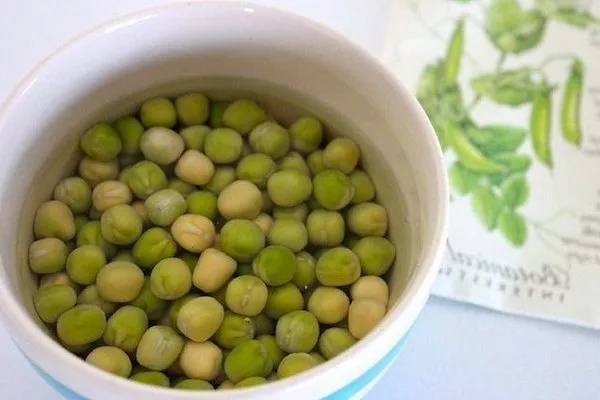
Some gardeners recommend germinating the seeds before planting. To do this, simply wrap the peas in a damp cloth and place them in a container, covering it with a lid or cling film. This greenhouse-like structure is then placed in a warm place for 24 hours.
You can warm up the seeds immediately before planting by soaking them in water at about 50 degrees Celsius for 5 minutes. After warming, dry the peas thoroughly with a napkin or lay them out in the sun.
The process of sowing pea seeds
Once all the preparatory work is completed, you can begin sowing the seeds. The pea planting process is as follows:
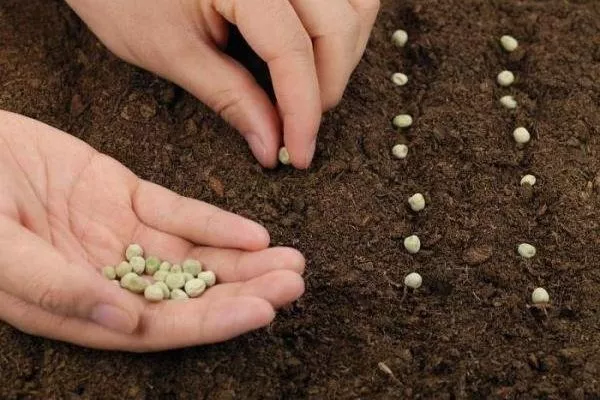
- In the prepared area, make furrows 5-8 cm deep. The distance between rows should be at least 40-50 cm.
- Sprinkle the furrows with a mixture of wood ash, compost and fertile soil to a layer of 2-3 cm.
- Water the furrows generously.
- Sow seeds 5-6 cm apart.
- Fill the furrows with soil and compact it.
Plant care
Peas are easy to care for. If you've properly prepared the plot and sown the seeds, the plants won't cause you any problems. Caring for peas involves timely watering, loosening the soil, and regular fertilizing. Some varieties also require staking.
It's especially important to pay attention to peas during budding and fruit ripening, as this is when the plant devotes all its energy to forming the future harvest. Insufficient care can lead to deterioration in bean quality and reduced plant productivity.
Watering
Peas appreciate frequent, abundant watering, especially in regions with hot, dry summers. For proper growth, plants require at least 10 liters of water per square meter. During the active growth period, peas should be watered 1-2 times a week. From the beginning of flowering, moisten the soil every 3 days.
Plants can withstand short-term drought during the seedling growth period. However, failure to provide adequate water during the fruit ripening period can lead to premature cessation of fruiting and reduced yield.
Garter
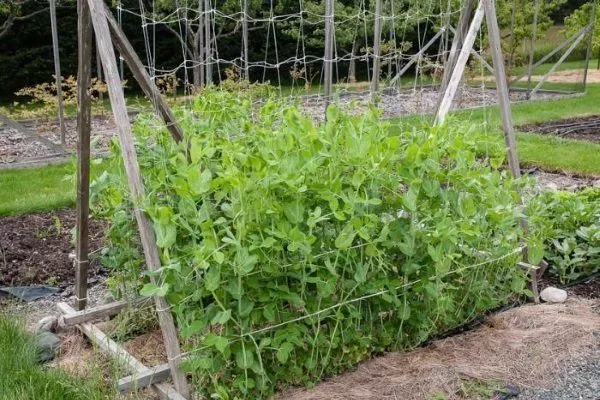
Most popular pea varieties have recumbent stems. For full development and better light, the plant needs support. Staking should begin when the stem reaches 10-15 cm in length. Support options include:
- metal or wooden stakes used to form a trellis;
- special nets for climbing plants;
- arcs for a greenhouse.
Pinching the tops
Some experienced gardeners recommend pinching the top of the pea plant when it reaches 20-25 cm in height. This will encourage new side shoots to emerge from the growing point, which will eventually produce a harvest. The plant will become more branched and grow shorter.
Protecting seedlings from birds
Birds prey on both newly planted legume seeds and young seedlings. Crows, thrushes, and rooks are the most common predators.
You can protect plants from birds using light-transmitting covering material or special netting. To do this, drive stakes around the perimeter of the plot and stretch the material over the planting area. You can also cover the beds like a greenhouse by constructing a frame of metal arches and stretching the netting over them.
Loosening the soil
Pea plants should be regularly loosened and weeded. This is best done after watering. Seven to 10 days after the first shoots emerge, be sure to loosen the soil and hill up the plants. This is necessary to oxygenate the soil and root system.
Features of feeding
The first feeding of peas in open ground is done during the period of active green growth before flowering. During this period, it's best to use organic fertilizers, such as nettle infusion or mullein solution. The liquid fertilizer is diluted with water at a ratio of 1:10 and watered at a rate of 3 liters per square meter.
After flowering, you can feed the bushes with nitroammophoska. Dissolve 1 tablespoon of the powder in 10 liters of water and water your beds.
Pest and disease control
Due to poor agricultural practices and unfavorable weather conditions, peas are often susceptible to various diseases. The most dangerous of these are:
- Fusarium root rot – an incurable disease caused by fusarium fungi. Symptoms include yellowing of the lower leaves and the appearance of brown spots on the underside of the stem. Over time, the taproot dies, and the plant dries out. After harvesting peas, be sure to destroy all plant debris to prevent the spread of the disease.
- Rust – the most common disease of legumes in all climate zones. Bushes are affected during budding and early flowering. Leaves become covered with brown, powdery pustules, which become almost black by late summer. Affected leaves die, and plant growth slows. The fungus can be controlled by spraying the bush with a 1% Bordeaux mixture at least 20 days before harvest.
- Powdery mildew – a fungal disease that attacks the leaves, stems, and pods of peas. Affected parts of the plant become covered with grayish-white spots, which eventually turn brown. The plant suffers from nutritional deficiencies, growth is stunted, and fruit quality declines. To stop the disease from progressing, spray the plants with 1% colloidal sulfur.
- Ascochytosis – a dangerous disease that can destroy an entire pea crop. Young seedlings die immediately, while mature plants experience stunted growth and lose a significant portion of their leaves and stems. The disease can be recognized by the presence of dry spots with brown spots along the edges. If the problem is detected, immediately spray the crops with 0.4% copper oxychloride.
- ✓ The presence of nodule bacteria on the roots is a sign of a healthy plant.
- ✓ The absence of spots on leaves and stems indicates the absence of diseases.
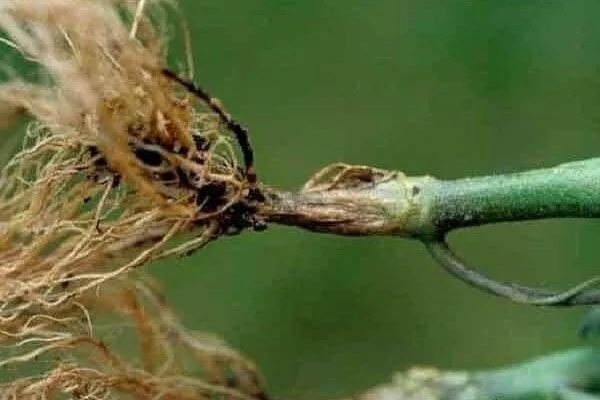
Fusarium root rot
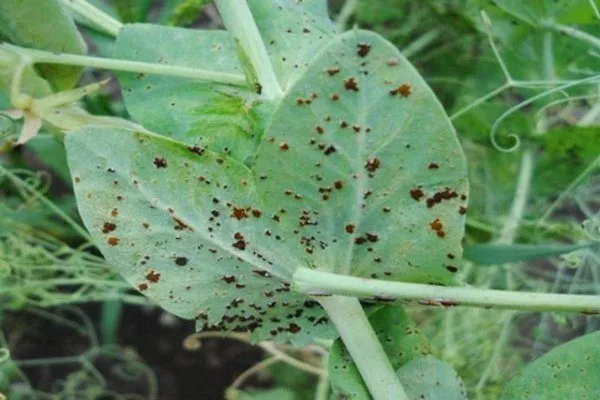
Rust on peas
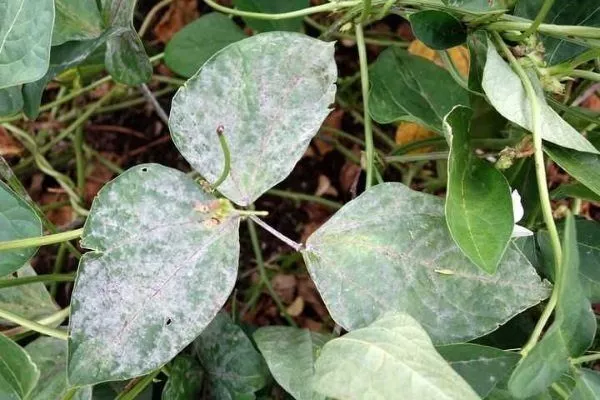
Powdery mildew on peas
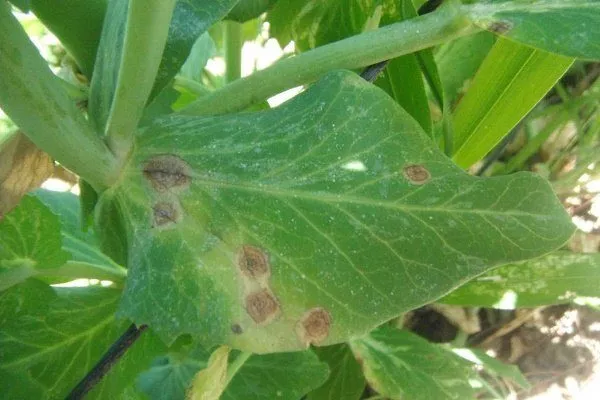
Ascochytosis of pea
Peas often suffer from pest attacks. The main enemies of the crop are: pea moth And owlThe first lays eggs on young leaves during flowering. The hatched caterpillars burrow into the beans and eat the seeds.
Pea armyworms prefer to lay their eggs on the undersides of leaves. After hatching, the young green caterpillars feed on the green foliage of the plants. A wormwood infusion is recommended for controlling these pests. To prepare it, pour 200 g of chopped wormwood into 10 liters of water and boil for 45 minutes. Apply the infusion to the pea leaves once or twice a week during the egg-laying season.
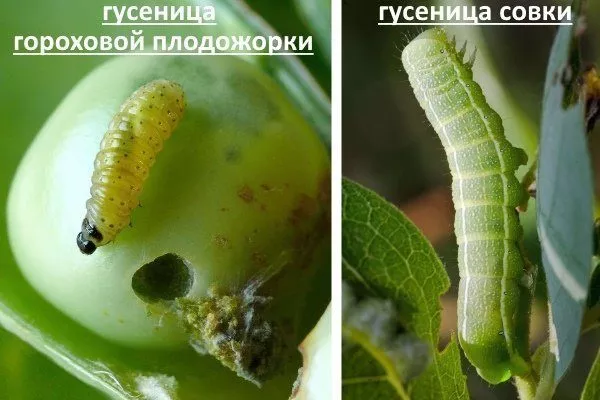
Harvesting and storage
Pea pods are ready for consumption within 1-1.5 months after flowering. The beans ripen gradually, so they should be harvested every 2-3 days. The lower pods ripen first. Depending on the variety, approximately 4 kg of peas can be harvested from 1 square meter of peas.
Harvested green peas quickly wilt and spoil, even in the refrigerator, so it's not recommended to store them fresh for more than 5 days. For long-term storage, young sugar snap peas are canned or frozen.
You can also dry peas:
- First, boil it in boiling water for 2 minutes, then drain it in a sieve and rinse thoroughly with cold water.
- After this, place the fruits in the oven for an hour and dry at a temperature of 50 degrees.
- Let it cool.
- Place the peas in the oven a second time for the same amount of time, preheating it to 70 degrees.
- It is recommended to store dried peas in a glass container with a tight-fitting lid.
Secrets of a Rich Harvest
To get a rich pea harvest, you should follow a few simple rules:
- Before planting seeds, till the soil to a depth of at least 25 cm. Deep tilling will improve soil aeration, which will positively impact the development of the plant's root system.
- Try to purchase seeds of varieties that are resistant to the main pea diseases.
- During the fruiting period, harvest as often as possible, as overripe pods inhibit the growth of young ones.
- To enjoy young peas all summer long, sow seeds several times at 2-week intervals.
- Peas do not set fruit well in extreme heat, so try to plant the crop as early as possible, taking into account the weather conditions in your region.
Growing peas isn't difficult. Just follow these simple rules and tips, and you'll reap a bountiful harvest.
Thank you, daughter! Everything was explained so clearly!
Health and happiness to you, beauty!
A very informative article. Thanks to it, I managed to get a great harvest this year, whereas before, I had problems. I'll even include a photo. Thank you so much for the detailed description and, most importantly, the accurate information!