
Sugar snap peas are a subgroup of this crop. It includes many different varieties, each with varying yields and other characteristics. Proper cultivation will help maximize these characteristics.
General characteristics
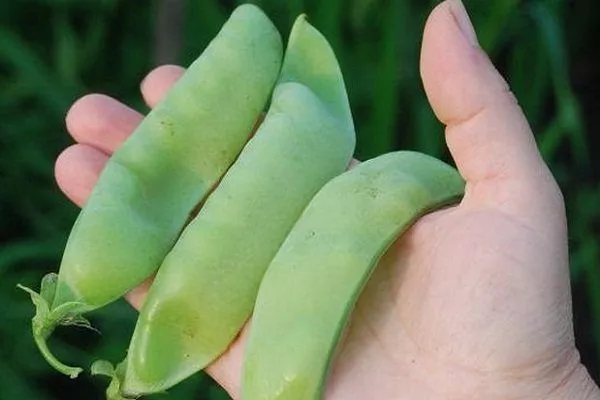
The name sugar snap peas comes from their chemical composition. They have a higher sugar content, which explains their sweeter taste.
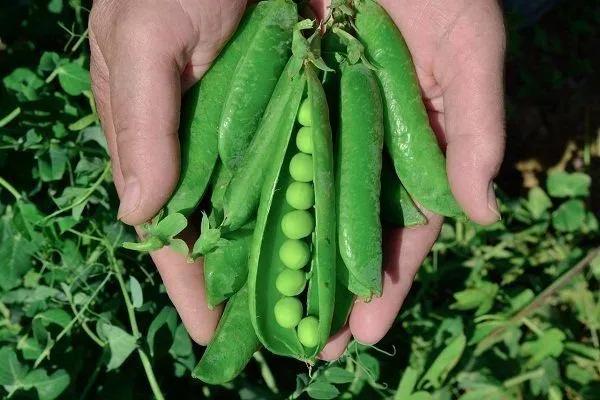
The fruit of the crop is a pod consisting of pods and peas. The absence of a parchment layer in the pods allows young sugar snap peas to be eaten whole.
The general characteristics of the cultivar group are as follows:
- height up to 2 m, rarely less than 0.5 m;
- the pods are up to 12 cm long and contain up to 10 peas;
- ripening periods vary, not less than 30 days, can reach 3-3.5 months;
- fruiting period – up to 6 weeks;
- 1 sq. m can produce up to 4 kg of fruit.
Sugar snap peas are primarily a food crop. Their fruits are delicious fresh, can be used in a variety of dishes, and are suitable for preserving for the winter in a variety of ways.
The best varieties
| Name | Plant height (m) | Pod length (cm) | Ripening period (days) |
|---|---|---|---|
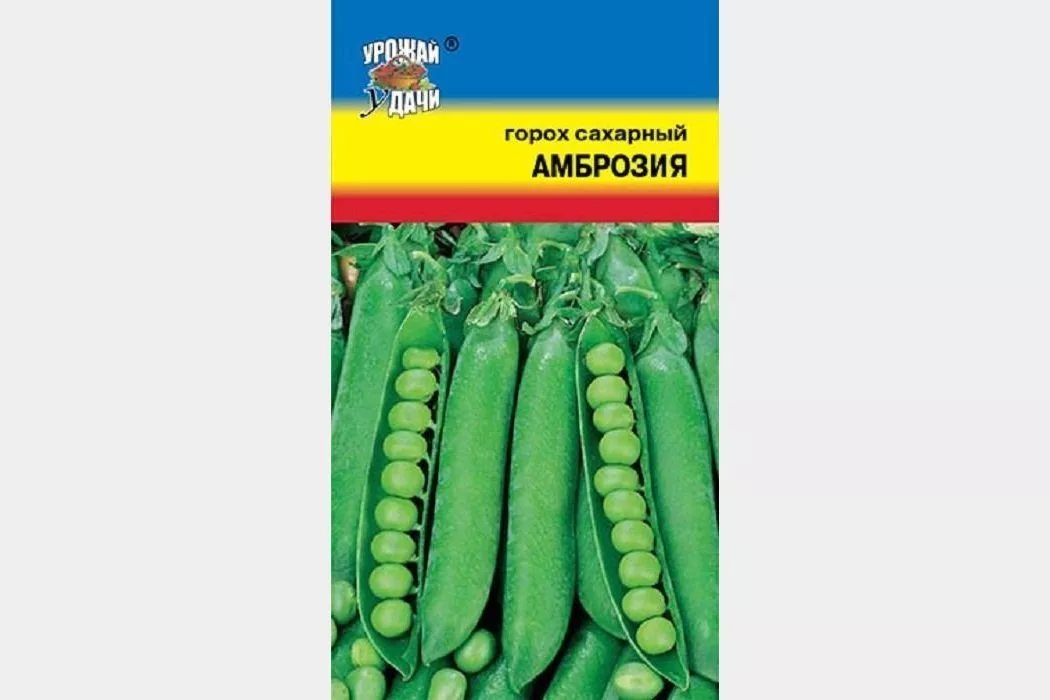
| Ambrosia | 0.5-0.7 | 9 | 55 |
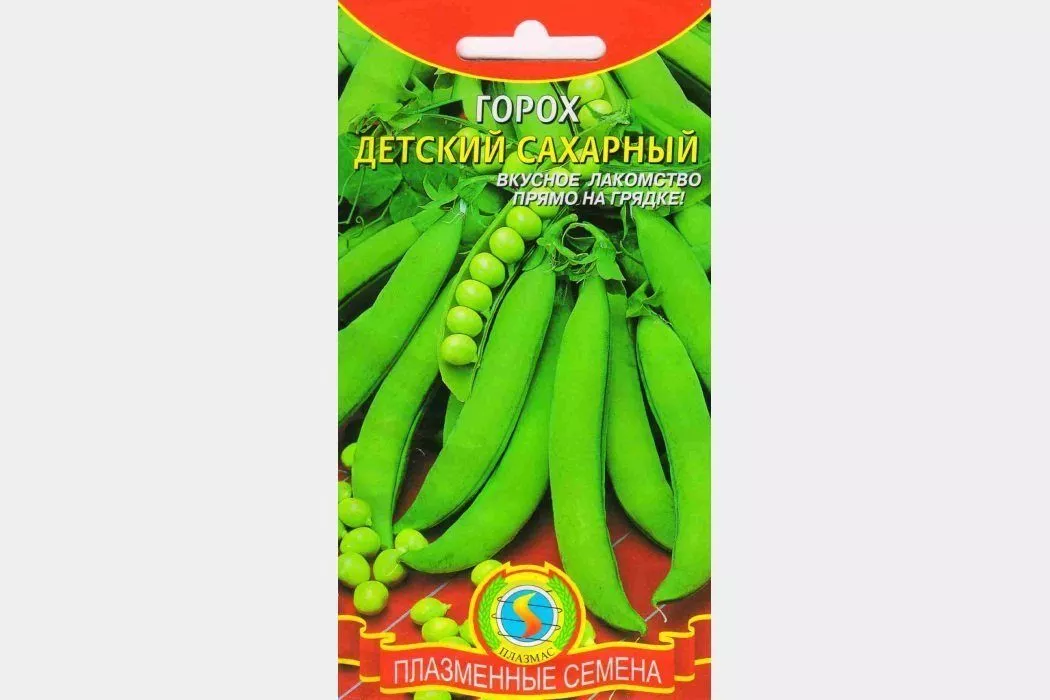
| Children's sugar | 0.8-0.95 | 11 | 40-45 |
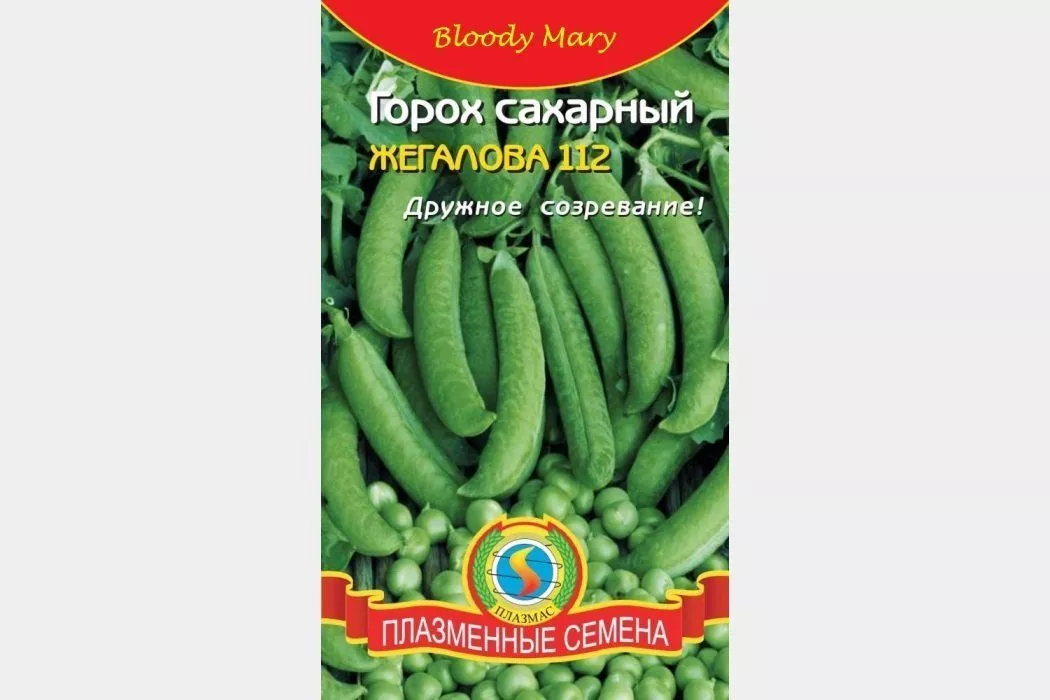
| Zhegalova 112 | 1.2-1.8 | 15 | 50 |
| Inexhaustible 195 | 0.8-1.1 | 8-10 | 45-60 |
| Oscar | 0.8-0.9 | 10 | 65-70 |
| Sugar slider | 0.7-0.75 | 10 | 53-55 |
| Sugar Honey Cake | 0.9-1.2 | Average | 45 |
| Sugar Oregon | 0.7 | 10 | 57-62 |
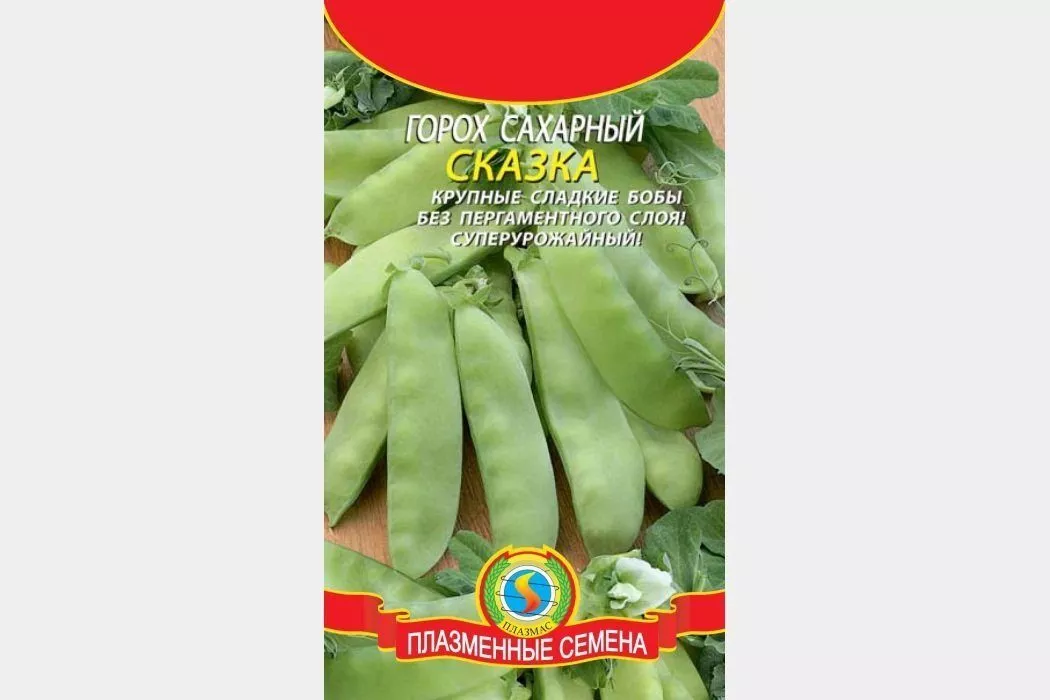
| Fairy tale | 1-1.5 | 9 | 80-90 |
- ✓ Resistance to diseases typical for the growing region.
- ✓ Adaptation to climatic conditions (length of daylight hours, temperature fluctuations).
- ✓ Requirements for soil composition and acidity.
There are many varieties of sugar snap peas, but some deserve special attention:
- AmbrosiaGrows up to 0.5-0.7 m, maturing in approximately 55 days. Pods are 9 cm long, peas are 0.8-0.9 cm in diameter. Up to 1.2 kg can be harvested from 1 square meter. The taste is sweet.

- Children's sugarHeight up to 0.8-0.95 m, ripens in 40-45 days. Pods up to 11 cm, each containing 7-9 peas. One square meter yields up to 1.5 kg. The taste is sweet, the shoulders are fleshy.
- Zhegalova 112Grows up to 1.2-1.8 m, ripening in 50 days. Pods up to 15 cm, each containing 5-8 peas. One square meter yields up to 1.5 kg. The flavor is excellent, and the pods are fleshy and juicy.
- Inexhaustible 195Height up to 0.8-1.1 m, ripens in 45-60 days. Pods are 8-10 cm, each containing 6-7 seeds. Yield per square meter is 0.8 kg. This variety is suitable for industrial cultivation and is characterized by its high vitamin content.
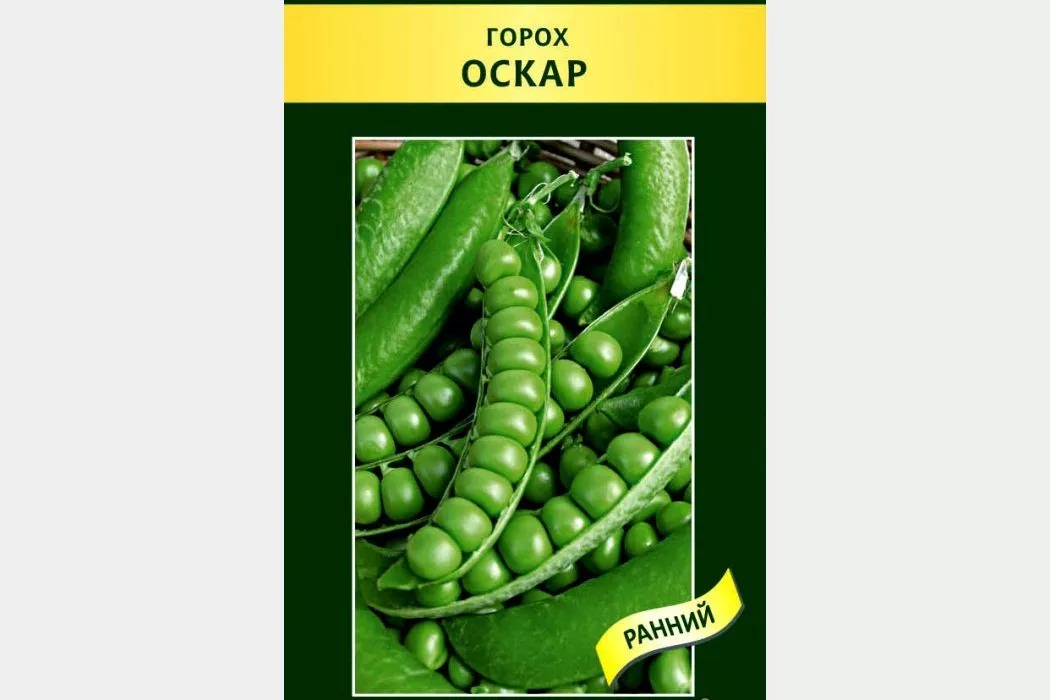
- OscarIt grows to 0.8-0.9 m and matures in 65-70 days. The pods are 10 cm long, containing 10-12 peas each 0.8-1 cm in diameter. Up to 0.9 kg can be harvested from 1 square meter. This variety is attractive for its high disease resistance.
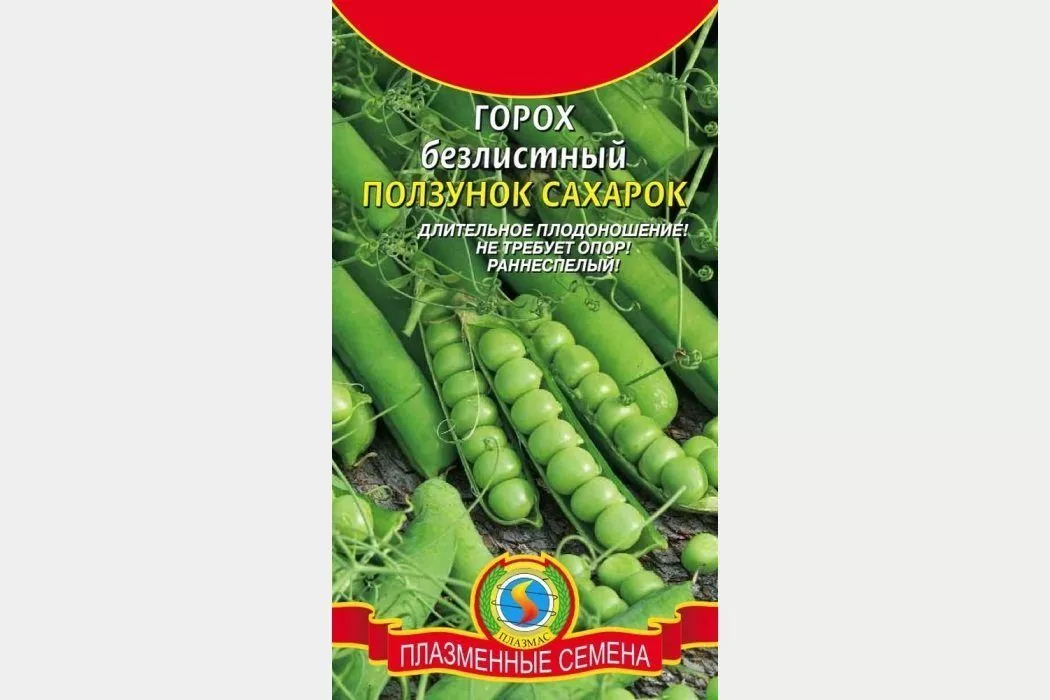
- Sugar sliderHeight up to 0.7-0.75 cm, ripening in 53-55 days. Pods are 10 cm long, containing 8-9 peas. The flavor is delicate and sweet. This variety is leafless, and the fruiting period is record-breaking. This creeper is particularly demanding of moisture.
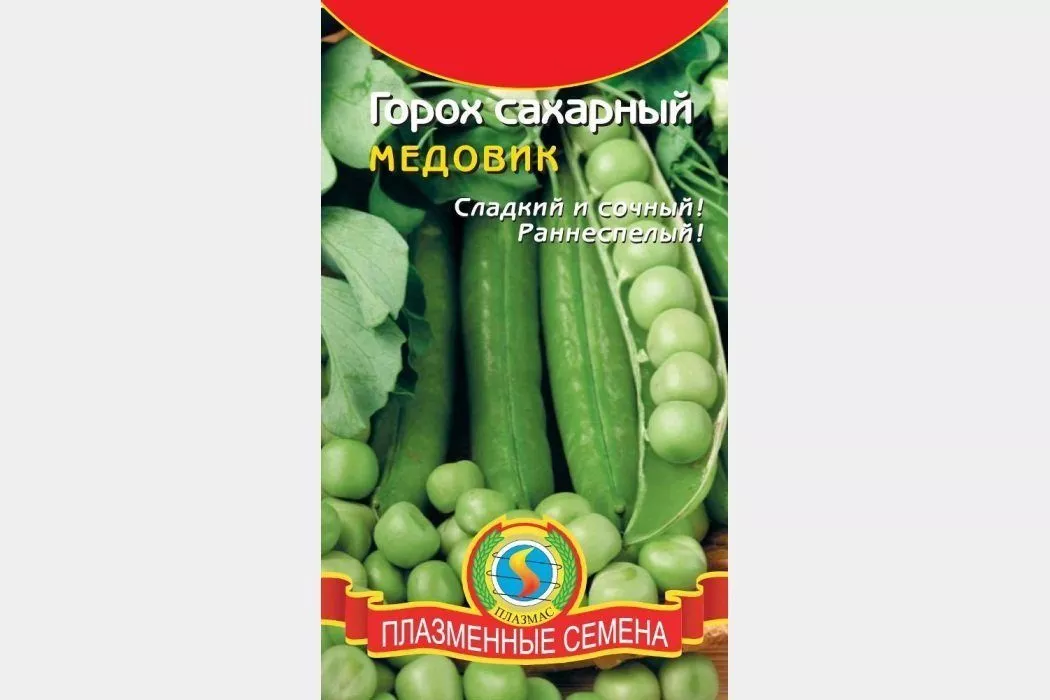
- Sugar Honey CakeGrows to 0.9-1.2 m, maturing in 45 days. The pods are medium-length, yielding up to 0.6 kg per square meter. The peas have a very sweet and delicate flavor.
- Sugar OregonHeight up to 0.7 m, ripens in 57-62 days. Pods are 10 cm long, containing 5-7 peas. The pods are fleshy, with a sweet taste.
- Fairy taleGrows up to 1-1.5 m, maturing in 80-90 days. Pods are 9 cm long, each containing 9-10 peas. The yield is high, the flavor is sweet, and the pods are fleshy and juicy.

Landing
Peas are usually planted early; they tolerate light frosts well. Sugar snap pea varieties are recommended to be sown later than shelling varieties, as they prefer warmth. They are not affected by cold, but germination will be delayed.
The best time to plant the crop is early May. The timing may vary depending on the regional climate. Peas should be planted when the air temperature reaches 12 degrees Celsius (55 degrees Fahrenheit) and nighttime temperatures drop no lower than 2 degrees Celsius (36 degrees Fahrenheit).
When choosing a site, keep crop rotation rules in mind. The following crops are considered good predecessors for peas:
- potato;
- sugar beet;
- oats;
- barley;
- buckwheat;
- corn;
- pumpkin;
- tomatoes;
- cucumbers.
Sugar snap peas are grown in sunny areas, although some varieties can tolerate partial shade. They thrive in sandy and loamy soils, preferring neutral pH. The site should be open and well-ventilated, and avoid proximity to groundwater.
Site preparation should begin in the fall. When digging the beds, add organic fertilizer—up to 6 kg per square meter. Weeds and old plants must be removed, and plant debris must be burned. In the spring, ash can be effectively added when loosening the soil. Liming helps reduce soil acidity.
Sugar pea seeds must be properly prepared for sowing:
- Sort out the planting materialRemove all rotten and damaged specimens.
- Check germinationTo do this, dissolve 1 tablespoon of salt in a liter of water and place the seeds in the resulting solution. Discard any seeds that float to the surface; they won't germinate. Rinse and dry the remaining seeds.
- Soak the seed material To speed up germination, soak the seeds in room-temperature water for 12 hours, changing the water every 3 hours. For the first 3 hours, you can soak the seeds in a solution of Humate, Epin, or Nitragin—this will speed up germination and increase disease resistance.
Before sowing sugar snap peas, loosen the beds. This should be done on the day of planting. The soil should be moistened before sowing. It is recommended to make beds no more than 1 m wide.
Sugar snap peas are planted from seeds. It's convenient to dig holes for this. The planting pattern depends on the variety—all recommendations can be found on the seed packet. They should be planted 3-6 cm deep, taking into account the soil density. Leave 25-30 cm between rows and at least 10 cm between adjacent plants. After distributing the seeds into the holes, cover them with soil and compact them lightly.
It's recommended to provide shelter before the seedlings emerge to prevent birds from stealing the peas. Netting, film, grass, straw, and branches are all suitable for this purpose.
Caring for the crop during cultivation
When growing sugar peas, comprehensive care is important.
Watering
Adequate moisture is essential for good plant growth and development. Overwatering can lead to disease.
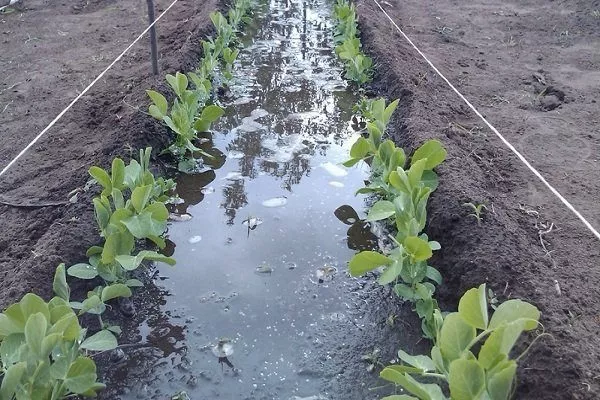
For watering peas Drip irrigation is ideal; for individual beds, a watering can with a fine mesh is sufficient. Approximately 10 liters of water are required per square meter.
Sugar snap peas need to be watered once a week. During flowering, watering increases to 2-3 times a week. The soil should always be kept moist. During dry periods, water every 5 days; during rainy periods, no additional watering is required.
After watering, it's necessary to loosen the spaces between the rows. This is important for good soil aeration. Instead of loosening, you can mulch.
Top dressing
If the plot is properly prepared in the fall and the soil is fertile, peas may not require additional feeding during cultivation. The crop responds well to potassium-phosphorus fertilizers. Potassium salt and superphosphate can be used, adding 10 g of each to a bucket of water. The first application should be made before flowering, then repeat at two-week intervals.
If the soil is depleted, it is recommended to water it with an herbal infusion. Seedless nettles are best for this purpose.
Weeding
A mandatory part of comprehensive care when growing sugar snap peas. Weeds must be removed regularly, and any debris must be removed immediately.
Avoid allowing weeds to grow too much, as removing them will be difficult. Peas have thin stems and often become entangled with other plants, making the job much more difficult.
Weeds draw out a lot of moisture and nutrients essential to the crop. Without timely weeding, peas experience poor growth and development, increasing the risk of disease and pests.
Tying up
This should be done when the stems reach 15-20 cm. At 30-40 cm, they will begin to lodging without support. Staking reduces the risk of disease and ensures even distribution of sunlight for crop development, fruit growth, and ripening.
Pest and disease control
A common problem with peas is infection by various fungi:
- Ascochytosis;
- root rot;
- downy mildew;
- powdery mildew;
- rust;
- gray rot.
To combat them, fungicides are used:
- Bordeaux mixture;
- Fundazod;
- Trichophyte;
- Alirin;
- Fitosporin-M.
Folk remedies can also help: spraying with a solution of potassium permanganate or an infusion of onion peels. Affected plants should be removed, and plant debris burned.
Another problem is bacterial blight, which manifests as large brown spots. To combat it, spray with the following products:
- Bordeaux mixture;
- copper sulfate;
- Fitolavin;
- Gamair.
Peas also have many potential pests:
- GrainIt is necessary to fight it with special preparations: Caesar, Accord, Zeppelin, Tsunami.
- Pea mothPesticides such as Alkot, Operkot, and Abzats can help combat this. Garlic infusion is also effective.
Plantings need to be inspected regularly. Failure to take timely measures against disease or pests can result in significant losses to the harvest.
Harvesting and storage
Sugar snap peas should be harvested gradually, as they ripen. The pods should be picked carefully to avoid breaking the stems.
Sugar snap peas are very tasty, so they are often eaten fresh. The pods should be stored in the refrigerator or another cool place. There, they can last up to 2-3 weeks.
For long-term storage of crops, various methods are used:
- FreezingBoth peas and whole pods can be frozen. First, spread the ingredients in a single layer, then place them in a bag or container once frozen.
- CanningPeas are most often prepared in a marinade of water, vinegar, salt, and sugar.
- DryingPeas can be dried naturally, in an oven, or in a special dehydrator. Store the raw materials in airtight containers.
To learn how to preserve peas, watch the following video:
Sugar snap peas are tender and sweet, making them a favorite among children. Growing them is easy, and the harvest can be prepared in a variety of ways. When planting and caring for them, follow the recommendations for the specific variety.
I'm a beginner gardener. I inherited my garden, but my husband didn't want to sell it. Thank you for sharing information so clearly for gardening novices. The peas are very interesting. This year I'll be planting both sugar snap peas and shelling peas. I'll definitely follow at least some of the recommendations. Thank you!