
The Prelado pea variety attracts gardeners with its early harvest and resistance to weather and disease. Following simple care guidelines during cultivation ensures a bountiful harvest.
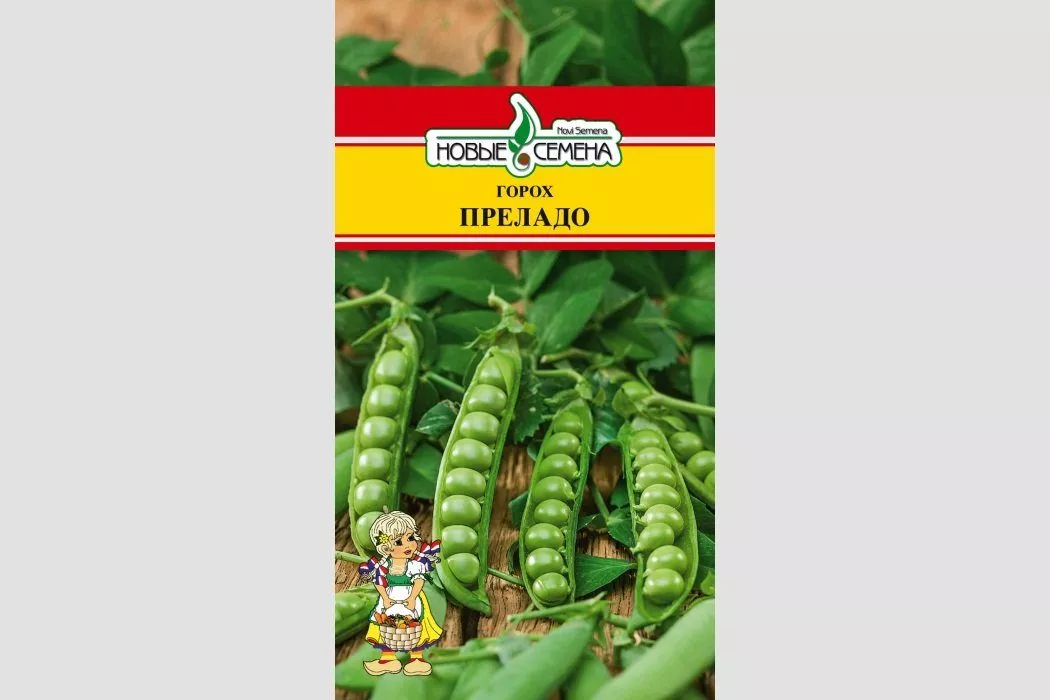
Peas Prelado
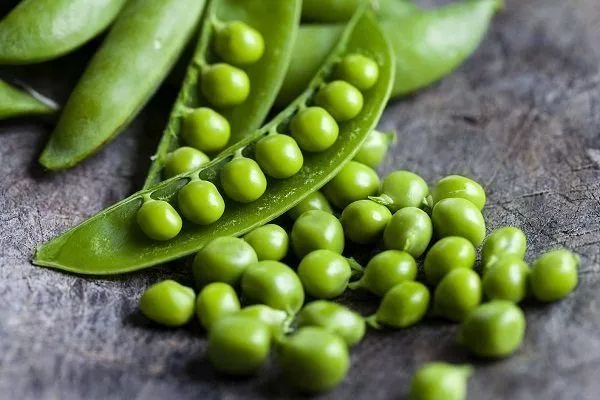
Prelado peas tolerate frost well.
Prelado peas without pods are stored longer
Description of the variety
Prelado is a very early pea variety. In most regions, it ripens first, requiring up to 60 days from germination to harvest. It's a shelling variety, meaning the inside of the pea pods is covered with a thick, parchment-like layer.
This variety produces firm, medium-sized fruits with a pleasant flavor. The plant itself reaches up to 70 cm in height, with regular leaves. Prelado is easy to grow in most regions, and is resistant to heat and fusarium.
- ✓ Prelado peas have high resistance to fusarium, making them an ideal choice for regions with high humidity.
- ✓ The sugar content in peas reaches 9%, which ensures their sweet taste at the milky stage of ripeness.
Prelado is a brain-ripening variety of pea. This means that at the milky stage of ripeness, the peas are juicy and sweet (with a sugar content of up to 9%). However, if you miss this stage of harvesting, the actual ripeness period begins, when the peas become wrinkled and unsuitable even for soups.
Optimal conditions for growing
Although peas are an unpretentious crop, to get a rich harvest you need to choose the right location and prepare the soil.
- ✓ The optimal soil pH for Prelado peas should be within 6.0-7.5.
- ✓ The soil should be well-drained to avoid waterlogging, which can lead to root rot.
Peas aren't particularly picky about soil: they thrive in loamy soil, sandy loam, and even in drained marshes, but they thrive best in light soil. To ensure a good harvest, they should be planted in beds previously occupied by pumpkins, cabbage, or cucumbers.
Fertilizers are not necessary on a garden plot with fertile soil. To prepare a barren site, apply potassium-phosphorus fertilizers to the preceding plants, and then dig up the soil with the rotted fertilizer in the fall.
You shouldn't add humus immediately before planting: the peas will turn into tops and bear little fruit.
Another site requirement for peas is adequate light. Peas are sown early, so they especially need sunlight. It's best to grow them where there's support—for example, along a fence or near young trees, so their canopy doesn't block the light.
The key to a good harvest is high soil moisture. Therefore, it's important to sow peas in a timely manner and remember to care for them as they grow.
Landing
Prelado is sown in the spring, usually in late April. Peas can withstand temperatures down to -6 degrees Celsius, so a short cold spell isn't a problem. However, during this period, nature itself provides the pea's main need—high soil moisture. Moisture levels determine how uniformly the seedlings will emerge. If for some reason (for example, due to late sowing) the bed is dry, it should be watered generously until the soil becomes sticky.
Peas can be grown dry or sprouted in a container with a damp cloth. To protect plants from root nodule weevils, soak the seeds in a boric acid solution for 5 minutes—1 gram of acid per 5 liters of water.
The landing pattern depends on the location:
- Along the fenceThe most convenient way to plant peas is in 1-2 rows, with a distance of 5-6 cm between seeds and 20 cm between rows.
- In a separate bedIn this case, a strip pattern is suitable: seeds are laid out in three rows, with a distance of no more than 15 cm between them. The distance between the strips should be 70 cm.
The seeds are planted 3-5 cm deep in the soil, watered, and mulched. The first shoots will appear in 1-2 weeks.
Caring for the crop
The most important aspect of caring for this plant is proper watering. If the moisture level is insufficient when planting, Prelado will germinate unevenly or not at all. If the mature plants are poorly watered, they will bear less fruit, and the fruit will lose its flavor and nutritional value. Water the plant daily, loosen the soil after each watering, and hill up young plants to conserve moisture.
Since peas love light, they need supports to cling to, allowing the plant to receive sufficient light. Large mesh, which can be secured with poles, works well as a support.
It's important to protect young seedlings from birds. For this purpose, they can be covered with netting.
If the soil wasn't fertilized before planting, the plant needs to be fed. To do this, add nitrophoska to the water used for watering young plants at a rate of 1 tablespoon per 10 liters of water.
Although Prelado is a disease-resistant variety, preventative measures must be taken:
- You can't plant peas in the same place every year - the bed is only suitable for re-sowing in the fifth year.
- Avoid planting plants too close together, as this can lead to root rot.
- Peas should be planted away from other legumes to prevent diseases from spreading to all plants.
- You should purchase grains from trusted sources.
- If any plant shows signs of rot, rust or powdery mildew, it should be removed immediately.
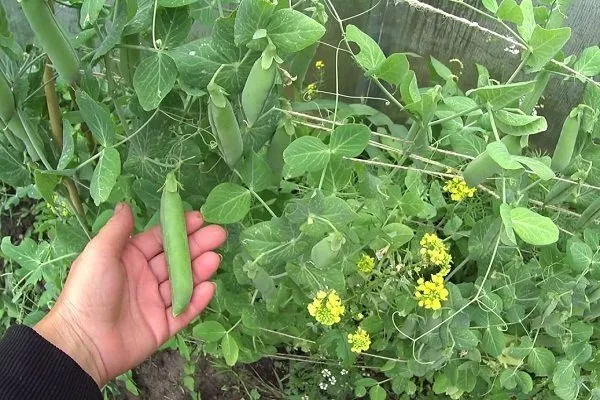
To prevent pests such as pea aphids and pea moths, spray plants with a garlic infusion: 10 g of crushed garlic steeped in 5 liters of water for 24 hours. This treatment should be performed during flowering.
Harvesting and storage
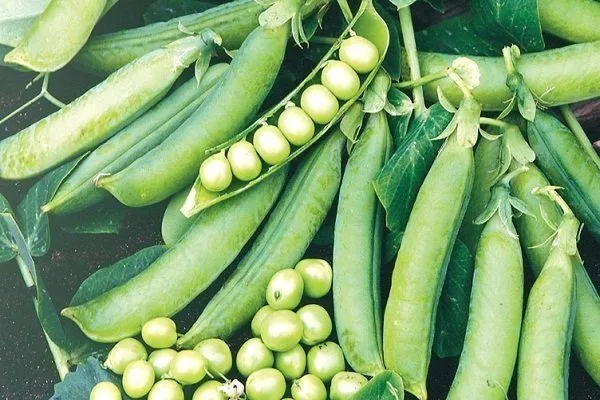
Harvesting begins about a month after the main flowering period. Timely harvesting of the pods stimulates plant growth. A sign of milky ripeness is a uniform green color and tightly packed peas within the pod. The fruiting period is quite long—about a month—and it's best to harvest the pods every day or two.
If you need seeds for sowing, wait until the lower pods are fully ripe: they become covered with a yellow net and become hard. Then, cut the plant at the root, tie it into bunches, and hang it in a dry, ventilated room until fully ripe. The resulting seeds remain viable for two years.
Storage of peas depends on the type in which they are harvested:
- Fresh peas Peas can be stored in the pods for up to a week in the refrigerator. Without the pods, they last longer, but will lose some flavor. To preserve peas longer, shell them and then freeze or can them.
- Dry peas Store in a dark, dry, well-ventilated place in any container. To ensure optimal storage conditions, you can place a cloth bag of salt in the container.
By following the recommendations in this article, any gardener can successfully grow, protect from spoilage, and reap a bountiful harvest of the ultra-early Prelado pea variety.