
Watering is one of the important components in the process growing peasThe plant is easy to grow, but it does require moisture for good growth and development. It's important to choose the right frequency, volume, and method of watering.
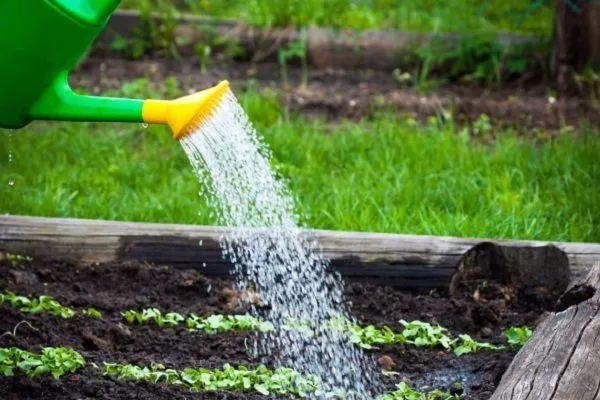
General rules for watering peas
Watering peas should be done properly. The following rules must be followed:
- change the watering regime during the season - before flowering and the formation of ovaries, the crop needs more moisture;
- water with a watering can with a fine mesh or arrange drip irrigation;
- do not allow the soil to dry out;
- water with warm water - it is enough to leave it in the sun for a few hours;
- watering rate – 10 l per 1 sq. m;
- After watering, always loosen the space between the rows or take care of mulching in advance.
Avoid watering peas from a bucket or with strong pressure, otherwise the roots will become exposed. This negatively impacts growth and increases the risk of disease.
Watering frequency
Before flowering, peas need to be watered once a week. It's important to consider the weather: on cool, rainy days, additional watering isn't necessary, but during dry periods, you can water the soil every 5 days.
Immediately after flowering, increase watering to 2-3 times a week. Depending on the soil and weather, the soil should always be moist. A similar frequency of watering is needed during fruit formation.
If there's a lack of moisture, flowers and ovaries will fall off. This will negatively impact the harvest.
Drip irrigation as the optimal option for watering peas
Drip irrigation is highly effective because the plant's root system is better saturated with moisture, which is distributed evenly. This type of irrigation prevents the topsoil from being washed away. As a result, the crop grows well, producing a decent harvest and juicy fruits.
- ✓ Ensure that the drip irrigation system is set up to deliver water directly to the root zone of each plant.
- ✓ Check drippers regularly for blockages to ensure even water distribution.
You can buy a ready-made drip irrigation system or make one yourself using available materials.
Proper watering of peas has a positive effect on the quantitative and qualitative characteristics of the harvest. While the crop does not tolerate drying out, overwatering is also harmful, so it is important to adhere to the recommended watering frequency.