
The common pea is the type species of the genus Pea and the most widespread and well-known. It is cultivated for a variety of purposes. There are several cultivar groups, some of which are further divided into subspecies. Growing peas is easy if you create optimal conditions and provide proper care.
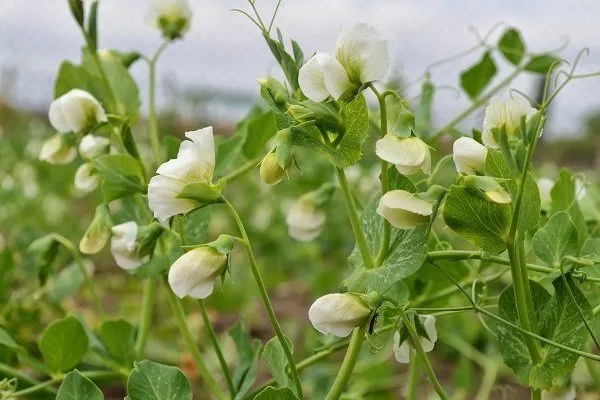
Pea flowers are self-pollinating.
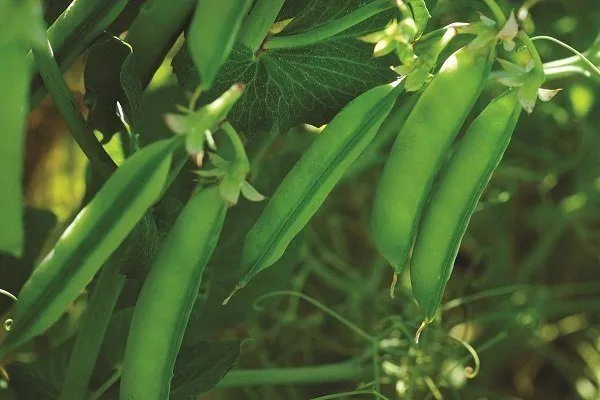
Peas
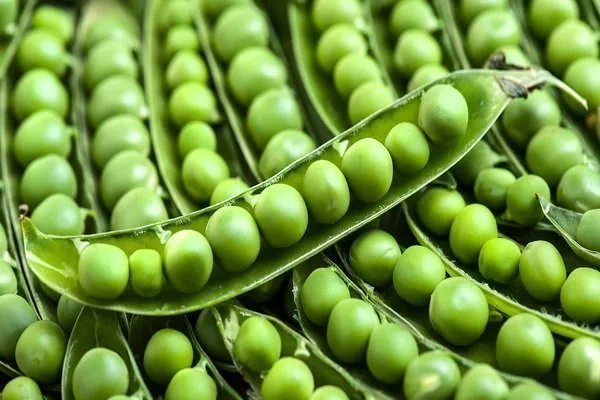
The yield of peas can reach 4 kg per square meter.
Description of the culture, characteristics, application
Pea is an annual crop. It is a herbaceous, climbing plant with the following characteristics:
- height – usually 0.5 m, can reach 2 m;
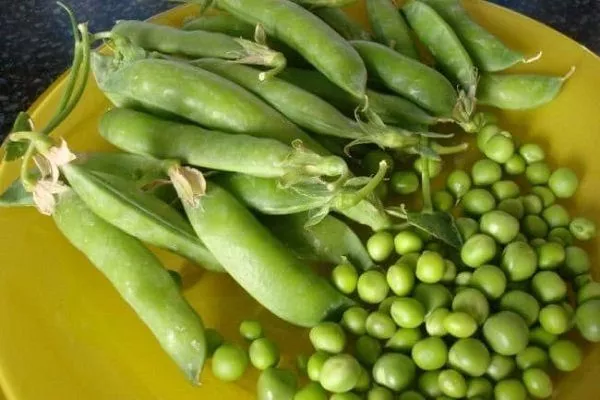
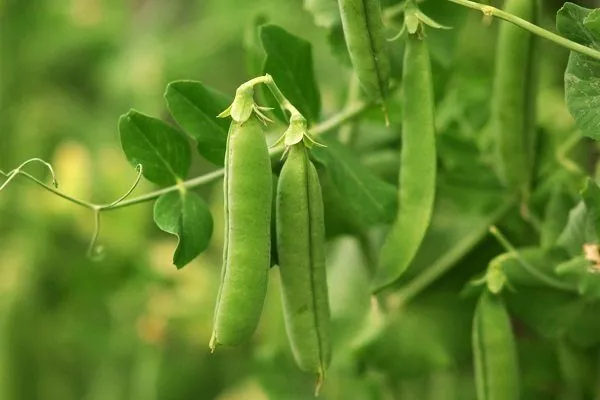
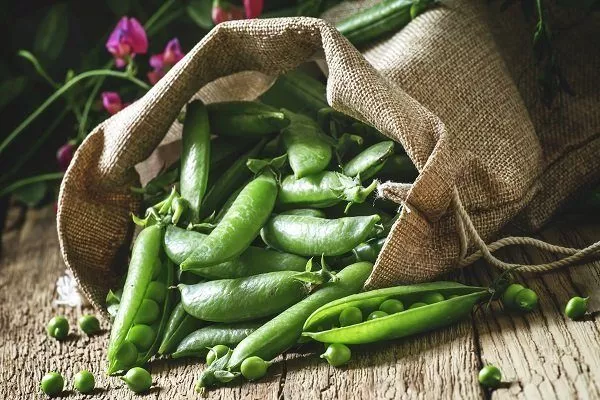
- beans are pods that can be 2.5-12 cm long and 1-2.5 cm wide;
- one bean can contain 2-10 seeds;
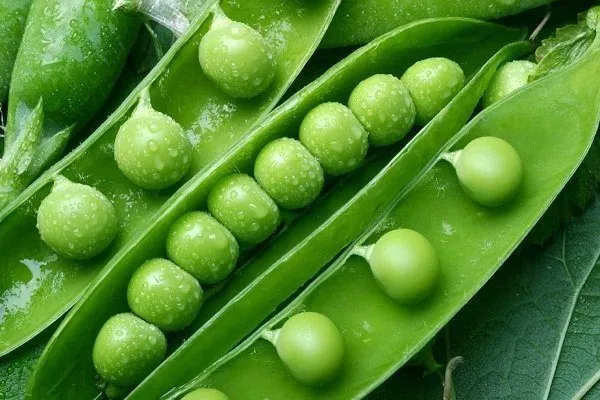
- seeds - peas, spherical or slightly compressed in shape;
- flowers are self-pollinating, usually white, less often pinkish or purple;
- maturation period – 30-120 days;
- fruiting – up to 40 days;
- The yield depends on the variety and can reach 4 kg per square meter.
Peas are cultivated primarily as a forage and food crop. They are eaten fresh, added to salads and soups, stewed with other vegetables, and mashed (like pea porridge or pea soup). In addition to the seeds, the pods are also eaten. The crop is used to produce grits and flour.
Peas are grown as a forage crop in many countries. Popular for their high protein content, they can be used as a primary feed source or as a supplement to the daily diet.
Peas are an excellent green manure crop. They enrich the soil with nitrogen and improve its structure.
The plant is also used in folk medicine. Its herb (leaves and stems), collected before flowering, is a good diuretic. An oil infusion can be made from the seeds to restore damaged skin and mucous membranes. A decoction of the seeds is beneficial for diabetes and kidney stones.
Variety groups and varieties
According to their intended purpose, there are 3 main varietal groups of field peas.
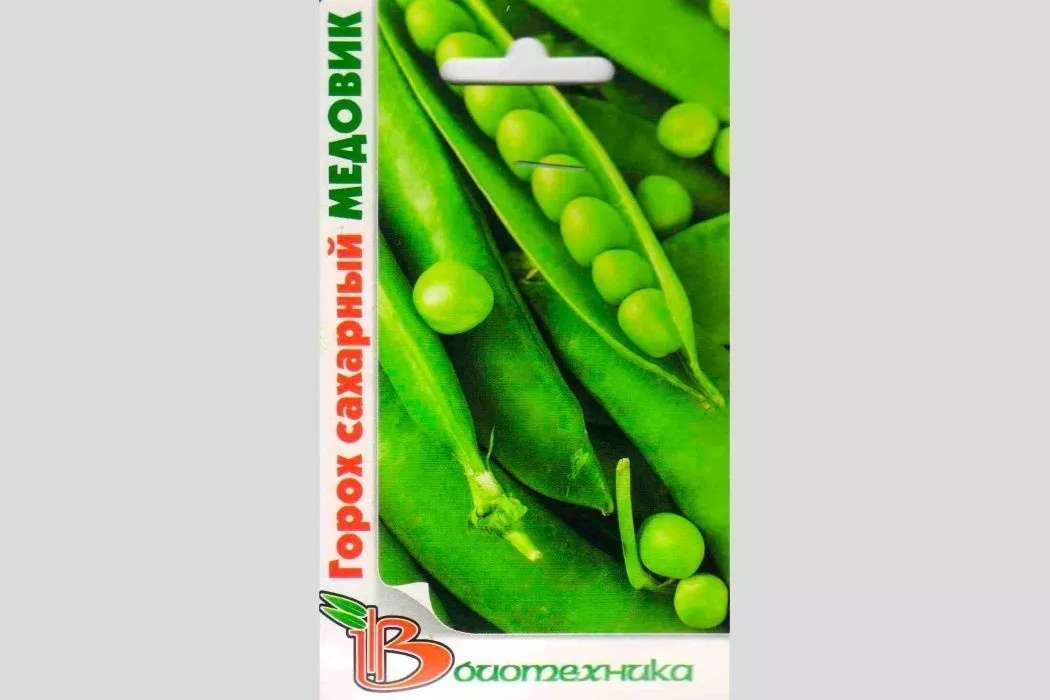
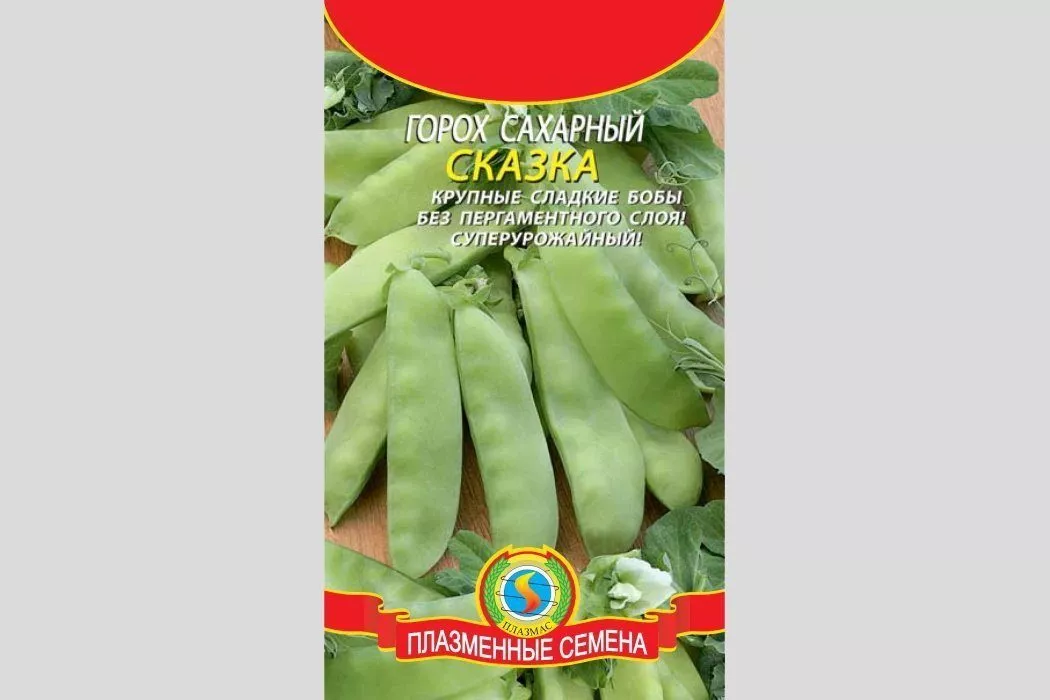
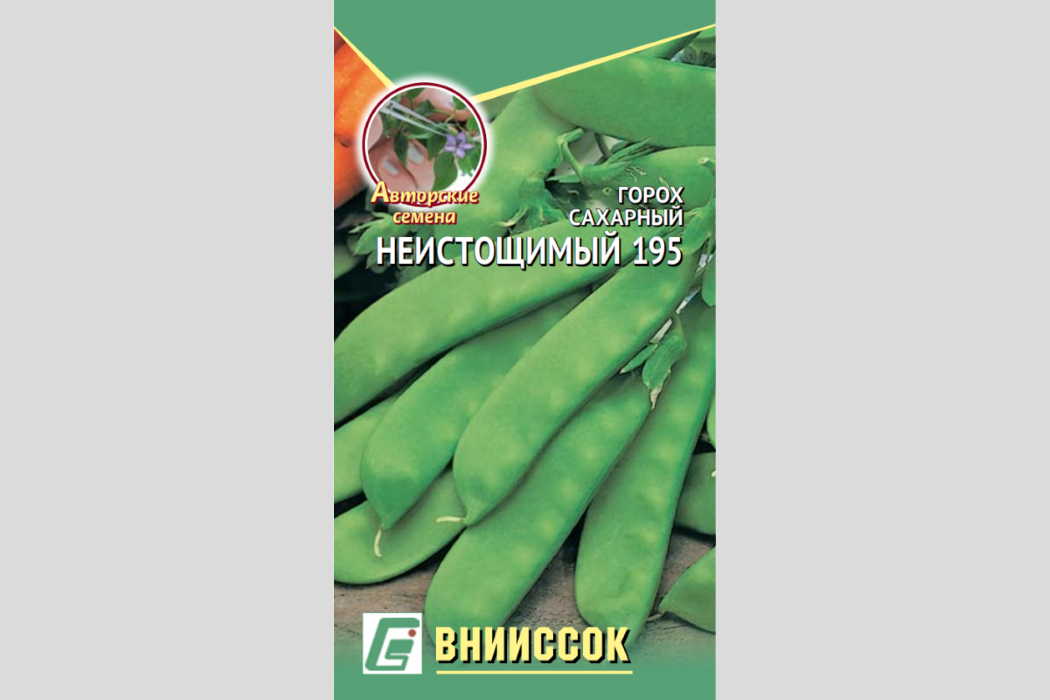
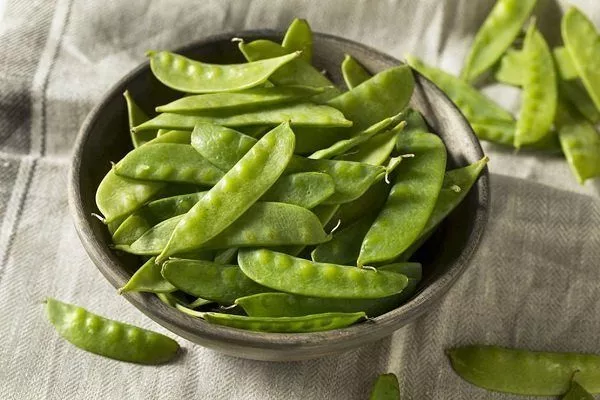
Sugar snap peas
| Name | Ripening period | Productivity | Plant height |
|---|---|---|---|
| Children's sugar | 60 days | 3 kg/m² | 0.5 m |
| Sugar Honey Cake | 65 days | 3.5 kg/m² | 0.6 m |
| Fairy tale | 70 days | 4 kg/m² | 0.7 m |
| Karaganda 1053 | 75 days | 3.8 kg/m² | 0.8 m |
| Inexhaustible 195 | 80 days | 4.2 kg/m² | 0.9 m |
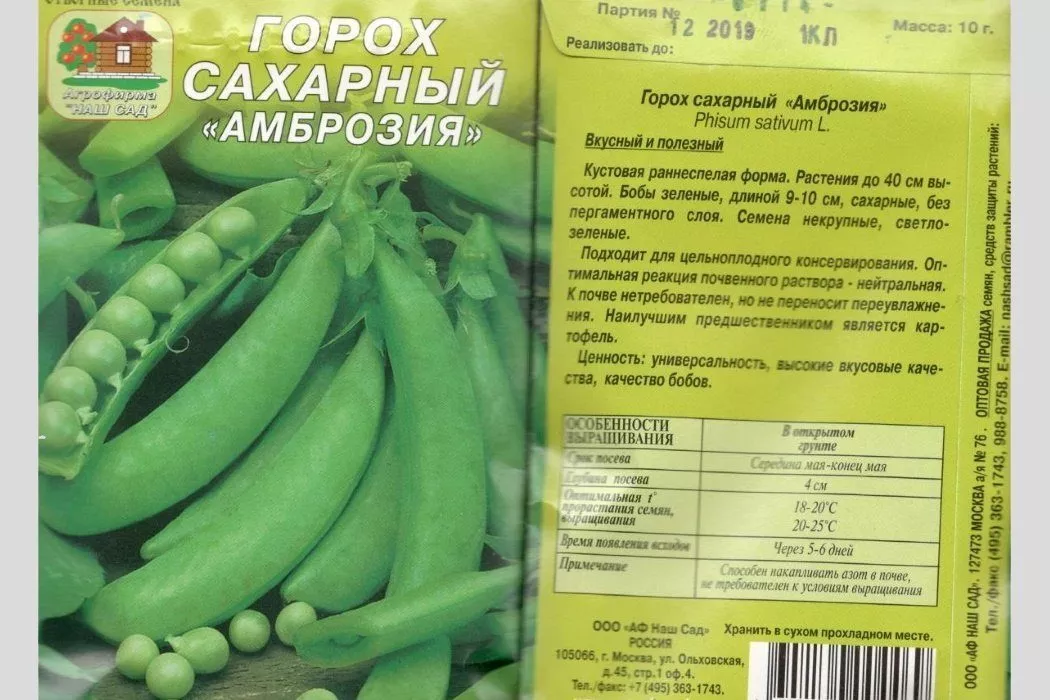
This variety gets its name from its higher sugar content, which gives the peas a slightly sweet flavor. These peas are delicious fresh, good for canning, and used in cooked dishes. Not only the peas, but also the pods are edible. They lack a parchment layer, and their juiciness remains until the waxy stage of ripeness.
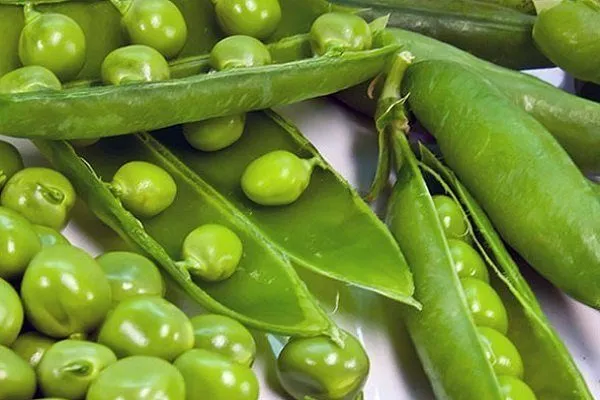
Sugar snap peas are either dessert or soup peas. The former are delicious fresh, used in side dishes, and contain more protein. The following varieties are considered the best:
- Children's sugar;

- Sugar Honey Cake;
- Fairy tale;
- Karaganda 1053;
- Inexhaustible 195.
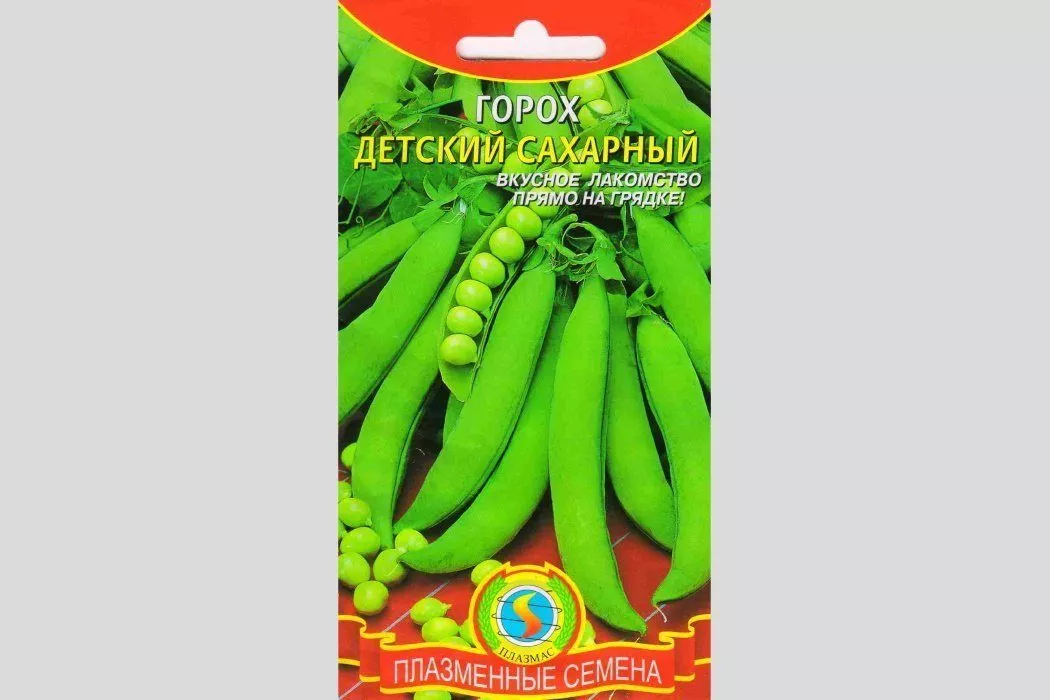
Soup peas are used for making soups and are distinguished by their smaller pea size. Excellent varieties include:
- Soup spatula;
- Ambrosia;
- Oregon;
- Henry.
Shelling peas
| Name | Ripening period | Productivity | Plant height |
|---|---|---|---|
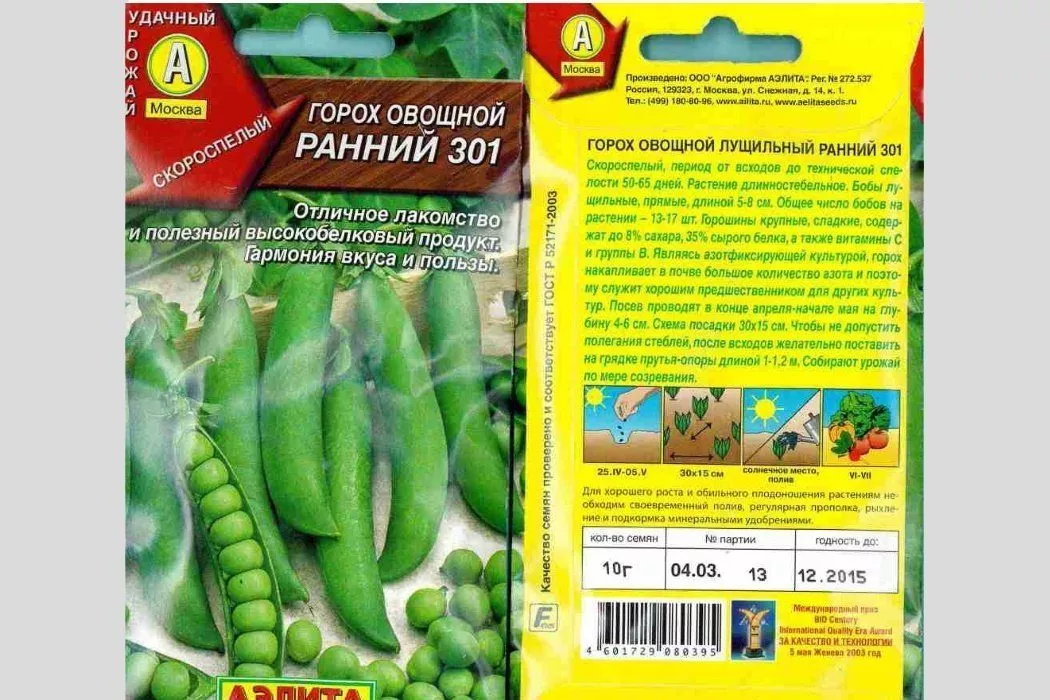
| Early Green 301 | 50 days | 2 kg/m² | 0.5 m |
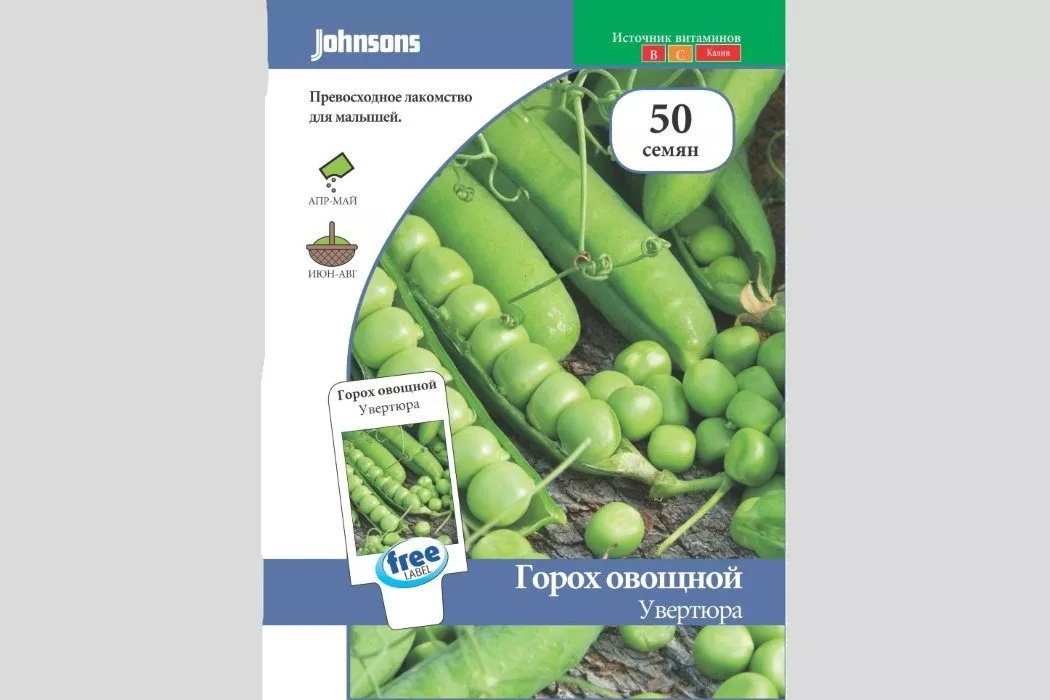
| Overture | 55 days | 2.5 kg/m² | 0.6 m |
| Union | 60 days | 3 kg/m² | 0.7 m |
| Winner | 65 days | 3.5 kg/m² | 0.8 m |
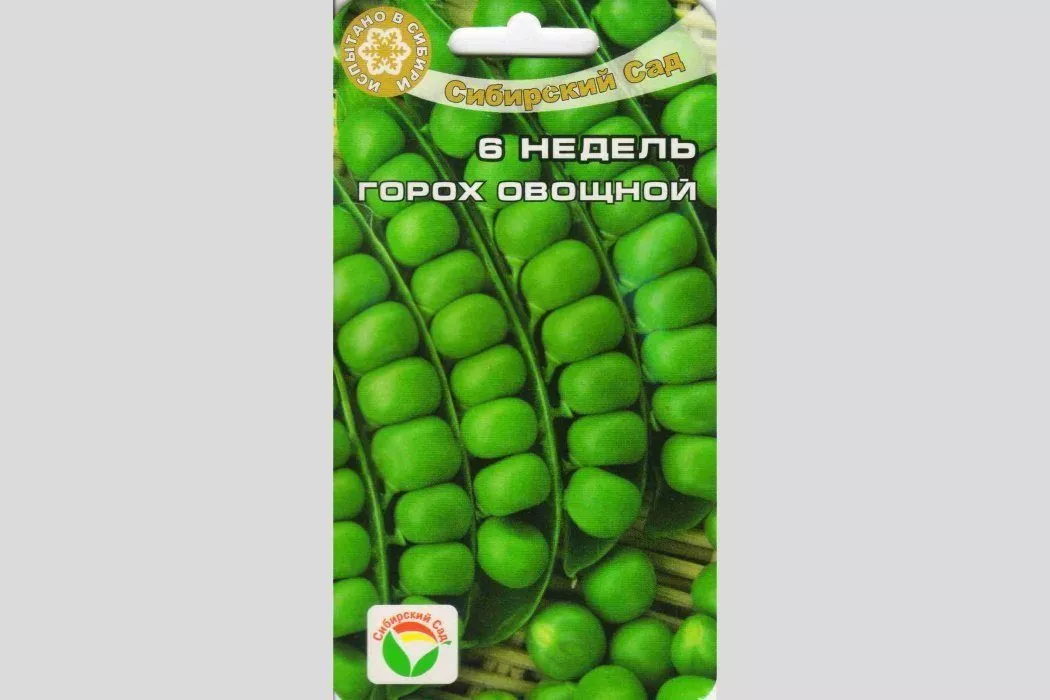
| 6 weeks | 70 days | 4 kg/m² | 0.9 m |
| Excellent 240 | 75 days | 4.5 kg/m² | 1 m |
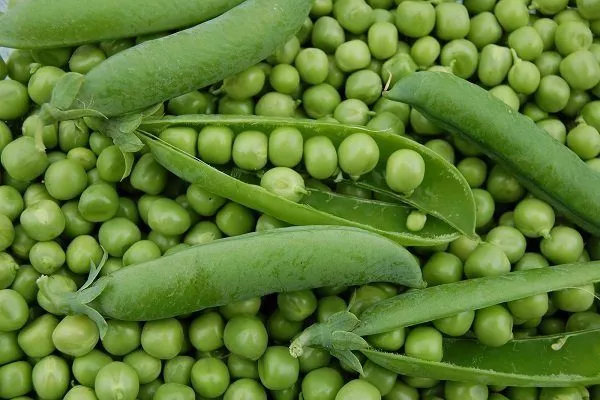
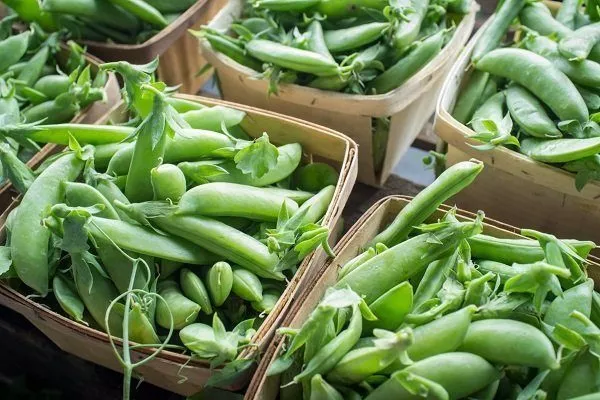
This variety is used in the food industry. Another interesting application is the production of bioplastics. Shelling peas are used to produce starch, which serves as a renewable source of biomass.
The following varieties are considered the best for consumption:
- Early Green 301;
- Overture;
- Union;
- Winner;
- 6 weeks;
- Excellent 240.
Brain peas
| Name | Ripening period | Productivity | Plant height |
|---|---|---|---|
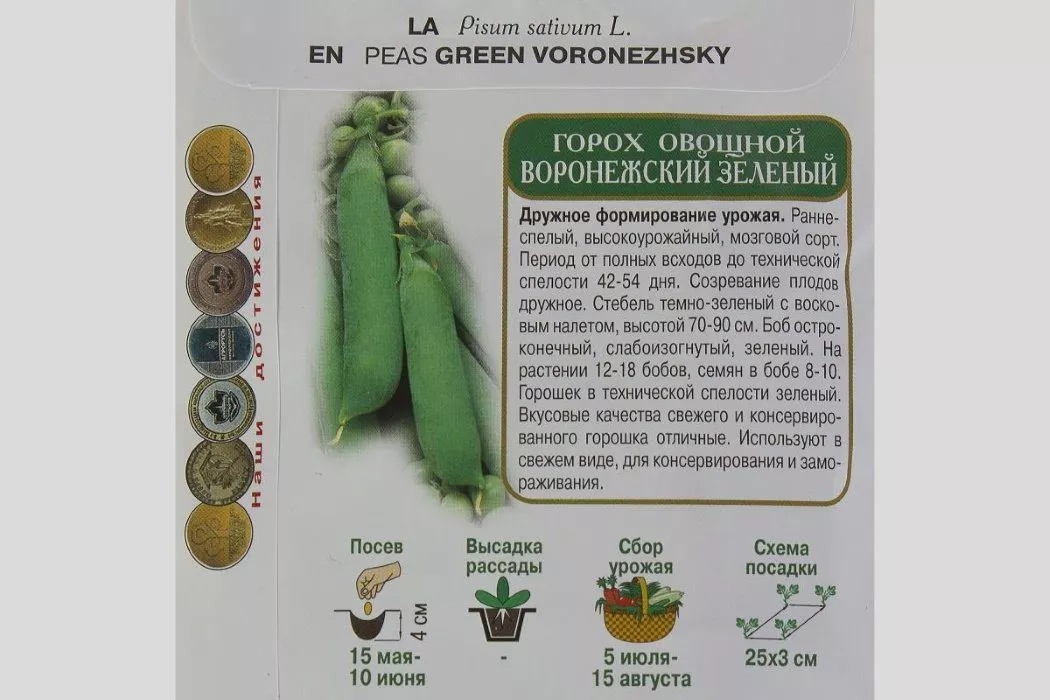
| Voronezh green | 45 days | 2 kg/m² | 0.5 m |
| Premium | 50 days | 2.5 kg/m² | 0.6 m |
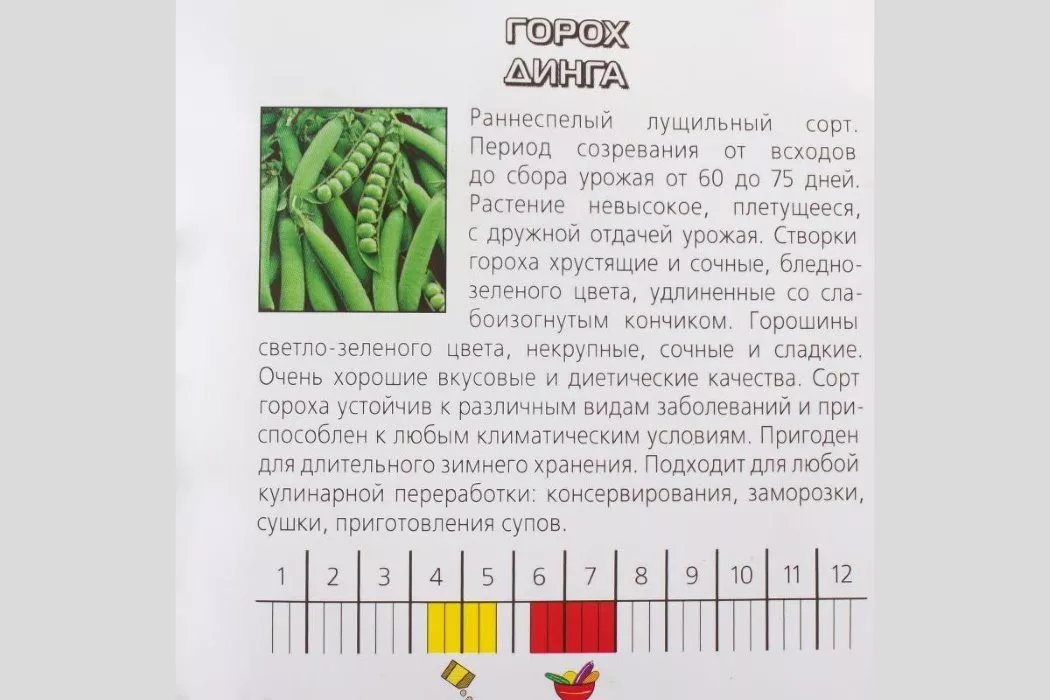
| Dinga | 55 days | 3 kg/m² | 0.7 m |
| Troparion | 60 days | 3.5 kg/m² | 0.8 m |
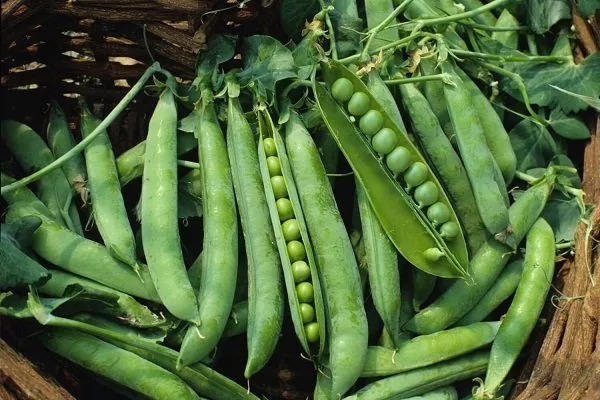
This variety is used primarily for canning. At home, it is eaten at the waxy ripeness stage.
Among the brain varieties, the best are considered to be:
- Voronezh green;
- Premium;
- Dinga;
- Troparion.
Growing conditions
Peas are cultivated in different regions, but they still prefer a moderate climate. For growing peas certain conditions are required:
- sunny area, the crop does not tolerate shade well;
- open and well-ventilated place;
- distance to groundwater;
- the soil is light and fertile, preferably loamy, neutral or slightly acidic;
- good aeration;
- the right predecessors are almost all crops, except for representatives of the legume family, preferably cabbage, potatoes, tomatoes, pumpkin, cucumbers;
- for seed germination a temperature of 1-2 degrees is required, vegetative organs begin to form at 12-16 degrees, and generative organs at 16-20 degrees;
- bean growth and seed filling occurs at 16-22 degrees;
- Peas do not like heat; at a temperature of 25 degrees their growth slows down, and at 35 degrees and above it stops;
- Do not return the peas to their original location for at least 4 years.
- ✓ The soil pH level should be strictly within 6.0-7.0 for optimal nitrogen absorption.
- ✓ The organic matter content in the soil should be at least 3% to ensure sufficient nutrition.
Not only are the predecessors of field peas important, but also the crops grown nearby. They thrive alongside potatoes, tomatoes, radishes, lettuce, corn, sunflowers, and strawberries. They can even be planted in the same bed. Avoid planting field peas next to onion family plants, watercress, dill, fennel, and basil.
If the soil is acidic, lime should be added. 0.35-0.4 kg per square meter is sufficient.
The soil for planting peas should be prepared in the fall. When digging, add organic matter—up to 6 kg of fertilizer per square meter. In the spring, the soil should be loosened. Ash is also effective.
Fresh manure should not be used to fertilize the area, otherwise the green mass will grow rapidly, and flowering and fruit formation will slow down.
Landing
Peas are planted in early spring. It's recommended to do this when the soil warms to 4-6 degrees Celsius. Short frosts are not harmful to the crop; it will easily survive temperatures down to -6 degrees Celsius.
Landing is carried out according to the following algorithm:
- Culling of seed materialAdd a little salt to the water and drop the seeds in. Discard any that float to the surface, as they won't germinate. Rinse the remaining seeds with clean water.
- Soaking of seed materialThis is done to improve germination. The seeds need to be soaked for 12 hours. The water should be at room temperature and changed every 3 hours.
- Preparing the garden bedAfter loosening, no more than 8 hours should pass before planting, otherwise the soil will dry out.
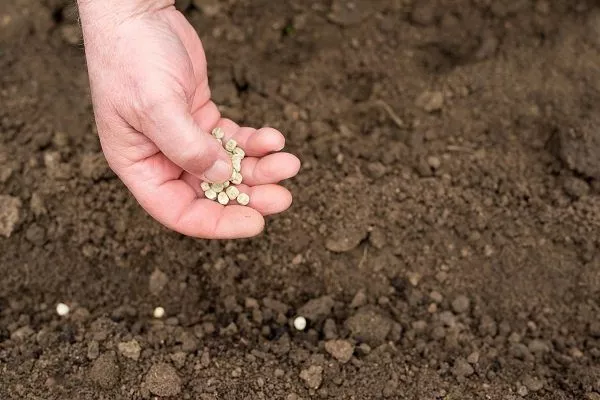
- Planting a cropIt's convenient to plant in holes, burying the seeds 4-6 cm deep. The planting pattern depends on the variety of peas being planted. Typically, 25-30 cm are left between rows, and 10 cm between adjacent plants. Some varieties produce peas up to 2 m tall, in which case the distance between rows and adjacent plants should be 70 cm.
- Covering the seeds with soilLightly compact the soil to help it retain moisture better.
- 24 hours before planting, treat the seeds with a solution of potassium permanganate (1%) for disinfection.
- Warm the seeds at 40°C for 5 hours to improve germination.
Pea seeds can be preyed upon by birds, so it's recommended to provide shelter. Film, netting, branches, grass, or straw can be used.
Caring for the crop
Peas are easy to grow. Care for them requires a comprehensive approach, but all the steps are quite simple.
Watering
Water the crop once a week, increasing the frequency to once every 5 days during hot weather. Before flowering and fruiting, peas require more moisture, so water them 2-3 times a week. Be sure to consider soil and weather conditions.
For watering, use a watering can with a fine mesh screen. A drip irrigation system is an excellent option.
If there is insufficient watering, the yield decreases because flowers and ovaries fall off.
Weeding and loosening
Weeds slow crop growth, so weeding the beds regularly is essential. Plant debris should be removed immediately.
Loosening should be done after watering and heavy rainfall to ensure good aeration. Loosen only the spaces between rows, working carefully.
Supports
Peas require supports or trellises. This isn't necessary for low-growing varieties, but it shouldn't be ignored. Support ensures uniform sunlight exposure, which ensures proper ripening. Without support, the plants will be dark and damp—perfect conditions for diseases and slugs.
Top dressing
Peas can be grown in fertile soil without fertilizer, but the beds must be properly prepared in the fall. Watering depleted soil with herbal infusion is beneficial.
Before flowering, potassium-phosphorus fertilizers are beneficial. Add 10 g of potassium salt and superphosphate to 10 liters of water. Repeat this feeding every 2 weeks.
Pest and disease control
Peas are most often affected by fungal diseases. These should be controlled with appropriate fungicides (Fundazol, Topaz, Ridomil). Prevention requires early sowing, fungicide treatment of seeds and crops, and burning of plant debris.
The most common pests are the pea moth, weevil, and aphid. The latter also carries viruses. These insects should be controlled with insecticides (Operkot, Borey, Break), or you can resort to folk remedies (spraying with infusions of onion peels, dandelion leaves, garlic, celandine, and burdock).
For prevention you need to:
- burn plant residues;
- dig the soil deeply in the fall;
- plant the crop as early as possible.
You can also learn about pea growing technology from the following video:
Harvesting and storage
The optimal harvesting time should be based on the ripening time of the specific variety. Peas are harvested in batches as they ripen. The pods should be picked carefully to avoid damaging the stems.
The harvested crop can be prepared in various ways. The pods can be stored in a cool place or refrigerator for some time for use in food.
| Method | Shelf life | Nutrient loss |
|---|---|---|
| Freezing | Up to 12 months | Up to 10% |
| Drying | Up to 24 months | Up to 20% |
| Conservation | Up to 18 months | Up to 15% |
For long-term storage, peas can be canned, frozen, or dried. Freeze them in a single layer and then pour them into a single bag or container to prevent the mass from freezing. Sugar snap peas can be frozen whole, as long as they're not overripe. Dry peas in the oven or in a ventilated area. To keep pests out, it's best to store the dried peas in airtight containers.
Peas are an easy-to-grow annual crop used in a variety of applications. It's important to determine the primary purpose of growing the crop to select the right cultivar group and the best variety within it. Proper care will ensure a bountiful harvest.