
The Crescent Pea is one of the most popular varieties. It's easy to grow both outdoors and in pots on a windowsill. It's an excellent choice for those who care about their health and enjoy preparing delicious and healthy food.
Who developed the variety and when?
The breeding work was carried out by domestic breeders - Gulkin M.N., Kachainik V.G. and Nastenko N.V. The variety was added to the State Register in 2014, but the pea began to be distributed among gardeners for research much earlier.
Description of the plant and fruits
The creeping pea, or Lathyrus latifolius, is a perennial herbaceous plant belonging to the legume family. This pea species is known for its ornamental qualities and large flowers. What it looks like:
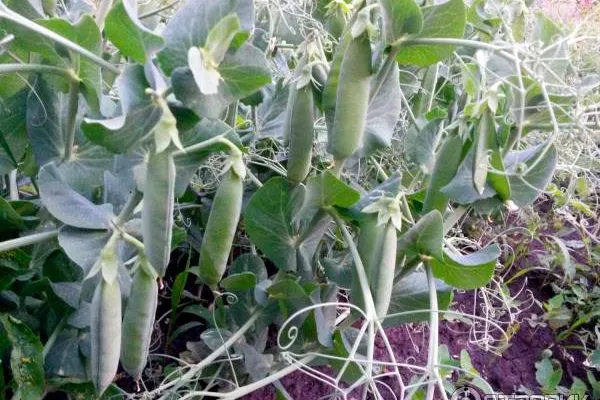
- medium-long shoots, reaching a height of up to 70 cm;
- they are covered with broad, dark green leaves;
- foliage is weak;
- stipules are spotted and have a waxy coating; the first beans above the bed are located at a height of 30-35 cm;
- flowers are large, double, white;
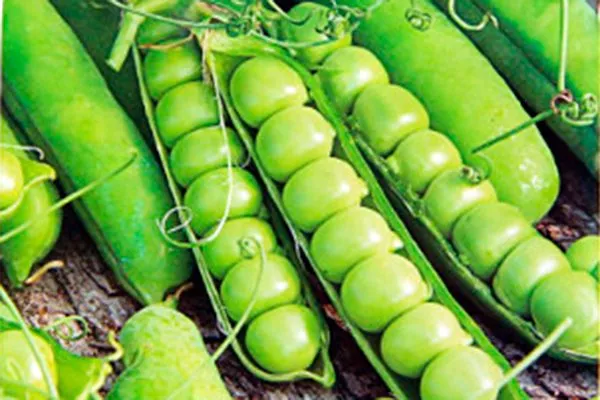
- pods up to 10 cm long, containing 6-9 seeds;
- the peas are flat and light green in color;
- 1000 seeds weigh on average 250 g.
Taste characteristics and purpose
It has a unique flavor profile and a wide variety of uses. Its small green peas have a delicate, sweet flavor. Their texture and aroma make them an excellent ingredient for a variety of dishes.
Features of use:
- Used for preparing salads, soups, side dishes and other dishes.
- It pairs perfectly with various spices, vegetables and meats, allowing you to create unique and delicious dishes.
- It perfectly complements any dish, making it more rich and flavorful.
The fruits of this variety are a valuable source of nutrients. The peas are rich in protein, carbohydrates, B vitamins, and minerals such as iron, calcium, and magnesium.
Ripening and yield
The Polzunok pea variety matures very quickly—only 55-65 days after sowing. This allows for the first harvest as early as early summer and continued harvesting until fall. Its rapid maturation makes it ideal for growing in regions with short summers or for those who want a quick harvest.
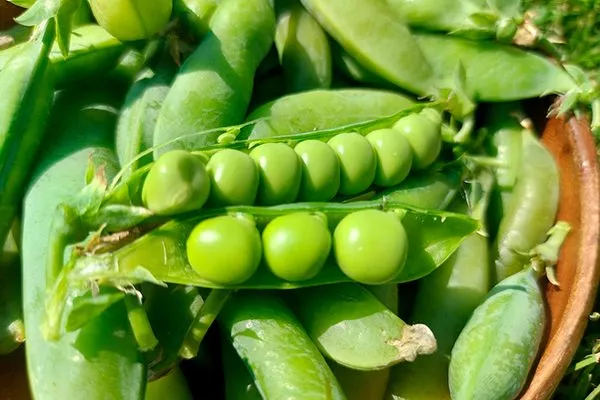
The yield is impressive – one bush can produce up to 10-12 pods, each containing numerous peas. This means that up to 100 peas can be harvested from each bush, making this pea variety one of the most productive. A bush of this variety can produce up to 2-3 kg of green peas per season. Approximately 300-500 g can be harvested per square meter at a time.
Necessary climatic conditions
Successful cultivation requires specific climatic conditions. This pea variety prefers a temperate climate with cool spring and fall periods. It thrives at temperatures between 15°C and 20°C and does not tolerate hot summer days.
Growing regions include most of Russia, including the Central, Northwestern, Central Black Earth and Volga regions, and southern parts of Russia such as Krasnodar Krai, Rostov Oblast and Stavropol Krai.
Advantages and disadvantages
It is characterized by a number of positive qualities:
- High yield. The Runner pea variety is highly productive, making it an excellent choice for those looking to harvest large quantities of peas.
- Excellent taste. The Snapper Pea has a delicate and sweet taste that will pleasantly surprise lovers of this vegetable.
- Ease of growing. This pea variety requires little effort to grow, making it an ideal choice for beginning gardeners.
- Rich nutritional content. It contains a large number of vitamins, minerals, and other nutrients essential for human health. It is an excellent source of protein, iron, calcium, and other essential elements.
- Various ways of use. It can be used in cooking to make soups, salads, side dishes, and other dishes. It is also used in medicine and cosmetology due to its beneficial properties.
Cons:
- Soil requirements. Peas require fertile soil with good drainage, which can be a problem for those who do not have such soil.
- Requires support. The creeper pea needs support to prevent the stems from creeping along the ground and damaging the pods.
- Does not tolerate drought. This variety of peas requires constant soil moisture, so it must be watered regularly.
- Productivity. It is at an average level.
Landing features
Planting is recommended in the spring, after the last frost has passed, to ensure optimal conditions for growth and development. Details:
- Peas prefer sunny locations and grow well in loose, fertile soil. Therefore, before planting, it's recommended to thoroughly weed the bed and fertilize the soil with compost or mineral fertilizer.
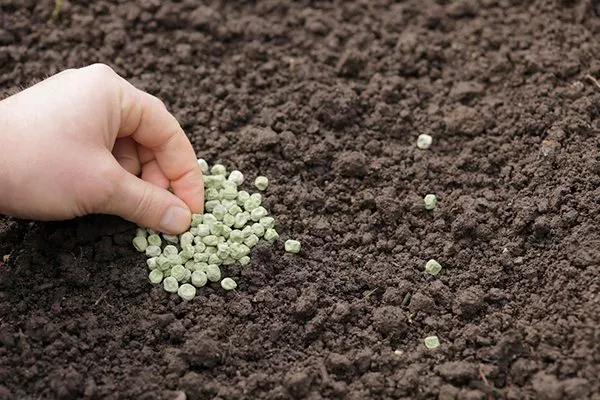
- Once the soil has been prepared, you can begin planting. It is recommended to sow seeds outdoors in late April or early May, when the soil has warmed to 10 degrees Celsius.
- One of the features of planting this variety of peas is the need for pre-treatment of seeds to improve germination.
- The seeds should be laid at a depth of 3-5 cm and leave a distance of about 10-15 cm between them.
- After planting, it is necessary to water the bed generously and keep the soil moist.
- It is advisable to cover the plantings with agrofibre or film to protect them from pests and adverse weather conditions.
- A characteristic of creeping peas is their tendency to droop. To provide support, it is recommended to install supports or nets to which the plant can be attached as it grows.
- ✓ The soil temperature for sowing should not be below +10°C.
- ✓ The optimal seed sowing depth is 3-5 cm, with a distance of 10-15 cm between them.
Subtleties of agricultural technology
To get a good harvest, it is necessary to properly care for the plant, taking into account all the intricacies of agricultural technology.
- Watering. The plant requires adequate moisture, especially during dry periods. However, excess moisture can lead to root and stem rot. Therefore, it's important to ensure regular watering and avoid waterlogging.
- Top dressing. Peas require additional nutrition for good growth and development. Organic and mineral fertilizers can be used for this purpose. Organic fertilizers improve the soil and enrich it with nutrients, while mineral fertilizers provide the plant with essential macro- and micronutrients.
Fertilizing can be done in a variety of ways, including using organic fertilizers such as humus or compost. Universal mineral fertilizers containing nitrogen, phosphorus, and potassium are suitable for the creeper pea. Fertilizing is best done during the pod formation phase.
Resistance to diseases and pests
The creeper pea is resistant to various fungal and viral diseases, but this doesn't mean you can completely ignore precautions. Despite its strong immunity, regular inspections and preventative treatments are recommended.
Peculiarities:
- It has a high level of resistance to diseases such as powdery mildew, anthracnose, fusarium and aspergillosis.
- It is resistant to various pests, such as spider mites and aphids.
| Disease/Pest | Sustainability level | Control measures |
|---|---|---|
| Powdery mildew | High | Preventive treatment with fungicides |
| Anthracnose | Average | Removing affected plants |
| Spider mite | High | Treatment with acaricides |
To maintain resistance to diseases and pests, it's essential to follow proper agricultural practices and ensure regular plant care. Timely watering, proper fertilization, and treatment with specialized plant treatments will help keep peas healthy and ensure a bountiful harvest.
Reviews from those who planted
The pea variety Polzunok is one of the most well-known and popular on the market, an ideal choice for those who value quality and reliability. Its resistance to adverse conditions and pests allows for high and consistent yields. Its rich flavor and nutritional value make it an indispensable culinary ingredient.