
Madras peas are known for their high quality, making them a popular choice among gardeners and farmers. This crop is popular for its frost resistance and low maintenance. With proper care, it can achieve strong immunity and a good yield.
Characteristics of the variety
It is characterized by a mid-late ripening period, ensuring a long harvest period. The growing season is 63-95 days. Harvesting is facilitated by the leafless nature of the variety. This feature reduces the need for maintenance.
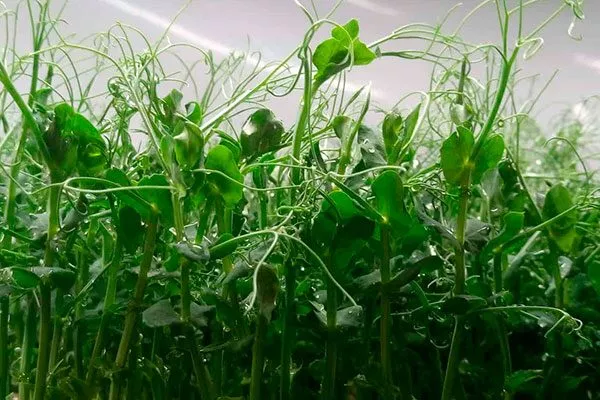
Characteristics of the appearance of the plant, beans and seeds
The average number of nodes before the first fertile node is high. Distinguishing features of the culture:
- Plant height varies from 44 to 82 cm.
- Stipules are well developed, the level of spotting is very low.
- Each node can contain up to two flowers, the color of which varies from white to cream.
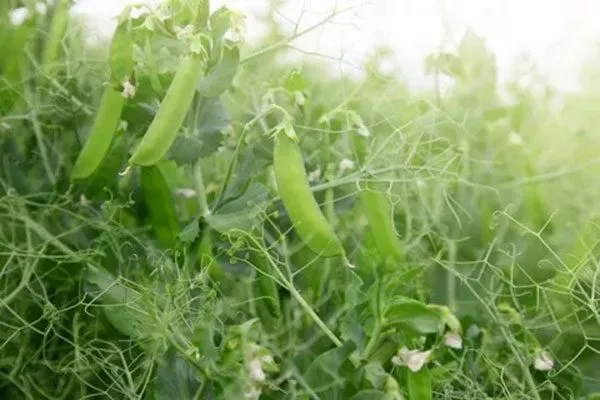
- The beans are characterized by a slight curvature and a blunt tip.
- The seeds are ovoid in shape, their cotyledons are green and the hilum is light.
- ✓ High resistance to lodging even in strong winds.
- ✓ Low leaf spotting, which reduces the risk of diseases.
Purpose and taste
Madras peas have a wide range of uses and excellent flavor. Here are some of their benefits:
- Fresh consumption. Green peas are ideal for eating fresh in salads, vegetable mixes, or as a side dish for main dishes. They have a delicate and slightly sweet flavor that adds a distinctive aroma to foods.
- Culinary preparations. It's used in a variety of dishes: soups, stews, purees, porridges, and appetizers. It retains its texture and flavor even after cooking.
- Conservation. Thanks to its dense texture and delicate flavor, it can be pickled, frozen, or canned for long-term storage without losing its flavor or nutritional value.
- Protein and nutritional composition. Peas are rich in protein, nutrients, and fiber, making them a valuable addition to the diet. They provide the body with energy to maintain health and well-being.
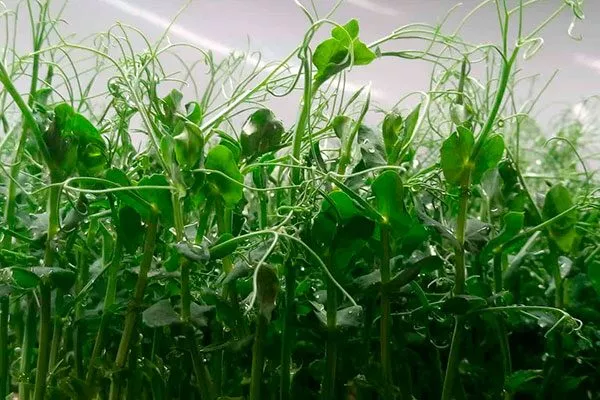
Properties of the Madras variety
Sprouted Madras peas have rejuvenating, antioxidant, and anticancer properties. They promote cell regeneration and have a beneficial effect on the cardiovascular system.
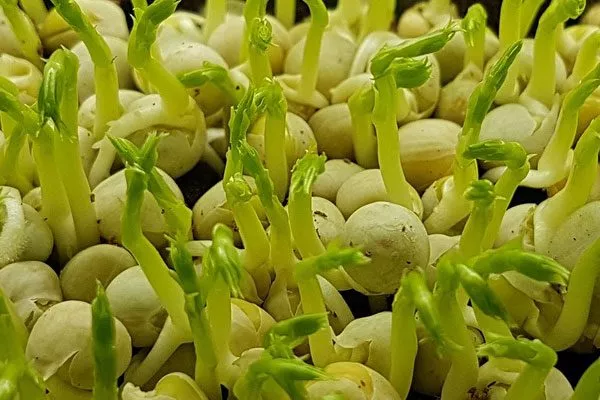
Other properties of culture:
- Thanks to the abundance of dietary fiber, it improves digestion and helps get rid of excess cholesterol, toxins and harmful substances.
- It can stabilize blood sugar levels, which is useful for diabetes and obesity.
- Regular consumption of sprouted green peas helps strengthen and restore the body, and is especially beneficial after illness.
- It is useful for diseases of the genitourinary system, as it promotes the dissolution and removal of stones from the bladder and kidneys.
- Recommended for constipation, atherosclerosis and hypertension.
Morphological and production characteristics
The average yield in the Central region is 21.8 centners per hectare. In the Central Black Earth Region, the figure is 17.1 centners per hectare. The variety is moderately drought-resistant and highly resistant to lodging and shattering.
The weight of 1,000 seeds ranges from 225 to 288 g. It is considered high-quality from a culinary perspective. It has good disease and pest resistance, making it more reliable to grow.
Recommended regions
Recommended growing regions: Central and Central Black Earth. Recommended for cultivation in the Moscow, Ryazan, Smolensk, and Kursk regions.
Information on the approval of Madras peas from the Register of the State Commission of the Russian Federation
Application for registration No. 59539 was filed on November 15, 2012. The Madras pea variety was included in the register of approved varieties in 2016.
Patent information for the Madras Pea variety
The Madras variety is patented by TOFT PLANT BREEDING APS, registered at SWEDEVEJ 1, HARRE, DK 7870 ROSLEV, DENMARK. Patent application number 59540 was filed on November 15, 2012.
Patent number 8459 was issued on April 14, 2016. The patent is expected to expire on December 31, 2046.
Growing and care
To successfully grow a crop, consider several important aspects:
- Selection of location and soil. Peas prefer sunny locations with well-drained soil. The optimal soil pH should be neutral to slightly acidic.
- Sowing. Sow peas after the last frost has passed, in spring or early fall if the climate permits. Plant at a depth of about 3-5 cm.
- Watering. Regular watering is important to ensure good plant growth and development, especially during periods of drought.
- Fertilizer. Use organic matter before planting and during growth.
- Shelter from pests. Protect plants from pests (pea flea beetle and leaf roller) using appropriate control measures, including organic and chemical methods.
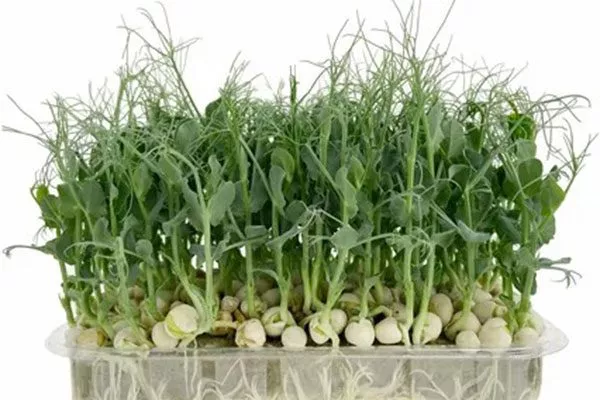
Madras peas are a valuable plant with numerous health benefits. They produce good yields and are an easy-to-grow variety, requiring minimal attention from the gardener. Proper care will ensure the plant's robust health and allow it to be used in a variety of applications.