
Shelling peas are a crop variety used primarily in the food industry. This particular variety is used to produce peas, which can be found on the shelves of any grocery store. Various varieties of shelling peas can be grown both on an industrial scale and in small gardens.
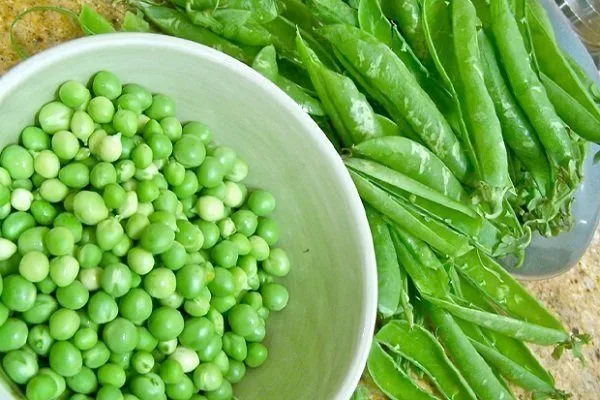
General characteristics
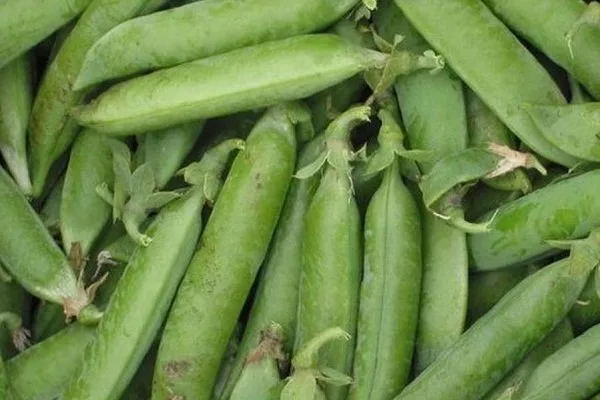
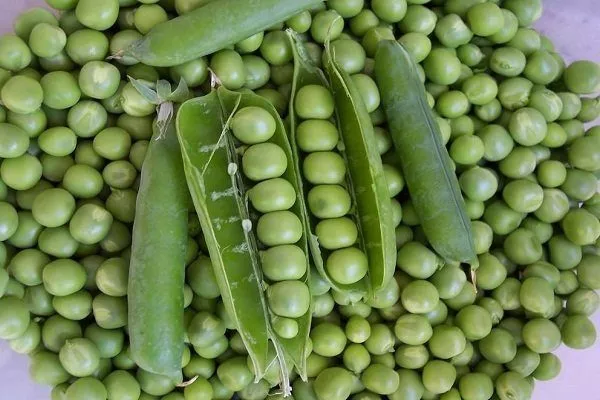
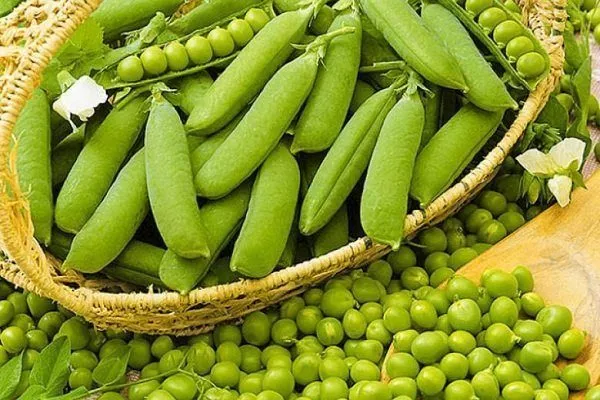
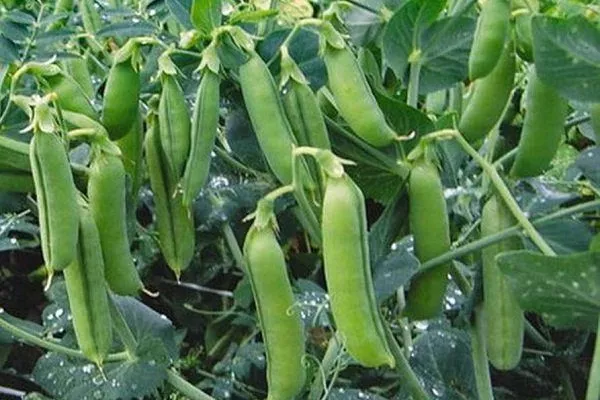
Shelling peas are primarily a source of seeds, meaning they must be shelled for consumption or storage. The pods are also edible, but only when unripe; the parchment layer must be peeled off.
General characteristics of shelling peas:
- wide range of plant heights, can reach 2 m, in dwarf varieties – 0.25-0.4 m;
- the pods are called beans, the average length is 8-12 cm, inside there are up to 10-12 seeds-peas;
- the shoulder blades are dense, with a parchment layer;
- low sugar content in fruits, high starch, high calorie content;
- various ripening periods, not less than 30-40 days, rarely more than 3 months;
- fruiting can last up to 1.5 months;
- 1 sq. m produces up to 4 kg of peas.
When fresh, shelling varieties are inferior in taste to sugar varieties, so they are used mainly for preparing hot dishes.
The best varieties
| Name | Plant height (m) | Ripening period (days) | Yield (kg/m2) |
|---|---|---|---|
| Adagumsky | 0.7-0.8 | 70 | 1 |
| Alpha | 0.5-0.55 | 50 | 2 |
| Viola | 0.7-0.8 | 67 | 1.1 |
| Sunrise | 0.65-0.75 | 67 | 0.7 |
| Dakota | 0.7 | 40-50 | 1.5 |
| Dinga | 0.95 | 70 | 1.1 |
| Excellent 240 | 0.4-0.7 | 70-80 | 1.7 |
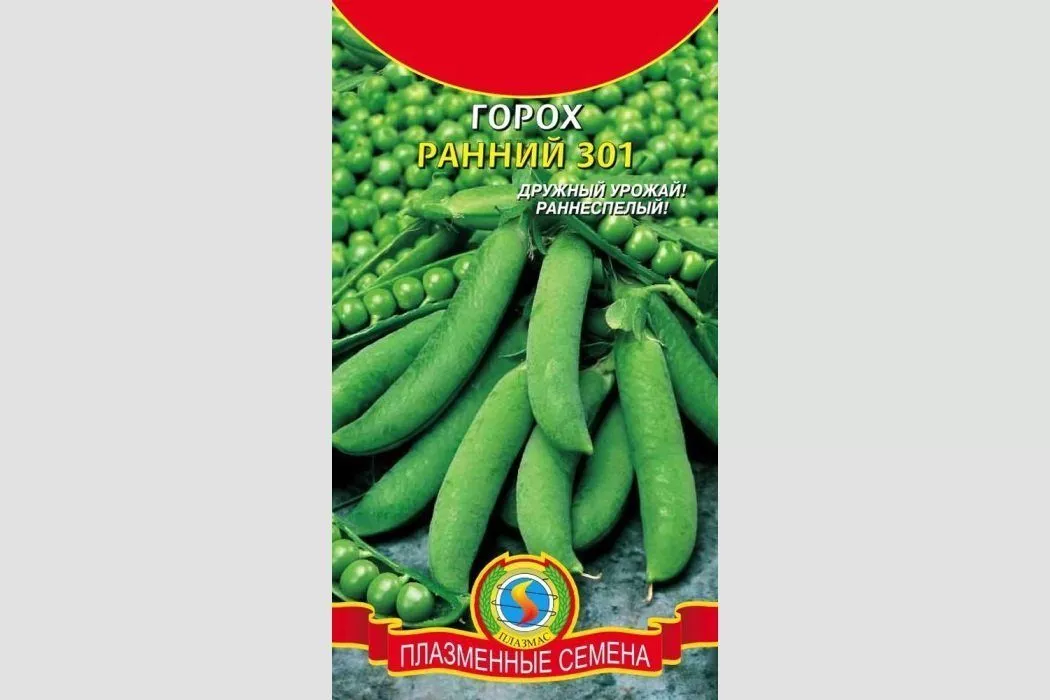
| Early-301 | 0.7 | 65-75 | 1.1 |
| Early Gribovsky 11 | 0.35-0.4 | 65-60 | 2.2 |
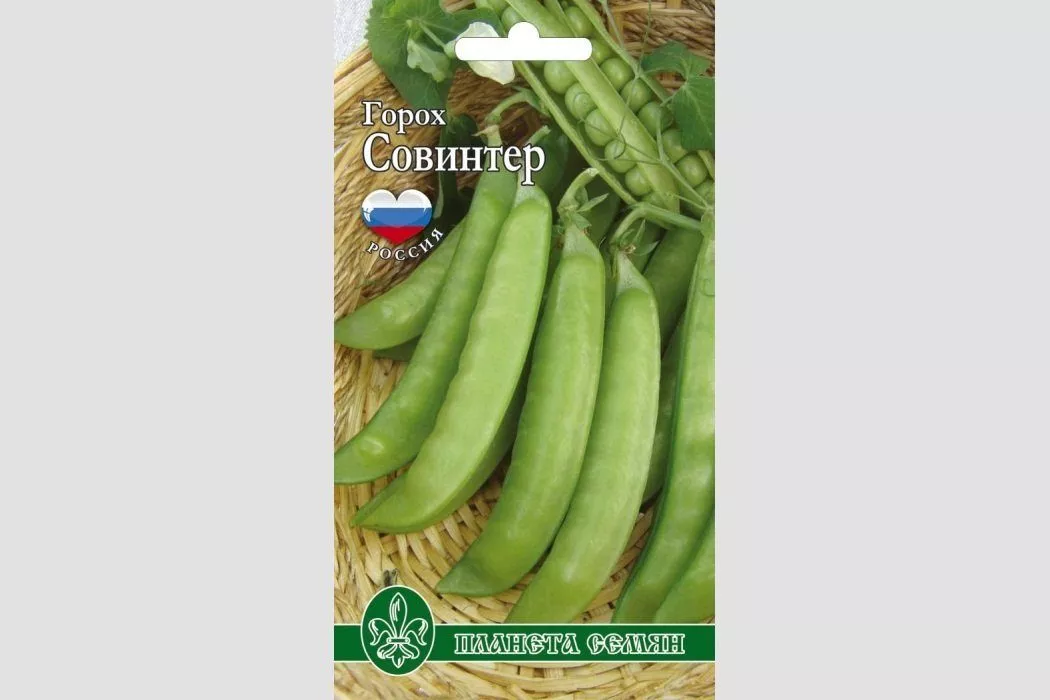
| Sovinter 1 | 0.85 | 47-63 | 0.7 |
There are many varieties of shelling peas. The following deserve special attention:
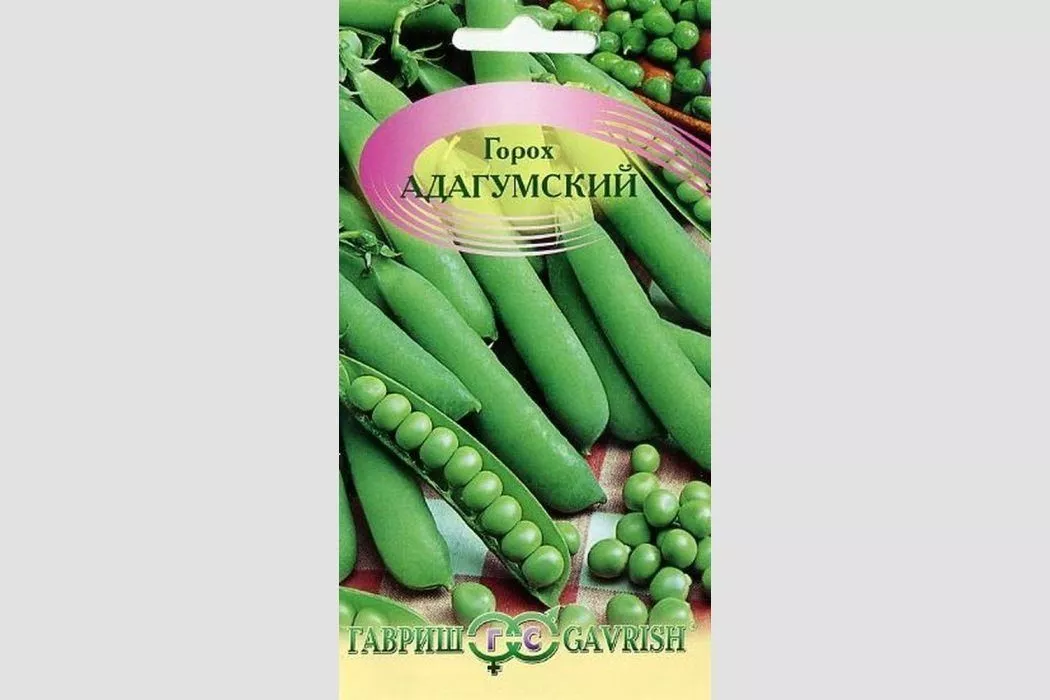
- AdagumskyIt reaches 0.7-0.8 m and ripens in an average of 70 days. A single plant produces up to 14 pods, 6-7 cm long, with 6-9 dark green peas. One square meter yields up to 1 kg of fruit. The flavor is excellent, and fruiting is uniform.

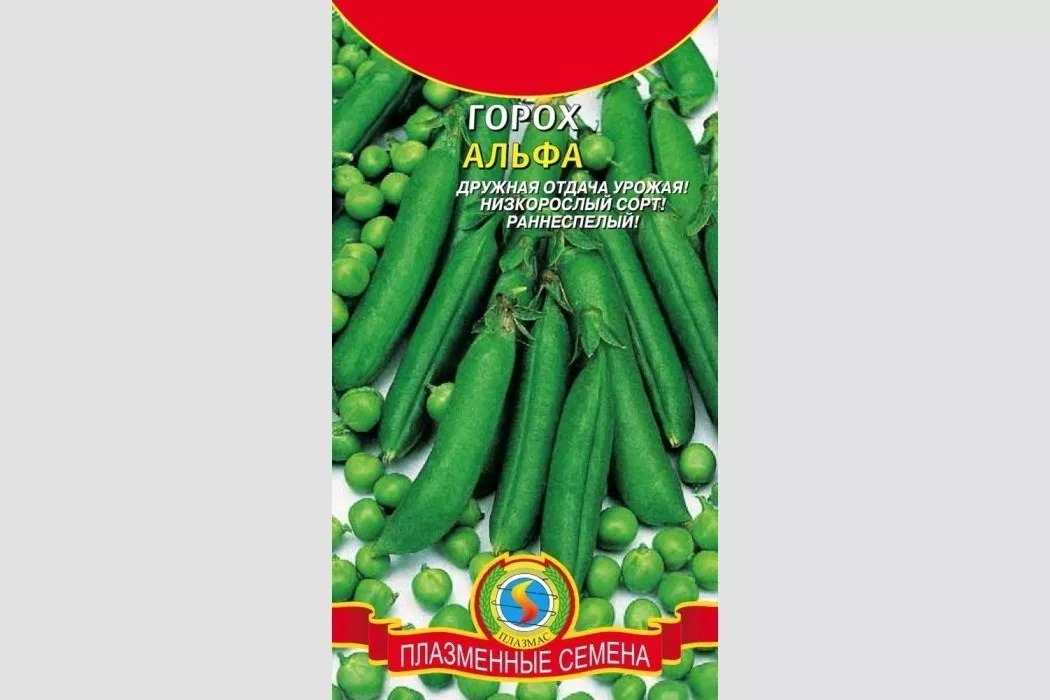
- AlphaIt grows to 0.5-0.55 m and matures in 50 days. The dark green, 8 cm long pods contain 5-9 seeds. Up to 2 kg can be harvested per square meter. The variety is distinguished by its sweet taste.
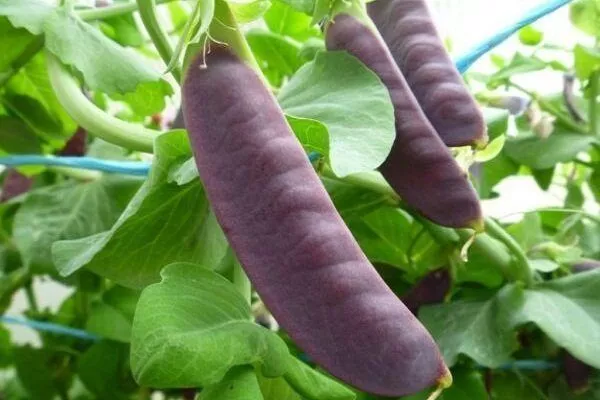
- ViolaStems are 0.7-0.8 cm, maturing in 67 days. Beans are 6.5-8 cm long with wide shoulders, each containing 6-9 angular-rounded peas. Up to 1.1 kg of beans can be harvested per square meter. This variety is recommended for canning.
- SunriseHeight 0.65-0.75 m, ripening in 67 days. Up to 12 medium-sized pods per plant. The pods have a distinct parchment layer. The peas are medium-sized, with a wrinkled surface. Up to 0.7 kg are harvested per square meter. The variety is resistant to pea weevil and codling moth.
- DakotaThe average height is 0.7 m, ripening in 40-50 days. Fruits are 10 cm each, 2-3 per node, containing 5-6 seeds. High yield – up to 1.5 kg per square meter, long storage.
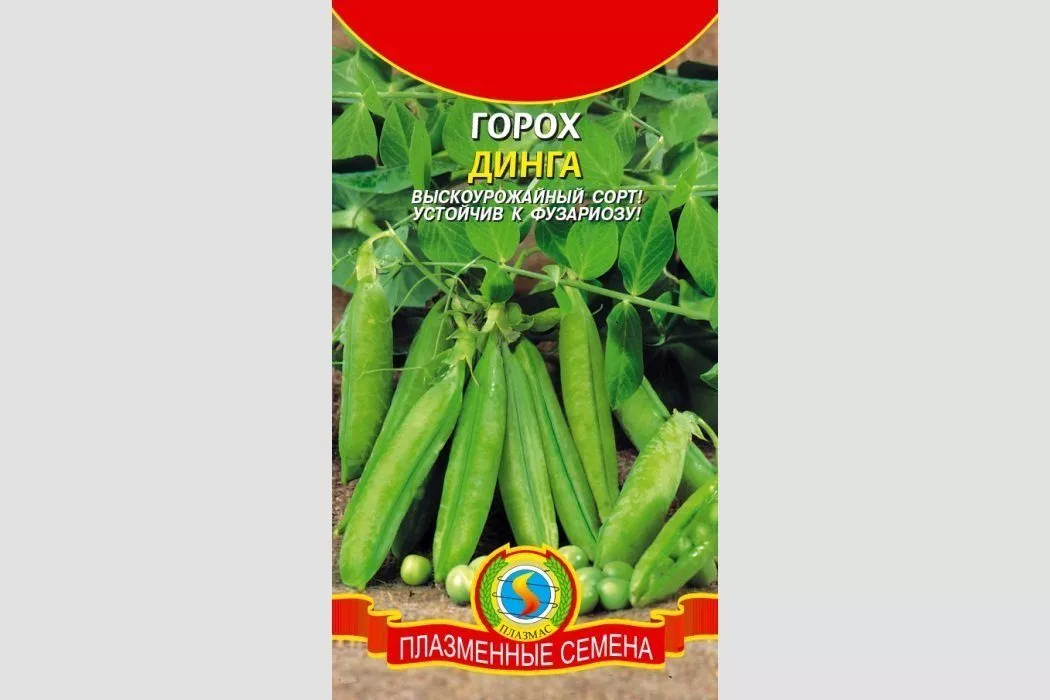
- DingaAverage height: 0.95 m, ripening in up to 70 days. Wide pods, 11 cm each, contain 9-10 dark green peas. High yield: up to 1.1 kg of seeds per square meter. The variety is resistant to fusarium wilt and has excellent flavor.
- Excellent 240It reaches a height of 0.4-0.7 m and matures in 70-80 days. The beans are 8-9 cm long with 6-9 angular-square pods. Up to 1.7 kg of beans can be harvested per square meter. Excellent flavor and versatile use.
- Early-301Reaches 0.7 m, matures in 65-75 days. Beans are 6-8 cm long with 5-7 yellow-green seeds. One square meter yields up to 1.1 kg of beans, ripening evenly.
- Early Gribovsky 11Height 0.35-0.4 m, ripens in 65-60 days. Wide, dark green beans, 8-10 cm each, contain 6-8 yellowish-green peas. Up to 2.2 kg of beans or 1 kg of peas are harvested per square meter. The crop forms evenly.
- Sovinter 1Stems are 0.85 m tall and mature in 47-63 days. Each plant produces an average of 12 9 cm pods with 7-9 large, angular-square pods. Up to 0.7 kg of pods are harvested per square meter. The variety is resistant to adverse climates and ascochyta blight.
- ✓ Resistance to specific diseases (for example, fusarium for the Dinga variety).
- ✓ Recommendations for growing regions based on climate tolerance.
Planting dates
Shelling peas can be planted as early as late April. Specific timing varies by region. Seeds germinate at 2-5 degrees Celsius, ovaries form well at 13-15 degrees Celsius, and beans grow at 17-22 degrees Celsius. The crop tolerates short-term frosts down to -6 degrees Celsius.
Growing conditions
Shelling peas prefer sunny sites, but some varieties can be grown in partial shade. Groundwater must be kept away from the soil. The site should be open and well-ventilated.
The plant grows best in loamy and sandy loam soils, preferring neutral soil. If the soil is too acidic, add 0.3 kg of lime or 0.4 kg of dolomite flour per square meter.
Crop rotation is essential. Shelling peas can be planted after potatoes, pumpkins, cucumbers, tomatoes, and winter or spring crops. Other legumes are poor predecessors; peas should only be returned to their original location after four years.
Soil preparation
The plot for growing shelling peas should be prepared in the fall. Be sure to dig it up, remove weeds, and burn plant debris. When digging, add 6 kg of organic matter per square meter; do not use fresh manure.
Before planting shelling peas, the beds need to be loosened and moistened. Heavy soils require re-digging, even if it was done in the fall.
Preparation of planting material
For good germination and growth, shelling pea seeds must be properly prepared, choosing one of the following options:
- Soak the seeds, adding 1 tablespoon of salt per liter of water. Any seeds that float to the surface are not suitable for planting. After soaking, rinse the peas with plain water.
- Soak the seeds for 12-15 hours in plain water. The water should be at room temperature and changed every 3 hours. This will speed up germination.
- For better germination and increased immunity, use a solution of Epin, Humate, or Nitragin. Soak the seeds in the solution of your choice for 3 hours, then soak them in plain water.
After any soaking, dry the material until it becomes free-flowing.
Landing
It's convenient to plant peas in holes, but you can also make furrows. Plant the seeds 3-6 cm deep, taking into account soil density and the manufacturer's recommendations. The distance between rows and adjacent plants depends on the height of the crop. The width between rows should be at least 20-30 cm, with at least 10 cm between holes within a row.
When planting, it's effective to add a mixture of ash and compost to the bottom of the holes (furrows). Sprinkle the fertilizer with soil, then insert the peas, cover with more soil, and compact lightly.
Crops require protection from birds. You can cover them with plastic film, branches, straw, or grass.
Caring for the crop during cultivation
Growing shelling peas is easy. Care should be comprehensive.
Watering
Peas love moisture, so they need to be watered weekly, using 10 liters of water per square meter. During flowering, watering should be increased to 2-3 times a week.
During rainy periods, peas don't need watering, but during dry periods, moisten them every 5 days. Don't allow the soil to dry out, otherwise the harvest will suffer.
For larger areas, drip irrigation is best. Individual beds can be watered using a watering can with a fine nozzle. Avoid using strong water pressure.
After each watering, loosen the soil to ensure proper aeration. Mulching can be used as an alternative to this.
Top dressing
In fertile soil that's been well-prepared in the fall, shelling peas grow well without fertilizer. After the seedlings emerge, it's recommended to use an herbal infusion, preferably made from nettles. This infusion is used for irrigation. If the soil is depleted, repeat this fertilizing several times.
Before flowering, it's effective to apply mineral fertilizers. You can dissolve 10 g of superphosphate and potassium salt in a bucket of water, or apply the substances dry at a rate of 25 g per square meter. Allow two weeks between applications.
Supports
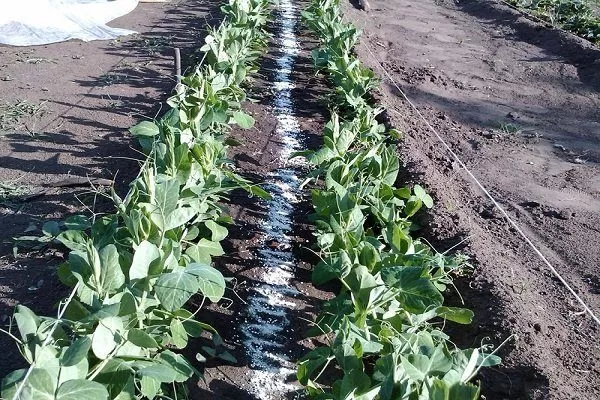
Only low-growing varieties of this crop do not require staking. It is recommended to provide supports before planting and tie the plants when they reach a height of 15-20 cm. Without this, the stems will fall over, the beans will grow and ripen poorly, and the risk of disease will increase.
Weeding
Weeding is recommended after each watering. Weeds rob crops of essential moisture and nutrients. Don't leave pulled weeds in the garden bed.
Pest and disease control
The main problem with peas is fungal diseases. The crop can be affected by ascochyta blight, fusarium wilt, gray mold, rust, and powdery mildew (including downy mildew). These diseases are controlled with fungicides such as Fundazol, Trichophyte, Fitosporin-M, and Bordeaux mixture.
Bacterial disease is the most common bacterial infection. It can be controlled by spraying with solutions of Bordeaux mixture, copper sulfate, Gamair, and Fitolavin.
Shelling peas often suffer from pests, especially weevils and codling moths. The former are controlled with insecticides such as Accord, Caesar, Zeppelin, and Tsunami. Codling moths are controlled with insecticides and acaricides such as Alkot, Operkot, and Abzats.
Harvesting and storage
The optimal harvesting time depends on the early maturity of the particular variety and the intended use of the crop. Shelling peas should be harvested when still immature for fresh consumption. The pods themselves can also be used for food, provided the parchment layer is removed.
For winter storage, shelling peas should be harvested after ripening, indicated by the yellowing of the pods. You can prepare the peas in the following ways:
- DryingYou can dry peas naturally for several days or speed up the process using a dehydrator or oven. Store the peas in airtight containers and use them for cooking hot dishes.
- ConservationThere are many options for this, but the most common method is to marinate the peas. The marinade is made from water, vinegar, salt, and sugar.
- FreezingOnly peas are preserved this way; it's best to harvest them before they're fully ripe. Freeze the peas in single-layer portions. Pour the frozen peas into a single container or bag and use them for hot dishes.
Shelling peas are easy to grow and low maintenance. It's important to pay attention to the recommendations for each variety—they cover planting, care, and use. When choosing, be sure to consider the crop's yield and flavor.